

Ozempic is expensive because several forces overlap: branded drug pricing, limited direct competition, high demand, insurance rules, pharmacy contracts, and supply-chain costs. The amount a person pays is not always the drug’s list price. It may depend more on deductible status, plan coverage, prior authorization, and where the prescription is processed.
Ozempic is a brand of semaglutide, a GLP-1 receptor agonist (a medicine that mimics a gut hormone involved in blood sugar and appetite signals). It is prescribed for label-approved uses and requires a prescription. This article explains why the cost can look different from one person to another, why online quotes vary, and what information helps when comparing options.
Key Takeaways
- List price differs from what insurers or plans may pay.
- Deductibles, coinsurance, tiers, and prior authorization often shape out-of-pocket costs.
- High demand for GLP-1 medicines can strain supply and reduce pricing pressure.
- Pharmacy quotes can vary by network contracts, day-supply, and billing method.
- Side effects, follow-up visits, and treatment changes can affect total cost.
Why Ozempic Costs More Than Many Older Medicines
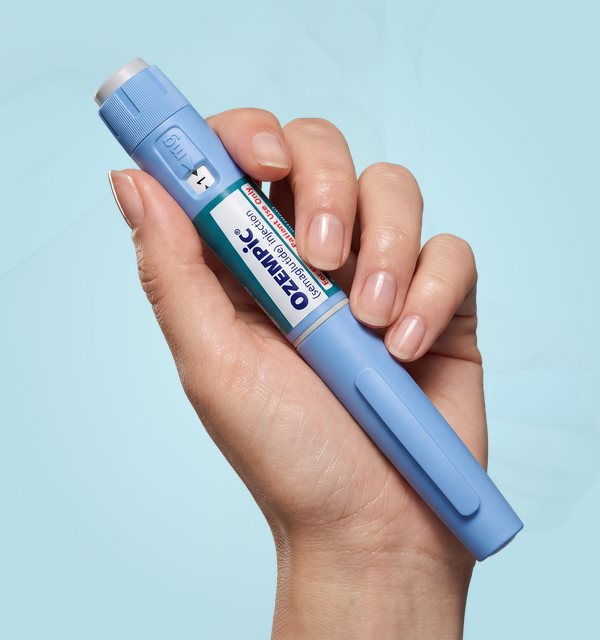
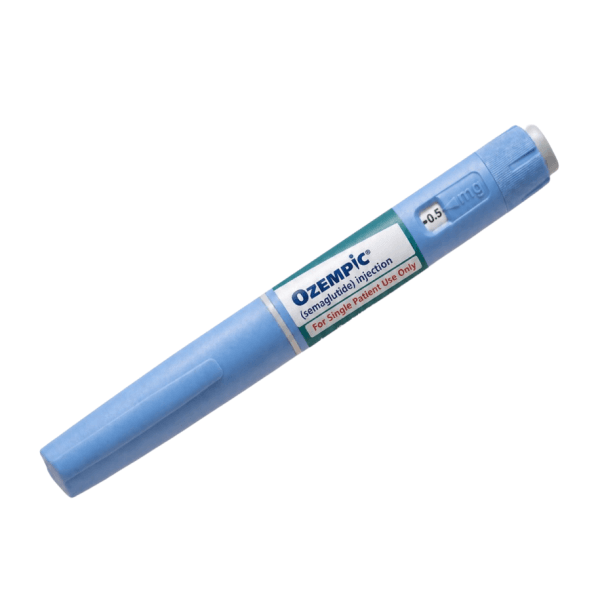
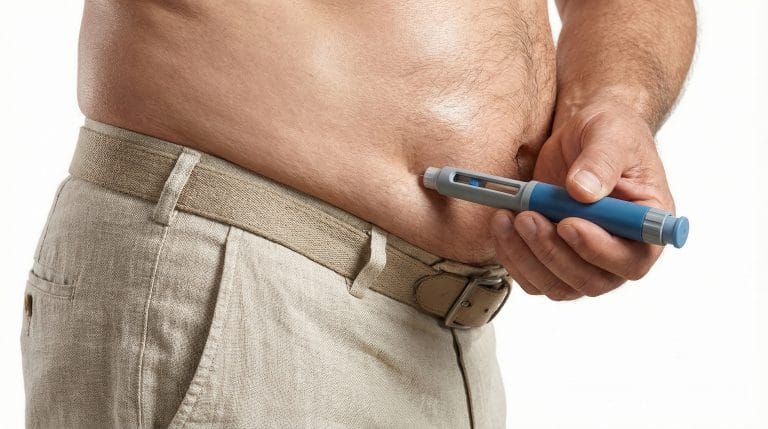
Ozempic costs more than many older medicines because it is a branded injectable product in a high-demand drug class. It is not a simple generic tablet with many competing manufacturers. The pen device, product handling, manufacturer contracting, and market demand all add complexity.
Patent protection and brand exclusivity can limit direct competition. When fewer equivalent products compete, prices often remain higher than they do for multi-source generics. That does not mean every patient pays the full cash amount, but it helps explain why the starting point can be high.
Device-based medicines can also cost more to produce and distribute than many oral medications. Injectable pens require specific manufacturing controls and pharmacy handling steps. Those details are not the whole story, but they contribute to the final cost structure.
Demand is another major factor. Public attention around GLP-1 medicines grew quickly, including interest in weight-related uses. When demand rises faster than supply or plan processes can adapt, pharmacies and insurers may tighten checks, adjust formularies, or change how they manage access.
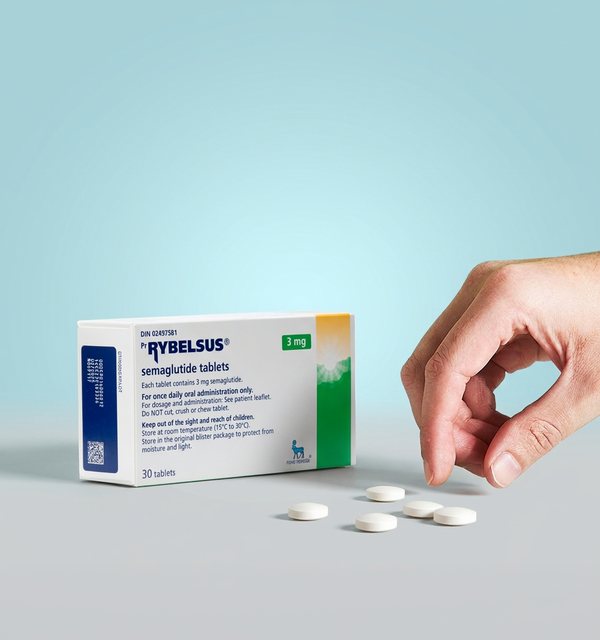
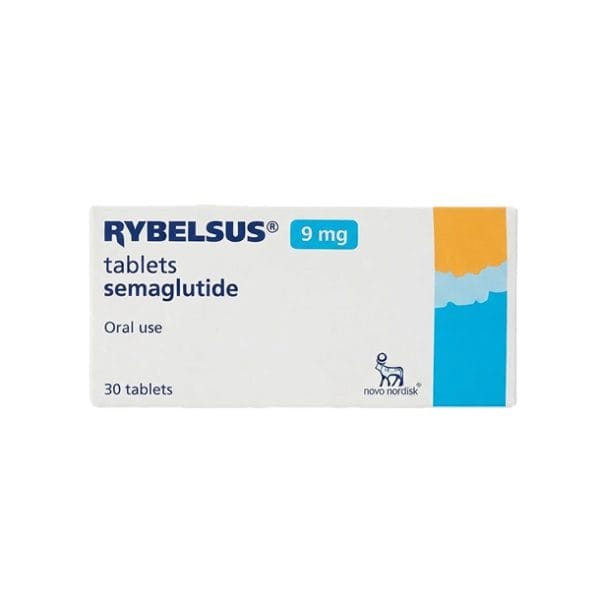
For background on the product itself, see the Ozempic Semaglutide Pens page. If you want to understand non-injectable semaglutide context, Rybelsus Semaglutide Pills may also help.
List Price, Net Price, and the Pharmacy Receipt
The clearest answer to why is ozempic so expensive is that the U.S. drug payment system has several prices at once. There may be a list price, a pharmacy cash quote, an insurer’s allowed amount, a manufacturer rebate, and a patient’s final cost-sharing amount.
List price is the public starting price before discounts or rebates. Net price is closer to what a payer may effectively pay after negotiated concessions. Patients often do not see those behind-the-scenes numbers. A receipt usually shows the amount owed under a specific pharmacy claim, not the full economics of the drug.
Rebates can be negotiated between manufacturers and pharmacy benefit managers, often called PBMs. These arrangements may lower a plan’s net spending, but they do not always lower the patient’s counter cost in a simple way. For example, coinsurance may still be calculated from an allowed amount, and deductibles may require the patient to pay more early in the year.
Why it matters: Two people can fill the same prescription and pay very different amounts.
Online discussions can make this more confusing. A forum post may describe a cash quote. A manufacturer page may describe an eligibility-limited assistance program. A pharmacy estimate may reflect one location, one day-supply, and one insurance claim. These numbers are not interchangeable.
For a broader look at GLP-1 affordability planning, see GLP-1 Planning Tips. A separate comparison of cash-pay scenarios is covered in GLP-1 Cash-Pay Options.
Insurance Rules That Change the Cost of Ozempic Per Month
Insurance design often explains the biggest month-to-month difference. The cost of Ozempic per month can shift when a deductible resets, a formulary changes, or a prior authorization is approved or denied.
Formulary status matters first. A formulary is the plan’s covered-drug list. A plan may place a medicine on a preferred tier, a non-preferred tier, or exclude it for certain uses. The tier can determine whether a patient has a fixed copay or coinsurance based on a percentage of the allowed amount.
Prior authorization is also common with GLP-1 medicines. This process asks the prescriber to confirm that plan criteria are met before coverage applies. The criteria may depend on diagnosis, previous therapy, lab documentation, or other plan-specific rules. A delay in paperwork can make a prescription appear unavailable or unaffordable even before a final coverage decision is made.
Deductibles create another layer. Early in a plan year, a person may owe more until the deductible is met. Later, the same prescription may cost less if the plan begins paying a larger share. Coinsurance can still keep costs variable because it moves with the allowed amount rather than staying fixed.
Quick tip: Ask your plan for the drug tier, prior authorization status, and preferred pharmacy list.
How much is Ozempic with insurance?
There is no single insured cost. One person may pay a low fixed copay, while another pays a higher amount because of a deductible or coinsurance. The most useful estimate comes from your own plan using the exact product, day-supply, pharmacy, and current benefit status.
How do people afford it?
People afford GLP-1 medicines in different ways. Some have strong insurance coverage. Some qualify for manufacturer assistance or other eligibility-based programs. Others compare cash-pay options, pharmacy networks, or international access pathways where permitted. CanadianInsulin.com is a prescription referral platform, and any required prescription details are confirmed with the prescriber before referral processing.
Demand, Popularity, and Off-Label Cost Pressure
Ozempic became expensive in public perception partly because demand moved beyond routine diabetes conversations. Its active ingredient, semaglutide, is also associated with weight-management discussions through other branded products, which increased public attention across the class.
That attention affects access. More prescriptions can stress supply, especially when manufacturing capacity and pharmacy inventory do not expand at the same pace. When supply feels uncertain, pharmacies may prioritize existing patients, limit new starts, or provide changing estimates based on inventory.
Off-label prescribing can also affect coverage. Off-label means a clinician prescribes a medicine outside its approved labeling. This can be medically considered in some situations, but insurers may deny coverage more often when the diagnosis or documentation does not match plan criteria. That can shift a patient from an insured claim to a cash quote.
Ethical concerns also appear in public debate. Some people worry that high demand for weight-related use may affect access for people using the medicine for type 2 diabetes. Others focus on drug pricing transparency, payer restrictions, or the role of manufacturers. These issues are policy and access questions, not problems a patient can solve alone at the pharmacy counter.
Readers comparing diabetes and weight-management context can browse the Type 2 Diabetes Articles collection or the Weight Management Articles collection for related reading.
How Pharmacy Quotes Can Differ
Pharmacy quotes differ because cash pricing and insurance billing follow different rules. A quote from one chain may not match another chain, and a quote from the same pharmacy may change if the billing method changes.
Searches about Costco, Walmart, or other pharmacy chains often compare unlike numbers. One quote may assume no insurance billing. Another may reflect an in-network contract. A third may use a different day-supply or product entry. Inventory risk, dispensing fees, and local contracts can also affect what a pharmacy can quote.
If you compare estimates, keep the variables consistent:
- Product name: Use the exact prescribed brand.
- Form and package: Keep the pharmacy entry consistent.
- Day-supply: Compare the same supply period.
- Billing method: Separate cash and insurance quotes.
- Network status: Confirm preferred pharmacy rules.
- Date recorded: Quotes can change over time.
Be cautious with claims about getting Ozempic for free. Legitimate assistance programs, when available, usually have eligibility rules and documentation steps. They may not apply to every diagnosis, insurance type, or location. Avoid sharing personal medical or insurance information with unofficial websites that promise guaranteed access.
Some patients explore cash-pay access or cross-border fulfilment depending on eligibility and jurisdiction. Dispensing and fulfilment are handled by licensed third-party pharmacies where permitted, not by the educational article itself.
Semaglutide Brands and Related Medicines
Semaglutide appears in more than one branded product, but brands are not automatically interchangeable. Coverage, labeling, dosing design, and plan rules can differ even when products share the same active ingredient.
Are Wegovy and Ozempic the same?
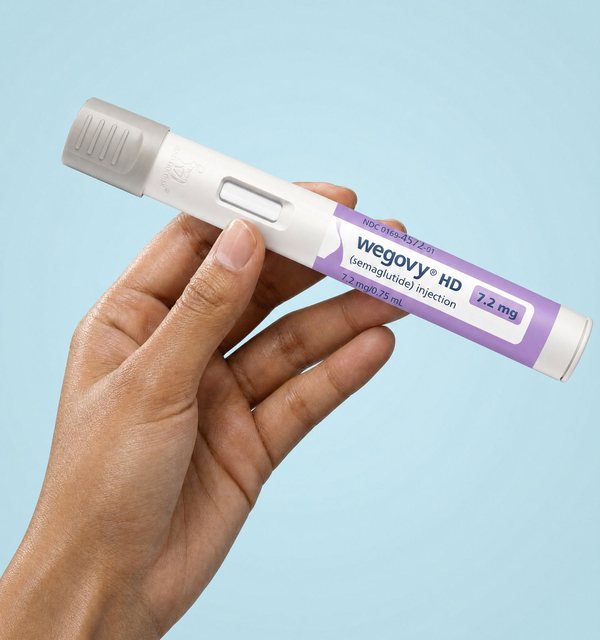
They share semaglutide as the active ingredient, but they have different approved uses and labeling. That distinction can change insurance coverage and documentation requirements. It also explains why Wegovy cost discussions may not predict what someone pays for Ozempic.
Plans may cover one product and exclude another. They may also require different prior authorization criteria. A clinician decides whether a product fits a person’s care plan; cost alone should not drive a medication switch.
How do Mounjaro and Zepbound fit into the discussion?
Mounjaro and Zepbound contain tirzepatide, a different incretin-based medicine. People often ask why Zepbound is so expensive for similar reasons: brand status, strong demand, plan restrictions, and limited direct competition. However, comparing these medicines requires clinical context, not only monthly cost.
For related reading, see Ozempic Alternatives. If you are trying to understand the difference between branded and non-branded semaglutide discussions, Generic Ozempic Explained provides additional context.
Safety and Side Effects Can Affect Total Cost
Safety issues can affect total cost because side effects may lead to follow-up visits, monitoring, missed doses, or treatment changes. Affordability is not only the pharmacy receipt. It can also include the cost of managing tolerability.
Commonly discussed Ozempic side effects include gastrointestinal symptoms such as nausea, vomiting, diarrhea, constipation, and abdominal pain. Some people report reduced appetite or fatigue. Serious risks and warnings should be reviewed with the official prescribing information and a qualified healthcare professional.
Seek medical help promptly for severe or persistent symptoms, signs of dehydration, severe abdominal pain, allergic reaction symptoms, or other concerning changes. This is especially important if symptoms are intense, worsening, or unusual for you.
Do not change a prescribed dose or stop a medication based only on cost discussions online. If affordability or side effects create a barrier, contact the prescribing clinician or plan administrator for safe next steps. The safest option depends on the person’s diagnosis, medical history, and coverage rules.
Why International Prices Can Look Lower
International prices can look lower because countries use different purchasing and reimbursement systems. Some governments negotiate prices directly, use reference pricing, or regulate markups differently than the United States.
When people search how much Ozempic costs in Europe or other countries, they often see numbers that are not directly comparable. Currency conversion, taxes, public coverage, private insurance, pharmacy fees, and dispensing rules all change the final amount. A lower posted figure does not always mean a patient in that country can access the medicine under the same conditions.
The U.S. system also includes more visible cost sharing for many patients. A person may be exposed to a deductible, coinsurance, or non-covered cash quote. In another country, the patient-facing amount may be separated from the government or payer negotiation process.
For people comparing access routes, the Weight Management Products collection can help identify related medication categories. Use it as navigation, not as a substitute for clinical guidance.
A Practical Cost Map Before You Call
The best way to answer why is ozempic so expensive for your situation is to build a simple cost map. This means gathering the same facts from your plan, prescriber, and pharmacy before comparing numbers.
- Write down the exact product and form on the prescription.
- Ask the plan whether the medicine is covered for your diagnosis.
- Confirm the drug tier and whether coinsurance applies.
- Check deductible status for the current benefit year.
- Ask whether prior authorization is required or already approved.
- Confirm which pharmacies are preferred or in-network.
- Request a same-day estimate using the same day-supply.
- Record the date, representative name, and reference number.
This approach does not guarantee a lower cost. It does reduce confusion. It also helps you identify whether the main issue is coverage, pharmacy network status, missing paperwork, or a true cash-pay barrier.
If you are exploring semaglutide access pathways, Semaglutide Access Online explains practical considerations in a neutral format.
Authoritative Sources
Official sources are useful because labeling, warnings, and approvals can change. They also help separate product-specific facts from social media claims.
- For product approvals and official drug records, search Drugs@FDA drug records.
- For Canadian product listings, use the Health Canada database.
- For safety reports and adverse event information, review FDA MedWatch reporting.
Bottom Line
High GLP-1 costs rarely come from one factor. Brand exclusivity, device manufacturing, demand, payer rebates, formularies, and pharmacy contracts all shape the final amount. That is why one receipt may not resemble another.
If you still wonder why is ozempic so expensive, start with your own coverage facts. Confirm the exact prescription, coverage criteria, deductible status, prior authorization requirement, and pharmacy network. Then compare estimates using the same day-supply and billing method.
This content is for informational purposes only and is not a substitute for professional medical advice.