
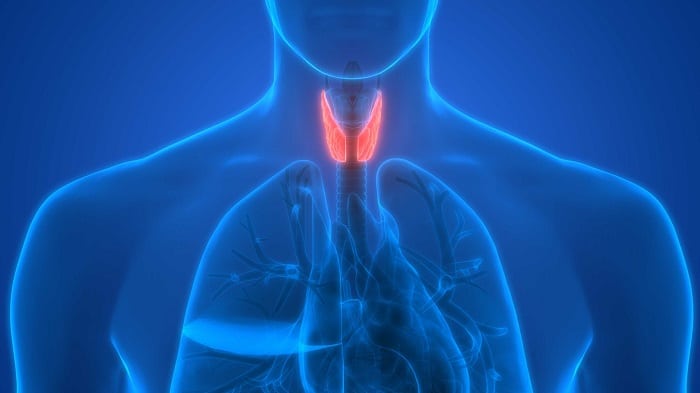
Metabolism depends on coordinated signals from the pancreas and thyroid. When either system changes, glucose control can shift quickly. This guide explains how the two interact, how medications alter risk, and what practical steps help day to day.
Key Takeaways
- Two-way effects: thyroid hormones influence insulin action, and glucose control affects thyroid markers.
- Medication changes: starting or stopping therapy can shift insulin needs and glycemic trends.
- Diet focus: consistent carbs, adequate protein, and cautious iodine/soy use support stability.
- Monitor closely: test glucose more often during thyroid treatment changes or acute illness.
The relationship between diabetes and thyroid has clinical and everyday consequences. Small changes in hormones may lead to measurable blood sugar shifts, especially during medication adjustments or acute thyroid disease.
Understanding Diabetes and Thyroid Interactions
Thyroid hormones (T3 and T4) regulate basal metabolic rate, hepatic glucose output, and lipid turnover. In hypothyroidism, reduced hormone levels can lower insulin clearance and slow gastric emptying, sometimes blunting post-meal glucose peaks. In hyperthyroidism, increased hepatic gluconeogenesis and faster gut transit may raise postprandial glucose and amplify variability.
Clinical patterns differ by diabetes type. Type 1 diabetes frequently coexists with autoimmune thyroid disease, affecting insulin sensitivity and hypoglycemia risk. Type 2 diabetes often pairs with subclinical hypothyroidism, where modest thyroid dysfunction may worsen dyslipidemia and insulin resistance. For a broader overview of clinical overlap and screening intervals, see Thyroid Disease And Diabetes, which summarizes common comorbid patterns.
For physiology context on thyroid disorders and metabolic effects, the NIDDK thyroid overview outlines core mechanisms and typical symptoms that can influence glucose regulation.
Autoimmunity, Insulin Resistance, and Blood Sugar Swings
Autoimmune clustering is common: type 1 diabetes, Hashimoto’s thyroiditis, and Graves’ disease may occur in the same person or family. These conditions can shift insulin needs through changing hormone levels and inflammation. In type 2 diabetes, low-grade inflammation and excess adiposity can compound subtle thyroid dysfunction, affecting energy expenditure and fasting glucose.
People may experience thyroid and blood sugar fluctuations when thyroid status changes from underactive to treated, or during hyperthyroid relapses. Symptoms such as fatigue, tremor, palpitations, constipation, or heat intolerance may accompany glycemic instability. For background on immune overlap and screening considerations, see our explainer on Autoimmune Disorders, which discusses how immune activity influences endocrine organs.
Medications and Metabolism: What Changes With Therapy
Thyroid replacement or suppression can alter insulin sensitivity and hepatic glucose production. Starting or titrating levothyroxine may lower TSH and increase metabolic rate, sometimes unmasking higher glucose after meals. Clinicians often caution that insulin or oral agent doses might need adjustment during these transitions. The interaction between levothyroxine and blood sugar is typically most noticeable in the first weeks of dose changes.
People with Graves’ disease treated with antithyroid drugs may see reduced hepatic glucose output as thyroid levels normalize. Beta-blockers used for symptom control can blunt early hypoglycemia signs. If you use insulin or incretin-based therapy, review potential overlaps. For brand-specific thyroid replacement information, see Synthroid to understand formulation details when considering consistency of dosing. For GLP-1 background relevant to type 2 diabetes management, see Semaglutide Uses and Dosage for context on mechanisms and clinical use.
When therapy changes, clinicians rely on symptom tracking and labs. The FDA prescribing information for levothyroxine notes potential effects on glycemic control, indicating that antidiabetic regimens may require adjustment during thyroid hormone titration.
Weight, Body Composition, and Energy Expenditure
Thyroid status influences resting energy expenditure, appetite, and lean mass. Hypothyroidism may promote fluid retention and modest weight gain, while treatment often reverses these trends. Hyperthyroidism can cause weight loss from elevated energy use and muscle catabolism. The hyperthyroidism weight loss rate varies widely and depends on severity, duration, and calorie intake.
After treating hyperthyroidism, some people gain weight as metabolism normalizes. Focusing on protein intake, resistance exercise, and consistent sleep can help preserve lean mass and maintain glycemic stability. If weight management is a priority in type 2 diabetes, review our guide on GLP-1 Weight Loss Drugs to understand expected changes and supportive lifestyle habits.
Diet Patterns That Support Both Conditions
Balanced meals help stabilize glucose while supporting thyroid health. Emphasize vegetables, lean proteins, whole grains, and omega-3 fats. Manage carbohydrate quality and distribution to smooth post-meal glucose. Ensure adequate iodine from food or iodized salt unless your clinician advises otherwise. Selenium (e.g., fish, eggs, Brazil nuts) supports thyroid enzyme function, though excess is unhelpful.
Consider thyroid foods to avoid in specific contexts. Large amounts of raw goitrogenic vegetables (e.g., uncooked crucifers) may slightly reduce iodine uptake, an effect that cooking largely blunts. Soy can interfere with levothyroxine absorption if taken together; separate doses by several hours. No fruit is universally banned, though very high-fiber fruit may modestly alter absorption when taken with thyroid pills. For more endocrine-focused reading, browse Endocrine Thyroid to see related nutrition and therapy topics.
Tip: Take levothyroxine on an empty stomach with water, then delay coffee, calcium, iron, and soy to improve consistent absorption.
Monitoring, Lab Tests, and Dose Adjustments
When thyroid therapy changes, expect temporary shifts in glycemia. Increase self-monitoring for one to two weeks after dose adjustments or new prescriptions. Continuous glucose monitoring can reveal post-meal spikes or nocturnal lows as the body adapts. If you use prandial insulin, small dose refinements may be needed based on trend data and clinical guidance. People often ask whether can thyroid medication affect blood sugar, and the short answer is yes, especially during early titration.
Coordinate lab timing: measure TSH and free T4 on schedule, and interpret A1C with awareness of thyroid-driven red cell turnover changes. If hypoglycemia risk is a concern, discuss carrying rescue therapy. For severe lows, see the Glucagon Injection Kit to understand preparedness during acute illness. For broader diabetes care topics and educational resources, explore our Diabetes articles for practical monitoring guidance.
For current targets and testing recommendations, the ADA Standards of Care provide evidence-based ranges and considerations that clinicians apply when individualizing therapy.
Practical Scenarios: Hypo-, Hyper-, and Mixed Presentations
Undertreated hypothyroidism can reduce insulin clearance and slow gastric emptying, sometimes promoting prolonged post-meal hyperglycemia. Conversely, hyperthyroidism may increase hepatic glucose output and create higher mealtime spikes. People with long-standing type 1 diabetes are particularly sensitive to these shifts. In rare cases, non diabetic hypoglycemia and hypothyroidism can coexist, often during severe illness or medication interactions, warranting careful evaluation.
Drug effects matter. Sulfonylureas raise hypoglycemia risk when thyroid function changes, especially during the transition from hyper- to euthyroid status. For a refresher on risks and cautions, see Tolbutamide Side Effects to understand mechanisms that increase lows. If mealtime spikes persist despite adjustments, rapid-acting insulin or incretin-based options may be considered with professional guidance, supported by glucose data and symptom logs.
Related Topics and Further Context
GLP-1 receptor agonists can support weight and glucose management in people with type 2 diabetes who also have mild thyroid dysfunction. For cardiometabolic context, read our review of Cardiovascular Benefits Of Ozempic In Diabetics to understand the broader risk profile. As treatment plans evolve, understanding drug mechanisms helps set expectations and guide monitoring.
When considering lifestyle adjustments and medication options together, maintaining a concise medication list and dosing schedule reduces variability. For formulation consistency and counseling considerations in thyroid replacement therapy, refer to Synthroid as an example of a fixed levothyroxine brand, especially when evaluating absorption differences across products.
Recap
Thyroid hormones and insulin signaling influence each other at multiple steps in metabolism. Medication changes, acute thyroid disease, and nutrition choices can shift daily glucose patterns. Track symptoms, review trend data, and coordinate labs when therapies change. Small, timely adjustments usually stabilize control.
Note: Separate levothyroxine from coffee, calcium, iron, and soy to improve absorption. Recheck glucose more often after thyroid dose changes to catch early swings.
This content is for informational purposes only and is not a substitute for professional medical advice.


