
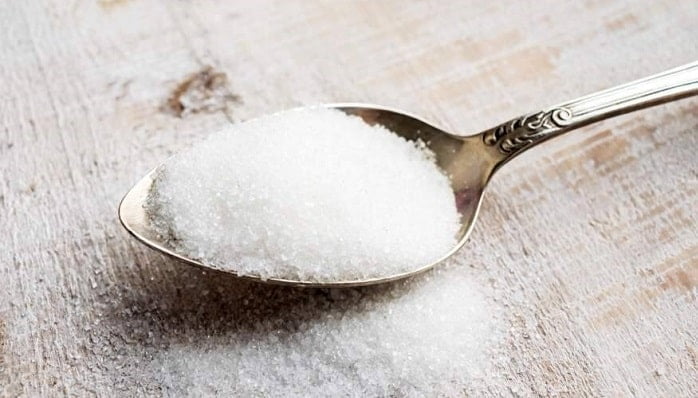
Sucralose usually does not raise blood sugar the way sugar does, and many short-term studies show little or no immediate insulin change when it is consumed alone. Still, sucralose and insulin research is not completely settled. Some studies report higher insulin responses, reduced insulin sensitivity, or poorer glucose handling in certain settings, especially when sucralose is paired with carbohydrates or used repeatedly.
The practical takeaway is contextual. Sucralose can reduce direct sugar intake, but it is not automatically metabolically neutral for every person, product, or eating pattern. This matters most if you have diabetes, prediabetes, insulin resistance, or frequent unexplained glucose swings.
Key Takeaways
- Sucralose is not sugar, so it does not provide the same direct glucose load.
- Many acute studies find little insulin effect when sucralose is consumed alone.
- Findings are less consistent with carbohydrate pairing, repeated use, or higher metabolic risk.
- Packet sweeteners and drinks may contain ingredients beyond sucralose.
- Safe use depends on your full diet pattern, glucose trends, and symptoms.
What Sucralose and Insulin Evidence Shows
The main evidence is mixed but not random. In many controlled human studies, sucralose by itself causes little immediate change in glucose or insulin. That is why it is classed as a nonnutritive sweetener, meaning it provides sweetness with very little or no usable carbohydrate in typical amounts.
Other research has found less reassuring results. Some trials report a stronger insulin response after sucralose exposure, while others suggest reduced insulin sensitivity after repeated intake. Insulin sensitivity means how well your body responds to insulin. Lower sensitivity can make it harder for glucose to move from the blood into cells.
These findings do not prove that sucralose harms everyone. They do show why the question needs more nuance than a simple yes or no. A single serving in coffee is not the same exposure as daily use in several sweetened products. A person with normal glucose regulation may also respond differently from someone with type 2 diabetes or insulin resistance.
If you are trying to understand this topic in the wider diabetes context, it helps to separate sweetener effects from carbohydrate intake. The related discussion on Diabetes and Sugar explains why sugar itself has a more predictable glucose effect.
Does sucralose spike insulin?
Sucralose may raise insulin in some study settings, but it does not consistently spike insulin in every person. Researchers have examined whether sweet taste can trigger a cephalic phase insulin response, which is an early insulin signal that can occur before nutrients are absorbed.
With sucralose, that response appears inconsistent. When it happens, it is usually smaller and less predictable than the insulin response to carbohydrate. This is one reason personal glucose readings, meal composition, and study design can seem to tell different stories.
Does sucralose raise blood sugar?
Sucralose usually does not raise blood sugar directly because it does not act like digestible sugar. However, blood sugar after a meal depends on the whole meal, not one ingredient. A sweetened drink taken with refined carbohydrates may produce a different glucose pattern than the same sweetener used alone.
People who use a continuous glucose monitor, or CGM, may notice that readings vary by time of day, sleep, stress, activity, and medication timing. A glucose unit converter can help when comparing readings listed in mg/dL and mmol/L, but it does not interpret whether a pattern is clinically important.
Blood Glucose Unit Converter
Convert glucose readings between mg/dL and mmol/L without changing the clinical value.
These calculations are for education only and do not replace clinical advice, diagnosis, or treatment. Always confirm medical decisions with a qualified healthcare professional.
Why Study Results Do Not Always Agree
Study results differ because researchers often test different exposures, populations, and outcomes. A headline about sucralose and insulin may describe one controlled condition, not everyday eating.
| Study Factor | Why It Changes Interpretation | Practical Meaning |
|---|---|---|
| Sucralose alone | Isolates the sweet taste signal | Often shows smaller short-term effects |
| Sucralose with carbohydrates | Tests sweetener plus glucose exposure | May show different insulin or tolerance effects |
| Single serving | Measures immediate response | May miss adaptation over time |
| Repeated use | Tests a more habitual pattern | May better reflect heavy daily intake |
| Healthy vs insulin-resistant participants | Baseline metabolism differs | Results may not apply equally to all readers |
Researchers also measure different endpoints. Insulin response is how much insulin the body releases after a stimulus. Glucose tolerance is how well the body handles a glucose load over time. Insulin sensitivity reflects how strongly cells respond to insulin. A study can show little immediate blood sugar change but still raise questions about insulin sensitivity.
Product form also matters. A tabletop packet, diet soda, protein bar, and powdered drink mix are not the same product. Some contain bulking agents, caffeine, acids, sugar alcohols, or other sweeteners. Those ingredients can affect tolerance, appetite, or digestion.
Why it matters: A study result may reflect the product, meal, and participant group, not sucralose alone.
Sucralose, Diabetes, and Insulin Resistance
For many people with diabetes, replacing sugar with sucralose can reduce immediate carbohydrate exposure. That can lower the direct glucose load compared with regular sugar. It does not automatically improve A1C, insulin resistance, weight, appetite, or overall diet quality.
The better question is often what sucralose replaces. Replacing several teaspoons of sugar in coffee is different from adding several highly sweetened foods each day. Swapping a sugar-sweetened beverage for a sugar-free one may reduce carbohydrates, but it does not cancel the rest of the meal.
If you are comparing sweeteners while managing diabetes, the basics of carbohydrate quality still matter. The article on Carbs and Diabetes explains how portions, fibre, and meal balance affect glucose patterns. For a deeper distinction between related metabolic terms, see Insulin Resistance vs Diabetes.
People using glucose-lowering medicines should be especially careful about interpreting isolated readings. Repeated highs, lows, or symptoms deserve review with a clinician or registered dietitian. This is particularly important during pregnancy, kidney disease, gastroparesis, eating disorder recovery, or medication-related hypoglycemia risk.
How Sucralose Compares With Sugar and Other Sweeteners
Sugar, sucralose, aspartame, stevia, and sugar alcohols are not interchangeable. They differ in carbohydrate content, taste, digestion, and tolerance. The best choice depends on the goal: reducing added sugar, improving beverage habits, limiting digestive symptoms, or simplifying glucose tracking.
- Sugar adds carbohydrates and usually raises blood glucose predictably.
- Sucralose adds sweetness without the same direct sugar load.
- Aspartame is another nonnutritive sweetener with a different evidence base.
- Sugar alcohols may affect glucose less than sugar but can cause gas or diarrhea.
- Unsweetened options avoid sweetener questions but may take time to prefer.
Some readers ask about Splenda and insulin. Splenda is commonly associated with sucralose, but the label still matters. Different products may contain different blends, bulking ingredients, or serving sizes. A brand name on the front of the package does not always tell you what was tested in a study.
For comparison with another common nonnutritive sweetener, see Aspartame and Diabetes. The same practical principle applies: read the full label, consider what the sweetener replaces, and watch your own glucose pattern if you track it.
Practical Ways to Use Sucralose More Safely
Safe use means looking at patterns, not fearing one ingredient. Sucralose may be reasonable for some people when it helps reduce added sugar. It may be less helpful if it keeps overall sweetness very high, triggers cravings, causes symptoms, or appears linked with less stable glucose readings.
Quick tip: Check the ingredient list, serving size, and total carbohydrates before judging a product.
- Start with the replacement: note whether it replaces sugar or simply adds sweetness.
- Check the full label: look for carbohydrates, sugar alcohols, caffeine, and other sweeteners.
- Watch the meal context: refined carbohydrates may matter more than the sweetener itself.
- Track patterns, not one reading: compare similar meals across several days when possible.
- Notice symptoms: bloating, nausea, headaches, or diarrhea may relate to the full product.
- Review major changes: ask a clinician or dietitian about persistent highs, lows, or symptoms.
If you want broader browsing by condition, the Diabetes Articles collection and Type 2 Diabetes Articles collection offer related educational reading. The Diabetes Hub and Type 2 Diabetes Hub are browseable condition pages, not substitutes for personal care advice.
Bottom Line on Sucralose and Insulin
The most balanced conclusion is that sucralose does not behave like sugar, but its metabolic effects are not identical for every setting. Many short-term studies show little effect when it is used alone. Other research raises questions about insulin response, insulin sensitivity, or glucose tolerance when sucralose is combined with carbohydrates, used repeatedly, or studied in people with different metabolic risk.
For most readers, the safest framework is practical. Know the product, understand what it replaces, and interpret any glucose readings in context. If your readings or symptoms change after a major sweetener shift, bring that pattern to a qualified health professional.
Authoritative Sources
- FDA overview of permitted sweeteners: Aspartame and Other Sweeteners in Food
- Controlled trial on sucralose with carbohydrate: Short-Term Consumption of Sucralose With, but Not Without, Carbohydrate
- Diabetes nutrition standards: American Diabetes Association Standards of Care
This content is for informational purposes only and is not a substitute for professional medical advice.