

The effects of type 2 diabetes come mainly from long-term high blood sugar, insulin resistance, and related blood vessel damage. Over time, these changes can affect the heart, kidneys, eyes, nerves, feet, skin, sexual health, and day-to-day energy. The risks are serious, but they are not fixed. Screening, glucose management, blood pressure control, and timely treatment can lower the chance of complications.
Key Takeaways
- Damage builds slowly, often before symptoms feel obvious.
- Heart, kidney, eye, nerve, and foot problems are major concerns.
- Early warning signs include thirst, urination, fatigue, blurry vision, infections, and slow healing.
- Regular A1C, kidney, eye, and foot checks help catch problems earlier.
- Modern care often targets organ protection, not glucose alone.
How Type 2 Diabetes Affects the Body
Type 2 diabetes affects the body by keeping glucose in the bloodstream higher than normal for too long. Insulin resistance means muscle, fat, and liver cells do not respond well to insulin. The pancreas may make extra insulin at first, but over time it may not keep up with demand.
Why this matters: glucose is useful fuel inside cells, but excess glucose in blood can injure vessels and nerves. Large blood vessels can stiffen or narrow, increasing cardiovascular risk. Small blood vessels in the retina, kidneys, and nerves can also deteriorate. This is why the effects of type 2 diabetes can appear in many body systems rather than one isolated organ.
Many complications are grouped into three broad categories. Macrovascular complications involve larger arteries and include heart attack, stroke, and peripheral artery disease. Microvascular complications affect small vessels and include retinopathy (eye vessel disease), nephropathy (kidney damage), and some nerve-related problems. Neuropathy means nerve damage, often felt as tingling, burning, pain, or numbness.
People often ask, “Is type 2 diabetes dangerous?” It can be, especially when blood sugar, blood pressure, cholesterol, smoking, or kidney disease are not addressed. However, risk changes with consistent care. For a broader condition overview, the Type 2 Diabetes collection can help you continue reading about monitoring, treatment classes, and daily management.
Early Symptoms and Subtle Warning Signs
Type 2 diabetes symptoms can be mild at first, which is one reason diagnosis may be delayed. Common signs include increased thirst, frequent urination, unusual hunger, fatigue, blurry vision, dry mouth, slow-healing cuts, and recurring infections. Some people also notice unexplained weight changes.
Symptoms happen because excess glucose pulls fluid into the urine and leaves cells without steady usable energy. Blurry vision may occur when glucose shifts fluid balance in the eye. Slow healing and frequent infections can reflect changes in circulation, immune response, and tissue repair.
Uncontrolled type 2 diabetes symptoms may be more intense. Severe thirst, dehydration, vomiting, confusion, weakness, or deep fatigue need prompt medical assessment. Very high blood sugar can sometimes lead to hyperosmolar hyperglycemic state, a medical emergency involving severe dehydration and altered mental status.
Symptoms can present differently from person to person. Type 2 diabetes symptoms in men may include erectile dysfunction or reduced sexual performance, often linked to nerve or blood vessel changes. Type 2 diabetes symptoms women may include recurrent yeast infections or urinary tract infections. These symptoms can have many causes, so testing matters.
A type 2 diabetes test usually involves blood work. Clinicians may use A1C, fasting plasma glucose, or an oral glucose tolerance test depending on the situation. A1C reflects average blood sugar over about three months, while home meters and continuous glucose monitors show day-to-day patterns.
This calculator can help convert A1C and estimated average glucose for discussion with your care team. It does not diagnose diabetes or replace clinical guidance.
HbA1c & eAG Calculator
Convert between HbA1c percentage and estimated average glucose using the ADAG relationship.
These calculations are for education only and do not replace clinical advice, diagnosis, or treatment. Always confirm medical decisions with a qualified healthcare professional.
Short-Term Effects That Need Attention
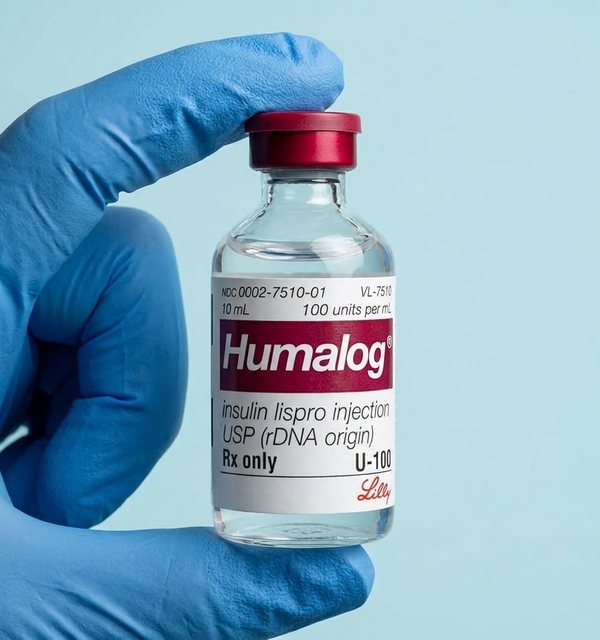
Short-term effects often involve blood sugar moving too high or too low. High blood sugar can cause thirst, urination, fatigue, headache, blurry vision, and dehydration. Low blood sugar, called hypoglycemia, is more likely in people using insulin or medicines that increase insulin release.
Hypoglycemia may cause sweating, shaking, hunger, anxiety, dizziness, confusion, or rapid heartbeat. Severe low blood sugar can cause fainting or seizures. People at risk should ask their clinician how to recognize and treat lows, especially before driving, exercise, alcohol use, or meal changes.
Infections can also become more common in the short term. Skin infections, fungal infections, gum problems, and urinary infections may occur more often when glucose remains elevated. For a closer look at skin-related warning signs, see Diabetes and Fungal Infections.
Quick tip: Keep a written pattern log when symptoms appear after meals, exercise, or medication changes.
Long-Term Complications and Daily Life
The long-term effects of type 2 diabetes often develop over years, but they can shape daily life much earlier. People may need more appointments, lab checks, medication reviews, meal planning, foot care, and attention to energy levels. The goal is not perfection. The goal is reducing avoidable risk while maintaining a workable routine.
Heart and blood vessel disease
Cardiovascular disease is one of the most important type 2 diabetes complications. High glucose, high blood pressure, abnormal cholesterol, inflammation, and smoking can all strain artery walls. This can raise the risk of heart attack, stroke, heart failure, and poor circulation in the legs.
Leg pain with walking, chest pressure, shortness of breath, sudden weakness, or speech changes need urgent care. For more context on vascular risk pathways, read Diabetes Heart Connection.
Kidney disease
The kidneys filter blood through tiny vessels. Diabetes can damage these filters, allowing albumin, a blood protein, to leak into urine. Early kidney disease may not cause symptoms. This is why urine albumin-creatinine ratio and estimated glomerular filtration rate, or eGFR, are commonly used to monitor kidney health.
Kidney risk matters because declining filtration can affect blood pressure, medication choices, fluid balance, and cardiovascular risk. People with known kidney disease should ask their clinician before making major diet changes, especially changes to protein, potassium, sodium, or fluid intake.
Eyes, nerves, and feet
Diabetic retinopathy can harm vision when small retinal vessels swell, leak, or grow abnormally. Early stages may be silent. Regular dilated eye exams or retinal imaging help detect changes before vision loss occurs.
Nerve damage often starts in the feet. Tingling, numbness, burning pain, or loss of protective sensation can make injuries harder to notice. Reduced circulation can also slow healing. A small blister or cut may become serious if it is ignored. For practical warning signs, see Diabetic Foot Ulcers.
Daily foot checks, properly fitting shoes, and prompt evaluation of wounds are simple but important habits. Report new numbness, open sores, spreading redness, drainage, fever, or blackened skin promptly.
Mood, sleep, and quality of life
Type 2 diabetes can affect mental health and daily confidence. Glucose swings, appointment burden, food decisions, cost concerns, and fear of complications can increase stress. Stress and poor sleep can also make glucose patterns harder to manage.
Depression, anxiety, diabetes distress, and disordered eating deserve attention. Support from a clinician, diabetes educator, registered dietitian, or mental health professional can be part of diabetes care, not a separate issue.
What Causes Type 2 Diabetes and Why Risk Builds
What causes type 2 diabetes is usually a mix of genetics, insulin resistance, beta-cell strain, age, body fat distribution, sleep, activity level, and other health conditions. Family history can raise risk. So can a history of gestational diabetes, polycystic ovary syndrome, fatty liver disease, high blood pressure, or certain medication exposures.
Visceral fat, the fat stored around abdominal organs, is strongly linked with insulin resistance. Inactivity can reduce glucose use by muscle. Poor sleep and untreated sleep apnea may worsen insulin resistance and appetite regulation. These factors do not mean someone caused their condition. They explain why risk can build gradually.
The same mechanisms also explain why treatment for type 2 diabetes often goes beyond lowering glucose. Blood pressure, cholesterol, kidney function, weight, smoking status, sleep, and physical activity all influence complication risk. A person may have a reasonable A1C and still need cardiovascular or kidney risk management.
Treatment and Organ Protection
Treatment for type 2 diabetes is individualized. Many care plans combine nutrition changes, physical activity, weight management when appropriate, glucose monitoring, and medication. The right plan depends on A1C, symptoms, kidney function, heart history, hypoglycemia risk, preferences, cost, and other conditions.
Metformin is commonly used as an early medication when appropriate. It helps improve insulin sensitivity and reduce glucose production by the liver. Readers comparing medication classes can review Metformin as one example of a product page, while discussing suitability with a licensed clinician.
Other medication classes may be considered when glucose remains above target or when heart, kidney, or weight-related decision factors matter. SGLT2 inhibitors help the kidneys remove glucose through urine and may be used in selected patients for heart or kidney considerations. Examples in this class include Jardiance and Farxiga. Product pages should be used for factual context, not self-selection.
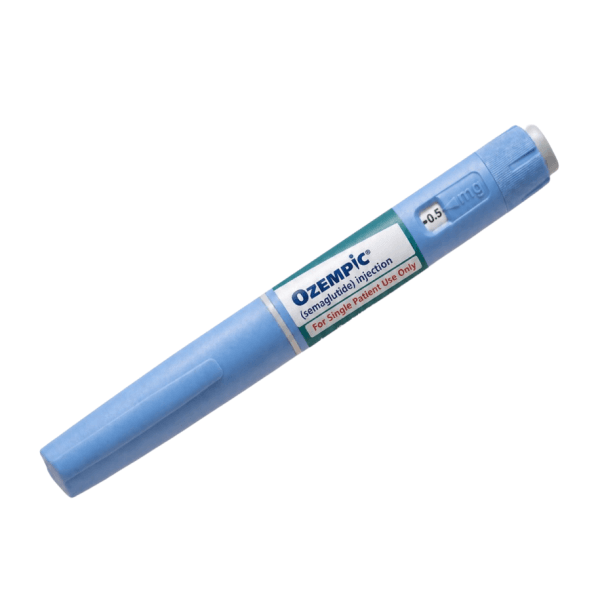
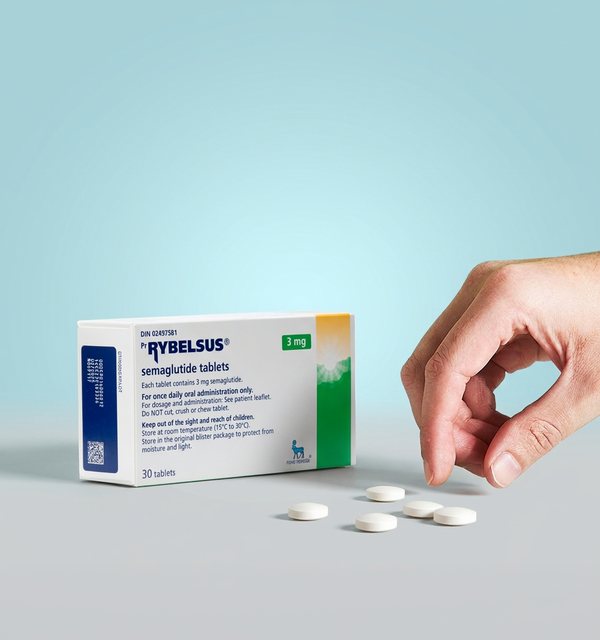
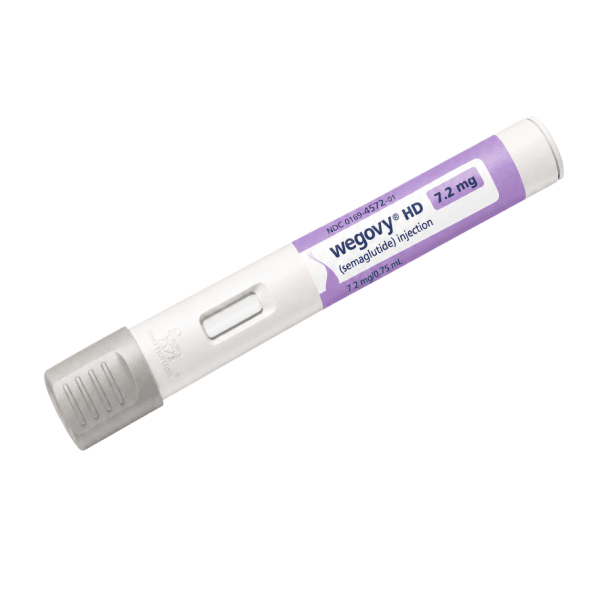
GLP-1 receptor agonists may help with glucose control and appetite regulation in appropriate patients. Ozempic is one example from this class. In adults with type 2 diabetes and chronic kidney disease, clinicians may also consider medicines aimed at kidney and heart risk reduction, such as Kerendia, when indicated.
CanadianInsulin.com is a prescription referral platform, and medication access may require prescription confirmation with the prescriber. Dispensing and fulfilment are handled by licensed third-party pharmacies where permitted. This service context does not replace clinical decisions about whether a medicine fits your health profile.
Never stop, start, or adjust diabetes medication without professional guidance. This is especially important if you have repeated lows, pregnancy, kidney disease, liver disease, severe gastrointestinal symptoms, planned surgery, or major diet changes.
Prevention, Remission, and Practical Risk Reduction
How to prevent type 2 diabetes depends on current risk. For people at high risk, weight reduction when appropriate, regular physical activity, sleep support, and a balanced eating pattern can lower the chance of progression. For people already diagnosed, the same habits can reduce complications and sometimes support remission.
Can type 2 diabetes be cured? Clinicians usually avoid the word cure. Some people reach remission, meaning glucose levels stay below the diabetes range without glucose-lowering medication for a period of time. Remission still needs monitoring because diabetes can return, and past exposure to high glucose may still influence risk.
Food choices do not need to be extreme. A practical pattern often includes high-fiber vegetables, beans or lentils if tolerated, lean proteins, unsaturated fats, and minimally processed carbohydrates in planned portions. People using insulin or insulin-releasing medicines should discuss carbohydrate changes with their clinician because sudden reductions can increase hypoglycemia risk.
Many readers ask what foods people with diabetes should avoid. It is better to focus on portions, frequency, labels, and glucose response rather than banning entire foods. Sugary drinks, large refined-carbohydrate portions, and highly processed snacks can raise glucose quickly. A registered dietitian can help personalize carbohydrate targets, especially with kidney disease, gastroparesis, pregnancy, eating disorder history, or recurrent lows.
Why it matters: Small repeatable habits often reduce risk more than short bursts of strict restriction.
- Schedule labs: ask about A1C, lipids, kidney tests, and urine albumin.
- Check feet: look for cuts, blisters, swelling, or color changes.
- Protect eyes: keep recommended retinal screening appointments.
- Move regularly: combine aerobic activity and resistance training when safe.
- Review medicines: discuss lows, side effects, missed doses, and barriers.
- Stop smoking: ask about support if tobacco is part of your routine.
For broader reading across diabetes topics, the Diabetes article collection can help you find related educational pages. If you want to browse condition-linked product categories rather than educational articles, the Type 2 Diabetes Condition hub lists relevant options in one place.
When to Seek Medical Care
Seek urgent medical care for chest pain, severe shortness of breath, fainting, stroke-like symptoms, confusion, severe dehydration, persistent vomiting, sudden vision loss, or signs of a serious foot infection. These symptoms can point to emergencies that need immediate evaluation.
Contact your care team soon for repeated high readings, frequent lows, new numbness, burning foot pain, slow-healing wounds, recurrent infections, or medication side effects. You should also ask for review if your routine becomes hard to maintain. Practical barriers matter because long-term diabetes care depends on plans people can actually follow.
Routine visits are still important when you feel well. Many complications begin silently. Eye exams, kidney testing, foot checks, blood pressure measurement, and cholesterol review help detect risk before symptoms become obvious.
Authoritative Sources
For a current public health overview, see the CDC page on type 2 diabetes.
For symptom and complication basics, review the American Diabetes Association warning signs resource.
For patient-focused complication information, the NHS type 2 diabetes complications page outlines major organ risks.
Recap
The effects of type 2 diabetes can involve the heart, kidneys, eyes, nerves, feet, skin, mood, and daily energy. Risk rises when high glucose persists, but glucose is only one part of the picture. Blood pressure, cholesterol, kidney monitoring, foot care, eye screening, sleep, activity, and medication fit all matter.
Work with your care team to interpret symptoms, lab results, and treatment options in context. Early adjustments can prevent small problems from becoming harder to treat.
This content is for informational purposes only and is not a substitute for professional medical advice.