
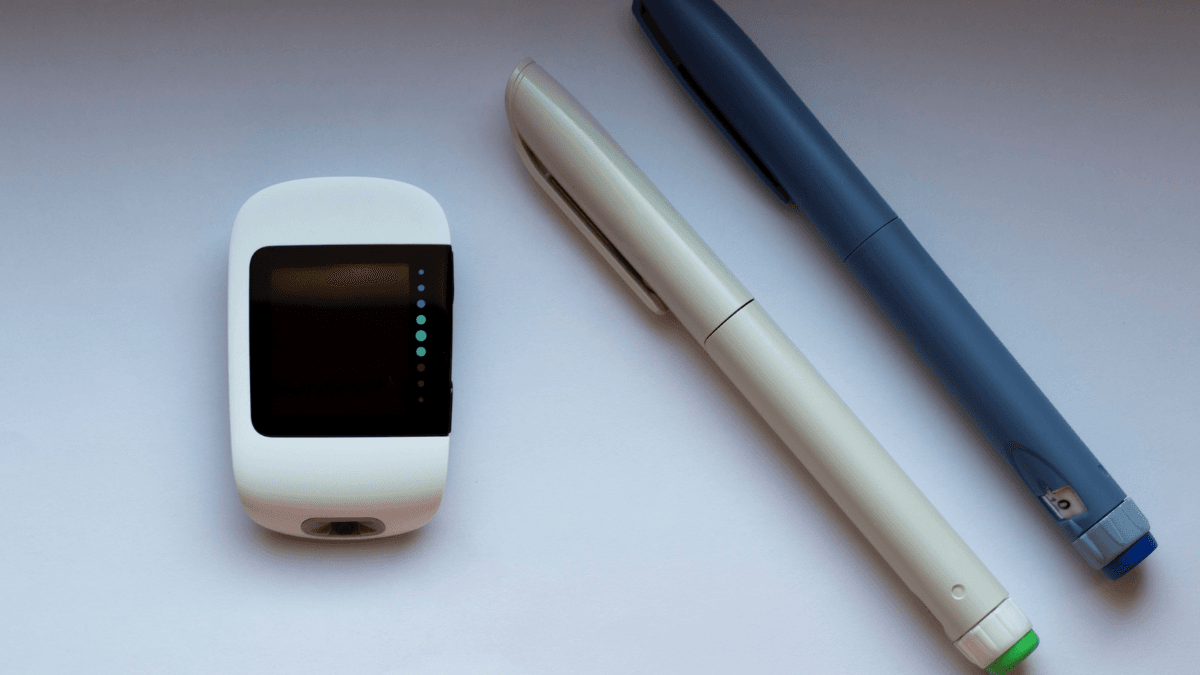
Many adults compare toujeo vs levemir when choosing a basal insulin. This guide explains how these long-acting options differ in action, dosing, and switching. It summarizes label-based facts in clear language. Use it to frame conversations with your healthcare team.
Key Takeaways
- Formulation differences drive duration, variability, and dose frequency.
- Start low, titrate gradually, and monitor fasting patterns closely.
- Switching basal insulins needs a plan and follow-up checks.
- Use calculators and charts as guides, not one-size-fits-all rules.
- Weight and hypoglycemia risks vary by patient and context.
Basal Insulin Basics and Formulations
Toujeo is insulin glargine U-300, a concentrated basal insulin. Levemir is insulin detemir, a long-acting basal with albumin binding. Both aim to cover background glucose needs between meals and overnight. Their profiles differ because of formulation and how they distribute in the body.
Labels describe prolonged activity with steady absorption, but not identical curves. Detemir may require once- or twice-daily dosing depending on response. Glargine U-300 often delivers a flatter, longer profile. For mechanism context and formulation differences, see What Is Toujeo Insulin for a concise overview.
Manufacturer prescribing information remains the authoritative source for safety and administration. For neutral, label-level details, review Toujeo prescribing information and Levemir prescribing information. These documents outline indications, warnings, and dose adjustments.
Toujeo vs Levemir: Pharmacology and Duration
Insulin glargine U-300 forms a compact subcutaneous depot that releases slowly. This higher concentration spreads less, which can produce a more stable curve. The result may be a longer apparent duration and a smoother overnight effect. Day-to-day variability can also differ from U-100 glargine and detemir.
Insulin detemir binds to albumin, extending its half-life. That mechanism can yield a shorter duration in some individuals, especially at lower doses. Clinicians may split doses when coverage wanes early. Individual response, injection site, and daily routine still shape observed duration.
Across products, hypoglycemia risk remains a central safety concern. Label guidance stresses careful titration and monitoring. For a broader landscape perspective, see the Insulin Landscape Guide for classification context.
Dosing and Titration Basics
Dose requirements vary by body mass, insulin sensitivity, diet, and activity. Many adults titrate gradually toward fasting targets, guided by patterns over several days. Any adjustments should be deliberate and spaced out to assess effect. Your prescriber’s plan should lead each change.
When discussing a toujeo daily dose, focus on patterns rather than isolated readings. Note bedtime and pre-breakfast values over several days. Consider factors like late meals, alcohol, and unplanned activity. For stepwise titration details, see Toujeo Dosage Guide for practical adjustment frameworks.
Tip: Keep a simple log that pairs dose with fasting values. This supports safe, incremental decisions.
Conversions and Switching Considerations
Switching basal insulins requires a clear plan and close follow-up. Pharmacology and concentration differ, so responses can shift. Some protocols reduce dose on the day of change, then retitrate. Others favor a one-to-one approach when profiles are similar.
When discussing levemir to lantus conversion 1:1, use it as a conversational starting point rather than a rule. Monitor fasting values over several days after any switch. Arrange early follow-up to catch trends. For product-by-product differences, see Levemir Vs Lantus for practical comparison points.
Professional bodies encourage individualized adjustments based on glucose monitoring. For general practice principles, review the American Diabetes Association Standards of Care for insulin management context.
Tools and Calculators
Digital aids can help estimate starting points and compare options. An insulin conversion calculator is useful for modeling possibilities before a supervised switch. Treat outputs as estimates. Always verify against your prescriber’s instructions and the product label.
Device choice also affects accuracy and day-to-day convenience. If you use Penfill cartridges, delivery technique matters. For device tips and maintenance, see Insulin Cartridges Guide to understand compatibility and handling. For reusable pen technique nuance, see Novopen 4 For Diabetes for dosing precision considerations.
Practical Dosing Scenarios
Real-world titration often follows a simple, repeatable pattern. Adults usually adjust in small steps, wait to reassess, and avoid changes after a single outlier. Focus on consistent fasting checks and major trends. Bring a written log to each appointment.
Many clinicians reference a toujeo dosage chart when organizing incremental changes. These charts structure small increases or decreases tied to fasting ranges. They also remind users to delay adjustments after an unusual day. For change frequency principles, see Adjust Insulin Dose for timing guardrails and monitoring cadence.
Meal Timing and Administration
Basal insulin aims to cover background needs, not meals. Most adults take it at a consistent daily time, independent of food. If your routine varies, alarms and simple checklists help. Consistency reduces missed doses and overlapping peaks.
Questions often arise about toujeo before or after meals. Because this is background insulin, alignment with meals is usually less critical than timing consistency. However, your prescriber may tailor timing to your schedule. For device format details, see the Toujeo Doublestar Pen page, which explains presentation and delivery features.
Weight and Safety Considerations
Insulin can promote weight gain by improving caloric utilization, but effects vary. Diet quality, activity, and total daily insulin often drive changes more than product choice. Some studies note small differences among basal options, yet patient factors dominate outcomes. Monitor weight trends alongside glucose patterns when adjusting doses.
Comparisons like toujeo vs lantus weight gain appear in headlines. The absolute differences are usually modest and inconsistent across studies. Focus on lifestyle measures and careful titration to limit unnecessary increases. For adverse effect specifics, see Toujeo Side Effects and Levemir Side Effects for monitoring cues and mitigation tips.
Label warnings also cover hypoglycemia, injection-site reactions, and interactions. For concise summaries, refer again to Toujeo prescribing information and Levemir prescribing information for current safety language.
Related Options and Interchangeability
Several basal insulins exist beyond glargine U-300 and detemir. Formulations differ in concentration, curve, and device. These differences shape switching plans and follow-up cadence. Always confirm details against the exact product you use.
People often ask, are lantus and toujeo interchangeable. Though both contain glargine, concentrations and pens differ. Labels and many protocols treat them as related but not identical. For alternatives and comparisons within glargine products, see Difference Between Basaglar Vs Lantus for biosimilar context and substitution notes.
Other long-acting options may fit certain routines. Some prefer ultra-long profiles, while others value flexible timing. To explore delivery options and supplies, see Lantus Cartridges for U-100 formats and Tresiba Flextouch Pens for device differences that may affect adherence.
Common Questions and Misconceptions
Basal insulin is not a GLP-1 receptor agonist. GLP-1s include agents like semaglutide that augment insulin secretion and reduce appetite. Basal insulins replace or supplement background insulin to stabilize glucose. Mixing the categories can cause confusion about expectations and timing.
Some adults wonder about product availability and continuity. Regional supply changes can affect detemir access at times. If your insulin is discontinued or out of stock, contact your prescriber promptly. They can recommend an alternative and design a safe transition plan.
Recap
Toujeo and Levemir are long-acting insulins with different formulations and curves. Concentration and albumin binding drive much of their behavior. Dosing and switching work best when changes are small and monitored. Use calculators and charts as guides, and confirm plans with your clinician.
Note: Basal products differ in pens, concentrations, and labels. Always match guidance to the exact insulin in your hands.
This content is for informational purposes only and is not a substitute for professional medical advice.


