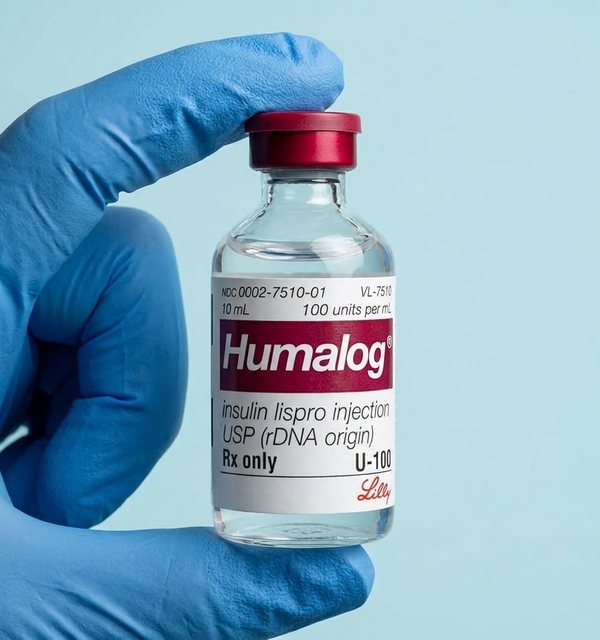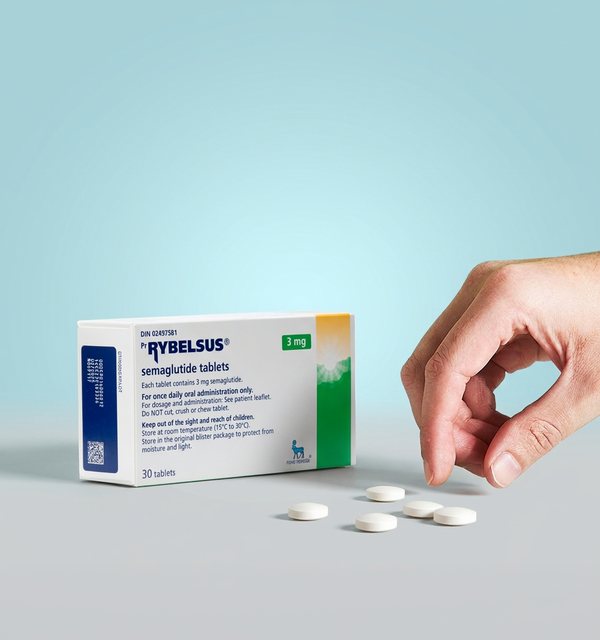

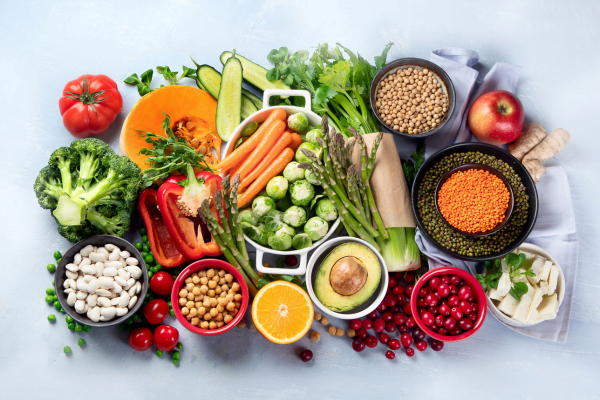
A plant based diet for diabetes can be a safe, practical eating pattern when it emphasizes high-fiber whole foods, adequate protein, and consistent carbohydrate planning. It does not automatically mean very low carb, and it should not replace insulin or prescribed medicines. The main goal is steadier blood glucose, heart-healthier food choices, and a plan you can repeat without feeling restricted.
Key Takeaways
- Plant-based eating can fit diabetes care when meals include fiber, protein, and planned carbohydrates.
- Food quality matters. Whole grains, legumes, vegetables, nuts, and seeds differ from refined vegan snacks.
- People using insulin or glucose-lowering medicines may need closer glucose monitoring during diet changes.
- Type 1 diabetes still requires insulin. A plant-based pattern can support nutrition, not replace treatment.
- A registered dietitian can help tailor carbohydrate targets, protein needs, and cultural food preferences.
Plant Based Diet for Diabetes Basics
A plant-based eating pattern puts plant foods at the center of most meals. It may be fully vegan, mostly vegetarian, or plant-forward with small amounts of animal foods. For diabetes, the key issue is not the label. The key issue is how the meal affects blood glucose, fullness, heart health, and long-term consistency.
A plant based diet for diabetes should not be built around sweet drinks, refined grains, fried foods, or highly processed meat substitutes. Those foods may be plant-derived, but they can still be high in rapidly absorbed carbohydrates, saturated fat, sodium, or calories. A stronger pattern uses beans, lentils, tofu, tempeh, vegetables, fruit in sensible portions, whole grains, nuts, seeds, and unsaturated oils.
This distinction matters because diabetes nutrition is about patterns, not one perfect food. People with type 2 diabetes often focus on insulin resistance, weight, blood pressure, and cholesterol. People with type 1 diabetes focus heavily on matching insulin to carbohydrate intake and preventing highs and lows. Both groups can use plant-based meals, but the planning details differ. For broader condition background, you can browse the Diabetes Articles hub.
Why it matters: A diet can be plant-based and still be poorly matched to diabetes goals.
How Plant-Based Meals Affect Blood Sugar
Plant-based meals affect blood sugar mainly through carbohydrate amount, carbohydrate type, fiber, protein, and meal timing. Beans, oats, fruit, milk alternatives, rice, potatoes, and bread all contain carbohydrates. Some raise glucose more quickly than others, and portions still matter.
Fiber slows digestion and can improve fullness. Legumes, vegetables, berries, nuts, seeds, and intact whole grains usually provide more fiber than white bread, juice, sweetened cereals, or refined snack foods. Protein also helps make meals more satisfying. Vegan protein sources include tofu, tempeh, edamame, lentils, chickpeas, seitan, nuts, seeds, and unsweetened protein-rich soy foods.
Fat can also change glucose patterns. A high-fat meal may delay stomach emptying, which can cause a later glucose rise in some people. This is one reason pizza, fried foods, creamy sauces, and rich desserts can be hard to predict, even when the carbohydrate count seems known.
If you use food labels, the calculator below can convert total carbohydrate into a rough carb-serving count. It is a math aid, not a personalized carbohydrate target or medical recommendation.
Carb Serving Calculator
Convert total carbohydrate grams into carb choices for meal planning and diabetes education.
These calculations are for education only and do not replace clinical advice, diagnosis, or treatment. Always confirm medical decisions with a qualified healthcare professional.
People who track glucose may notice different responses to the same food on different days. Sleep, stress, exercise, illness, menstrual cycles, alcohol, and medication timing can all affect readings. If insulin resistance is a major concern, the article on Improving Insulin Sensitivity explains related lifestyle factors in more detail.
Foods to Build Around, Limit, and Question
The most useful plant foods for diabetes tend to be minimally processed and high in fiber or protein. They do not need to be expensive or unusual. Many traditional foods already fit this pattern when portions and cooking methods are adjusted.
Build meals around these foods
- Non-starchy vegetables: leafy greens, peppers, broccoli, cauliflower, zucchini, cabbage, mushrooms, and okra.
- Legumes: lentils, beans, chickpeas, split peas, edamame, and dals in measured portions.
- Plant proteins: tofu, tempeh, unsweetened soy yogurt, seitan, nuts, seeds, and nut butters.
- Whole grains: oats, barley, quinoa, brown rice, whole wheat roti, and intact grain breads.
- Fruit portions: berries, apples, oranges, pears, kiwi, and other whole fruits instead of juice.
Use caution with these foods
- Sweet drinks: soda, sweet tea, juice, smoothies with added sugar, and sweetened coffee drinks.
- Refined starches: white bread, pastries, white rice in large portions, crackers, and sugary cereals.
- Processed vegan foods: some meat substitutes, frozen meals, desserts, and snack bars.
- Fried foods: chips, fries, pakoras, fried tofu, and battered vegetables.
- Large portions: even nutritious grains, fruit, and legumes can raise glucose when portions grow.
There are no five universal superfoods for diabetes. Oats, beans, leafy greens, nuts, and berries are often useful examples, but they are not magic. A food that works well for one person may raise glucose more for another. The more reliable approach is to test portions, pair carbohydrates with protein, and review patterns over time.
Some people compare plant-based eating with low-carbohydrate diets. These approaches can overlap if meals use tofu, tempeh, nuts, seeds, non-starchy vegetables, and smaller portions of legumes or grains. If you are comparing approaches, the Keto Diet And Diabetes article explains why very low carbohydrate plans need careful clinical oversight, especially with diabetes medicines.
A Practical Menu Pattern for Everyday Meals
A practical plant-based diabetes menu starts with a repeatable plate pattern. Aim for a visible protein source, a high-fiber carbohydrate portion when included, non-starchy vegetables, and a small amount of healthy fat. This structure works better than memorizing long lists of allowed and forbidden foods.
Breakfast ideas
- Tofu scramble with vegetables and one small whole grain toast.
- Unsweetened soy yogurt with berries, chia seeds, and nuts.
- Steel-cut oats with ground flaxseed, cinnamon, and a measured fruit portion.
- Besan chilla with vegetables and plain unsweetened yogurt or soy yogurt.
- Avocado and hummus on high-fiber toast with sliced tomatoes.
Lunch and dinner ideas
- Lentil soup with a large salad and olive oil vinaigrette.
- Tofu stir-fry with non-starchy vegetables and a small brown rice portion.
- Chickpea and vegetable curry with cauliflower, greens, and measured roti or rice.
- Bean chili with avocado, salsa, and a side of roasted vegetables.
- Tempeh bowl with greens, cucumber, seeds, and quinoa in a planned portion.
Snacks are optional, not required. If you use them, choose combinations that include protein or fat. Examples include apple slices with peanut butter, roasted chickpeas, edamame, hummus with vegetables, or a small handful of nuts. Vegan diabetic snacks should still be checked for added sugar, refined starch, and portion size.
An Indian vegetarian diet for diabetes type 2 can fit this pattern with careful portions. Dal, chana, rajma, tofu, vegetables, curd, roti, and rice can all be part of meals. The challenge is often the total carbohydrate load when rice, roti, potato, sweets, and sweetened tea appear together. Adjusting portions and adding protein can make the pattern easier to manage.
If you use a plant-based diet for diabetes PDF or printable menu, treat it as a template. It cannot know your medicines, glucose patterns, kidney function, food budget, religion, culture, or cooking skills. A registered dietitian can turn a generic meal plan into something safer and more realistic.
Safety Details for Medicines, Type 1 Diabetes, and Special Situations
The safest plant based diet for diabetes is coordinated with your diabetes care plan. This is especially important if you use insulin, sulfonylureas, or other medicines that can contribute to hypoglycemia, which means low blood glucose. A sudden drop in carbohydrate intake, smaller meals, more exercise, or weight loss may change glucose patterns.
Do not stop or reduce prescribed diabetes medicines on your own. Instead, ask your clinician how often to monitor glucose during nutrition changes and what readings should prompt contact. Seek urgent care for severe low blood glucose, confusion, fainting, persistent vomiting, signs of dehydration, chest pain, or symptoms of diabetic ketoacidosis such as nausea, abdominal pain, deep breathing, fruity-smelling breath, or extreme fatigue.
People with type 1 diabetes need insulin even when eating very healthfully. Plant-based eating may change carbohydrate patterns, digestion speed, and insulin timing needs. Anyone with type 1 diabetes should make major diet changes with a diabetes clinician, especially if using an insulin pump, continuous glucose monitor, or intensive insulin plan.
Kidney disease also changes nutrition decisions. Some plant foods are high in potassium, phosphorus, or total carbohydrate. Protein targets may differ depending on kidney function, dialysis status, age, and other conditions. Pregnancy, gastroparesis, eating disorder history, food insecurity, and repeated high or low glucose readings are also strong reasons to seek individualized support.
Strict vegan diets need attention to vitamin B12. Depending on food choices, vitamin D, calcium, iodine, iron, zinc, and omega-3 fats may also need review. Fortified foods and supplements can help, but the right choice depends on labs, diet pattern, and medical history.
Searches about diabetes sometimes mention traditional Chinese medicine or herbal products. Diabetes care in Chinese communities is not one single practice. Many people use standard medicines, glucose monitoring, and meal planning, while some also use herbs or traditional products. Herbal products can vary in strength and may interact with diabetes medicines, blood pressure medicines, blood thinners, or kidney and liver conditions. Bring product labels to a clinician or pharmacist before using them.
Can a Plant-Based Diet Reverse Diabetes?
A plant-based diet can help some people with type 2 diabetes improve glucose levels, body weight, cholesterol, and blood pressure, but it should not be described as a guaranteed cure. Some people with type 2 diabetes reach remission, which usually means glucose levels are below the diabetes range without glucose-lowering medicines for a sustained period. Remission is not the same as permanent reversal.
Type 2 diabetes can return after weight regain, illness, aging, medication changes, or reduced physical activity. Genetics, pancreatic beta-cell function, sleep, stress, and other health conditions also matter. A plant based diet for diabetes can support remission efforts for some people, but it is only one part of a larger plan.
For type 1 diabetes, plant-based eating does not reverse the condition. Type 1 diabetes involves autoimmune destruction of insulin-producing cells. Insulin remains essential. Nutrition can still support glucose management, heart health, and overall wellbeing, but it cannot replace insulin therapy.
If weight change is part of your diabetes plan, focus on sustainable habits rather than aggressive restriction. The Diabetes Weight Loss resource explains why weight goals should be matched to medications, glucose safety, and individual health risks.
How to Personalize the Plan Without Overcomplicating It
Personalization starts with your usual meals. Keep the foods you can cook and afford, then adjust the parts that most affect glucose. Many people do better with two or three reliable breakfasts, several flexible lunches, and dinners built from familiar ingredients.
Use these questions before changing your diet sharply:
- Medication risk: Could lower carbohydrate intake cause hypoglycemia with your medicines?
- Carbohydrate pattern: Are carbs spread through the day or clustered at one meal?
- Protein adequacy: Does each meal include beans, tofu, tempeh, soy, nuts, seeds, or another protein?
- Fiber tolerance: Are you increasing legumes and vegetables gradually to reduce gas or bloating?
- Glucose feedback: Are readings showing repeated highs, lows, or delayed rises?
- Cultural fit: Can the plan include traditional foods in realistic portions?
- Lab review: Do kidney function, lipids, blood pressure, or B12 status need follow-up?
People with insulin resistance often benefit from pairing nutrition changes with activity, sleep, and strength training when medically appropriate. The article on Lose Weight With Insulin Resistance covers related planning considerations. If you have broader cardiometabolic risks, Metabolic Syndrome explains how glucose, blood pressure, waist size, and cholesterol can overlap.
For people mainly focused on type 2 diabetes, the Type 2 Diabetes Articles hub can help you explore related nutrition, weight, and medication topics. Use educational content as a starting point, then bring specific questions to your healthcare team.
Authoritative Sources
The sources below support general diabetes nutrition principles, vegan meal planning cautions, and plant-based diet research. They are not a substitute for individualized medical care.
- American Diabetes Association vegan meal planning tips
- Mayo Clinic discussion of vegetarian diets and diabetes
- Published review on plant-based eating patterns and type 2 diabetes
A good plan does not need to be perfect. Start with one meal, add protein and fiber, watch your glucose patterns, and adjust with professional guidance when readings or symptoms suggest the plan is not working well.
This content is for informational purposes only and is not a substitute for professional medical advice.