Key Takeaways
- Class overview: short-acting GLP-1 receptor agonist for type 2 diabetes.
- Primary role: lowers post-meal glucose and supports A1C reduction.
- Common reactions: nausea and vomiting, usually mild and transient.
- Use with care when combined with insulin or sulfonylureas.
This overview clarifies when and how to use adlyxin safely. It summarizes clinical considerations, dosing basics, and safety signals you should recognize. You will also find practical handling tips and comparisons with related therapies.
What Is Adlyxin?
Adlyxin is a once-daily injectable medicine for adults with type 2 diabetes. It belongs to the GLP-1 receptor agonist class, which helps the body release insulin in a glucose-dependent manner. This action targets after-meal spikes, a common driver of elevated A1C. Lower hypoglycemia risk is typical when used without insulin or sulfonylureas.
Clinicians often consider this agent when diet, exercise, and oral medications are not enough. It can be used alone or with other glucose-lowering drugs. Patient selection should balance glycemic needs, gastrointestinal tolerability, and renal function. Discuss risks, benefits, and monitoring plans before starting therapy.
How It Works and Clinical Profile
GLP-1 receptor agonists enhance glucose-dependent insulin secretion and suppress glucagon during hyperglycemia. The class also slows gastric emptying, which reduces postprandial excursions. These effects can yield meaningful A1C reductions without intrinsic hypoglycemia. For a class overview and mechanisms, see the concise primer in GLP-1 Receptor Agonists Drugs for context on shared pharmacology.
In clinical use, lixisenatide’s short-acting profile focuses control around meals. Many patients experience early gastrointestinal symptoms that improve with continued therapy and meal-size adjustments. When combining with insulin or secretagogues, clinicians often lower concomitant doses to mitigate low blood sugar risk. For detailed professional guidance, consult the American Diabetes Association’s ADA Standards of Care, which outline GLP-1 roles in type 2 diabetes care.
Indications, Contraindications, and Interactions
This medicine is indicated for adults with type 2 diabetes as an adjunct to diet and exercise. It is not approved for type 1 diabetes or diabetic ketoacidosis. Careful use is advised in patients with severe gastrointestinal disease because delayed gastric emptying may worsen symptoms. Report any history of pancreatitis, gallbladder disease, or severe kidney impairment to your clinician before initiation.
Drug interactions mainly involve additive hypoglycemia risk with insulin and sulfonylureas. Providers may adjust background regimens to enhance safety. Slower gastric emptying can alter absorption of oral drugs with narrow therapeutic windows. Dose timing or monitoring may be needed in such cases. For a broad view of alternatives by class, see Common Diabetes Medications for mechanism comparisons and clinical positioning.
Dosing and Administration
Daily administration typically occurs before the first meal of the day. This timing helps address postprandial glucose rises. The starting and maintenance approach follows labeling; individualized adjustments depend on tolerability and concomitant therapies. For a patient-friendly frame of reference, Injectable Type 2 Diabetes Medications offers practical context on administration basics across classes.
Your plan should reflect goals, renal function, and any background insulin or secretagogues. Clinicians often titrate based on tolerability and glycemic need. For label-aligned clarity on adlyxin dosing, always confirm specifics with your prescriber and the official product literature. If you need assistance with injection supplies, see BD Ultrafine II Syringes for needle options and sizing considerations.
Titration Schedule and Missed Doses
Providers commonly start at a low dose and increase after an initial period if tolerated. This staged approach may reduce nausea and vomiting during early therapy. If you miss a dose, do not take extra medicine to make up for it. Resume your next scheduled dose and continue your usual timing. Consistency matters for predictable effect. Discuss any significant interruptions, severe illness, or procedure-related fasting with your clinician to align dosing and monitoring plans.
Side Effects and Precautions
Gastrointestinal reactions are the most frequent adlyxin side effects. Nausea, vomiting, diarrhea, and decreased appetite are common. Most events are mild to moderate and decline with time or meal-size adjustments. Stop the medicine and seek care for persistent severe abdominal pain, which can signal pancreatitis. When used with insulin or sulfonylureas, monitor for symptoms of low blood sugar.
Hypersensitivity reactions may occur. Use caution in severe renal impairment, and monitor renal function if significant gastrointestinal losses develop. Because gastric emptying is delayed, some oral drugs require timing adjustments. For official safety details, consult the FDA-approved prescribing information, which outlines contraindications, warnings, and adverse reactions.
Weight and Combination Therapies
Weight effects vary across the GLP-1 class. Some individuals report modest reductions during treatment. These changes often reflect decreased appetite and slower gastric emptying. Real-world outcomes differ due to diet, activity, and co-medications. For those exploring adlyxin weight loss as a goal, align expectations with your clinician and consider nutrition support.
Combination regimens can enhance glycemic control when monotherapy falls short. Fixed-ratio combinations with basal insulin target fasting and post-meal glucose together. Providers weigh benefits against increased complexity and hypoglycemia risk. For strategies to limit regain after stopping GLP-1 therapy, see Ozempic Rebound for general maintenance tactics and lifestyle supports.
Related Options: Soliqua and Other GLP-1 Choices
Clinicians sometimes consider a fixed-ratio combination of insulin glargine and lixisenatide for broader coverage. In North America, this comes as soliqua 100/33 with daily titration based on fasting glucose needs. This approach may simplify two mechanisms in one pen for appropriate patients. It remains essential to monitor for hypoglycemia and gastrointestinal tolerability after changes.
Other GLP-1 choices include weekly injectables and one oral agent. Each option differs in dosing, cardiovascular data, and gastrointestinal profiles. For an oral comparison, see Orforglipron vs Rybelsus to understand evolving non-injectable strategies. For broader benefits beyond glucose, review Mounjaro Heart Benefits for context on cardiometabolic outcomes reported with incretin-based therapies.
Practical Use Tips and Storage
Store pens as directed in the official label, and protect from extreme temperatures. Avoid freezing or prolonged heat exposure, which can degrade peptide products. For cold-chain best practices with related therapies, see Zepbound Storage for storage thresholds and real-world travel considerations. Inspect your device before use, and follow safe disposal guidance for sharps after each injection.
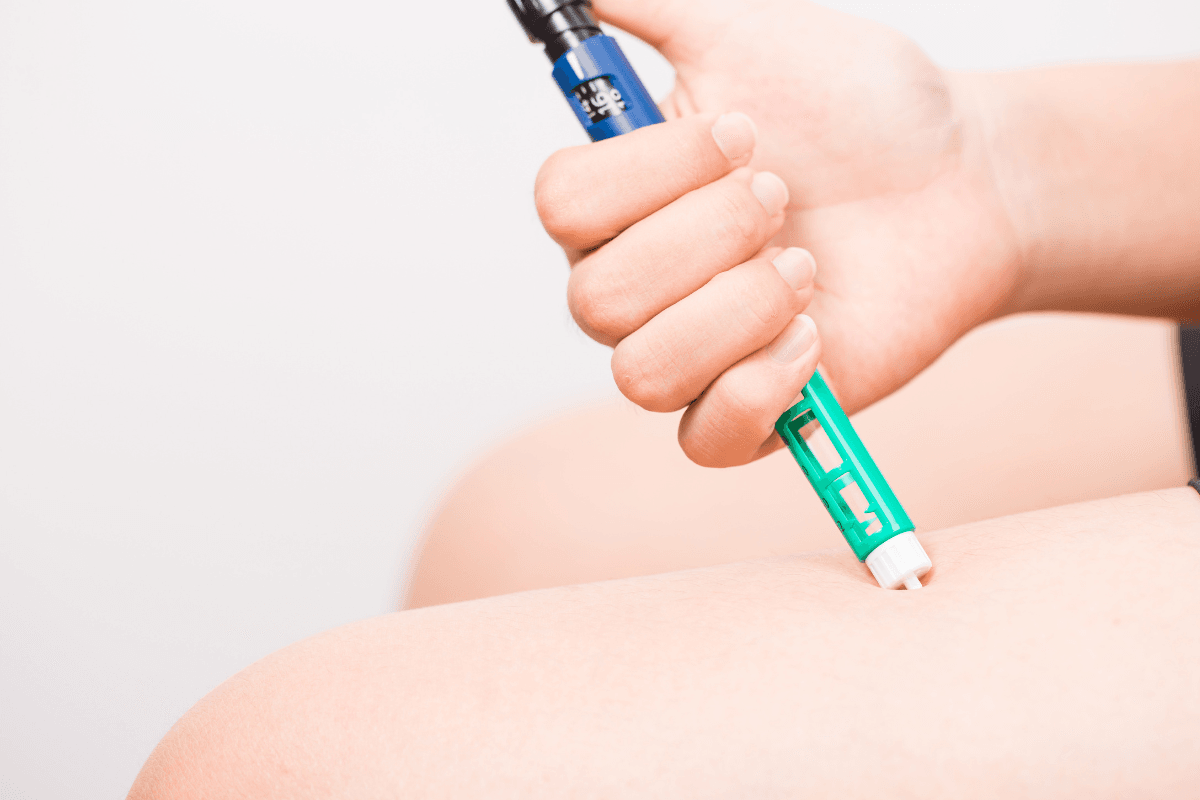
Always read the adlyxin package insert for full instructions. It details preparation steps, priming, dose selection, and injection sites. If your regimen changes, ask your clinician to review timing, meal coordination, and monitoring plans. Training with a diabetes educator can reinforce technique and reduce early side effects through practical strategies.
Availability and Cost Considerations
Market availability may vary by country and over time. In some regions, labeling or supply status has changed, and options may consolidate around other formulations. Confirm local availability and insurance coverage before switching or starting a new therapy. Pharmacies can advise on special-order timelines and therapeutic alternatives if stock is limited.
Reports of adlyxin discontinued status in certain markets reflect shifting demand and class competition. If your region no longer supplies this product, discuss close alternatives with your clinician. Fixed-ratio combinations and other GLP-1 agents may address similar goals. For a curated library of therapeutic updates, visit the Type 2 Diabetes category to track class changes and clinical considerations.
Monitoring, Follow-Up, and When to Seek Help
Agree on glycemic targets and a monitoring schedule before you start. Track fasting and post-meal glucose during initiation or when adjusting background therapies. Early follow-up helps refine dose timing and address gastrointestinal tolerability. Encourage shared decision-making as goals evolve and comorbidities change.
Seek prompt care for severe or persistent abdominal pain, vomiting, dehydration, or signs of hypoglycemia. Report rash, swelling, or breathing difficulty immediately. If sleep disturbance or fatigue emerges, review diet timing and dose scheduling. For symptom-specific tips related to incretin therapy, see Zepbound and Fatigue for practical ways to feel better during treatment adjustments.
Recap
This guide outlined what to know before and during therapy. You learned where the drug fits, how it works, and key safety watchpoints. We compared related options and highlighted storage and technique fundamentals. Use this material to frame a discussion with your healthcare team and to navigate real-world use confidently.
For comprehensive label information, consult the FDA’s official prescribing information. For class recommendations, review the current ADA Standards of Care for evidence-based guidance on GLP-1 therapy placement.
Note: This content is for informational purposes only and is not a substitute for professional medical advice.