
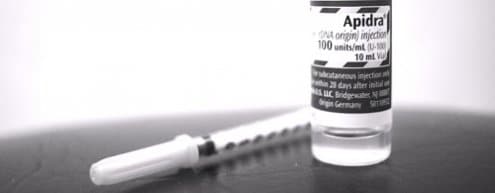
Apidra is a rapid-acting insulin used around meals to help control blood glucose in people with diabetes. If you are asking what is Apidra, the short answer is that it is the brand name for insulin glulisine, a man-made insulin analog designed to act faster than regular human insulin. This matters because mealtime insulin must match food intake, activity, and glucose monitoring closely.
It is not a stand-alone diabetes plan. Many people use rapid-acting insulin with a longer-acting basal insulin, nutrition planning, and regular glucose checks. Your prescriber sets the timing, dose method, and adjustment rules for your situation.
Key Takeaways
- Rapid-acting insulin: Apidra helps cover meals and correction doses.
- Generic name: The active ingredient is insulin glulisine.
- Timing matters: It is commonly used close to mealtime as directed.
- Main risk: Low blood sugar is the key safety concern.
- Device choice: Pens and vials support different injection routines.
What Kind of Insulin Is Apidra?
Apidra belongs to the rapid-acting insulin analog class. In plain language, that means it starts working relatively quickly after subcutaneous injection, which is an injection under the skin. Its clinical role is usually mealtime, or prandial, glucose control.
The Apidra generic name is insulin glulisine. Insulin glulisine is modified to absorb faster than older regular insulin. That faster profile can help match the rise in glucose that follows eating. It may also be used for correction dosing when a clinician has provided a clear plan.
Understanding the Apidra classification helps set expectations. It is not the same type of insulin as long-acting insulin glargine, detemir, or degludec. Those basal insulins are designed to provide background coverage over many hours. Rapid-acting insulin is intended to cover shorter glucose rises.
For a deeper patient-friendly explanation of its mealtime role, see the related Fast-Acting Apidra Overview. If you want more detail on naming and possible substitutions, the Apidra Generic Name resource can help frame a prescriber discussion.
Why it matters: Mixing up rapid-acting and long-acting insulin can cause serious glucose problems.
Approved Uses and Who It May Suit
Apidra is indicated to improve glycemic control in adults and children with diabetes when insulin therapy is appropriate. The exact Apidra indication, age range, and use instructions should be checked against the current product information in your jurisdiction.
Clinicians may prescribe Apidra insulin for people with type 1 diabetes who need mealtime insulin. It may also be used in type 2 diabetes when other treatments do not provide enough glucose control or when insulin intensification is needed. The choice depends on glucose patterns, meals, activity level, hypoglycemia history, kidney or liver function, and the person’s ability to monitor safely.
Some people use rapid-acting insulin as part of multiple daily injections. Others may use rapid-acting insulin in a pump if their clinician and product labeling support that route. The Apidra route of administration is usually subcutaneous, but specific delivery methods depend on the product form and prescribing instructions.
Many treatment plans pair mealtime insulin with a basal insulin. Apidra and Lantus together is one example of a rapid-plus-basal approach, but they are not interchangeable. One targets meals and corrections. The other provides background coverage. Your care team should provide separate instructions for each insulin.
If you are reviewing care options by diagnosis, the Type 1 Diabetes Articles and Type 2 Diabetes Articles collections can help you find broader educational reading. The Diabetes Collection is also available as a browseable condition hub.
How It Works and How Long It Lasts
The Apidra mechanism of action is the same core action as insulin: it helps move glucose from the bloodstream into insulin-sensitive tissues and reduces glucose production by the liver. The practical difference is its rapid absorption profile.
After injection, rapid-acting insulin starts working faster than regular human insulin. Its effect rises, peaks, and then fades. The exact timing varies between people and even between doses. Factors include injection site, dose size, skin temperature, recent activity, illness, and blood flow at the injection area.
Many readers ask how long Apidra lasts in the body. In general, rapid-acting insulin has a shorter duration than long-acting basal insulin. Product labeling and your clinician’s instructions are the best sources for timing rules, including when to take it around meals.
Timing errors can increase risk. Taking rapid-acting insulin too early, eating less than expected, or exercising soon after dosing can raise the chance of hypoglycemia. Taking it late may allow higher post-meal glucose. If your readings are often outside the range your care team set, review your logs before changing anything.
The Apidra Peak Time article explains onset, peak, and duration in more detail. For meal-pattern questions, see Apidra Mealtime Flexibility.
Dosing Principles Without Guesswork
Apidra dosage is individualized. It should not be copied from another person, a forum post, or a generic Apidra dosage chart. Rapid-acting insulin plans usually account for carbohydrate intake, current glucose, planned activity, illness, and personal insulin sensitivity.
Clinicians may teach several dosing concepts. An insulin-to-carbohydrate ratio estimates meal coverage. A correction factor estimates how much one unit may lower glucose. A target range defines the glucose level used for correction decisions. These tools can be useful, but only when they are set and reviewed by a qualified clinician.
People using continuous glucose monitoring may also review trend arrows. Trend information can help explain why the same meal sometimes gives different results. Still, sensor data should not replace the dosing rules provided by your care team.
Keeping clear records often improves dose reviews. Useful details include the meal, estimated carbohydrates, dose timing, injection site, activity, glucose readings, and any symptoms. Bring these notes to appointments, especially if lows or highs happen repeatedly.
Blood glucose values may appear in mmol/L or mg/dL, depending on your meter and region. This converter can help you compare units in logs or educational materials, but it does not provide dosing advice.
Blood Glucose Unit Converter
Convert glucose readings between mg/dL and mmol/L without changing the clinical value.
These calculations are for education only and do not replace clinical advice, diagnosis, or treatment. Always confirm medical decisions with a qualified healthcare professional.
Quick tip: Confirm your meter units before sharing glucose numbers with a clinician.
Using Pens and Vials Safely
Apidra is available in formats such as prefilled pens and vials, depending on location and supply. The Apidra SoloSTAR pen is a prefilled insulin pen designed for dose dialing and injection. Vials are used with insulin syringes or other approved delivery systems when appropriate.
Pen use requires several routine checks. Confirm the label, inspect the insulin, attach a new needle, prime as directed, dial the prescribed dose, inject into an approved site, and hold the button long enough for full delivery. Never share pens, cartridges, or needles, even if the needle is changed.
Vial use requires the correct syringe and careful reading of the scale. Drawing up insulin with the wrong syringe type can cause dosing errors. If your vision, hand strength, or dexterity changes, ask your care team to reassess the safest device format.
Injection site rotation matters. Repeated injections into the same spot can cause lipohypertrophy, which means thickened or lumpy fatty tissue under the skin. This can make absorption less predictable. Common injection areas include the abdomen, thigh, upper arm, or buttock, if your clinician has approved them.
Some people ask why showering immediately after insulin can be discouraged. Heat, massage, or increased blood flow around an injection site may affect how insulin absorbs for some people. Follow your clinician’s routine instructions, especially around hot showers, saunas, exercise, and injection timing.
For device-specific reading, see Apidra SoloSTAR Pen Uses. If you are comparing product forms for discussion with your prescriber, the Apidra-related product pages for Apidra SoloSTAR Pens and Insulin Glulisine Vials can help you identify the format being referenced. CanadianInsulin.com functions as a prescription referral platform, and prescription details may need confirmation where required.
Side Effects, Contraindications, and Warning Signs
The most important Apidra side effects involve hypoglycemia, or low blood sugar. Symptoms may include shaking, sweating, hunger, fast heartbeat, headache, irritability, confusion, blurred vision, or drowsiness. Severe hypoglycemia can cause seizure, loss of consciousness, injury, or death if not treated promptly.
Other possible effects include injection-site redness, itching, swelling, skin thickening, weight changes, fluid retention, or allergic reactions. A serious allergy is uncommon but urgent. Seek emergency care for trouble breathing, swelling of the face or throat, widespread rash, fainting, or severe dizziness.
Apidra contraindications include use during episodes of hypoglycemia and use in people with hypersensitivity to insulin glulisine or product components. Extra caution may be needed during illness, changes in kidney or liver function, pregnancy, changes in meal intake, alcohol use, increased activity, or medication changes.
Several medications can alter insulin needs or mask low-glucose symptoms. Examples may include some blood pressure medicines, steroids, diuretics, and other diabetes medicines. This does not mean they cannot be used together. It means your prescriber should know your full medication list.
People with recurrent unexplained lows should seek clinician review. The same applies if glucose remains high despite following the plan, if ketones are present, or if vomiting prevents normal food and fluid intake. For wider diabetes education, the Diabetes Articles collection may be useful alongside direct medical care.
How Apidra Compares With Related Insulins
Apidra, NovoRapid, Humalog, and other rapid-acting analogs serve similar broad purposes, but they are not automatically interchangeable. Differences may involve onset, duration, device availability, labeling, personal response, and coverage rules.
Apidra vs NovoRapid is a common comparison because both are rapid-acting mealtime insulins. Your prescriber may consider glucose logs, meal timing, hypoglycemia patterns, and device preference when choosing between options. Avoid switching brands without guidance, because dose timing and response can change.
Apidra and Lantus are easier to distinguish. Apidra is rapid-acting insulin glulisine. Lantus is insulin glargine, a long-acting basal insulin. Some people use both in the same overall plan, but each has a different job. They also require separate handling and dosing instructions.
When comparing insulin options, ask practical questions. What meal timing is expected? What device will be used? How should missed meals be handled? What symptoms require urgent help? How should activity, illness, or alcohol be managed? These questions are safer than focusing only on brand names.
Storage, Travel, and Handling Basics
Proper storage helps preserve insulin potency. Unopened and in-use storage instructions can differ, so check the patient leaflet or product label. Avoid freezing insulin, exposing it to high heat, or leaving it in direct sunlight.
Inspect insulin before use. Do not use it if it looks unusual, contains particles, or has been stored outside labeled conditions. Keep spare supplies available when traveling, including needles, syringes if needed, glucose monitoring supplies, and a treatment plan for low blood sugar.
Do not store a pen with the needle attached. This can allow leakage, air entry, or contamination. Used needles should go into an appropriate sharps container. If local disposal rules differ, follow your community’s sharps guidance.
When crossing borders or using pharmacy referral services, keep prescription documentation and medication labels available. Where permitted, dispensing and fulfillment may be handled by licensed third-party pharmacies, and eligibility can depend on jurisdiction.
Authoritative Sources
For official medication details, review the manufacturer’s current Apidra prescribing information and patient labeling. It describes approved uses, contraindications, warnings, adverse reactions, and administration instructions.
The European Medicines Agency also provides a public medicine summary for Apidra assessment and product information. This can help readers understand how regulators summarize insulin glulisine.
For broader diabetes care principles, the American Diabetes Association publishes annual Standards of Care in Diabetes. These guidelines discuss insulin therapy, monitoring, hypoglycemia, and individualized treatment goals.
Recap
Apidra is a rapid-acting insulin used to help manage mealtime glucose rises and correction needs when prescribed. It is insulin glulisine, not a basal insulin, and it requires careful timing, monitoring, and clear instructions.
The safest next step is to review your own dosing plan, device technique, storage routine, and low-glucose plan with your healthcare professional. If you use more than one insulin, confirm the name, purpose, and timing of each product before every dose.
This content is for informational purposes only and is not a substitute for professional medical advice.


