
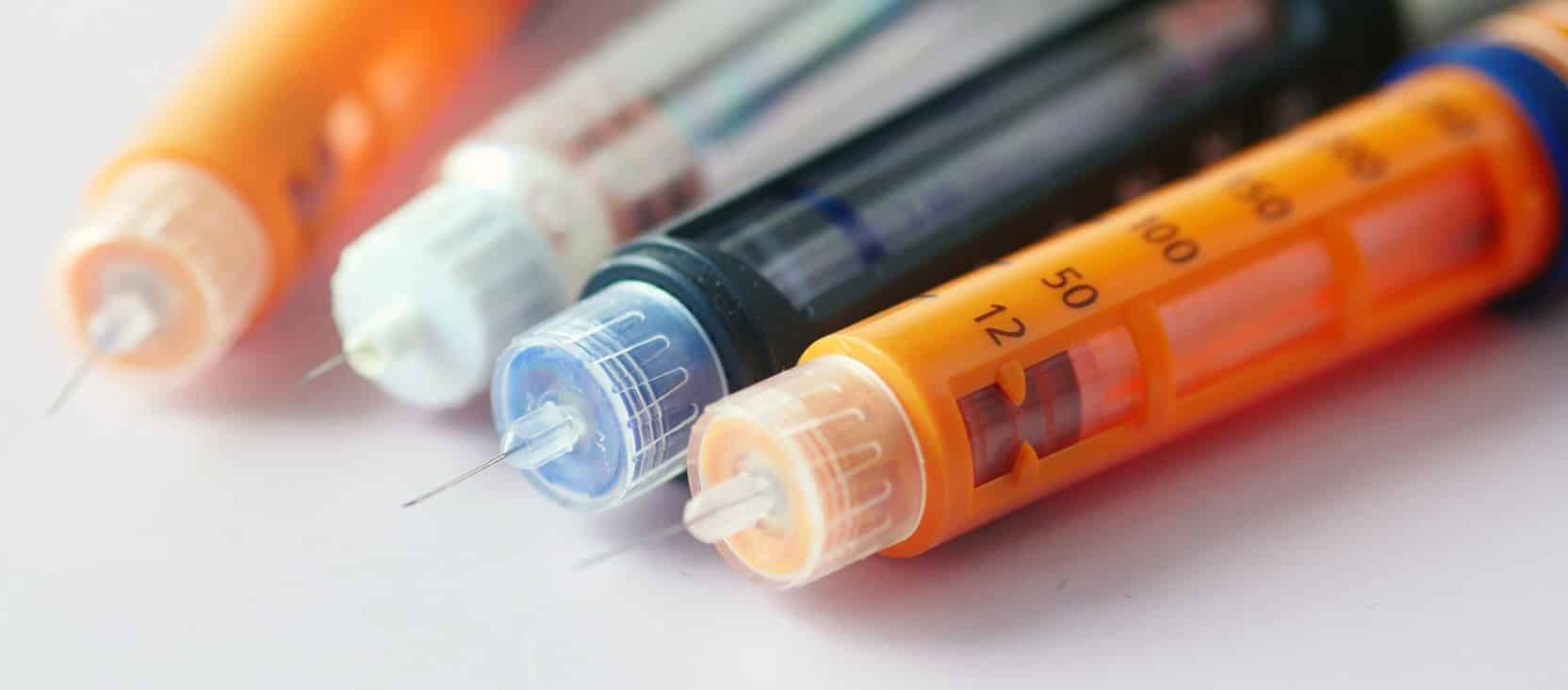
Patients and caregivers often weigh long-acting glargine choices. In this guide, we outline how biosimilar insulin fits into real-world use, including naming rules, substitution policies, and practical transitions. We explain brand relationships in plain language, then link these details to monitoring and safety. This helps you discuss options with your healthcare professional confidently.
Key Takeaways
- Comparable outcomes: Biosimilars aim to match reference insulin effects.
- Interchangeability varies: Rules depend on jurisdiction and pharmacy policy.
- Naming matters: Suffixes help trace products and substitutions.
- Plan transitions: Align dosing, device features, and monitoring steps.
- Safety first: Watch for hypoglycemia, site issues, and device errors.
Understanding biosimilar insulin
Biosimilars are highly similar versions of approved biologics, with no clinically meaningful differences in safety or effectiveness compared with the reference product. For insulin glargine, these products follow rigorous analytical and clinical comparisons before approval. This framework supports consistent outcomes across populations when switching or initiating therapy.
Health authorities evaluate structure, function, and clinical performance. The focus is on comparative evidence rather than repeating large efficacy trials. For regulatory context and definitions, see the Health Canada overview of biosimilars for how similarity is assessed. The U.S. pathway also recognizes interchangeability under specific criteria, which we explain below.
How Biosimilars Compare to Reference Insulins
Glargine biosimilars undergo stepwise testing, including pharmacokinetic and pharmacodynamic studies, to confirm matching exposure and glucose-lowering activity. Comparative immunogenicity data help detect differences in anti-drug antibodies. Together, these data support equivalent clinical performance in day-to-day diabetes care.
When discussing head-to-head comparisons, consider formulation and delivery devices. One example often raised is insulin glargine-yfgn vs insulin glargine, which reflects comparisons between the biosimilar and its reference. Clinical endpoints typically include A1C changes and hypoglycemia rates. For labeling and approval background, the FDA approval notice describes the first interchangeable glargine product and its basis.
Interchangeability and Substitution Policies
Interchangeability is a regulatory designation in some markets that can allow pharmacy-level substitution without prescriber intervention. Policies differ by region, health plan, and formulary design. Pharmacists and clinicians often coordinate to ensure continuity, training on the pen device, and appropriate follow-up.
Patients frequently ask about substitution between brand-name glargine products. A common query is what insulin is interchangeable with basaglar. The answer depends on jurisdictional rules and payer formularies, not solely on clinical comparability. To explore how glargine analogs differ at a class level, see Long-Acting Insulin Names for onset and duration context. For broader background on basal therapies, the Basal Insulin Types guide explains dosing frameworks and titration principles.
Glargine Options: Semglee, Basaglar, and Lantus
Glargine options include the reference product and biosimilar alternatives supplied as disposable pens, cartridges, or vials. Device design can affect priming steps, dose visibility, and injection ergonomics. Patients using a Semglee pen may have different injection feel or dial resistance compared with other devices, even when dose units match.
When comparing brands, semglee vs lantus discussions usually focus on clinical equivalence, device differences, and plan coverage. To see device-specific features, the Lantus SoloStar Insulin Pen article reviews priming and handling steps. If you need product formats, Lantus SoloStar Pens provide a prefilled option for daily use, and Lantus Cartridges support compatible reusable pens for flexibility. For an alternative basal analog, Tresiba vs. Lantus compares degludec with glargine performance.
Dosing Transitions: Conversions and Pens
Any transition should be supervised by a clinician familiar with your glucose patterns. When switching pens, review dosing increments, maximum per-injection limits, and needle compatibility. Plan the first week carefully with your care team, including glucose targets, correction protocols, and follow-up timing.
Patients sometimes refer to lantus to semglee conversion when discussing a lateral switch within the same insulin type. While unit-for-unit transitions may be considered in some scenarios, individual needs vary, and monitoring remains essential. For practical device guidance and dosing ranges, the Basaglar KwikPen Guide outlines use steps and precautions. If you require alternative strengths, the Toujeo Dosage Guide explains concentrated glargine titration, and Toujeo DoubleStar Pen offers a higher-capacity device for fewer injections.
Names and Labeling Explained
Naming helps trace products and prevents substitution errors. For example, insulin glargine products may include a four-letter suffix for pharmacovigilance. These suffixes distinguish manufacturers and batches, supporting safety monitoring across healthcare systems. Package inserts list the full nonproprietary name and brand to reduce confusion.
Patients often ask what does yfgn stand for in insulin glargine when they see suffix-labeled materials. Suffixes are arbitrary and do not indicate clinical differences or quality. For clarity on brand and nonproprietary naming, the Lantus Vial Overview illustrates how reference labeling is presented. If you are evaluating combined therapies, Soliqua SoloStar Pen describes a glargine plus GLP-1 option and lists device specifics for training.
Safety, Side Effects, and Monitoring
Glargine products share class-related risks, including hypoglycemia, injection-site reactions, and lipodystrophy (fat tissue changes). Device use errors, missed priming, or incorrect needle length can alter delivered dose. Keep a log of glucose readings and hypoglycemia symptoms during any brand or device switch.
A frequent search term is insulin glargine-yfgn side effects. Safety sections in product labeling detail hypoglycemia risks, local reactions, and immunogenicity findings. For authoritative details, consult prescribing information for adverse reactions and warnings. For injection technique and site rotation, Lantus Injection Sites shows recommended areas and spacing. If comparing basal analog properties, Degludec vs. Glargine summarizes duration and variability in clinical terms.
Access and Availability
Coverage and pharmacy stocking patterns influence which glargine product you receive. Some formularies prefer one brand due to negotiated agreements. If a substitution is proposed, confirm device training and first-fill support materials, then increase monitoring until patterns stabilize.
Discussions of affordability often reference insulin glargine-yfgn price. Costs vary by plan, region, and device format. To view options, Lantus Vial lists vial presentations for clinicians and patients, while Basaglar Insulin shows an alternative glargine option. If cartridges suit your routine, Basaglar Cartridges support compatible pens for regular dosing. For patients evaluating other basals, Tresiba FlexTouch Pens offer degludec in a modern device and Levemir PenFill Cartridges provide detemir for tailored regimens.
Recap
Glargine alternatives are designed to deliver comparable glycemic control with different devices and labels. Interchangeability rules and coverage policies shape what you receive at the pharmacy. Plan any transition with clear monitoring and device training. Use trusted regulatory sources and product labeling to navigate safety and naming.
Note: Regulatory designations may change; check current labeling and local policies before substituting.
For approval background, the FDA notice explains interchangeable status and evidence, which supports safe substitution when criteria are met.
This content is for informational purposes only and is not a substitute for professional medical advice.


