
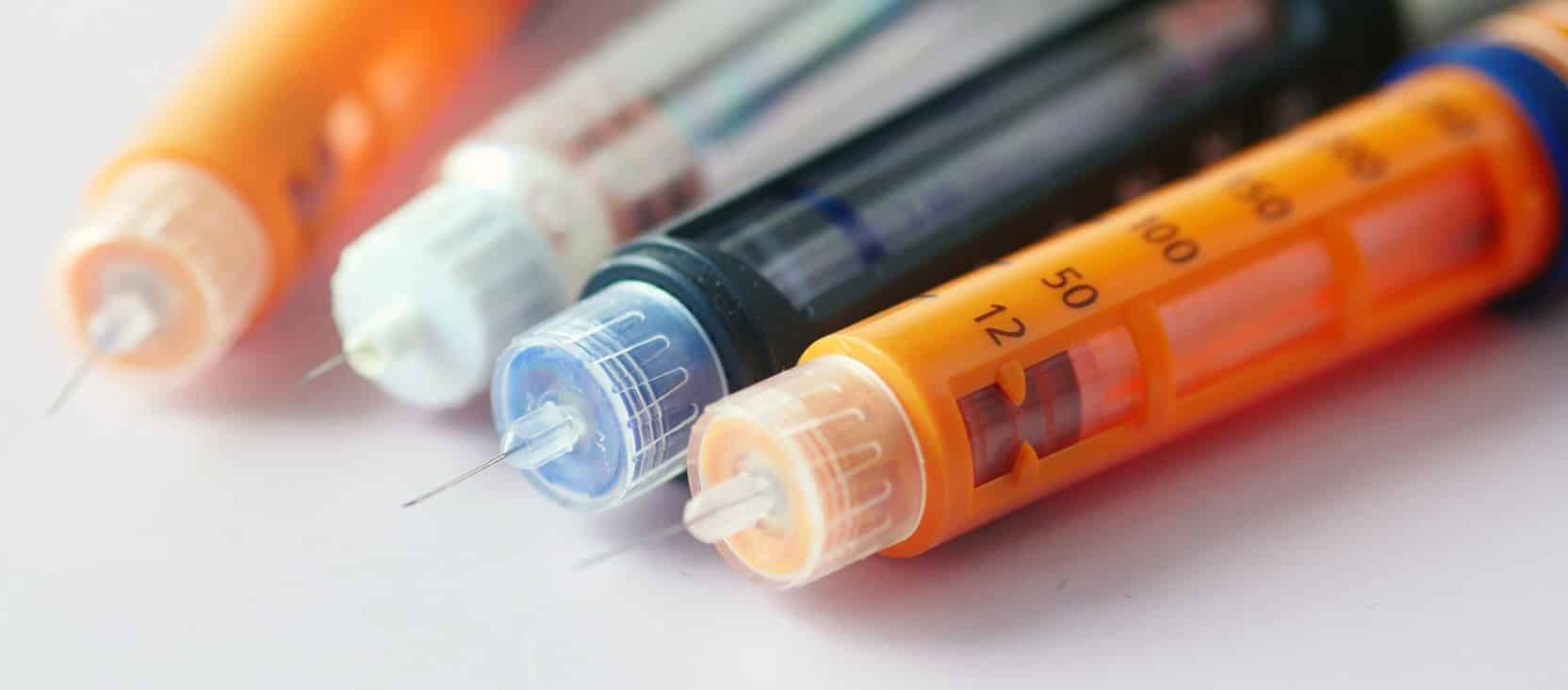
Biosimilar insulin is a highly similar version of an approved biologic insulin, designed to have no clinically meaningful differences from its reference product. For many patients, the practical question is not only whether it works similarly, but whether the device, label, coverage rules, and substitution process are clear. This matters most when comparing long-acting insulin glargine options such as Lantus, Semglee, and Basaglar.
This article focuses on glargine alternatives because they create many real-world questions. Patients often see new names, suffixes, or pen designs at the pharmacy. Caregivers may wonder whether a switch changes the dose, side effect profile, or monitoring plan. The safest answer is to treat any product change as a planned transition, even when the active insulin is closely related.
Key Takeaways
- Core definition: Biosimilars are compared with a reference biologic.
- Not simple generics: Biologic products are more complex than small-molecule drugs.
- Glargine examples: Semglee, Basaglar, and Lantus are commonly compared.
- Substitution varies: Interchangeability depends on local rules and product status.
- Monitoring matters: Watch glucose patterns, hypoglycemia, and device technique.
What Biosimilar Insulin Means
A biosimilar insulin is approved after detailed comparisons with an already authorized biologic insulin. Regulators review structure, purity, potency, function, and clinical data. The goal is to confirm there are no clinically meaningful differences in safety, effectiveness, or quality compared with the reference product.
This is different from saying the product is chemically identical. Insulin is a biologic medicine, meaning it is made using living systems and controlled manufacturing processes. Small differences can exist between biologic batches, even within the same brand, so regulators focus on whether those differences affect clinical performance.
For insulin glargine, the reference product most patients recognize is Lantus. Glargine biosimilar or follow-on products are designed to provide long-acting basal insulin coverage. Basal insulin helps manage glucose between meals and overnight, but it does not replace individualized dose planning.
Why it matters: A product can be clinically comparable while still having different packaging, labeling, or device handling.
Biosimilar vs Generic Insulin
Biosimilar and generic do not mean the same thing. A generic drug is usually a copy of a small-molecule medicine with the same active ingredient. A biosimilar is compared with a biologic reference product using a broader evidence package because biologics are larger and more complex.
This distinction explains why patients may see terms such as biosimilar, follow-on biologic, interchangeable biosimilar, or nonproprietary name suffix. These terms are regulatory and labeling concepts. They do not mean the product is weaker, experimental, or automatically interchangeable in every setting.
Many people search for a Semglee generic or a Basaglar generic name. In plain language, Semglee and Basaglar are insulin glargine products, but they are not traditional generics in the way a tablet generic is. For a deeper discussion of this wording, see Basaglar Generic Name and Why There Is No Generic Insulin.
The practical takeaway is simple. Do not rely on the word generic to judge whether two insulin products can be substituted. Instead, check the exact product name, device, concentration, prescription instructions, and local substitution rules.
Glargine Examples Patients Commonly Compare
Common biosimilar insulin examples include glargine products that are compared with Lantus. Patients often ask about Semglee vs Lantus, Basaglar vs Semglee, or insulin glargine-yfgn vs Lantus. These comparisons usually involve three overlapping issues: clinical similarity, interchangeability status, and device use.
Semglee is a brand associated with insulin glargine-yfgn. The suffix “yfgn” is part of the nonproprietary name used for identification and tracking. It does not describe a dose strength, clinical quality grade, or special ingredient. Suffixes help healthcare systems trace biologic products if safety monitoring is needed.
Basaglar is also an insulin glargine product, often discussed as a glargine alternative. Depending on the country and regulatory pathway, it may be described differently from products formally approved as biosimilars or interchangeable biosimilars. For patients, the important point is to follow the prescription and confirm whether a proposed substitution is allowed where they live.
For a focused comparison of two common glargine options, see Semglee vs Lantus. For another glargine comparison, Basaglar vs Lantus reviews practical differences patients often discuss with clinicians.
Interchangeability and Substitution at the Pharmacy
Interchangeability is a specific regulatory designation in some jurisdictions. It may allow pharmacy-level substitution without contacting the prescriber, but only when local law, product status, and pharmacy policy allow it. Clinical similarity alone does not always mean automatic substitution.
This is why the question “are Semglee and Lantus interchangeable” needs a careful answer. In some markets, certain insulin glargine-yfgn products have received an interchangeable designation. In other settings, the prescriber may need to write the prescription in a specific way, or the pharmacist may need to follow provincial, state, plan, or formulary rules.
If a pharmacy proposes a different glargine product, confirm the full brand and nonproprietary name. Ask whether the pen or vial format is changing. Also ask whether the product requires different training steps, storage reminders, or needle compatibility checks.
CanadianInsulin.com is a prescription referral platform, and prescription details may need confirmation with the prescriber when required. Dispensing and fulfilment are handled by licensed third-party pharmacies where permitted, so access rules can depend on eligibility and jurisdiction.
Device Changes Can Matter Even When Units Match
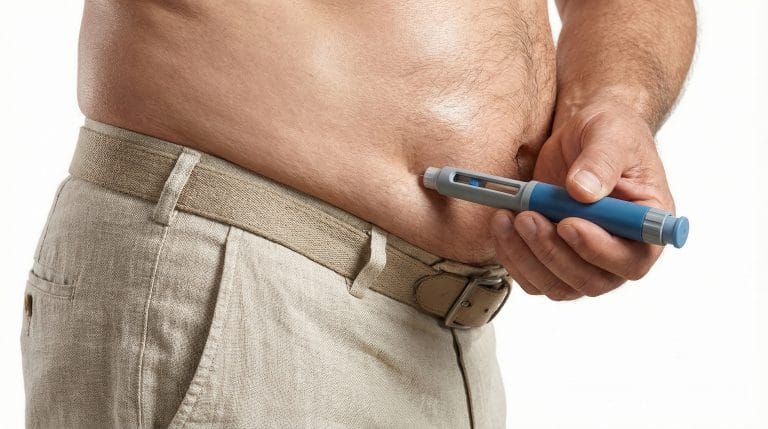
Two glargine products can use the same unit-based prescribing language but feel different in daily use. Pen shape, button pressure, dose window visibility, priming steps, and maximum dial settings can vary. These device details may affect confidence, especially for people with vision, dexterity, or caregiver-support needs.
A new pen should be reviewed before the first injection. Check how to attach the needle, prime the device, dial the dose, inject, hold the button, and dispose of sharps. If you use cartridges or vials, confirm the compatible pen or syringe process with a healthcare professional.
Quick tip: Keep the carton or label until you are confident about the exact product name.
If you are comparing formats, product pages such as Lantus SoloStar Pens, Lantus Vial, and Basaglar Cartridges can help you identify common presentation differences. Use product pages for orientation only, not as a substitute for prescription instructions.
Switching From One Glargine Product to Another
A switch between glargine products should be planned with the clinician or diabetes care team. Some transitions may be considered on a unit-for-unit basis, but individual needs vary. Recent glucose readings, hypoglycemia history, kidney function, meal patterns, activity changes, and other medications can all affect insulin needs.
The first week after a product or device change deserves extra attention. Keep a record of fasting glucose, bedtime readings if recommended, symptoms of low blood glucose, injection timing, and missed or delayed doses. Do not change the dose on your own unless your care plan already includes clear adjustment instructions.
Some readers track glucose in mmol/L, while others use mg/dL. The calculator below can help convert units when reviewing logs, labels, or clinic instructions. It does not interpret results or replace clinical advice.
Blood Glucose Unit Converter
Convert glucose readings between mg/dL and mmol/L without changing the clinical value.
These calculations are for education only and do not replace clinical advice, diagnosis, or treatment. Always confirm medical decisions with a qualified healthcare professional.
If your care team is also comparing basal insulin classes, glargine is not the only long-acting option. Degludec and detemir have different clinical profiles and device considerations. For broader context, see Insulin Degludec vs Glargine.
Side Effects and Monitoring Points
Glargine biosimilar insulin products share the expected risks of insulin therapy. The most important is hypoglycemia, or low blood glucose. Symptoms can include shakiness, sweating, hunger, confusion, dizziness, weakness, or a fast heartbeat. Severe low blood glucose needs urgent help, especially if a person cannot safely swallow, loses consciousness, or has a seizure.
Injection-site reactions can also occur. These may include redness, itching, swelling, bruising, or discomfort. Repeated injections into the same area can contribute to lipodystrophy, which means changes in fat tissue under the skin. Rotating sites helps reduce this risk, but site planning should follow your clinician’s instructions.
Device errors are another practical safety issue. Missed priming, blocked needles, expired insulin, temperature exposure, or using the wrong pen can affect delivered insulin. During a switch, compare the new device with the old one before use. If anything looks unfamiliar, ask a pharmacist, diabetes educator, or prescriber to review the steps.
Seek prompt medical help for severe hypoglycemia, repeated unexplained lows, signs of allergic reaction, or symptoms of diabetic ketoacidosis such as vomiting, abdominal pain, rapid breathing, severe thirst, or confusion. These situations need individualized medical assessment.
How to Discuss Glargine Alternatives With Your Care Team
The best discussion is specific. Bring the exact product name, device type, recent glucose log, and any insurance or formulary notice. If the pharmacy dispensed insulin glargine-yfgn, Basaglar, or another glargine product, confirm whether your prescription was written to allow that substitution.
- Product identity: Ask for the brand and full nonproprietary name.
- Device training: Review priming, injection, and disposal steps.
- Monitoring plan: Clarify when to check glucose after a switch.
- Low-glucose plan: Confirm how to treat and report hypoglycemia.
- Refill consistency: Ask how to avoid unexpected device changes.
Some patients also explore cash-pay options and cross-border fulfilment when permitted and appropriate. Those access questions should stay separate from clinical decisions. The insulin selected for treatment should still match the prescriber’s plan and the patient’s safety needs.
Authoritative Sources
For regulatory definitions and approval principles, Health Canada explains how biosimilar biologic drugs are assessed. This source outlines the evidence used to compare a biosimilar with its reference biologic.
The U.S. FDA also provides patient-facing diabetes information in its biosimilars and diabetes resource. It explains biologic insulin regulation, biosimilar concepts, and interchangeable product language.
For broader diabetes medication safety context, the American Diabetes Association provides general insulin education for patients, including safe-use themes and questions to discuss with healthcare professionals.
Recap
Biosimilar insulin is best understood as a closely compared biologic option, not as a simple copy in the traditional generic-drug sense. For glargine products, the most practical questions involve interchangeability, device handling, labeling, and glucose monitoring after a change.
Semglee, Basaglar, and Lantus may appear together in substitution and coverage discussions, but the right next step depends on the exact product, prescription wording, local policy, and your clinical situation. Review any change with a qualified healthcare professional, especially if you have frequent lows, unstable glucose patterns, pregnancy, kidney disease, or complex insulin adjustments.
This content is for informational purposes only and is not a substitute for professional medical advice.