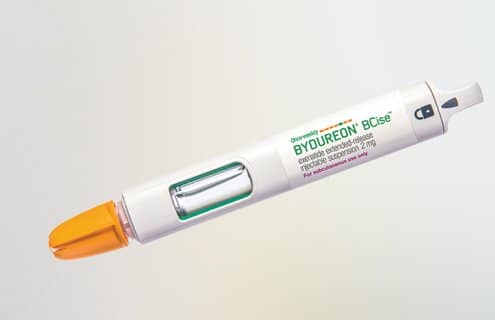
Bydureon side effects most often involve nausea, diarrhea, vomiting, reduced appetite, and injection-site lumps or itching. Some symptoms are expected early in treatment, but severe abdominal pain, dehydration, allergic symptoms, or a neck lump need prompt medical attention. Knowing the difference helps you respond early and discuss safer next steps with your healthcare professional.
Key Takeaways
- Common effects: Nausea, diarrhea, vomiting, headache, and appetite changes.
- Injection reactions: Small nodules, redness, itching, or tenderness can occur.
- Serious warnings: Pancreatitis, gallbladder disease, kidney injury, and thyroid tumor risk.
- Low glucose risk: Usually low alone, but higher with insulin or sulfonylureas.
- Availability changes: Device access can vary, so switching plans should be clinician-led.
Understanding Bydureon Side Effects
Bydureon is an extended-release form of exenatide, a glucagon-like peptide-1 receptor agonist (GLP-1 RA). It is used for glycemic control in type 2 diabetes and is given as a once-weekly injection. The medication is not insulin. It works through incretin pathways, which support glucose-dependent insulin release, reduce glucagon after meals, slow stomach emptying, and may reduce appetite.
Those same actions explain many tolerability issues. Slower stomach emptying can cause nausea, fullness, reflux-like symptoms, constipation, or diarrhea. Appetite changes may be noticeable during the first weeks. Injection-site reactions are also common because extended-release exenatide uses microspheres that release medication gradually under the skin.
Most mild reactions are manageable and improve with time. Still, some symptoms should not be watched at home. Severe or persistent vomiting can lead to dehydration and kidney stress. Sudden, severe abdominal pain may suggest pancreatitis (inflammation of the pancreas) or gallbladder disease. A structured symptom log can help your clinician decide whether the pattern fits expected adjustment or something more concerning.
For wider context on uses and dosing rhythm, see Bydureon Uses, Side Effects, and Dosage.
Common Reactions and What They Usually Mean
The most common Bydureon side effects are gastrointestinal and local injection reactions. These can feel uncomfortable, but they are not always dangerous. The key is severity, duration, and whether symptoms interfere with hydration, eating, glucose monitoring, or daily function.
Digestive symptoms
Nausea is often the first symptom people notice. Vomiting, diarrhea, constipation, indigestion, abdominal discomfort, and decreased appetite may also occur. Smaller meals, slower eating, and avoiding very fatty meals may reduce discomfort for some people. Hydration matters, especially if vomiting or diarrhea occurs.
Contact a healthcare professional if digestive symptoms are intense, worsening, or persistent. Seek urgent care for severe abdominal pain that does not let up, pain spreading to the back, repeated vomiting, fever, yellowing of the skin or eyes, or signs of dehydration such as dizziness, confusion, or sharply reduced urination.
Injection-site effects
Bydureon injection reactions can include small firm lumps, itching, redness, swelling, bruising, or tenderness. Nodules may last longer than a typical injection mark because the medication is designed to release slowly. Rotating sites can reduce repeated irritation in one area.
Usual injection sites include the abdomen, thigh, or upper arm, depending on the device instructions and what your clinician has shown you. Avoid injecting into scars, moles, bruises, irritated skin, or areas with active rash. If a lump becomes very painful, warm, draining, rapidly enlarging, or associated with fever, get medical advice to rule out infection or a more serious local reaction.
Quick tip: Record the date, site, and any lump size after each weekly injection.
Serious Warnings That Need Fast Attention
Serious Bydureon side effects are less common than nausea or injection lumps, but they matter because early action can prevent harm. People with prior pancreatitis, severe gastrointestinal disease, kidney problems, or complex diabetes regimens should discuss individualized monitoring before and during treatment.
Pancreatitis is one of the most important warning concerns. Symptoms may include severe upper abdominal pain, pain spreading to the back, vomiting, or tenderness that feels different from mild nausea. Do not ignore severe abdominal pain after starting or continuing exenatide. A clinician may need to evaluate pancreatic enzymes, hydration status, and other causes.
Gallbladder problems can also occur with GLP-1 RA therapy. Warning symptoms may include upper right abdominal pain, fever, nausea, vomiting, pale stools, or yellowing of the skin or eyes. These signs need medical assessment, especially if pain is strong or recurrent.
Kidney injury has been reported, particularly when vomiting, diarrhea, poor fluid intake, or dehydration develops. This risk is more relevant for people with existing kidney disease or those taking other medicines that affect fluid balance or kidney function. Ask your clinician what symptoms should trigger a same-day call based on your medical history.
Exenatide extended-release products also carry a boxed warning about thyroid C-cell tumors based on animal findings. They should not be used in people with a personal or family history of medullary thyroid carcinoma or multiple endocrine neoplasia syndrome type 2, unless a qualified clinician determines otherwise under label guidance. Report a neck lump, trouble swallowing, hoarseness, or persistent neck swelling.
Allergic reactions are another reason to act quickly. Hives, widespread rash, facial swelling, throat tightness, wheezing, or trouble breathing need urgent care. Do not take another dose until a healthcare professional has reviewed the reaction.
Low Blood Sugar, Interactions, and Special Situations
Exenatide alone usually has a lower risk of hypoglycemia (low blood sugar) than medications that directly increase insulin regardless of glucose level. The risk can rise when it is combined with insulin or sulfonylureas. Symptoms may include shakiness, sweating, confusion, fast heartbeat, hunger, blurred vision, or weakness.
If you use insulin or a sulfonylurea, ask your prescriber how to monitor glucose when starting, stopping, or changing GLP-1 therapy. Do not adjust doses on your own. A written plan is especially helpful if you have a history of severe lows, irregular meals, kidney impairment, or changing activity levels.
Delayed stomach emptying can also affect how some oral medicines are absorbed. This matters most for medicines where timing or blood levels are critical. Tell your clinician and pharmacist about all prescriptions, non-prescription medicines, and supplements. They can decide whether timing, monitoring, or a different medication plan is needed.
Pregnancy planning, breastfeeding, severe gastrointestinal disease, prior pancreatitis, and kidney impairment all require individualized review. The safety trade-offs may differ from one person to another. If your treatment goals change, do not stop or switch without discussing glucose monitoring and replacement therapy.
Device Technique, Injection Sites, and Bydureon BCise Questions
Correct injection technique can reduce local irritation and device-related problems. Bydureon BCise is an autoinjector form of exenatide extended-release. People may still search for older pen or vial instructions, but devices differ, and mixing steps should not be assumed to be the same.
Before each dose, review the current device instructions supplied with your medication. Check storage guidance, expiration date, and whether the device looks damaged. Let your clinician or pharmacist know if the device does not click, leaks, seems blocked, or appears to deliver only a partial dose. Do not repeat a full dose unless a healthcare professional tells you to do so.
Rotation matters. Using the same small patch of skin each week can worsen soreness or lumps. Many people rotate across the abdomen, thighs, or upper arms, while keeping a simple map or note. If you use more than one injectable diabetes medicine, ask how far apart to place injections and whether timing matters.
For device and weekly-injection comparisons, see Ozempic vs Bydureon and Trulicity vs Bydureon. These comparisons can help frame questions about injection frequency, tolerability, and device preference without replacing medical advice.
Why it matters: A suspected misfire can affect glucose patterns and side-effect interpretation.
Availability, Discontinuation, and Switching Considerations
Availability questions are common because product formulations and devices can change over time. Some older exenatide products or delivery systems have had market changes, and regional access can vary. If your pharmacy cannot supply your usual device, confirm the exact product name and formulation before assuming an equivalent substitution.
People also ask whether Bydureon BCise is discontinued or still available. The safest answer is to verify current status with your pharmacy, prescriber, and official product information in your region. Availability may differ by country, wholesaler, insurer, and pharmacy inventory. A shortage or local unavailability does not always mean the medicine has the same status everywhere.
Switching from weekly exenatide to another GLP-1 RA, or to a different diabetes therapy, should be planned. Overlap, washout timing, glucose checks, and gastrointestinal tolerability may all matter. Some people notice appetite changes or higher post-meal glucose after stopping. Others feel fewer digestive symptoms but need another medication adjusted.
Alternatives are not interchangeable just because they share a class. Ozempic contains semaglutide, while Bydureon contains exenatide. Mounjaro contains tirzepatide, a different incretin-based medicine. Device design, dosing schedules, precautions, and side-effect patterns can differ. For class comparisons, review Bydureon vs Victoza and Byetta vs Bydureon.
CanadianInsulin.com functions as a prescription referral platform, and dispensing is handled by licensed third-party pharmacies where permitted. For medication access questions, prescription details may need confirmation with the prescriber before any fulfilment pathway is considered.
Weight Changes and Expectations
Bydureon weight loss can occur, but it should be viewed as a possible secondary effect rather than the main purpose of therapy. Exenatide extended-release is used for type 2 diabetes management, not as a primary weight-management medication. Appetite reduction may be more noticeable early and may change over time.
Weight response varies by baseline weight, diet, activity, other medicines, glucose control, and individual tolerability. Nausea-related reduced intake is not a healthy weight strategy. If you are losing weight unintentionally, cannot maintain fluid intake, or feel weak, contact your healthcare professional.
Some newer incretin-based therapies may be selected when weight management is a major clinical goal, but suitability depends on the person. Cardiovascular history, kidney function, gastrointestinal tolerance, medication access, and glucose targets all influence selection. If weight is a key concern, ask whether a diabetes educator or registered dietitian should be involved.
Questions to Bring to Your Clinician
Use a short, practical list before appointments. It helps separate expected adjustment from symptoms that may require a change in therapy.
- Symptom pattern: Which effects are expected, and for how long?
- Urgent signs: Which symptoms require same-day care?
- Injection technique: Which sites and rotation plan fit my device?
- Glucose plan: How should I monitor if I use insulin or sulfonylureas?
- Kidney risk: What hydration or lab monitoring is appropriate for me?
- Switching plan: What happens if this product becomes unavailable?
Bring your glucose log, injection-site notes, current medication list, and any device concerns. Photos of injection-site reactions can also help, especially if redness or swelling changes between visits.
Authoritative Sources
For label-based safety details, review the official Bydureon BCise Medication Guide. It summarizes boxed warnings, serious side effects, and patient instructions.
For broader diabetes treatment context, the ADA Standards of Care in Diabetes outline evidence-based approaches to type 2 diabetes management. These standards help clinicians individualize therapy based on risks, goals, and comorbidities.
For general exenatide safety information, see the Mayo Clinic exenatide monograph. It provides a plain-language summary of precautions and possible adverse effects.
Recap
Most Bydureon side effects are digestive or injection-site related, especially during the early adjustment period. Serious warning signs include severe abdominal pain, persistent vomiting, dehydration, allergic symptoms, gallbladder-type pain, or thyroid-related neck symptoms. Track patterns, use correct injection technique, and involve your healthcare professional before stopping or switching therapy.
For condition-level browsing, the Type 2 Diabetes collection includes related educational topics, while the Type 2 Diabetes Products page lists relevant product categories for navigation.
This content is for informational purposes only and is not a substitute for professional medical advice.