
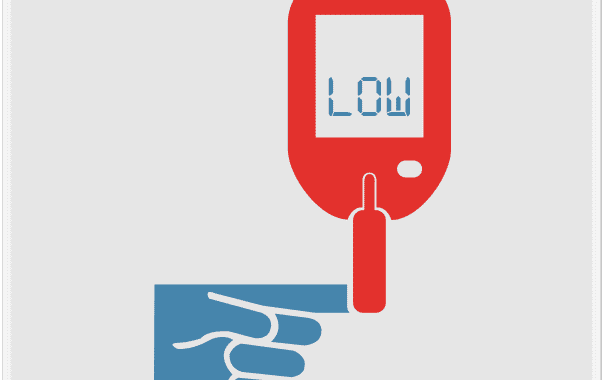
Glyburide can cause hypoglycemia because it stimulates the pancreas to release insulin, even when food intake, activity, alcohol use, or kidney function changes reduce available glucose. In plain terms, glyburide hypoglycemia causes usually involve a mismatch between insulin action and the amount of sugar available in the bloodstream. This matters because mild symptoms can progress, and some lows may last longer than expected.
This article explains why glyburide can lower blood sugar too much, which situations raise risk, what symptoms to watch for, and what to discuss with a clinician or pharmacist. It does not replace a personal diabetes plan, especially if you have repeated lows, kidney disease, pregnancy, frailty, or use insulin.
Key Takeaways
- Insulin release continues: Glyburide can keep prompting insulin release after meals.
- Routine changes matter: Missed meals, alcohol, illness, and extra exercise can raise risk.
- Some people need extra caution: Older adults and people with kidney disease may be more vulnerable.
- Symptoms can vary: Sweating, shaking, confusion, sleepiness, and blurred vision may occur.
- Severe lows need help: Fainting, seizures, or inability to swallow require urgent care.
Why Glyburide Can Cause Low Blood Sugar
Glyburide, also called glibenclamide in some countries, belongs to a medicine class called sulfonylureas. These medicines lower glucose by prompting pancreatic beta cells, the insulin-making cells, to release insulin. That effect can help manage type 2 diabetes, but it also creates a low-glucose risk when meals, activity, or medicine clearance change.
The key issue is timing. Glyburide does not only act at the exact moment you eat. It can continue to encourage insulin release after a meal has passed, during a delayed meal, or overnight. If less glucose enters the blood, or if muscles use more glucose than expected, blood sugar may fall.
A low can happen even when a person takes glyburide exactly as prescribed. Often, glyburide hypoglycemia causes are not one single event. They may involve a smaller meal, more walking, alcohol, illness, dehydration, or a new interacting medicine.
Example: A person takes glyburide before breakfast, eats less than usual, and then walks farther than planned. That day has less glucose input and more glucose use, so low blood sugar becomes more likely.
If you want broader context on medicine classes, see Metformin and Sulfonylureas or Common Diabetes Medications. These resources can help separate sulfonylurea effects from other diabetes drug mechanisms.
Common Triggers That Raise the Risk
Most triggers increase risk by widening the gap between insulin activity and available glucose. These changes can appear suddenly, even after months of stable readings.
Meal timing and carbohydrate intake
Skipping a meal, delaying food, eating fewer carbohydrates than usual, vomiting, or fasting for a procedure can reduce the glucose available in the bloodstream. This is why missed meals are a common concern with sulfonylureas. A person may take the usual tablet, but the expected meal does not follow.
This does not mean every meal must be rigid. It means your prescriber may want to know when appetite, meal timing, fasting plans, or carbohydrate intake changes. A registered dietitian or diabetes educator can help match meal planning with your medication schedule.
Exercise, alcohol, and illness
Extra activity can lower glucose during exercise and for some time afterward. A longer walk, yard work, travel day, or unplanned physical task may be enough to change patterns. The effect may be stronger if food intake is also reduced.
Alcohol adds another layer. It can interfere with the liver’s ability to release stored glucose, especially when drinking occurs without food. This can make glyburide alcohol hypoglycemia more likely in some situations. Illness can also disrupt intake, hydration, and glucose patterns. Nausea, diarrhea, fever, or poor appetite may turn a routine day into a higher-risk day.
Kidney function and medicine clearance
Kidney disease deserves special attention because reduced clearance can increase exposure to glyburide or active metabolites. That can make lows more likely or harder to reverse. Significant liver disease can also limit the body’s backup response because the liver helps release glucose when levels fall.
Older adults may have several overlapping risks. They may have changing kidney function, irregular meals, other medicines, or fewer early warning symptoms. During a low, confusion and weakness can also increase fall or driving risk.
Why it matters: Repeated lows should prompt a review of meals, activity, kidney labs, alcohol, and all medicines.
Symptoms and Glucose Readings to Take Seriously
Low blood sugar symptoms can differ from one episode to the next. Early adrenergic symptoms, meaning stress-hormone symptoms, may include sweating, trembling, hunger, anxiety, tingling, headache, or a fast heartbeat.
Symptoms from low glucose reaching the brain are called neuroglycopenic symptoms. These may include confusion, blurred vision, slurred speech, unusual sleepiness, behavior changes, weakness, or poor coordination. Some people notice mood changes before they notice shaking or hunger.
Many diabetes education resources use below 70 mg/dL, or 3.9 mmol/L, as an alert level. Your personal threshold may differ, especially if your prescriber gives you specific targets. The converter below helps compare mg/dL and mmol/L readings. It does not interpret symptoms, set targets, or replace clinical advice.
Blood Glucose Unit Converter
Convert glucose readings between mg/dL and mmol/L without changing the clinical value.
These calculations are for education only and do not replace clinical advice, diagnosis, or treatment. Always confirm medical decisions with a qualified healthcare professional.
Some people develop hypoglycemia unawareness, which means fewer early warning symptoms. This is more likely after repeated lows. In that situation, a glucose meter or continuous glucose monitor may show a low before the body gives a clear warning.
Test strips and meters are tools for checking patterns, but they do not replace a treatment plan. If you use finger-stick testing, product pages such as OneTouch Verio Test Strips may help you identify the type of supplies used with compatible meters. For immediate low-glucose education, What To Do When Blood Sugar Is Low covers general response concepts.
When a Low Becomes Urgent
Severe hypoglycemia means the person needs help from someone else. Call emergency services if someone cannot swallow safely, faints, has a seizure, becomes hard to wake, or remains confused after initial treatment. Do not try to give food or drink by mouth if the person is unconscious or unable to swallow.
Online rules of thumb can be confusing. You may see the phrase 5-2-1 rule for hypoglycemia, but it is not a universal medical standard. Different teaching materials may use it differently. Many diabetes education plans instead focus on fast-acting carbohydrate, rechecking glucose, and using glucagon or emergency care for severe episodes. Follow the plan your clinician gave you.
Peanut butter is also misunderstood. It is not usually the fastest choice for an active low because fat and protein slow stomach emptying. It may help later as part of a snack if your written plan recommends food after treatment or if a meal is delayed.
Sulfonylurea induced hypoglycemia can sometimes last longer than a low caused by a single missed snack. Glyburide’s insulin-stimulating effect may continue, and medical teams may need to monitor the person. This is one reason severe symptoms, accidental extra tablets, or suspected overdose need urgent evaluation.
Who Needs Extra Caution With Glyburide
Some people need closer monitoring because the consequences of a low may be greater. Older adults may be more vulnerable to falls, confusion, medication errors, and driving risk during hypoglycemia. They may also live alone, making recognition and treatment harder.
People with kidney disease, significant liver disease, poor nutrition, heavy alcohol use, or irregular eating patterns may also need added caution. These factors can affect drug clearance, glucose storage, or the body’s ability to correct a falling glucose level.
Combination therapy can change risk. People using insulin, another insulin-releasing medicine, or complex regimens may have a higher chance of lows than people using one medicine alone. Risk may also shift during infection, procedures, steroid changes, weight loss, or major diet changes.
Pregnancy, breastfeeding, frailty, eating disorders, gastroparesis, and repeated unexplained readings deserve individualized review. These situations can change nutrition, absorption, safety planning, and monitoring needs. General articles cannot account for those details.
Weight concerns are separate from hypoglycemia safety. For related reading, see Glyburide Weight Gain and Glyburide Weight Loss. Those topics should not replace a review of low-glucose patterns.
Prevention Questions to Review With Your Clinician
Prevention starts with pattern recognition, not guesswork. A single low may have an obvious cause, such as a delayed meal. Repeated episodes need a closer review of timing, food intake, kidney function, alcohol, physical activity, and interacting medicines.
Use the checklist below as a conversation starter. It is not a reason to adjust, stop, or restart glyburide on your own.
- Track patterns: Note readings, symptoms, meals, activity, and alcohol.
- Review timing: Ask how meals should align with your prescription.
- Plan sick days: Confirm what to do if you cannot eat.
- Check interactions: Ask before adding prescriptions, supplements, or over-the-counter products.
- Discuss kidney labs: Ask whether kidney monitoring affects medicine choices.
- Prepare for emergencies: Know when glucagon or urgent care is needed.
- Protect driving safety: Review local rules and your personal plan.
Quick tip: Bring one week of readings and symptom notes to your next diabetes visit.
Medication interactions can be direct or indirect. Some medicines may affect glucose levels, appetite, kidney function, or warning symptoms. Beta blockers, for example, may blunt shaking or a racing heartbeat in some people. Bring an updated medication list to appointments, including non-prescription products.
Do not stop glyburide suddenly unless a clinician tells you to. Unplanned changes can lead to high glucose, and untreated hyperglycemia has its own risks. A safer next step is to report episodes clearly and ask what should change, if anything.
How Glyburide Compares With Nearby Options
Glyburide is one of several medicines used for type 2 diabetes. Its hypoglycemia risk is closely tied to its sulfonylurea mechanism. Sulfonylureas directly increase insulin release, so low blood sugar is a more central safety issue than it is for some medicines that do not stimulate insulin release on their own.
Metformin works differently. It mainly reduces liver glucose production and improves insulin sensitivity. It is not a sulfonylurea. A product page such as Metformin can provide product-specific navigation, while educational comparisons should still be discussed with a clinician.
Glipizide, glimepiride, and glyburide are all sulfonylureas, but they are not identical. Some clinicians prefer alternatives to glyburide in older adults or people with kidney concerns because prolonged lows can be harder to manage. That decision depends on A1C goals, kidney function, hypoglycemia history, cost, access, other conditions, and patient preferences.
Repaglinide is another insulin-releasing diabetes medicine, but it is not a sulfonylurea. It is sometimes discussed in the same broad context because it can also be linked with low blood sugar when meals are missed. For product navigation only, see Repaglinide.
When comparing options, avoid judging a medicine by one feature alone. The best question is not which medicine is best overall. It is which option fits your current risks, glucose goals, kidney function, daily routine, and treatment plan.
Where This Fits in Diabetes Care
Glyburide hypoglycemia causes are best understood as medication effects plus real-life conditions. The medicine can keep insulin release active, while meals, alcohol, illness, activity, kidney function, and other medicines change glucose supply or warning signs.
People managing diabetes may benefit from organized topic hubs, but these should not replace care from a prescriber. The Type 2 Diabetes Articles collection lists related educational content, and the Type 2 Diabetes condition page can help readers browse relevant site resources.
CanadianInsulin.com operates as a prescription referral platform. Where required, prescription details may be confirmed with the prescriber, and dispensing is handled by licensed third-party pharmacies where permitted. This service context does not change the need for individualized medical guidance on hypoglycemia.
Authoritative Sources
The sources below support the medication-safety and low-glucose information discussed in this article.
- DailyMed glyburide labeling for label-backed warnings, precautions, interactions, and adverse effects.
- American Diabetes Association hypoglycemia guidance for general symptoms and low-glucose management concepts.
- MedlinePlus drug-induced hypoglycemia information for patient-level context on medicine-related lows.
Glyburide can be useful in type 2 diabetes care, but lows deserve careful attention. If you notice repeated symptoms, nighttime lows, confusing readings, or any severe episode, document the pattern and contact your diabetes care team promptly.
This content is for informational purposes only and is not a substitute for professional medical advice.


