

Levemir dosing is not one fixed number. A Levemir Dosage Guide: Correct Dosing for Basal Insulin starts with the same rule used for other basal insulins: the right dose depends on whether you have type 1 or type 2 diabetes, your body weight, your current insulin plan, and your glucose pattern over time. That matters because too little background insulin can leave fasting glucose high, while too much can raise the risk of hypoglycemia (low blood sugar).
This page explains usual label-backed starting patterns, how titration (stepwise dose adjustment) is approached, when once-daily or twice-daily dosing may be used, and what to ask about missed doses or switches. It is a practical overview, not a personalized dosing plan.
Key Takeaways
- Levemir is a long-acting basal insulin for background glucose control.
- Starting doses differ between type 1 and type 2 diabetes.
- Titration relies on glucose trends and low-glucose risk, not one reading.
- Some people use once-daily dosing, while others need split daily coverage.
- Missed doses and insulin switches need a written plan, not guesswork.
Levemir Dosing for Basal Insulin Depends on Context
Levemir is insulin detemir, a long-acting basal insulin that covers background glucose between meals and overnight. If you need a refresher on How Insulin Works, it helps to think of basal insulin as the steady part of therapy rather than the meal-time part.
Dose selection changes with the type of diabetes and the rest of the regimen. In T1D And T2D, people with type 1 diabetes usually need both basal and rapid-acting insulin, while many adults with type 2 diabetes start basal insulin as an add-on when other therapies no longer keep glucose in range. If you are still sorting out the bigger picture of insulin use, the Diabetes Hub and this overview of When Insulin Is Used give helpful background.
Because insulin needs reflect physiology, not just body size, no single Levemir dosing chart works for everyone. A person with marked Insulin Resistance Vs Deficiency may need a very different plan from someone whose main issue is insulin deficiency. Daily routine, kidney function, illness, steroid use, recent low readings, and injection consistency can all change the right dose.
Why it matters: Basal insulin should match patterns over days, not single readings.
Who These Starting Patterns Usually Fit
These dosing patterns usually fit adults using basal insulin in outpatient care, not every situation where insulin is prescribed. They are most relevant for adults with type 2 diabetes starting background insulin and for adults with type 1 diabetes using basal-bolus therapy.
That distinction matters. In many people with type 2 diabetes, basal insulin is added to other medicines and started conservatively. In type 1 diabetes, basal insulin is only one part of the total daily plan, so the dose must make sense alongside meal-time insulin. If you are reading from a type 2 perspective, the Type 2 Diabetes Hub can help place basal insulin within the wider treatment plan.
The same starting formula can behave very differently in a lean adult with type 1 diabetes and an insulin-resistant adult with type 2 diabetes. That is another reason the first prescription is a starting point, not the final answer.
These general rules do not replace individualized plans for children, pregnancy, hospitalization, recurrent severe lows, or major regimen changes. They also do not fully capture short-term situations such as infection, dehydration, or recent steroid treatment. In those settings, a simple weight-based starting point may be too crude.
Prescription details may need confirmation with the prescriber.
General Starting-Dose Patterns
There is no universal starting number, but adult starting patterns are fairly consistent across the Levemir label and major basal-insulin guidance.
| Adult use case | Usual starting frame | Why it can change |
|---|---|---|
| Type 2 diabetes starting basal insulin | Often 10 units once daily or 0.1 to 0.2 units per kg per day | Other medicines, body size, kidney function, and low-glucose risk matter |
| Type 1 diabetes on basal-bolus therapy | Basal insulin is often about one-third to one-half of total daily insulin | Meal insulin needs and recent patterns determine the basal share |
| Once-daily coverage does not last long enough | Split daily dosing may be considered | The pattern of rising glucose matters more than convenience alone |
| Switching from another basal insulin | No single universal conversion fits every switch | Closer monitoring is usually needed during the transition |
For adults with type 2 diabetes, the starting point is often conservative because the first goal is safe background coverage. A clinician then reviews fasting readings, current medicines, and any history of lows before making further changes. This is one reason a short online calculator cannot replace follow-up data.
For type 1 diabetes, Levemir is usually paired with rapid-acting meal insulin. The basal part of the plan has to fit with food intake, correction dosing, exercise, and recent overnight glucose trends. A chart can show the usual frame, but it cannot tell whether the basal share is too high or too low for that person.
People also ask about a Levemir maximum dose. There is no single universal maximum that applies to every adult. If basal units keep climbing without improving fasting glucose, clinicians usually review technique, missed injections, insulin resistance, other medicines, and whether more of the problem lies with meals than with background insulin.
A Levemir starting dose by weight is helpful as a rough frame, but body weight alone does not answer whether the dose is too strong overnight or too weak by late afternoon. That judgment comes from follow-up glucose data, not from a chart alone.
How Titration Usually Works
Titration means adjusting basal insulin in small, planned steps until fasting glucose trends are safer and more stable. The key word is trends. One isolated high reading after poor sleep, illness, a restaurant meal, or a late snack should not drive a major change by itself.
What clinicians usually review
- Fasting pattern: several days, not one morning
- Low-glucose episodes: especially overnight or early morning
- Injection timing: same time each day or drifting
- Other medicines: steroids and other diabetes drugs can shift needs
- Adherence issues: missed or delayed doses matter
- Symptoms: highs and lows can feel very different
Most basal-insulin titration plans focus on fasting glucose because background insulin mainly affects the hours when you are not eating. Clinicians usually correct hypoglycemia first, then address the highest consistent readings, and when possible change one insulin variable at a time. That approach lowers the chance of chasing numbers in the wrong direction. If this part of diabetes care feels confusing, it helps to review Hypoglycemia Vs Hyperglycemia.
Temporary factors matter more than many people expect. Steroids, illness, travel, and changes in eating pattern can all shift insulin needs for days or weeks. Corticosteroids are a common example, and the broader effects are outlined in Prednisone And Diabetes. That is why written titration instructions from the prescriber are safer than trying to improvise from one number.
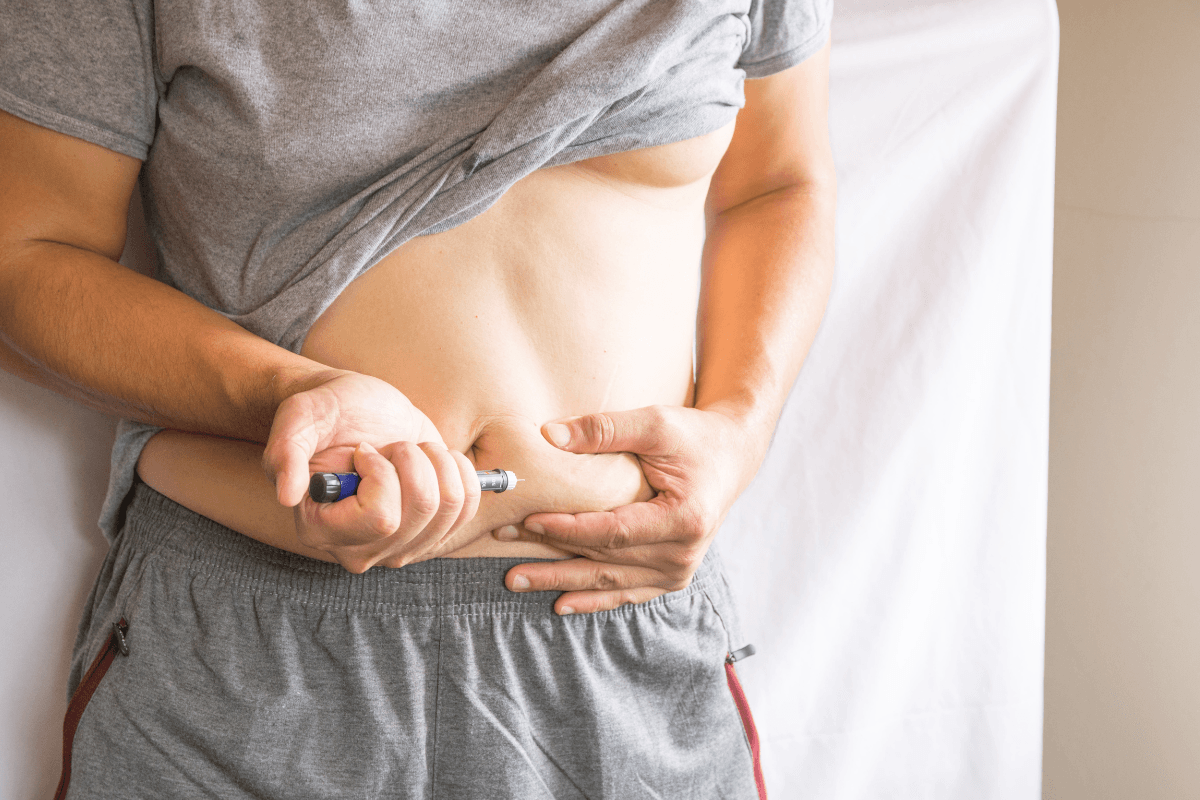
Basal insulin titration also works best when injection technique is steady. A dose taken hours late, a skipped prime on a pen, or an injection that leaks can make a reasonable dose look ineffective. Before increasing units, clinicians often check the basics first.
Once Daily, Twice Daily, and Injection Timing
Levemir can be used once daily or twice daily, and that choice depends on how long each dose lasts for the individual person. Some people get enough 24-hour background coverage from one daily dose. Others do better with split dosing because coverage fades before the next injection.
When twice-daily dosing is used, the goal is steadier background insulin across the full day and night. The need for a second dose may show up as good fasting numbers but rising glucose later in the day, or as a clear gap in coverage before the next scheduled injection. In other words, the pattern often tells the story better than the total number of units.
Morning or evening dosing can both be reasonable depending on the plan. Consistency matters more than choosing a universally best clock time. The label includes once-daily evening or bedtime schedules as well as split daily regimens, but the exact timing should follow the prescription and the glucose pattern being treated.
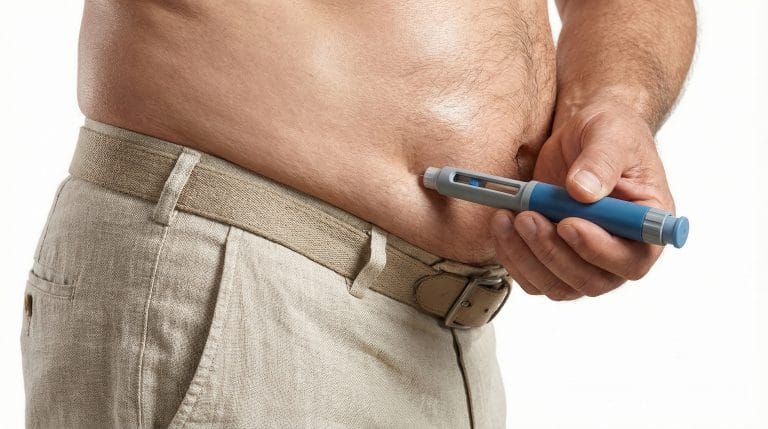
The FlexPen or another delivery device does not change the clinical dose itself. Levemir FlexPen dosage is still prescribed in insulin units. What changes is how the dose is dialed and delivered, which is why a technique review is worth doing if readings do not match expectations.
Quick tip: Bring fasting logs, injection times, and any low readings to follow-up visits.
Dispensing is handled by licensed third-party pharmacies where permitted.
Switching Basal Insulins and Handling a Missed Dose
Switching from another basal insulin to Levemir is not a one-step conversion that works the same for every person. Some switches are close to unit-for-unit, while others call for a more cautious start and closer monitoring. The safest plan depends on the previous insulin, total daily dose, recent lows, kidney function, and whether meal-time insulin is also being used.
This is also why an insulin dose calculator has limits. A calculator can show a framework, but it cannot see overnight lows, a new steroid prescription, or inconsistent injection timing. If the bigger question is whether insulin itself can contribute to body-weight changes, this overview of Insulin Weight Gain adds useful context.
A missed dose should follow the written instructions you were given for that prescription. In general, do not double the next basal dose to catch up. Instead, check glucose more closely and get individualized advice if the schedule is unclear, especially if readings are rising or you feel unwell.
Missed basal insulin can be more serious in type 1 diabetes because lack of background insulin may contribute to ketosis or diabetic ketoacidosis. If a missed dose is followed by vomiting, abdominal pain, deep or fast breathing, marked drowsiness, or very high glucose with ketones, urgent assessment is appropriate. For a plain-language review of that risk, see Ketosis Vs Ketoacidosis.
Questions to Bring to a Follow-Up Visit
The most useful follow-up discussion is built around patterns, not guesses. A short log often tells more than memory alone.
- Fasting readings: several recent days in a row
- Timing record: when each basal dose was injected
- Low events: overnight, exercise-related, or unexplained
- Other drugs: steroids, tablets, or injectables
- Routine changes: meals, shifts, illness, travel, activity
- Weight changes: a possible class effect to review
- Questions about regimen fit: once daily or split dosing
These details help separate a true dose problem from a timing problem, technique issue, or short-term illness. They also help the clinician decide whether fasting highs reflect insufficient basal insulin or a different issue altogether. For broader reading beyond one prescription, the Diabetes Articles hub is a good next step.
Some access routes depend on eligibility and jurisdiction.
Authoritative Sources
- For product-specific dosing language, see the FDA-approved Levemir prescribing information.
- For general basal insulin adjustment principles, review ADCES guidance on basal insulin initiation and titration.
- For a practical peer-reviewed overview, read this review on starting, titrating, and switching basal insulin.
In short, correct basal insulin dosing with Levemir is individualized. The safest reference points are the product label, your glucose pattern over several days, and a written titration or switching plan from the clinician managing your diabetes.
This content is for informational purposes only and is not a substitute for professional medical advice.