
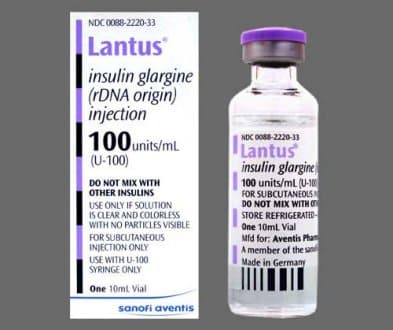
Lantus dosage for adults is individualized, but many care teams start with a low once-daily basal insulin dose and adjust it gradually using fasting glucose patterns. The aim is steady background insulin coverage between meals and overnight, without repeated low blood sugar. Dose changes should follow a clinician-approved plan, especially if you use mealtime insulin, have kidney disease, are pregnant, or have frequent hypoglycemia.
Lantus is the brand name for insulin glargine 100 units/mL, a long-acting basal insulin. It does not replace rapid-acting insulin for meal spikes in type 1 diabetes, and it is not used to treat diabetic ketoacidosis. This page explains common starting frameworks, titration logic, timing choices, injection technique, and safety checks for adults.
Key Takeaways
- Start low: Adult starting doses often use a fixed low dose or weight-based estimate.
- Adjust slowly: Titration usually follows fasting glucose trends over several days.
- Check patterns: One unusual reading matters less than repeated highs or lows.
- Prevent lows: Hypoglycemia symptoms require prompt treatment and clinical review.
- Use consistently: Timing, storage, and injection rotation affect reliability.
How Lantus Works as Basal Insulin
Lantus provides background insulin rather than meal-by-meal glucose control. After injection under the skin, insulin glargine forms small deposits that release gradually. This slow release helps support fasting and between-meal glucose control across the day.
That steady action is why clinicians often focus on fasting glucose when reviewing basal insulin. If fasting readings are above target for several days, basal insulin may be one factor. If readings drop overnight or before breakfast, the dose, timing, food intake, alcohol, activity, or other medicines may need review.
Lantus is usually taken once daily at the same time each day. Some adults use it in the evening, while others use a morning routine. Consistency helps reduce gaps or overlap in basal coverage. For more background on release timing, see Lantus Onset And Duration.
Why it matters: Basal insulin works best when the dose and routine match real glucose patterns.
Common Starting Dose Frameworks for Adults
A Lantus starting dose depends on diabetes type, current medicines, weight, glucose levels, and hypoglycemia risk. Prescribers may use a fixed low starting dose or a weight-based calculation, then adjust based on home readings. These frameworks are starting points, not self-directed instructions.
Type 2 diabetes
For adults with type 2 diabetes, official and guideline-based approaches commonly begin basal insulin at a conservative dose. Some plans use a fixed low dose once daily. Others estimate an insulin glargine starting dose using body weight. The prescriber may choose the lower-risk option if the person is older, has kidney impairment, eats irregularly, or has a history of low blood sugar.
Basal insulin may be added when non-insulin medicines do not provide enough fasting glucose control. It may also be adjusted when steroids, illness, weight changes, or medication changes alter insulin needs. If mealtime readings remain high while fasting readings are near target, the issue may not be the basal dose alone.
Type 1 diabetes
For adults with type 1 diabetes, Lantus usually covers only the basal portion of total daily insulin. Rapid-acting insulin is still needed for meals and corrections, as directed by the diabetes team. A typical plan separates basal insulin from bolus insulin because each part solves a different problem.
In this setting, changing basal insulin without reviewing meal doses can create confusing patterns. For example, a high morning glucose could reflect an insufficient basal dose, late evening food, missed bolus insulin, illness, or the dawn phenomenon. A clinician may review logs, continuous glucose monitor data, and meal timing before changing the basal plan.
For a broader comparison of basal insulin options and how they fit into treatment, see Basal Insulin Types.
How Titration Usually Works
Lantus titration means adjusting the dose in small steps using repeated glucose patterns. Most titration plans focus on fasting glucose because basal insulin has its strongest practical signal overnight and between meals. Your clinician should define the glucose target, adjustment size, and when to pause or reduce.
A common approach is to review several fasting readings before making a change. This reduces the chance of reacting to one unusual night. Exercise, alcohol, missed meals, late snacks, stress, and illness can all shift a single reading. Repeated patterns are more useful than isolated results.
Many titration plans use small unit increases every few days when fasting readings remain above target. If hypoglycemia occurs, the plan may call for dose reduction and a review of causes. Do not increase basal insulin to correct high readings that clearly follow meals unless your clinician has advised that strategy.
| Pattern Seen | What It May Mean | Typical Next Discussion |
|---|---|---|
| Fasting readings above target for several days | Basal coverage may be too low, or another factor may be raising glucose | Whether the titration plan allows a small increase |
| Fasting readings near target | Basal dose may be close to current need | Whether meal readings need separate review |
| Any unexplained low glucose | Basal dose, meals, activity, alcohol, or other medicines may be involved | Whether to reduce, pause titration, or seek urgent help |
| Large swings from day to day | Timing, injection sites, illness, or food patterns may be inconsistent | Whether technique and routine should be corrected first |
This table is educational. It is not a Lantus dosage chart for making personal dose changes. A safe plan should include what to do for both high and low readings.
If you compare glucose results written in mmol/L and mg/dL, a unit converter can reduce recording errors. It helps with unit conversion only and does not recommend insulin doses.
Blood Glucose Unit Converter
Convert glucose readings between mg/dL and mmol/L without changing the clinical value.
These calculations are for education only and do not replace clinical advice, diagnosis, or treatment. Always confirm medical decisions with a qualified healthcare professional.
For more detail on dose review intervals, see Adjust Insulin Dose. For a broader educational look at insulin calculations, see Insulin Dosage Chart.
Timing, Missed Doses, and Daily Routine
The best dosing time is usually the one you can follow consistently. Lantus is designed for once-daily use, and many adults take it at the same time each day. Some use bedtime dosing because it fits their routine. Others prefer morning dosing to avoid missed evening injections.
If you need to change the time of day, ask your clinician how to transition. A sudden timing change can create overlap or a gap in basal insulin coverage. Shift work, travel, fasting, and schedule changes are common reasons to ask for a timing plan.
Missed doses need careful handling because taking extra insulin later can increase hypoglycemia risk. Product instructions and clinician advice should guide what to do. If you are unsure whether a dose was taken, do not guess a replacement strategy without professional guidance.
Quick tip: Use one consistent reminder system, such as a written log or phone alarm.
Injection Technique and Absorption Factors
Injection technique can affect how predictable Lantus feels. Basal insulin is injected into subcutaneous tissue, which is the fatty layer under the skin. Common sites include the abdomen, thigh, and upper arm. Rotating within a site helps reduce lipodystrophy, meaning thickened or pitted fatty tissue that can alter absorption.
Try not to inject into the exact same spot repeatedly. Avoid areas that are bruised, scarred, tender, or hardened. If one area has become lumpy, ask your care team how to rotate safely and whether absorption may have changed.
Device handling also matters. Pens and vials require correct storage, needle use, and priming or drawing technique according to the product instructions. If your prescribed format changes, review the device steps before the first dose. Relevant product pages include Lantus SoloStar Pens, Lantus Vial, and Lantus Cartridges.
Safety Checks During Dose Adjustment
The main safety concern during Lantus dose adjustment is hypoglycemia, or low blood glucose. Symptoms may include shakiness, sweating, hunger, fast heartbeat, headache, confusion, blurred vision, or unusual sleepiness. Severe hypoglycemia can cause seizures, loss of consciousness, or inability to swallow safely.
Adults at higher risk include those with irregular meals, kidney impairment, heavy alcohol intake, intense exercise changes, or prior severe lows. Some medicines can also change insulin needs. Steroids may raise glucose, while other diabetes medicines can increase low-glucose risk when combined with insulin.
Keep a written or digital record of fasting readings, injection time, dose, meals, exercise, illness, alcohol intake, and low-glucose symptoms. This record helps your clinician separate a dosing issue from a routine issue. Continuous glucose monitor reports can also show overnight patterns, but fingerstick confirmation may still be needed in some situations.
Seek urgent medical help for severe low blood sugar, confusion that does not improve, loss of consciousness, seizure, or suspected overdose. If glucagon has been prescribed, household members should know where it is kept and when to use it. After any serious low, the basal plan should be reviewed before further titration.
When a Dose Review Is Especially Important
Some situations call for extra caution before changing Lantus dosage for adults. These include pregnancy, planned surgery, major illness, kidney or liver impairment, major weight change, and starting or stopping medicines that affect glucose. Your care team may also reassess the plan after repeated overnight lows or unexplained morning highs.
Pregnancy requires tighter glucose management and close clinical oversight. Older adults may need individualized goals that account for fall risk, cognition, meal consistency, and other medicines. People with kidney disease may clear insulin more slowly, which can raise the risk of hypoglycemia.
A dose review can also help when basal needs appear unusually high. Sometimes the answer is not simply more basal insulin. Meal insulin, carbohydrate intake, injection technique, insulin storage, missed doses, or a different basal insulin may need discussion. For a plain-language overview of how insulin glargine works in the body, see Lantus In The Body.
How to Prepare for a Clinician Visit
Good records make Lantus titration safer and more precise. Bring enough information to show patterns, not just averages. Three to seven days of readings may help for routine reviews, while longer reports may be useful when patterns vary.
- Current dose: Note units and injection time.
- Fasting readings: Include dates and units.
- Low episodes: Record symptoms, value, and treatment.
- Meal timing: Flag late dinners or skipped meals.
- Activity changes: Note new exercise or heavy labor.
- Medication changes: Include steroids and diabetes drugs.
- Device issues: Mention pen, vial, needle, or storage concerns.
CanadianInsulin.com provides educational medication information and product navigation. When prescription details are required, the platform may help confirm them with the prescriber, while dispensing is handled by licensed third-party pharmacies where permitted.
Authoritative Sources
The official Lantus prescribing information describes approved use, dosing principles, warnings, and administration requirements for insulin glargine 100 units/mL.
Diabetes Canada clinical guidance provides basal insulin initiation and titration examples used in diabetes care planning.
The ADA Standards of Care outline diabetes treatment principles, glucose monitoring, hypoglycemia management, and individualized care goals.
Recap
Lantus dosage for adults starts with an individualized basal insulin plan and changes gradually. Fasting glucose patterns, hypoglycemia risk, timing, injection technique, and routine changes all matter. The safest titration plan is written, specific, and reviewed when readings or health circumstances change.
For broader browsing, the Diabetes Articles collection includes related education, while the Diabetes Condition page helps readers navigate condition-related product categories.
This content is for informational purposes only and is not a substitute for professional medical advice.


