
Lantus onset peak duration is usually described as a slow start, little to no pronounced peak, and coverage that can approach 24 hours. This timing matters because Lantus is meant to provide basal insulin, or background insulin, rather than rapid mealtime coverage.
Lantus is the brand name for insulin glargine U-100. It is injected under the skin and used as part of a diabetes plan when long-acting insulin is appropriate. It should not be used to correct a high reading quickly or replace rapid-acting insulin at meals unless your clinician has specifically built your plan that way.
Key Takeaways
- Slow onset: Often begins working in about 1–2 hours.
- Minimal peak: Designed for steady basal coverage.
- Long duration: Effects may last close to 24 hours.
- Not fast acting: It is not for rapid meal correction.
- Patterns matter: Exercise, illness, missed meals, and kidney function can change insulin needs.
How the Time-Action Profile Works
The Lantus onset of action is commonly listed at about 1–2 hours after a subcutaneous injection. Some references describe a slightly wider range because insulin absorption varies between people and even between injections in the same person.
After injection, insulin glargine forms tiny deposits in the tissue under the skin. These deposits slowly release insulin into the bloodstream. That mechanism helps explain why the curve is flatter than older intermediate-acting insulins, such as NPH insulin.
Peak time is different from onset. Onset means when insulin begins to have a glucose-lowering effect. Peak means when that effect is strongest. Lantus is usually described as having no pronounced peak, although real-world glucose readings can still rise or fall because food, activity, stress, and other insulin doses are also involved.
Duration refers to how long one dose continues to work. Lantus duration of action may approach 24 hours in many adults, but it can be shorter or longer for some people. If fasting glucose trends suggest gaps or overnight lows, the next step is not to adjust the dose alone. Bring your glucose log, dose timing, meals, and activity notes to your healthcare professional.
Why it matters: A basal insulin problem often shows up as repeated fasting highs, overnight lows, or unexplained patterns between meals.
Is Lantus Long Acting or Fast Acting?
Lantus is a long-acting insulin, not a fast-acting insulin. It is designed to provide background insulin between meals and overnight. Rapid-acting insulins are different because they start sooner and are usually used around meals or for correction dosing when prescribed.
This distinction is important. If someone expects Lantus to lower glucose quickly after a meal, they may misunderstand its role. A high reading soon after eating may relate to carbohydrates, rapid-acting insulin timing, missed doses, illness, or other factors. Lantus works too slowly to function like a mealtime insulin.
For broader context on basal insulin choices and dosing frameworks, see Basal Insulin Types. If you want a wider time-action comparison across long-acting products, Long-Acting Insulin Names reviews common basal options.
What Can Shift Onset, Peak, and Duration?
Insulin timing is not fixed like a clock. Lantus onset peak duration can vary because injected insulin must absorb from the tissue before it can act. Small changes in injection technique or body conditions can shift the pattern.
Injection Site and Technique
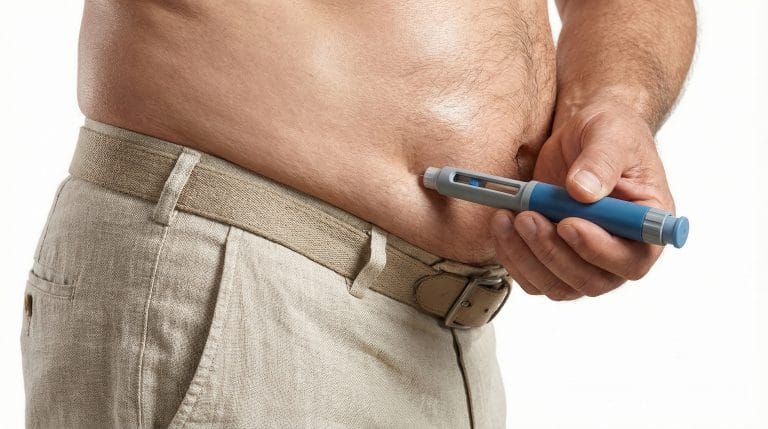
Common injection areas include the abdomen, thigh, upper arm, and buttock when approved by your care team. Rotating within these areas helps reduce lipohypertrophy, which means thickened or lumpy tissue from repeated injections. Thickened tissue can make absorption less predictable.
Avoid injecting into scarred, bruised, or irritated skin. Do not massage the injection site unless your clinician has told you to do so. Heat, vigorous rubbing, and accidental intramuscular injection can speed absorption and may increase the chance of unexpected lows.
Activity, Illness, and Daily Routine
Exercise can increase insulin sensitivity, sometimes for hours after the activity. Illness, infection, pain, poor sleep, and stress can raise glucose and change insulin needs. Alcohol can also increase the risk of low glucose, especially when food intake is reduced.
Kidney or liver problems may affect insulin exposure because the body clears insulin differently. Pregnancy, weight changes, and new medications can also change glucose patterns. These situations deserve clinician review, especially if lows are repeated or severe.
Quick tip: Track dose time, injection site, meals, activity, and unusual symptoms together for pattern review.
Using Glucose Data to Interpret the Curve
Glucose readings can help show whether basal coverage is fitting your routine. A single number rarely tells the full story. A pattern over several days is more useful, especially when meals, activity, and rapid-acting insulin have been consistent.
People who use meters or continuous glucose monitors may see values reported in mg/dL or mmol/L. The converter below can help with unit conversion when comparing logs, lab reports, or clinician instructions. It does not interpret results or replace medical guidance.
Blood Glucose Unit Converter
Convert glucose readings between mg/dL and mmol/L without changing the clinical value.
These calculations are for education only and do not replace clinical advice, diagnosis, or treatment. Always confirm medical decisions with a qualified healthcare professional.
If you use a continuous glucose monitor, time-in-range trends may help your clinician understand overnight and between-meal patterns. If you use fingerstick testing, fasting readings, bedtime checks, and occasional overnight checks may provide useful context when your care team recommends them.
Seek urgent help for severe hypoglycemia symptoms, such as confusion, seizure, inability to swallow safely, or loss of consciousness. Also seek prompt medical advice for repeated unexplained lows, persistent vomiting, or high glucose with ketones if you have been told to check for them.
How It Compares With Other Basal Insulins
Lantus is one basal insulin option. Other long-acting insulins may have different onset, duration, concentration, dosing flexibility, or device features. These differences do not automatically make one product better for every person.
NPH insulin is an intermediate-acting insulin and has a more noticeable peak than insulin glargine. That peak can be useful in some plans but may also increase timing complexity. Long-acting analogs, including insulin glargine products, are often chosen when a flatter basal profile is desired.
Degludec is another long-acting basal insulin with an extended duration profile. For a pharmacology-focused comparison, see Insulin Degludec vs Insulin Glargine. For a brand-level discussion of routine and timing considerations, Tresiba vs Lantus may help frame questions for your prescriber.
Some people also compare insulin glargine U-100 with more concentrated glargine products. Concentration changes can affect injection volume and timing characteristics, so switching should be clinician-directed. Do not substitute products or change timing without medical guidance.
Devices, Storage, and Practical Handling
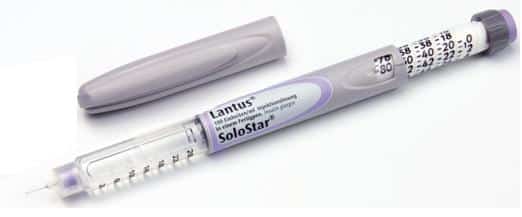
Lantus may be supplied in different formats, including pens, vials, and cartridges. Device choice can affect convenience, dose setting, needle use, and how the insulin fits into a daily routine. It does not change the basic role of insulin glargine as basal insulin.
People who use a prefilled pen can review format details on Lantus Solostar Pens. Those comparing other formats can view Lantus Vial or Lantus Cartridges for packaging information.
Storage instructions can vary before and after first use. Check the product label and your pharmacist’s instructions. Do not use insulin that looks unusual, has been exposed to unsafe temperatures, or is past its labeled use period after opening.
CanadianInsulin.com functions as a prescription referral platform. When required, prescription details may be confirmed with the prescriber, while dispensing is handled by licensed third-party pharmacies where permitted.
Safety Notes and Side Effects
The most common safety concern with any insulin is hypoglycemia, or low blood glucose. Symptoms may include sweating, shaking, hunger, headache, fast heartbeat, confusion, or weakness. Some people have reduced warning symptoms, especially after frequent lows or long-standing diabetes.
Other possible insulin glargine side effects include injection-site reactions, itching, rash, lipodystrophy, swelling, and weight gain. Low potassium can occur with insulin treatment and may be more relevant in people using certain medications or those with specific medical conditions.
Allergic reactions are uncommon but can be serious. Seek urgent care for trouble breathing, swelling of the face or throat, widespread hives, or severe dizziness after insulin use. Do not restart insulin after a suspected serious reaction unless a clinician has evaluated you.
Weight gain can happen when glucose control improves because fewer calories are lost through urine. Treating lows with extra calories can also contribute. If weight change becomes a concern, discuss nutrition, activity, and hypoglycemia prevention with your care team rather than skipping insulin.
When to Review Your Plan With a Clinician
Review your basal insulin plan when patterns repeat or your routine changes. Lantus onset peak duration information helps you understand timing, but it cannot identify the right dose for your situation.
- Repeated lows: Especially overnight or before meals.
- Morning highs: Persistent fasting elevations need pattern review.
- Missed doses: Ask for a written catch-up plan.
- New exercise: Activity may alter insulin sensitivity.
- Illness or pregnancy: Monitoring needs may change quickly.
- New medicines: Some drugs can shift glucose patterns.
If you forget a dose, follow the plan provided by your clinician. Avoid doubling doses unless your prescriber specifically instructed that approach. Extra basal insulin can increase the risk of delayed or prolonged hypoglycemia.
For broader navigation, the Diabetes Articles category includes educational content on diabetes care. Condition-based browsing is also available through the Diabetes collection.
Authoritative Sources
For official prescribing details, see the Lantus U.S. prescribing information. It describes approved use, contraindications, warnings, and safety information.
For Canadian regulatory product information, consult Health Canada’s drug product database entry. Product monographs are useful for label-backed details.
For broader diabetes care standards, review the ADA Standards of Care in Diabetes. These standards provide clinical context for insulin use and monitoring.
Recap
Lantus is a long-acting basal insulin with a gradual onset, no pronounced peak, and a duration that may approach 24 hours. Its purpose is steady background coverage, not rapid mealtime correction.
Use timing information to ask better questions, not to make independent dose changes. Glucose trends, injection technique, illness, activity, and other medicines all affect the picture. Bring repeated patterns to your healthcare professional for safe review.
This content is for informational purposes only and is not a substitute for professional medical advice.