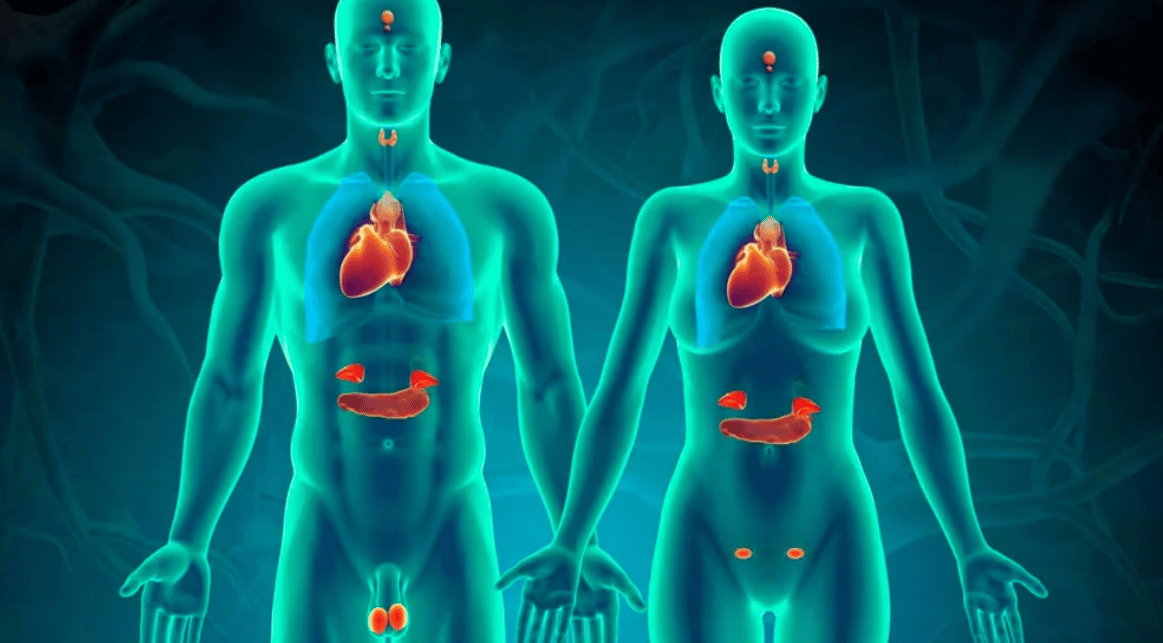
Diabetes and endocrine system function are closely linked because diabetes begins with hormone regulation. The pancreas, brain, liver, gut, thyroid, and adrenal glands all help control glucose, appetite, energy use, and stress responses. When insulin is missing or does not work well, other hormones can push blood sugar higher or make day-to-day patterns harder to predict.
This matters because glucose numbers rarely reflect food alone. Sleep loss, illness, stress hormones, thyroid disease, medications, and digestion can all change the response. A practical hormone view helps you understand symptoms, lab tests, and when specialist input may be useful.
Key Takeaways
- Hormone network: Insulin, glucagon, cortisol, incretins, and thyroid hormones shape glucose control.
- Main gland: Diabetes most directly involves the pancreas, especially insulin-producing beta cells.
- Type differences: Type 1 diabetes involves insulin deficiency; Type 2 diabetes usually starts with insulin resistance.
- Broader effects: Nerves, digestion, kidneys, and cardiovascular risk can change with chronic hyperglycemia.
- Care planning: Patterns, symptoms, medications, and targeted labs guide next steps.
How Diabetes Fits Into the Endocrine System
Diabetes is an endocrine disorder because it involves insulin, a hormone made by the pancreas. It is also a metabolic disorder because it changes how the body uses glucose, fat, and protein. Both descriptions are correct, but they answer different questions.
The endocrine system is a network of glands that release hormones into the bloodstream. These chemical messengers travel to organs and tissues, where they help regulate growth, reproduction, blood pressure, stress responses, appetite, and fuel use. In diabetes, the central issue is glucose regulation, but the effects extend beyond the pancreas.
The pancreas contains clusters of hormone-producing cells called islets. Beta cells release insulin, which helps move glucose from blood into cells. Alpha cells release glucagon, which tells the liver to release stored glucose when levels fall. In a healthy feedback loop, these hormones balance each other throughout the day.
With diabetes, that balance changes. In Type 1 diabetes, autoimmune injury destroys many beta cells, causing severe insulin deficiency. In Type 2 diabetes mellitus, the body often resists insulin at first, then beta cells may struggle to keep up over time. Either pathway can lead to persistent hyperglycemia, the medical term for high blood glucose.
For a closer look at the insulin-glucagon balance, see Insulin and Glucagon. That relationship explains why fasting glucose, post-meal glucose, and low-glucose episodes can each point to different physiology.
What Happens to Hormones When Blood Sugar Runs High
High glucose can disrupt several feedback loops that normally keep energy levels stable. Insulin may be too low, ineffective, or mistimed for the body’s needs. Glucagon may remain inappropriately high, which can tell the liver to add more glucose to the bloodstream even when levels are already elevated.
Stress hormones add another layer. Cortisol and adrenaline help the body respond to illness, pain, poor sleep, and emotional stress. They can raise glucose by increasing liver glucose output and making tissues less sensitive to insulin. This is one reason a usual meal can cause a different glucose pattern during infection or after a poor night’s sleep.
Gut hormones also matter. Incretin hormones help coordinate insulin release after meals and influence fullness. Glucagon-like peptide-1, often shortened to GLP-1, is one of these signals. It is part of the normal meal-response system and is also relevant to several diabetes medicines. For more context, read Glucagon-Like Peptide-1.
Thyroid hormones can shift the picture as well. Too much thyroid hormone may speed metabolism and worsen glucose variability in some people. Too little thyroid hormone may affect weight, lipids, energy, and digestion. These changes do not prove thyroid disease is present, but they can prompt testing when symptoms fit.
Why it matters: Glucose patterns often make more sense when hormones, illness, sleep, and medication timing are reviewed together.
Which Gland Is Affected in Diabetes?
The pancreas is the main endocrine gland involved in diabetes. It sits behind the stomach and has two broad jobs. One job is digestive, through enzyme release into the small intestine. The other job is endocrine, through hormone release into the blood.
Insulin is a hormone, not just a medication. In the body, it signals cells to take up glucose and helps store energy after meals. When insulin is absent, low, or poorly used, glucose stays in the bloodstream instead of moving efficiently into cells.
Glucagon works in the opposite direction. It helps prevent glucose from dropping too low, especially between meals and overnight. In diabetes, glucagon signaling may become mismatched with actual glucose levels. That mismatch can contribute to fasting hyperglycemia and difficult morning readings.
Other glands can influence diabetes without being the original cause. The adrenal glands release cortisol and adrenaline. The thyroid helps regulate metabolic rate. The pituitary gland controls several hormone axes, including growth hormone and adrenal signaling. The ovaries and testes also interact with insulin sensitivity through sex hormones.
Rarely, hormone-producing tumors or endocrine conditions can cause secondary diabetes. For example, excess cortisol, excess growth hormone, or certain pancreatic hormone disorders may worsen insulin resistance or glucose output. These are not the most common causes, but they matter when symptoms are unusual or glucose changes appear suddenly.
Type 1 and Type 2 Diabetes: Different Endocrine Pathways
Type 1 diabetes and Type 2 diabetes both affect the endocrine system, but they usually start from different mechanisms. Understanding the difference helps explain why treatment plans and monitoring needs vary.
Type 1 diabetes
Type 1 diabetes is usually autoimmune. The immune system damages pancreatic beta cells, which leads to absolute or near-absolute insulin deficiency. Onset can be rapid, especially in children and younger adults, though adults can also develop autoimmune diabetes.
Because insulin is essential for moving glucose into cells and preventing ketone buildup, insulin treatment is typically required. C-peptide testing may help estimate how much insulin the body still makes. Autoantibody testing can also support the diagnosis when the clinical picture is unclear.
Type 2 diabetes mellitus
Type 2 diabetes mellitus often begins with insulin resistance. Muscle, liver, and fat tissue do not respond to insulin as efficiently. The pancreas may compensate by making more insulin at first, but beta-cell function can decline over time.
Risk factors can include family history, age, weight gain, sedentary habits, sleep disruption, certain medications, and some endocrine disorders. These factors do not affect every person the same way. Genetics and social conditions also shape risk and access to care.
In Type 2 diabetes, treatment may include nutrition changes, physical activity, weight management when appropriate, oral medicines, injectable medicines, or insulin. The right plan depends on glucose patterns, other conditions, safety risks, and clinician judgment.
People comparing condition pathways may also find Diabetes Condition Resources useful for browsing related treatment categories and products. Use that type of page as navigation, not as a substitute for diagnosis or individualized advice.
Diabetes Mellitus, Diabetes Insipidus, and Water Balance
Diabetes mellitus and diabetes insipidus sound similar, but they are different conditions. Diabetes mellitus involves glucose regulation. Diabetes insipidus involves water balance and vasopressin, also called antidiuretic hormone.
In diabetes insipidus, the body produces very large amounts of dilute urine. Thirst can be intense, and dehydration can develop if fluid intake does not keep up. Central diabetes insipidus occurs when the brain does not release enough vasopressin. Nephrogenic diabetes insipidus occurs when the kidneys do not respond properly to vasopressin.
The testing approach is different. Diabetes mellitus evaluation focuses on blood glucose, A1C, and related metabolic markers. Diabetes insipidus evaluation may involve sodium levels, urine osmolality, and specialist-supervised water-balance testing. Treating one as the other can delay the correct care path.
For a side-by-side explanation, read Diabetes Mellitus vs Diabetes Insipidus. For symptom-focused background, see Diabetes Insipidus Symptoms.
Symptoms That May Point to Endocrine Overlap
Endocrine symptoms can overlap, so patterns matter more than one isolated complaint. Classic diabetes symptoms include increased thirst, frequent urination, fatigue, blurry vision, slow wound healing, and unexplained weight change. Low glucose symptoms may include shakiness, sweating, hunger, confusion, or palpitations.
Symptoms outside the usual glucose pattern may suggest another hormone issue. Cold intolerance, constipation, dry skin, and fatigue can occur with hypothyroidism. Heat intolerance, tremor, fast heartbeat, and unintentional weight loss may occur with hyperthyroidism. Easy bruising, muscle weakness, new purple stretch marks, or unusual weight distribution can raise concern for cortisol excess.
Reproductive and androgen-related symptoms can also matter. Irregular menstrual cycles, acne, excess facial hair, and weight changes may fit polycystic ovary syndrome, a condition often linked with insulin resistance. Low libido, erectile changes, or menstrual changes may suggest gonadal hormone involvement, but many non-endocrine causes are also possible.
Some symptoms require prompt medical attention. Seek urgent care for severe dehydration, confusion, fainting, persistent vomiting, chest pain, trouble breathing, or signs of diabetic ketoacidosis such as abdominal pain, rapid breathing, fruity-smelling breath, and very high glucose with ketones. These symptoms need direct clinical assessment.
Quick tip: Track symptoms beside glucose readings, meals, sleep, stress, and medication timing.
Testing and Monitoring: What Clinicians Often Review
Testing depends on the question being asked. For diabetes diagnosis and monitoring, common tests include fasting glucose, A1C, random glucose, oral glucose tolerance testing in selected cases, kidney markers, lipids, and urine albumin. Clinicians may also review blood pressure, weight trends, medication lists, and family history.
A1C estimates average glucose over roughly the prior few months, while fingerstick or continuous glucose monitor readings show shorter-term patterns. Both can be useful, but neither replaces clinical interpretation. Anemia, kidney disease, pregnancy, and some blood disorders can affect how A1C is interpreted.
The calculator below can help convert between A1C and estimated average glucose for general understanding. It does not diagnose diabetes or replace a clinician’s review.
HbA1c & eAG Calculator
Convert between HbA1c percentage and estimated average glucose using the ADAG relationship.
These calculations are for education only and do not replace clinical advice, diagnosis, or treatment. Always confirm medical decisions with a qualified healthcare professional.
When symptoms suggest a broader endocrine issue, clinicians may consider targeted tests. Thyroid-stimulating hormone, often called TSH, is common when thyroid disease is suspected. Morning cortisol, prolactin, sex hormones, celiac screening, or autoimmune diabetes testing may be considered in selected situations.
Persistent unexplained hypoglycemia deserves careful review. Causes may include medication effects, missed meals, alcohol use, kidney disease, adrenal insufficiency, or rare insulin-producing tumors. For a rare but important pancreatic cause, see Insulinoma Causes and Symptoms.
Practical Care Questions to Bring to an Appointment
A hormone-focused appointment is most useful when you bring patterns, not just single numbers. Write down when highs or lows happen, what you ate, whether exercise occurred, and whether illness or stress was present. Include medication timing and missed doses without judgment.
- Pattern timing: Ask whether highs are fasting, post-meal, overnight, or random.
- Medication review: Confirm whether any medicines may affect glucose or appetite.
- Thyroid clues: Mention temperature intolerance, bowel changes, tremor, or major fatigue.
- Digestive symptoms: Report early fullness, nausea, reflux, or unpredictable post-meal readings.
- Low glucose risk: Discuss shakiness, confusion, sweating, or repeated lows.
- Referral needs: Ask when endocrinology input may help.
Care often works best as a team process. Primary care, endocrinology, diabetes education, nutrition support, pharmacy input, eye care, kidney care, and foot care may each play a role. The exact team depends on the type of diabetes, complications, access, and personal priorities.
If thyroid replacement is part of a broader endocrine plan, product pages such as Synthroid or Thyro-Tabs can help readers identify medication names and formulations for discussion with a prescriber. Medication selection and dose changes should always come from a licensed clinician.
For broader browsing, the Diabetes Articles collection and Endocrine Thyroid Articles collection can help connect glucose topics with related hormone conditions.
Authoritative Sources
The NIDDK symptoms and causes resource explains common diabetes symptoms, causes, and endocrine contributors in patient-friendly language.
The Endocrine Society diabetes resource provides a concise overview of diabetes and endocrine function.
The MedlinePlus endocrine system overview summarizes major glands, hormones, and related conditions.
Recap
Diabetes is both endocrine and metabolic. The endocrine side centers on insulin, glucagon, incretins, stress hormones, thyroid hormones, and feedback loops. The metabolic side involves how cells use and store fuel.
The pancreas is the main gland affected, but the wider hormone network often shapes symptoms and glucose variability. If readings remain unpredictable or symptoms suggest another gland disorder, a structured review with a clinician can help identify the next appropriate tests.
This content is for informational purposes only and is not a substitute for professional medical advice.