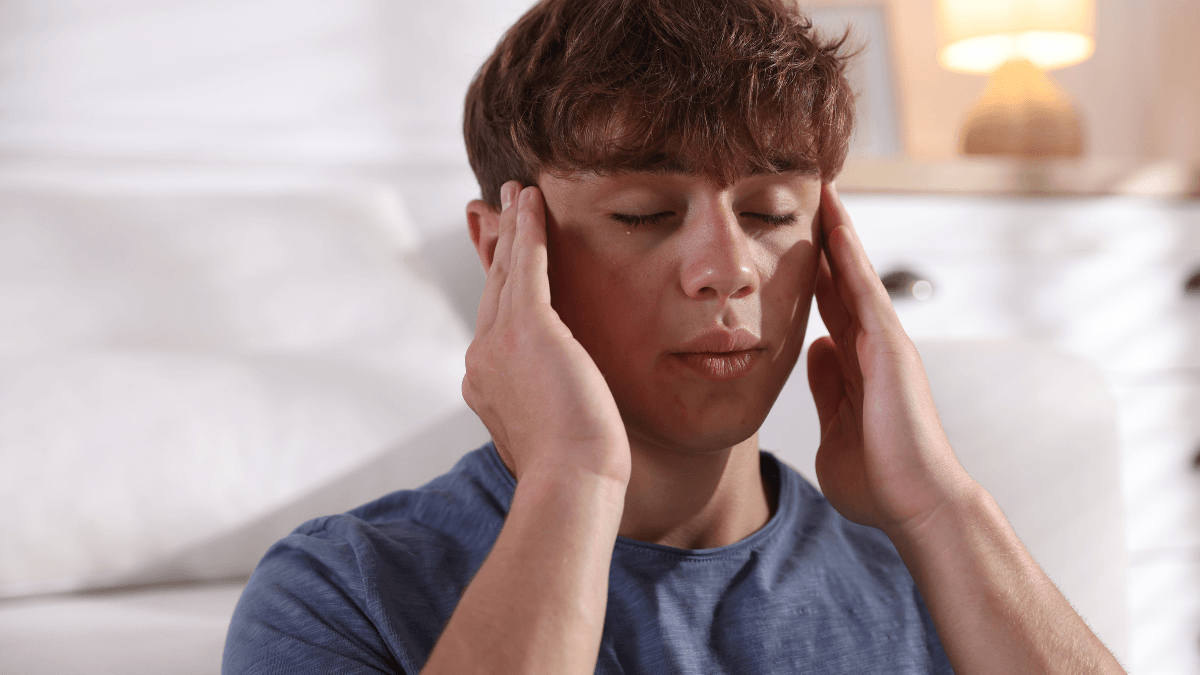
Head pain can complicate daily life, especially when glucose swings are involved. Many people notice patterns between diabetes and headaches, including links to meals, sleep, hydration, and medications. Understanding why this happens helps you reduce frequency, spot red flags, and talk clearly with your care team. This guide explains mechanisms, practical steps, and when to seek urgent help.
We cover common triggers such as blood sugar shifts, morning patterns, and dehydration, plus how to differentiate migraines, cluster headaches, and other causes. You will also find tips on symptom tracking, sleep routines, and medication side effects. The goal is to make daily choices simpler and safer.
Key Takeaways
- Track patterns: timing, meals, glucose, sleep, and hydration.
- Glucose swings: both lows and highs can cause head pain.
- Morning headaches: sleep quality, apnea, and dehydration often contribute.
- Differentiate types: migraine, tension, cluster, and secondary causes.
- Know red flags: severe, sudden, or neurologic symptoms need urgent care.
Diabetes and Headaches: Patterns and Triggers
Headaches are common, but diabetes changes the context. Glucose fluctuations can alter blood vessels and brain energy supply, which may trigger pain. Hyperglycemia (high blood sugar) can increase urination and osmotic shifts, leading to dehydration and head pressure. Hypoglycemia (low blood sugar) can starve neural tissue of glucose, which may cause headache, dizziness, and trouble focusing.
Patterns matter. Note whether headaches follow delayed meals, large carbohydrate loads, missed medications, or strenuous exercise. Compare timing to your glucose readings, and include sleep duration and hydration in your log. This detailed diary helps your clinician identify root causes and reduce episodes.
For a primer on fluid balance and high sugars, see Diabetes and Dehydration for why hydration affects head pain.
How Blood Glucose Fluctuations Trigger Head Pain
Both high and low glucose can produce headaches through different mechanisms. With hyperglycemia, fluids shift from tissues, contributing to dehydration and electrolyte changes. That state may sensitize pain pathways and cause a throbbing or pressure-like sensation. Some patients also describe photophobia or fatigue when sugars run high, which can worsen discomfort.
Hypoglycemia headaches feel different for many people. Shakiness, sweating, irritability, or blurred vision can accompany the pain. Recognizing early signs helps you treat promptly with fast-acting carbohydrates and recheck. For at-home education on severe low events, review Use Glucagon Injection Kit for step-by-step emergency guidance.
Clinicians note that what does a low blood sugar headache feel like can vary, but it often improves after correcting glucose. Authoritative resources describe hypoglycemia symptoms and safety measures; see the NIDDK overview for a clinical summary.
Morning Headaches, Sleep, and Diabetes
Mornings are a common trouble spot. Some people report diabetes and headaches in the morning after restless nights or snoring. Possible contributors include nocturnal hypoglycemia, rebound hyperglycemia (the dawn phenomenon), dehydration, bruxism (teeth grinding), or untreated sleep apnea. Keeping overnight glucose logs and noting sleep quality can reveal patterns tied to head pain upon waking.
Sleep loss changes hormones that regulate appetite, stress, and glucose. Fragmented sleep can increase insulin resistance, which may worsen glycemic variability and headache frequency. Consider consistent bedtimes, a dark cool bedroom, and a wind-down routine. If heavy snoring, choking episodes, or daytime sleepiness are present, ask about sleep apnea testing.
Public health guidance suggests adults need sufficient sleep to support metabolic health; see the CDC sleep duration guidance for recommended hours by age.
When Headaches Signal Prediabetes or Type 2 Changes
Headaches alone rarely diagnose blood sugar disorders, but they can be part of a broader picture when glucose runs high or variable. If you notice more frequent head pain with increased thirst, frequent urination, blurry vision, or fatigue, consider documenting readings for your clinician. These clusters can signal early metabolic changes that warrant testing and lifestyle review.
Women may notice additional cues such as cycle-related sensitivity to migraines or fluctuating energy tied to insulin resistance. Tracking meals, carbohydrate portions, and hydration can help distinguish dietary triggers from glycemic ones. Bringing a two-week diary to your visit often shortens the path to an effective plan. For a broader symptom review, see Diabetes Attack Symptoms to compare overlapping warning signs.
Migraines and Diabetes: What to Know
Migraine is a neurological disorder featuring throbbing pain, sensitivity to light or sound, and sometimes aura. It can coexist with diabetes and complicate glucose management due to nausea, skipped meals, or medication effects. Care teams often emphasize regular meals, hydration, and preventive strategies to reduce combined burden.
Evidence on type 2 diabetes and migraines is mixed, but shared vascular and inflammatory pathways may play a role. Some people find that stabilizing glucose reduces migraine frequency, while others need standard migraine therapies. If you take glucose-lowering agents, discuss interactions with migraine medications. For broader headache awareness, see Headache Awareness Warning Signs for red-flag education and relief options.
Differentiating Cluster, Tension, and Other Headaches
Headaches differ in trigger, location, and associated symptoms. Tension-type pain often feels like a tight band around the head, linked to neck strain and stress. Migraines are usually unilateral, pulsating, and aggravated by activity. Cluster headaches are strictly one-sided, severe, and come in cycles with eye tearing or nasal congestion on the same side.
Patients often ask: is cluster headache dangerous. While cluster attacks are extremely painful, the danger usually lies in misdiagnosis or delayed care for secondary causes. Sudden, worst-ever pain, new neurologic deficits, fever, or head trauma require urgent evaluation. A neurologist may order imaging or targeted therapies based on your pattern. For community education on warning patterns, visit Headache Awareness Warning Signs for structured red flags and next steps.
Note: Nasal decongestants and combination analgesics can interact with chronic conditions. Review new over-the-counter products with your clinician or pharmacist to reduce risks.
Sleep and Insomnia: Managing the Two-Way Street
Sleep quality strongly influences glucose control and pain thresholds. Short sleep can increase stress hormones and insulin resistance, which may amplify head pain and cravings the next day. People with frequent awakenings often describe more intense morning pressure and fatigue. Stabilizing bedtime routines, limiting late caffeine, and keeping regular wake times may help steady glucose and reduce headaches.
Many patients worry about lack of sleep and diabetes because poor sleep worsens glycemic variability. If you suspect insomnia, behavioral approaches like stimulus control and cognitive strategies are first-line and drug-sparing. When pharmacologic sleep aids are considered, clinicians weigh metabolic effects and morning grogginess. For neurology-related posts you can explore Neurology Articles to compare headache and sleep topics in context.
Practical Relief and Prevention Strategies
Start with a simple playbook: hydrate, check glucose, and treat lows or highs appropriately. Then evaluate recent meals, stress, and posture. Gentle stretching, a brief walk, a cool compress, or a quiet dark room can ease symptoms. Keep a small kit with water, a glucose source, and your meter or CGM reader when away from home.
People often ask how long does a sugar headache last. Duration varies with the cause; headaches from mild hypoglycemia may ease within 15–60 minutes after correction, while dehydration or migraine-related pain can take longer. Preventive steps include steady meal timing, fiber-rich carbohydrates, and avoiding large sugar spikes. For broader diabetes education, browse Diabetes Articles to reinforce daily management topics.
Medication effects sometimes trigger head pain. GLP-1 agents, basal insulins, and other therapies list headache among potential side effects. For nuanced safety details, see Trulicity Side Effects and Toujeo Side Effects for context on symptoms and monitoring. When headaches persist with a new medicine, document timing and discuss adjustments with your prescriber.
Tip: Use a one-page log: date, time, pain rating, glucose, food, fluids, sleep hours, and notes on stress or menses. Patterns often emerge within two weeks.
Safety, Emergencies, and When to Seek Care
Seek urgent evaluation for thunderclap onset, the “worst ever” headache, confusion, stiff neck, fainting, new weakness, slurred speech, or head trauma. These features can indicate bleeding, infection, stroke, or other emergencies unrelated to glucose level. If severe hyperglycemia is suspected with vomiting and deep breathing, emergency care helps rule out ketoacidosis.
Families sometimes worry: can you die from low blood sugar in your sleep. Severe, prolonged nocturnal hypoglycemia is dangerous and requires prevention planning with your clinician. Education on overnight monitoring, bedtime snacks when appropriate, medication timing, and rescue therapy is essential. For symptom lists of high sugars, see the ADA symptom guidance, and for low sugars, review the NIDDK hypoglycemia overview which details risks and treatment steps.
Sleep sufficiency is part of safety. For practical targets on duration, the CDC recommendations outline healthy ranges that support metabolic control. If headaches cluster with dehydration or heat exposure, carry fluids and electrolyte options. For general insulin topics that affect daily control, see Humalog Mix KwikPen for device basics and timing considerations.
Related Considerations and Useful Links
High sugars can worsen urination-driven dehydration. Reviewing causes and prevention steps may reduce head pain frequency; see Diabetes and Dehydration for practical hydration thresholds. If headache patterns change after starting a new injection or pen, check adverse event profiles. For examples, see Xultophy Side Effects and Adlyxin Uses and Side Effects to compare common and uncommon reactions.
To explore broader condition pages and learning paths, start with Diabetes Products for device and medication categories, then scan recent Diabetes Articles for self-management refreshers. These resources help you prepare focused questions for your next appointment.
Recap
Headaches in diabetes have multiple drivers, including glucose swings, dehydration, sleep disruption, and primary headache disorders. A simple log that captures glucose, meals, sleep, and hydration often clarifies the pattern. Use that information to refine routines and discuss targeted interventions with your care team. Seek urgent care for severe or atypical features.
This content is for informational purposes only and is not a substitute for professional medical advice.