
Diabetic nephropathy is kidney damage caused by diabetes, usually detected first through extra albumin protein in the urine. It can develop silently for years, so routine urine and blood testing matters even when you feel well. Early recognition, blood pressure control, glucose management, and kidney-protective medicines may help slow decline and reduce complications.
Key Takeaways
- Earliest clue: Persistent albumin in urine often appears before symptoms.
- Core tests: Urine albumin-to-creatinine ratio and eGFR track kidney risk.
- Main targets: Blood pressure, glucose, lipids, and albuminuria guide care.
- Treatment layers: RAAS blockers and SGLT2 inhibitors may protect kidney function.
- Documentation matters: Coding should reflect diabetes type, kidney involvement, and CKD stage.
What Diabetic Nephropathy Means
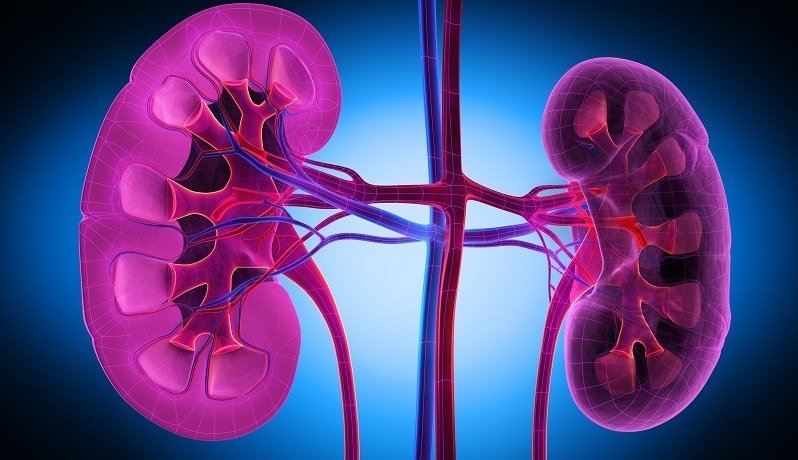
Diabetic nephropathy means diabetes has injured the kidney’s filtering units, called glomeruli. Many clinicians now use the broader term diabetic kidney disease, because kidney problems in diabetes can overlap with hypertension, aging, vascular disease, and other chronic kidney disease causes.
The basic problem starts with prolonged high blood glucose and pressure inside the kidney’s small blood vessels. Over time, the filtration barrier becomes leaky. Albumin, a blood protein, starts to pass into urine. Later, filtration may slow, which appears as a falling estimated glomerular filtration rate, or eGFR.
Why this matters: kidney involvement raises the risk of cardiovascular disease, fluid retention, medication complications, and kidney failure. It also changes how clinicians choose diabetes, blood pressure, cholesterol, and pain medicines. For more background on the related terminology, see Diabetic Kidney Disease.
Causes and Pathophysiology in Plain Language
Diabetic nephropathy develops when metabolic stress and blood pressure stress damage the kidney filters over time. Chronic hyperglycemia can trigger oxidative stress, inflammation, and advanced glycation end products, which are sugar-linked compounds that stiffen and injure tissues.
Inside the kidney, early diabetes can cause glomerular hyperfiltration. This means the filters work under higher pressure than normal. At first, eGFR may look normal or even high. That can be misleading, because the filtration barrier may already be under strain.
The renin-angiotensin-aldosterone system, often shortened to RAAS, also plays a major role. When RAAS activity is high, pressure inside the glomerulus can rise. That pressure encourages albumin leakage and scarring. This is why ACE inhibitors and ARBs are often considered when albuminuria and blood pressure patterns support their use.
Several factors can increase risk or speed progression. These include long diabetes duration, high blood pressure, smoking, high LDL cholesterol, obesity, family kidney disease, and a history of cardiovascular disease. A broader look at long-term organ effects is available in Diabetes Complications.
Early Signs, Symptoms, and When to Pay Attention
The first sign of diabetic nephropathy is usually persistent albuminuria, not pain or visible urine changes. Albuminuria means albumin is present in urine above the expected range. It is usually found on a urine albumin-to-creatinine ratio test, often called uACR.
Many people have no symptoms in the early stages. This is why annual kidney screening is central to diabetes care. If symptoms appear, they often suggest more advanced kidney or fluid balance changes.
- Foamy urine: Protein in urine can create bubbles.
- Ankle swelling: Fluid may collect in the lower legs.
- Puffy eyelids: Morning swelling can occur with protein loss.
- Rising blood pressure: Kidney strain and sodium retention can contribute.
- Fatigue: Anemia, fluid overload, or uremia may play a role.
- Reduced appetite: Later kidney disease can affect digestion and taste.
Symptoms can overlap with heart failure, liver disease, thyroid disease, venous insufficiency, and medication effects. Objective testing matters more than symptoms alone. Seek urgent medical care for severe shortness of breath, chest pain, confusion, sudden major swelling, very low urine output, or symptoms of severe high or low blood glucose.
Quick tip: Bring home blood pressure logs to visits, not single readings.
Stages and Risk Categories
Diabetic nephropathy stages are usually described using albuminuria and eGFR together. Older descriptions often mention five stages, from hyperfiltration to kidney failure. Current clinical practice more often classifies chronic kidney disease by GFR category and albuminuria category, because those two measures predict risk more clearly.
Albuminuria categories describe how much albumin appears in urine. Moderately increased albuminuria was once called microalbuminuria. Severely increased albuminuria was often called macroalbuminuria or overt proteinuria. These older terms may still appear in lab reports, notes, and coding discussions.
eGFR estimates how much blood the kidneys filter each minute, adjusted for body size. A lower eGFR can indicate reduced kidney function, but interpretation depends on age, muscle mass, medications, hydration status, and trend over time. A single abnormal result rarely tells the whole story.
| Clinical measure | What it helps show | Why it matters |
|---|---|---|
| uACR | Albumin leak into urine | Often detects early kidney injury |
| eGFR | Estimated filtration function | Helps stage CKD and adjust monitoring |
| Blood pressure | Vascular and kidney pressure load | Guides risk reduction and medication choices |
| Potassium | Electrolyte balance | Important when using some kidney-protective drugs |
The common “5 stages of diabetic nephropathy” model can help explain progression. Early hyperfiltration may occur before routine labs look abnormal. The next phase may show small but persistent albumin increases. Later phases include higher protein loss, falling eGFR, and eventually advanced kidney failure. Still, individual progression varies widely.
Diagnosis and Monitoring Tests
Diabetic nephropathy diagnosis relies on repeated urine and blood tests, not symptoms alone. Clinicians usually start with a spot uACR and a serum creatinine blood test used to estimate eGFR. Persistent albuminuria is typically confirmed with repeat testing over several months.
For many people with type 2 diabetes, kidney screening begins at diagnosis because the condition may have been present for years. For type 1 diabetes, screening often begins about five years after onset, unless risk factors suggest earlier testing. Screening schedules may change when results are abnormal or kidney function is declining.
Temporary factors can raise urine albumin. These include vigorous exercise, fever, urinary tract infection, menstruation, acute illness, dehydration, and severe short-term hyperglycemia. A morning urine sample can reduce some variability. Clinicians may also repeat testing before labeling albuminuria as persistent.
The urine albumin-creatinine ratio compares urine albumin with urine creatinine. This calculator can help explain the general relationship between those two lab values. It does not diagnose kidney disease or replace clinical interpretation.
Urine Albumin-Creatinine Ratio Calculator
Calculate urine albumin-creatinine ratio from spot urine albumin and creatinine values.
These calculations are for education only and do not replace clinical advice, diagnosis, or treatment. Always confirm medical decisions with a qualified healthcare professional.
Some situations deserve a broader kidney workup or nephrology input. Red flags include blood in the urine with casts, sudden nephrotic-range proteinuria, rapidly falling eGFR, kidney disease without diabetic eye disease in some contexts, or systemic symptoms such as rash, joint swelling, or unexplained fever.
To compare kidney-focused topics across the site, browse the Nephrology Articles collection. For diabetes-specific background, the Diabetes Articles collection may help connect kidney monitoring with broader diabetes care.
Treatment Options and Care Priorities
Diabetic nephropathy treatment focuses on slowing kidney damage and lowering cardiovascular risk. Management usually combines glucose control, blood pressure control, albuminuria reduction, cholesterol management, smoking cessation, and careful medication review.
Blood pressure and RAAS blockade
Blood pressure control is one of the most important kidney-protective steps. ACE inhibitors and ARBs can reduce intraglomerular pressure and albuminuria in appropriate patients. Examples include Lisinopril, Losartan, and Irbesartan. These medicines require clinical monitoring, especially for potassium and kidney function changes.
Glucose-lowering medicines with kidney relevance
Glucose management remains central, but the medication plan depends on eGFR, albuminuria, cardiovascular history, hypoglycemia risk, and other conditions. SGLT2 inhibitors are often discussed because they can provide kidney and heart benefits in many people with type 2 diabetes and chronic kidney disease, when eligible. For class background, see SGLT2 Inhibitors.
Examples of SGLT2 inhibitor product pages include Farxiga Dapagliflozin and Jardiance. These links are for medication context only. Suitability, precautions, and monitoring should be reviewed with a licensed clinician.
Other risk reduction steps
Lipid management can reduce cardiovascular risk, which is closely tied to kidney disease outcomes. Sodium reduction may help blood pressure and swelling. Protein intake should be individualized, especially when chronic kidney disease is present. A registered dietitian can help balance kidney needs, glucose goals, appetite, and cultural food patterns.
Nonsteroidal anti-inflammatory drugs, dehydration during illness, and contrast exposure may increase kidney stress in some people. Ask your clinician which medicines to pause or review during vomiting, diarrhea, poor intake, or acute infection. Do not stop prescribed medicines without professional guidance.
Can Kidney Damage From Diabetes Be Reversed?
Some early kidney changes may improve, but established scarring is often not reversible. Albuminuria can decrease with better blood pressure control, improved glucose management, RAAS blockade, SGLT2 inhibitor therapy when appropriate, and smoking cessation. That improvement is meaningful, but it does not always mean the kidney has returned to a fully normal state.
The realistic goal is often risk reduction. Clinicians watch whether albuminuria falls, eGFR stabilizes, and blood pressure reaches an individualized target. They also review potassium, fluid status, medication tolerability, and cardiovascular risk.
Why it matters: A stable eGFR trend can be a treatment success.
People with diabetes should avoid treating kidney disease as a single-lab problem. A uACR result, eGFR value, and blood pressure log work together. Changes over time usually guide decisions better than one isolated number.
Coding and Documentation Basics
Diabetic nephropathy ICD-10 coding should reflect the diabetes type, kidney complication, and chronic kidney disease stage when present. For type 2 diabetes mellitus with diabetic nephropathy, E11.21 is commonly used. CKD stage codes, such as N18 categories, are added when documentation supports the stage.
Microalbuminuria ICD-10 coding can vary by payer, note context, and whether chronic kidney disease is documented. Clinicians may also document albuminuria category, eGFR category, hypertension status, and whether kidney disease is attributed to diabetes, hypertension, or both. Certified coding guidance and local policy should be used for final billing decisions.
Clear documentation helps care teams follow trends. A useful note often includes diabetes type, kidney diagnosis, uACR result, eGFR, blood pressure pattern, relevant medicines, and follow-up plan. This is especially important when multiple clinicians manage diabetes, nephrology, cardiology, and primary care.
Practical Questions to Discuss With Your Care Team
Use visits to clarify your current risk category and next monitoring step. You do not need to interpret every lab alone. A focused question list can make appointments more useful.
- Kidney trend: Ask how your uACR and eGFR changed.
- Blood pressure: Review home readings and measurement technique.
- Medication fit: Ask which drugs need kidney monitoring.
- Diet needs: Discuss sodium, protein, and potassium questions.
- Sick-day planning: Ask what to do during dehydration or infection.
- Referral timing: Clarify when nephrology input would help.
People reviewing diabetes product categories can browse the Diabetes Condition page or the Nephrology Products category for navigation. CanadianInsulin.com is a prescription referral platform, and prescription details may be confirmed with the prescriber when required.
Authoritative Sources
The American Diabetes Association Standards of Care outline screening, treatment, and risk-reduction recommendations for diabetes care.
The KDIGO diabetes and CKD guideline provides kidney-focused guidance on evaluation and management.
The National Kidney Foundation diabetes resource explains how diabetes increases kidney disease risk.
Recap
Diabetic nephropathy can progress silently, but routine uACR and eGFR testing can detect risk early. Treatment usually combines blood pressure control, glucose management, kidney-protective medications when appropriate, and careful follow-up. Ask your clinician how your albuminuria, eGFR, and blood pressure trends fit together.
This content is for informational purposes only and is not a substitute for professional medical advice.