Patients and clinicians often compare rapid-acting insulins, especially fiasp vs novolog, to fine-tune mealtime control. Both are insulin aspart products, but formulation tweaks can change absorption and timing. This review outlines pharmacology, dosing considerations, device formats, and when substitutions may be reasonable.
We use plain language alongside clinical terms to keep things practical. For broader context on rapid-acting options and peak ranges, see the Rapid-Acting Insulin Guide for timing benchmarks across brands.
Key Takeaways
- Core identity: both use insulin aspart with different absorption enhancers.
- Onset nuance: Fiasp contains niacinamide, which can accelerate early action.
- Dose switching: consider careful titration and monitoring during transitions.
- Substitution: pharmacist interchange depends on local rules and prescriber intent.
- Devices: pens, vials, and cartridges support varied therapy needs and workflows.
What These Insulins Are and How They Work
Both products contain insulin aspart, a rapid-acting analog designed for prandial (mealtime) coverage. Clinically, what is fiasp insulin? It is insulin aspart formulated with niacinamide to speed initial absorption and L-arginine to stabilize the product. NovoLog is insulin aspart without this rapid-absorption enhancer, using a traditional formulation.
Fiasp and NovoLog aim to blunt post-meal glucose rises when used before meals. Profiles differ in early exposure, so patient response may vary. For a deeper dive into dosing ranges and precautions, see Fiasp Uses and Dosage for indications and safety reminders that can inform clinic discussions.
Note: Labels for both products outline indications, contraindications, and device compatibility; always cross-check the latest documents.
Fiasp vs NovoLog: Pharmacology and Timing
Fiasp uses niacinamide to enhance early absorption, which can shift onset and early exposure compared with NovoLog. This difference may help certain patients match postprandial glucose rises more closely. However, overall duration remains within the rapid-acting range for both insulins.
Labeling for both insulins describes rapid onset and a relatively short action window. For specific pharmacokinetic data and device-use guidance, consult the manufacturer labels: the Fiasp prescribing information and the NovoLog prescribing information. These references discuss onset, mixing instructions, and compatibility with pumps and pens.
Dosing and Switching Considerations
In routine care, initial dosing relies on total daily insulin estimates, carbohydrate ratios, and correction factors. When discussing fiasp vs novolog dosing, clinicians often make conservative adjustments and track post-meal readings closely. Early timing tweaks, such as dose-to-meal intervals, can also influence outcomes.
Practical transitions favor incremental changes with frequent glucose checks. Some teams use conversion tools for insulin to structure dose reviews, but bedside monitoring usually guides the final steps. For background on reactive approaches, see Sliding Scale Insulin Therapy, which explains how short-term adjustments are operationalized in practice.
Monitoring and Hypoglycemia
Switching between rapid-acting insulins can shift early glucose exposure. Continuous glucose monitoring (CGM) or structured self-monitoring can highlight trends during the first weeks. Watch for earlier post-meal drops and later rebounds; adjust timing or carbohydrate coverage accordingly. Patients with renal impairment, variable intake, or recent illness deserve extra caution to reduce hypoglycemia risk while transitioning.
Interchangeability and Clinical Substitution
Many ask, are fiasp and novolog interchangeable, because both contain insulin aspart. In practice, substitution depends on prescriber intent, local regulations, and the patient’s prior response. Formularies may prefer one product, yet clinical context and device access often drive the final choice.
Manufacturers advise against unsupervised switches; labels emphasize individualized dosing and monitoring after any change. For authoritative direction on safe insulin use and treatment selection, see the ADA Standards of Care, which discuss pharmacologic therapy principles and safety frameworks.
Devices and Delivery: Pens, Vials, and Cartridges
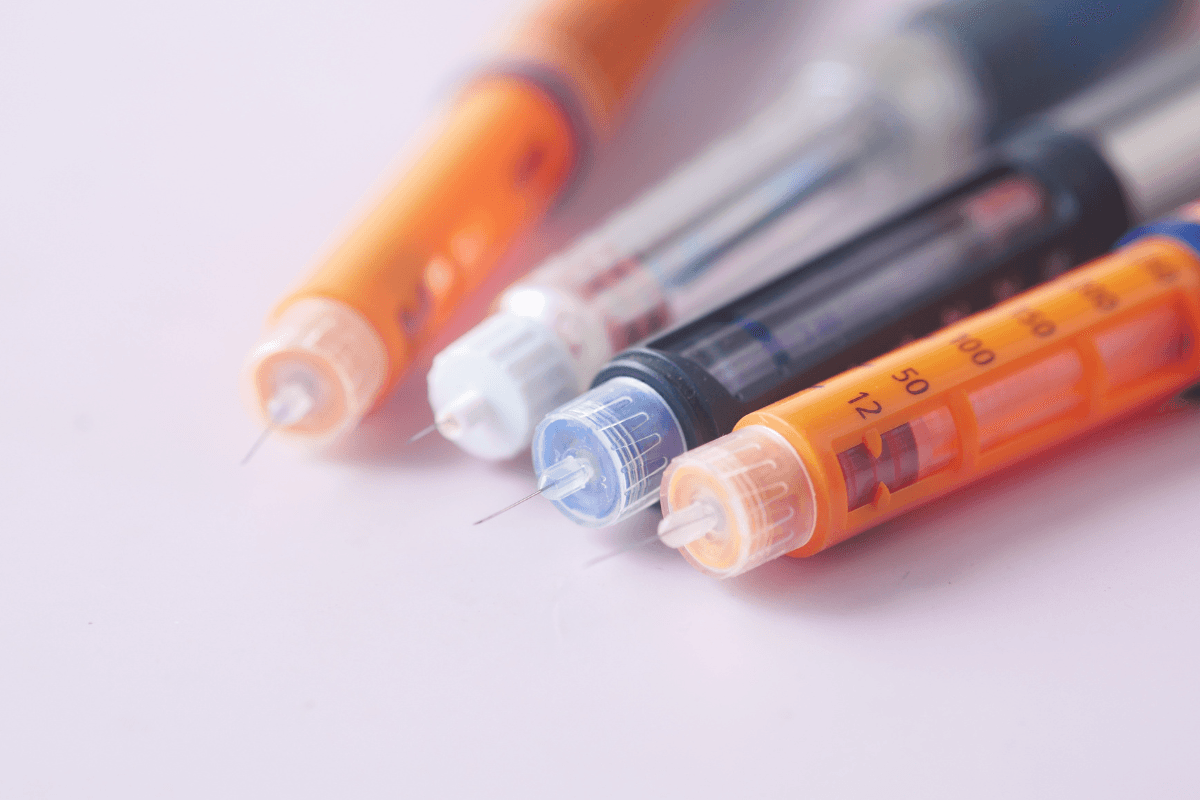
Both insulins are available in multiple formats to match patient workflows. Cartridges support reusable pens; prefilled pens aid ease-of-use; and vials fit pump reservoirs or syringe dosing. For device choice trade-offs, the Insulin Pen vs Syringe overview explains needle handling, priming, and dose accuracy concerns.
Individuals focused on portability may prefer cartridges and compact pens. For format nuances around activity and carry convenience, see the Fiasp Cartridges Guide for practical device scenarios. If your plan favors cartridges, the Novorapid Cartridge page outlines a compatible aspart option and its device ecosystem.
Tip: Confirm device-specific priming, needle changes, and in-use storage rules in the product label to avoid dose variability.
Comparisons Beyond NovoLog
Some patients explore analogs with altered absorption enhancers or similar profiles. In discussions of fiasp vs lyumjev, clinicians may focus on how each formulation influences early exposure and meal timing. Patient-reported outcomes often reflect lifestyle fit as much as nominal onset differences.
To understand adjacent options, see Fiasp vs Humalog for a head-to-head overview and device considerations. You can also compare aspart and lispro families in Novolog vs Humalog to appreciate how kinetics and delivery options intersect with daily routines.
Aspart Nomenclature and Clinical Context
Terminology can be confusing because both products share the same active molecule. The phrase fiasp vs aspart arises because Fiasp is a formulation of insulin aspart supplemented with niacinamide. NovoLog is also insulin aspart, but without that absorption enhancer.
Clinically, this means that differences are about formulation, not the underlying analog. That distinction helps explain why some patients perceive faster meal coverage with Fiasp, while others see minimal change. Label cautions—such as mixing rules and infusion set guidance—still apply to both.
Conversion From NovoLog to Fiasp
Conservative transitions reduce risk during therapy changes. When considering novolog to fiasp conversion, teams often start dose-equivalent, then adjust based on glucose profiles. Early follow-up helps refine pre-meal timing and sensitivity factors to match observed responses.
Structured logs can capture pre- and post-meal readings, carbohydrate counts, and correction doses. Clinicians may adapt insulin-to-carbohydrate ratios by small increments. For pump users, basal patterns and bolus types (standard, dual-wave) may need retuning to align with altered early absorption; confirm pump labeling for compatibility.
Building a Practical Dosing Chart
Tracking patterns supports safe fine-tuning over time. A personalized fiasp dosage chart can summarize target glucose ranges, carbohydrate ratios, and correction scales by time of day. Include notes for exercise days, sick-day rules, and atypical meals that tend to derail control.
Printable logs or digital trackers can help spot recurrent lows after breakfast or persistent highs after late dinners. For context around premixed and other regimens that sometimes intersect with bolus needs, see the Premixed Insulin Guide and the Insulin Products Guide for modality overviews.
Practical Device Choices and Ancillary Supplies
Therapy plans frequently consider pen, cartridge, or vial use alongside infusion sets and syringes. Users of reusable pens may prioritize cartridges for flexibility; those relying on syringes may choose vials. For pump-related background and titration concepts, the Humalog Insulin Pump article outlines infusion patterns and monitoring approaches that generally apply across rapid-acting analogs.
Patients who require vials and syringes can review needle sizing and technique. For supply specifics, Bd Ultrafine Ii Syringes provides hardware details relevant to manual injections. For prefilled pen users evaluating Fiasp formats, see Buy Fiasp Insulin Flextouch to understand pen device characteristics and dosing increments.
Recap
Both insulins deliver rapid aspart action, with Fiasp’s formulation emphasizing earlier absorption. Thoughtful switching, close monitoring, and appropriate device selection usually matter more than any single label statistic. Build a clear plan, track responses for several weeks, and adjust stepwise with clinical support.
For broader condition context, browse Type 1 Diabetes or Type 2 Diabetes resources to connect therapy choices with daily management strategies.
This content is for informational purposes only and is not a substitute for professional medical advice.