
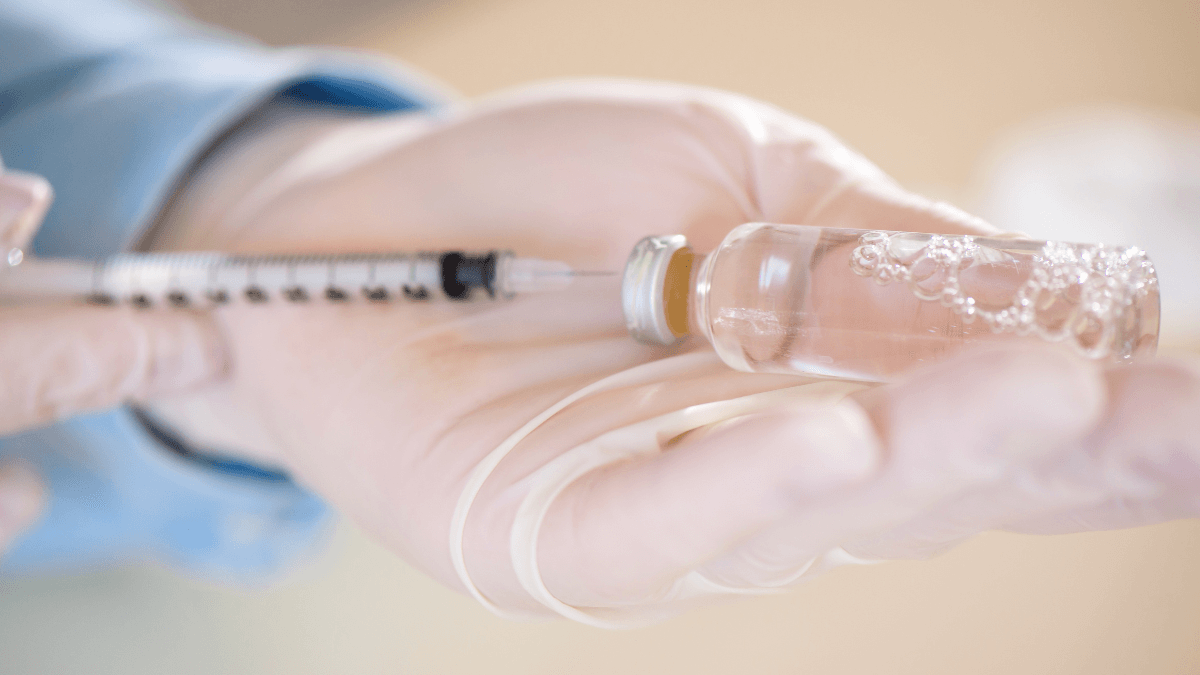
This guide explains apidra vs novolog with practical, clinician-reviewed context. It highlights how these mealtime insulins behave, how devices differ, and what to consider if you switch.
Key Takeaways
- Comparable onset and peak, but device and pump guidance differ.
- Labeling supports dosing around meals; timing still needs consistency.
- Switching brands requires careful monitoring and follow-up.
- Pens, cartridges, and storage rules vary by product.
- Safety basics remain: hypoglycemia awareness, rotation, and site checks.
Pharmacology Snapshot: Onset, Peak, and Duration
Both products are rapid-acting insulin used for mealtime glucose control. In clinical terms, they lower postprandial (after-meal) glucose by acting quickly and clearing within several hours. In plain terms, they start fast, peak soon, and wear off before your next meal. That timing helps cover carbohydrate intake without causing overnight stacking.
Mechanistically, NovoLog (insulin aspart) and Apidra (insulin glulisine) are analog insulins engineered for faster absorption versus regular human insulin. Their pharmacokinetics vary among individuals. Food composition, injection site, and temperature can shift onset and peak. Pumps and pens deliver the same molecule but can change consistency and precision of dosing. Label recommendations also define how long insulin may remain in pumps or reservoirs before replacement.
| Characteristic | Apidra (Glulisine) | NovoLog (Aspart) |
|---|---|---|
| General Onset | Typically minutes after dosing | Typically minutes after dosing |
| Typical Peak | Early post-dose | Early post-dose |
| General Duration | Several hours; varies by patient | Several hours; varies by patient |
| Pump Use Notes | Reservoir/site change intervals per label | Reservoir/site change intervals per label |
For label specifics on absorption, dosing windows, and pump instructions, consult the U.S. prescribing information for Apidra and NovoLog. These labels outline clinical study findings and device compatibility in detail. See the manufacturer labeling for Apidra on the U.S. FDA site (U.S. prescribing information) and the NovoLog label (official prescribing information).
Apidra vs NovoLog: Formulations, Devices, and Pump Use
Both products come in multiple delivery forms, including vials and prefilled pens. Formulation excipients differ slightly, which can influence stability in reservoirs and temperature limits. Manufacturer guidance directs how long insulin can remain in a pump reservoir and how often to change infusion sets. These instructions help reduce occlusions and potency loss.
Pens vary in dose increments, maximum single dose, and priming steps. For example, SoloStar and FlexPen families differ in ergonomics, memory features, and half-unit options by model. If you rely on continuous subcutaneous insulin infusion, check pump compatibility for your specific insulin and follow labeled replacement intervals. Your clinical team may set additional rules based on site issues, exercise patterns, or prior occlusions. For a closer look at device basics and labeling, see our overview in Understanding Apidra Insulin for foundational context.
Dosing Timing and Meal Scenarios
Labeling for both insulins supports dosing near the start of a meal. Many clinicians individualize timing based on glucose trends, meal composition, and hypoglycemia risk. Rapid absorption helps match carbohydrate digestion, but mixed meals with fats or protein can slow glucose rise. Adjustments should follow professional guidance, not quick trial-and-error.
In practice, people often consider how different analogs compare for mealtime needs. Discussions of lispro vs aspart dosing highlight shared principles like pre-meal checks, carbohydrate counting, and correction factors. However, those comparisons remain general frameworks rather than rigid rules. Your care plan may set a consistent pre-meal window and define exceptions for snacks, unplanned meals, or delayed eating. For examples of choosing among analogs, see Apidra vs Humalog, which explains selection trade-offs within the rapid class.
Switching Between Brands: Safety, Conversions, and Monitoring
Switches sometimes occur due to availability, device preferences, or formulary changes. While these insulins are both fast-acting analogs, real-world responses can differ. A supervised plan can reduce risks during transitions and detect early glucose shifts. Expect temporary variability as you re-establish timing, correction strategies, and infusion-site routines.
Formal novolog to humalog conversion often appears in formularies and clinic protocols, but those guides still call for patient-specific adjustments. The same caution applies when moving between aspart and glulisine. Document recent doses, last injection times, and recent lows before any change. After a switch, use more frequent checks or CGM review for several days. For cross-brand comparisons within the same class, see NovoLog vs Humalog to understand therapeutic similarities and nuances.
Pens, Cartridges, and Practical Handling
Pen choice affects daily use more than most people expect. Grip comfort, dose visibility, and audible clicks can change accuracy under stress. Needle length and gauge also matter for consistent subcutaneous delivery. To reduce discomfort and leakage, prime before each use per the pen’s instructions, and hold the dose button for the recommended time after injection.
Many users ask about apidra solostar how to use because pen handling is a daily task. Proper attachment, priming, and site rotation support reliable absorption. Keep unused pens refrigerated and in-use pens within permitted room-temperature windows. Avoid extreme heat and direct sunlight. For detailed pen techniques, see Insulin Pen Needles for sizing and selection, and review device pros and cons in Insulin Pen vs Syringe for practical trade-offs. If you need SoloStar specifics, the Apidra SoloStar Pen article outlines device features and usage steps.
Tip: Keep a small log of dose timing, units, and meal notes for two weeks when starting a new pen or cartridge. This helps you and your clinician spot patterns linked to device changes.
Related Rapid Insulins and When to Consider Them
Other fast analogs may fit certain goals or devices better. Some options modify absorption enhancers or buffers to change onset. Tailoring may also consider pump reservoir limits, infusion site tolerability, and exercise patterns. Discuss alternatives when you experience repeated occlusions, frequent post-meal spikes, or burdensome timing rules.
Comparisons like novolog vs fiasp examine formulation changes designed for quicker onset. Similarly, newer ultra-rapid lispro and alternative aspart formulations can shift timing flexibility. To explore how another fast analog stacks up against lispro, see Fiasp vs Humalog for a concise overview. If you want a focused look at how Apidra works in daily life, see Apidra Uses for clinical contexts and practical examples.
Side Effects and Hypoglycemia Risk
Common effects include hypoglycemia, injection-site reactions, and lipodystrophy. Rare events include allergic responses. Insulin glulisine and insulin aspart share class warnings related to severe lows and potential insulin infusion set occlusions in pumps. Rotating sites and verifying dose accuracy can reduce several risks. Report unexpected rashes, swelling, or persistent erythema promptly.
Risk management centers on awareness and preparation. Keep glucose tablets or another rapid carbohydrate source accessible. Check expiration dates, follow storage limits, and watch for cloudiness or precipitate in clear analogs. Authoritative guidance on insulin safety and monitoring appears in the American Diabetes Association Standards of Care; see the current recommendations on insulin therapy (ADA Standards of Care) for an evidence-based overview. For background on device handling and stability in practice, you can also review Apidra SoloStar Features for storage and usage considerations.
Recap
Apidra and NovoLog occupy the same therapeutic niche with small but meaningful practical differences. Most patients experience similar timing windows, yet device instructions and pump stability can diverge. If your priorities center on pen ergonomics, infusion set performance, or timing flexibility, discuss those details during selection. For broader background on related conditions and therapies, see our Type 1 Diabetes and Type 2 Diabetes archives. You can also browse the general Diabetes library for foundational education.
Note: For visual comparisons among brands and delivery formats, the summary in NovoLog vs Humalog provides an accessible side-by-side discussion.
This content is for informational purposes only and is not a substitute for professional medical advice.


