


Old weight loss drugs include earlier appetite suppressants, stimulant-like agents, fat-absorption blockers, and discontinued products such as fenfluramine and dexfenfluramine. Some helped shape obesity treatment, but several also exposed serious safety concerns that were not fully understood until many people had used them. That history matters because today’s medicines are judged under stricter evidence, labeling, and monitoring standards.
People often ask about older diet pills because they remember the 1980s and 1990s, when some products became widely discussed in clinics and popular culture. Others compare those drugs with modern GLP-1 drugs for weight loss, phentermine, or orlistat. This article explains what changed, why some medications were withdrawn, and how to use that history when speaking with a clinician.
Key Takeaways
- Several older agents were withdrawn after serious safety signals emerged.
- Rare risks often became clearer only after broad real-world use.
- Modern anti-obesity medicines differ by mechanism, route, and monitoring needs.
- “Strongest” is not a clinical standard; safety and fit matter more.
- A complete medication history can make weight-management visits safer.
Why Old Weight Loss Drugs Still Matter
Old weight loss drugs matter because they show how medical safety standards evolved. Earlier eras often focused on short-term appetite suppression. Modern obesity care treats weight management as a chronic medical issue for selected patients, which changes how benefits and risks are assessed.
In the past, some medicines became popular before researchers had today’s post-marketing surveillance tools. Post-marketing surveillance means safety tracking after a drug reaches routine clinical use. This matters because uncommon harms may not appear in smaller or shorter studies. When millions of people use a medicine, rare patterns can become visible.
Older weight-loss medicines also remind readers that drug names can be confusing. A weight loss medicine name may refer to a brand, a generic ingredient, or a drug combination. Fen-phen, for example, describes a combination pattern involving fenfluramine and phentermine, not a single branded manufactured product. That distinction matters when reviewing old records or family stories.
For wider context on current weight-management topics, the Weight Management Articles collection can help you compare related educational posts without relying on forum shorthand.
Why it matters: A drug’s reputation can outlast the details that made it risky.
What Were the Common Older Weight-Loss Drugs?
Older weight-loss medicines fell into several broad groups. Many acted on the central nervous system to reduce appetite. Others affected fat absorption in the digestive tract. A few became well known because regulators later limited or removed them after safety concerns became clearer.
Stimulant-like appetite suppressants
Some early and long-used agents worked by reducing hunger through brain signaling. Phentermine is a sympathomimetic drug, meaning it has stimulant-like effects on the nervous system. It remains available under specific labeling and clinical oversight, but it is not the same as the discontinued fenfluramine-era products.
People searching for popular diet pills in the 90s often find references to phentermine, fenfluramine, dexfenfluramine, and combination prescribing. The key point is that medicines within a broad “appetite suppressant” category can still have different mechanisms, warnings, and appropriate uses.
For a focused discussion of phentermine terminology and prescribing context, see Phentermine Uses And Dosage.
Fenfluramine, dexfenfluramine, and fen-phen
Fenfluramine and dexfenfluramine are among the best-known discontinued weight loss drugs. Dexfenfluramine was marketed as Redux in the United States. These medicines became linked with serious heart-related risks, including valvular heart disease and pulmonary hypertension, a form of high blood pressure in the lung arteries.
Fen-phen became a shorthand for the combination of fenfluramine and phentermine. Its history is one reason clinicians now pay close attention to cardiovascular history, symptoms, and drug interactions when discussing anti-obesity medicines. It also explains why “fen-phen vs Ozempic” is an imperfect comparison. The drugs belong to different eras, mechanisms, and regulatory contexts.
For more detail on a related withdrawn drug history, read Discontinued Weight Loss Medications.
Orlistat and fat-absorption treatment
Orlistat works differently from central appetite suppressants. It inhibits gastrointestinal lipase, an enzyme involved in fat digestion, which reduces absorption of some dietary fat. Because it acts mainly in the gut, its common side effects are often digestive rather than stimulant-like.
Orlistat is a useful example of why “weight loss pills that actually work” is an incomplete phrase. A medicine may have evidence for use, yet still be poorly tolerated or unsuitable for some people. The right question is not only whether a drug can support weight loss, but whether its risks, warnings, and practical demands fit the person.
For more on this older gastrointestinal approach, see Xenical Weight Loss Capsules.
How Safety Standards Changed After Withdrawals
Safety standards changed because regulators, researchers, and clinicians learned that short trials may miss uncommon but serious harms. Weight-management medicines are often used for months or longer, so modern review places more emphasis on chronic-use data, contraindications, and real-world safety reporting.
Medication withdrawals were not simply about “bad drugs.” They also reflected better tools for detecting harm. New study designs, larger safety databases, clearer labeling, and stronger adverse-event reporting all changed how risks are found and communicated.
Today, clinicians usually review several safety domains before considering prescription support for weight management:
- Cardiovascular history: Blood pressure, heart disease, rhythm issues, and symptoms.
- Mental health history: Mood changes, sleep problems, substance use, and current therapy.
- Endocrine factors: Diabetes, thyroid history, pregnancy potential, and related conditions.
- Drug interactions: Prescriptions, over-the-counter medicines, and supplements.
- Tolerability: Digestive effects, appetite changes, fatigue, and practical adherence barriers.
This approach does not remove all uncertainty. No medicine is risk-free. It does, however, make the discussion more structured than it often was when older diet drugs first became popular.
CanadianInsulin.com is a prescription referral platform, and prescription details may be checked with the prescriber when required. That access context does not replace clinical judgment, but it helps explain why accurate medication names and documentation matter.
Modern Anti-Obesity Drug Classes in Plain Language
Modern anti-obesity drugs are usually easier to understand by class than by brand list. Classification helps explain how a medicine works, which side effects are most likely, and what monitoring a clinician may consider.
Central nervous system medicines
Some medicines act in the brain to affect appetite, cravings, or satiety. Depending on the ingredient, these can raise concerns about blood pressure, heart rate, sleep, mood, or interactions with other drugs. This is one reason a complete medication list is important.
Phentermine belongs in this broad discussion because it is older and stimulant-like. Combination products that affect appetite or cravings are different again, so brand and generic names should be checked carefully. If you are comparing examples, Contrave Tablets represents one combination approach, but product-specific suitability depends on labeling and clinical review.
Gastrointestinal medicines
Orlistat is the main example of a prescription medicine that reduces dietary fat absorption. This mechanism can cause digestive side effects and may affect absorption of fat-soluble vitamins. A clinician or pharmacist can explain how labeling addresses these concerns.
For readers comparing mechanisms, Xenical Capsules can serve as a product reference point for orlistat. Use it to understand the category, not as a substitute for medical advice.
Hormone-based injections and newer options
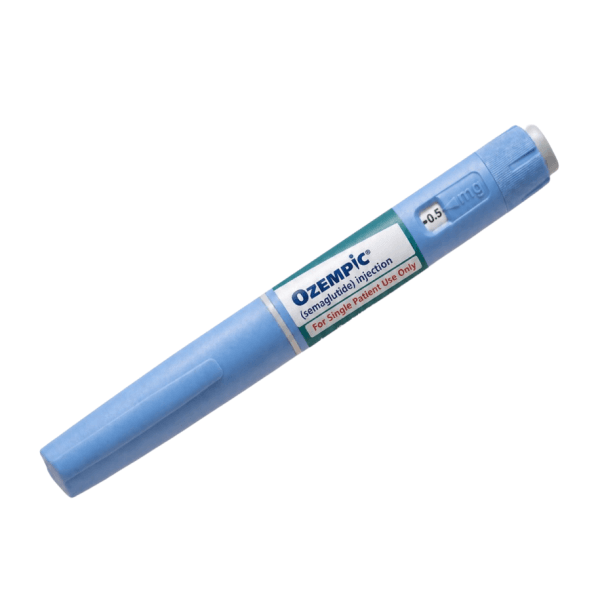
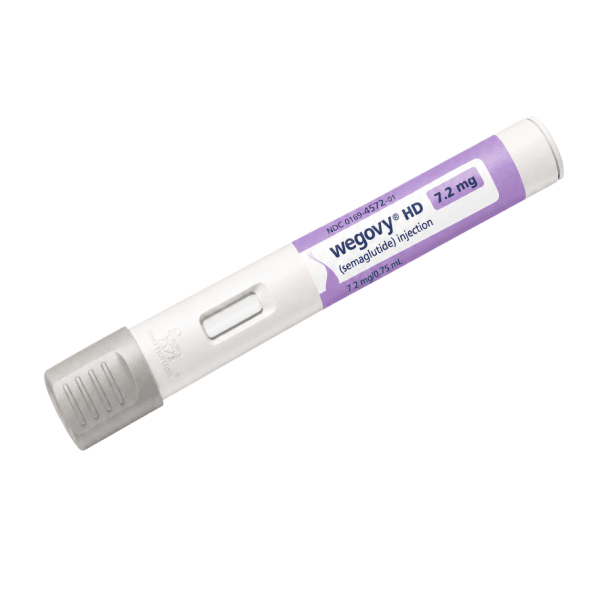
GLP-1 receptor agonists and related medicines changed the weight-management conversation. GLP-1 is a gut hormone pathway involved in satiety and glucose regulation. Some drugs in this group are used for chronic weight management under specific approvals, while related medicines may be used for type 2 diabetes.
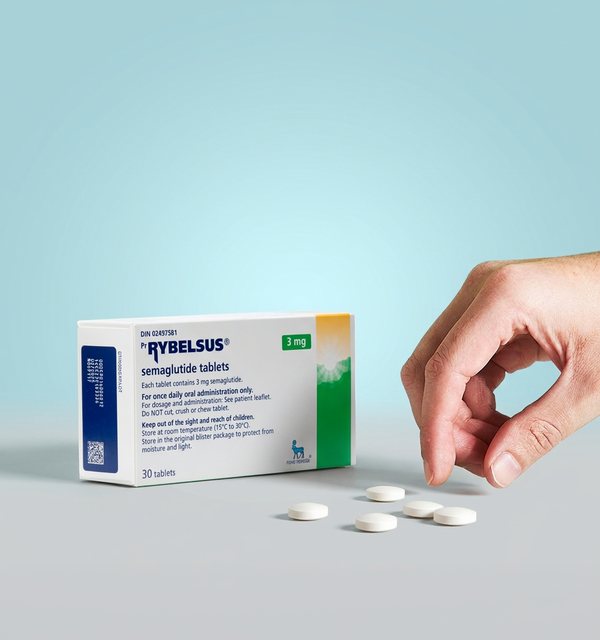
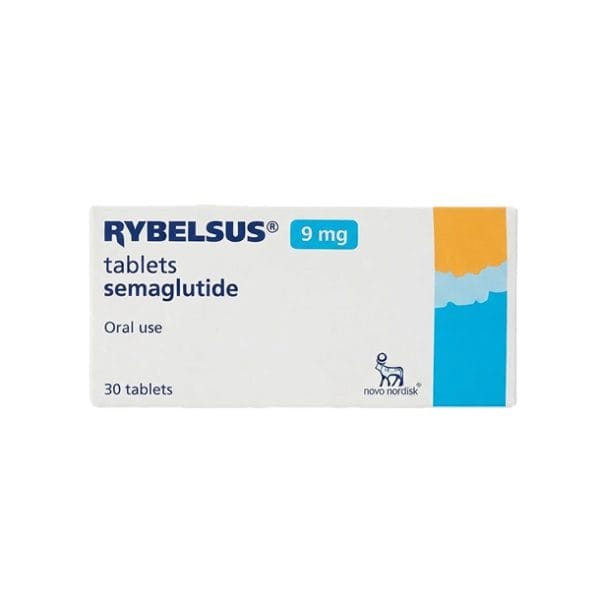
Many hormone-based agents are injections because peptide medicines can be broken down in the stomach. That is why the phrase “Ozempic weight loss pills” can be misleading. Oral and injectable products are not automatically interchangeable, even when names or active ingredients sound similar.
Tirzepatide is a newer dual-pathway medicine that acts on incretin hormone receptors. You may see terms such as Zepbound weight loss in patient discussions. The clinical question is not the buzz around a brand, but whether the product’s approved use, warnings, and monitoring fit a person’s health profile. As a navigation example, Zepbound belongs to this newer conversation.
Why “Strongest Pill” and “Belly Fat” Claims Can Mislead
Searches such as “what is the strongest weight loss prescription pill” and “best pill to lose belly fat” use language that medicine does not usually use. Clinicians do not rank obesity medicines by a single strength score. They weigh expected benefit against risks, contraindications, adherence, and patient-specific factors.
Spot reduction is another common misconception. A pill or injection does not target only belly fat. Body-fat distribution is influenced by genetics, hormones, sleep, stress, activity, nutrition, medications, and underlying health conditions. Weight-management medicines may support overall weight loss for some patients, but they do not reshape one body area on command.
The same caution applies to “weight loss pills for women.” Sex, pregnancy potential, menopause, medical history, and concurrent medicines can all matter. But a drug is not automatically safer or more effective because marketing frames it around gender. Product labeling and clinical assessment are more reliable than lifestyle branding.
Claims about illegal or counterfeit products deserve special caution. Some unregulated pills may contain undeclared stimulants, drug analogues, or unsafe combinations. If a product promises rapid changes, hides ingredients, or avoids prescription review, it raises safety concerns. For warning signs, review Illegal Weight Loss Pills.
How to Prepare for a Medication Discussion
A safer discussion starts with a clear record of what you have used before. This is especially important if you took old weight loss drugs years ago, used products with unclear names, or had side effects that were never documented.
Bring practical details, not just memories. Photos of old bottles, pharmacy printouts, and clinic notes can help separate brand names from active ingredients. That can prevent confusion between discontinued products, currently available medicines, and non-prescription supplements.
Use this checklist before a visit or medication review:
- Current medicine list: Include prescriptions, supplements, and over-the-counter products.
- Past weight-loss products: Record names, dates, benefits, and reasons for stopping.
- Side-effect history: Note palpitations, mood changes, digestive effects, or allergic reactions.
- Medical conditions: Include heart, endocrine, psychiatric, kidney, liver, and digestive issues.
- Recent measurements: Bring weight trends, blood pressure readings, and relevant labs if available.
- Practical preferences: Discuss tablets, injections, storage needs, and follow-up capacity.
- Access constraints: Ask early about documentation, coverage limits, or cash-pay options.
Quick tip: Write down the active ingredient beside each brand name when possible.
A tracking tool can also help organize weight-change discussions. It estimates percent change and progress toward a stated goal, but it does not judge whether a medication is appropriate.
Weight-Loss Progress Calculator
Track percentage body-weight change and progress toward a target weight.
These calculations are for education only and do not replace clinical advice, diagnosis, or treatment. Always confirm medical decisions with a qualified healthcare professional.
If you are learning how prescription and non-prescription strategies fit together, the Weight Management Medication Category offers a browseable collection of related medication pages. Keep the visit focused on safety, eligibility, and monitoring rather than recreating an older drug experience.
Comparing Older and Current Options Without Oversimplifying
Older and current weight-loss medicines should be compared by mechanism, safety profile, and intended use. A simple “old versus new” comparison can hide important differences. Some older options remain available under specific conditions. Some newer options still carry warnings and side effects.
Start with the mechanism. Appetite-suppressing medicines, fat-absorption blockers, and hormone-based therapies do different things. Next, consider the route. Oral tablets may feel simpler, while injections may fit some treatment plans better. Then consider the time horizon. A short-term appetite suppressant is not the same clinical idea as chronic weight-management therapy.
Also compare what happens when a medicine is stopped. Weight regain can occur after stopping some weight-management treatments, especially if appetite, activity, sleep, nutrition, and medical drivers are not addressed. This does not mean treatment “failed.” It means obesity care often needs a long-term plan.
If you are reviewing access options, remember that dispensing and fulfilment may be handled by licensed third-party pharmacies where permitted. Some patients also explore cash-pay options or cross-border fulfilment depending on eligibility and jurisdiction. Those logistics should stay separate from the medical decision about whether a drug is appropriate.
Authoritative Sources
Regulators, government health agencies, and major medical organizations are the best places to confirm approval status, warnings, and patient-use information. They are especially useful when online discussions blur old product names with current therapies.
- For patient-level information on prescription treatment, see the NIDDK guide to prescription medications.
- For a clinical review of older and emerging medicines, see this NIH-hosted review of anti-obesity drugs.
- For Canadian drug status checks, use the Health Canada Drug Product Database.
The main lesson is steady and practical: safety knowledge changes as evidence grows. When reading about old weight loss drugs, treat the history as a guide to better questions, not as a reason to copy past prescribing trends.
This content is for informational purposes only and is not a substitute for professional medical advice.