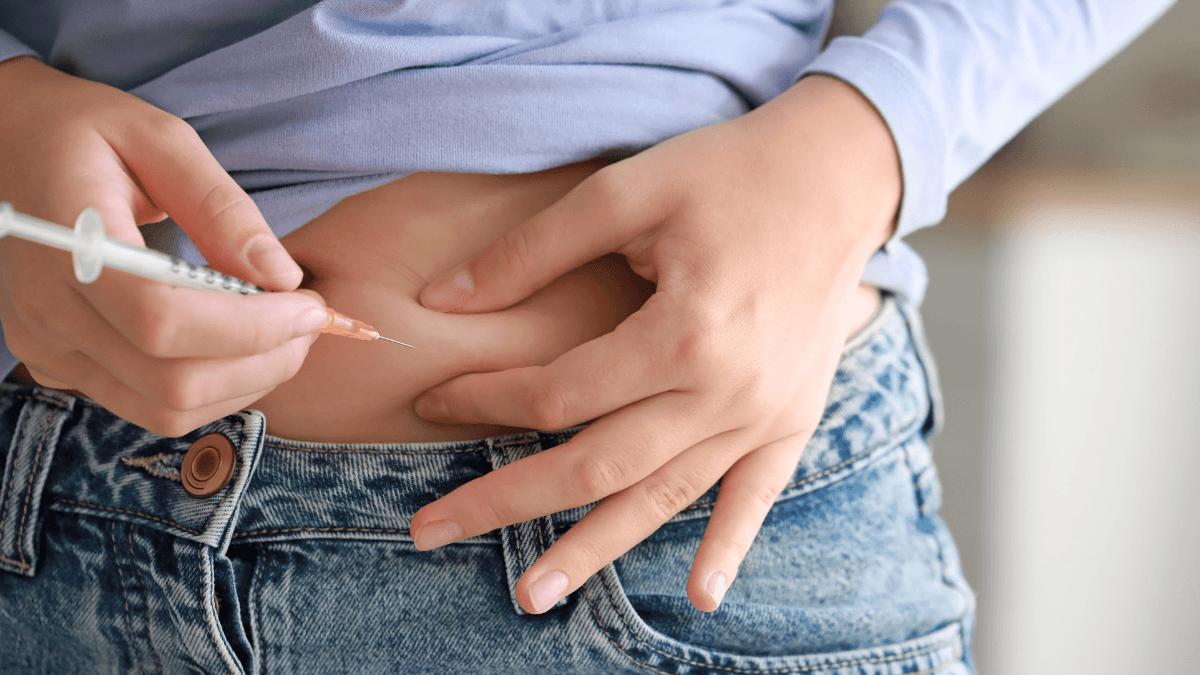
Understanding insulin expiration helps you keep every dose effective. Potency can drop with time, heat, or freezing, and the changes are not always visible. This guide explains how long different formats last, where to keep them, and what to do if something goes wrong.
Key Takeaways
- Check labeled dates and in‑use limits to avoid potency loss.
- Keep unopened supplies refrigerated; never freeze or overheat.
- Use opened vials and pens within their in‑use window.
- Discard insulin that looks damaged or was frozen.
- When unsure, use fresh insulin and contact your care team.
Insulin Expiration and Stability Basics
Insulin is a protein medicine that slowly degrades over time. Manufacturers assign an expiration date based on real‑time stability studies, but real life adds heat, light, vibration, and handling. These stresses can denature the protein and reduce potency. Small potency losses may cause persistently higher glucose readings and extra correction doses. Larger losses can trigger sustained hyperglycemia and dehydration.
The printed expiration date applies to unopened, properly stored stock. Once opened, most human and analog products have a shorter in‑use window at room temperature or under refrigeration. Formulation, device type, and concentration affect stability, so in‑use times differ. For background on formulation differences, see Different Types of Insulin for how basal, bolus, and premix products behave. For official parameters, consult current FDA guidance before making storage decisions.
Cold Storage: Refrigerator Rules and Timelines
Refrigeration slows chemical and physical degradation. Manufacturers typically recommend 2–8°C (36–46°F) for unopened vials, pens, and cartridges. The refrigerator door warms with frequent opening; place insulin mid‑shelf in the main compartment instead. This reduces temperature swings and keeps products away from freezer vents. Label each item with the date you started using it to track the in‑use period clearly.
People often ask how long does insulin last in the fridge. Unopened supplies usually remain stable until the printed expiration date if kept within the recommended temperature range. In‑use timelines vary by product, so always check the device insert. For a long‑acting analog example, see Basaglar KwikPen Guide for manufacturer‑listed storage and use windows. The American Diabetes Association’s insulin storage overview provides general safety cues on where to store insulin in refrigerator shelves.
Room Temperature and Heat Exposure
Most products have an in‑use allowance at room temperature, commonly around four weeks, but specifics differ. Short excursions like a dose pen left out for a short meeting are usually low risk if temperatures stayed moderate. Prolonged heat, direct sunlight, and vehicle interiors accelerate degradation. Freezing irreversibly damages insulin, even if thawed later. Always inspect and monitor glucose closely after any temperature mishap.
Beyond temperature, age matters: what happens if you use expired insulin depends on how far beyond its date and how it was stored. Effectiveness may drop, leading to elevated glucose despite usual dosing. Watch for unexpected highs, thirst, or ketone development with rapid‑acting needs. For emergency preparedness guidance unrelated to storage, see Use a Glucagon Kit to review rescue steps for severe lows. If readings trend high after suspect storage, switch to a fresh supply when possible.
Power Outages and Travel: Keeping Cool Without a Fridge
During outages or trips, insulation and smart packing preserve stability. Use insulated pouches with reusable cold packs, but keep a barrier between insulin and ice to prevent freezing. Evaporative coolers can help in hot, dry climates. Carry a thermometer to verify temps stay roughly 2–30°C (36–86°F). Avoid car trunks and dashboards, which can exceed safe thresholds within minutes.
Learning how to store insulin without refrigeration helps during travel days and delays. Keep doses in your carry‑on, and split backups across bags in case one is lost. A protective sleeve can limit breakage; see Vial Safe Protector for a simple safeguard during transit. For trip planning concepts, including cooling strategies, see Travel With Ozempic and temperature‑care notes in Zepbound Storage which echo similar storage principles for temperature‑sensitive injectables.
Brand‑Specific Opened Shelf Life
In‑use windows vary by brand, device, and concentration. For example, lantus expiration after opening is commonly listed around 28 days at room temperature, but confirm your exact device’s insert. Some concentrated glargine or degludec pens allow longer in‑use periods than others. The safest approach is to note your start date and set a reminder before the end of the labeled period.
Always rely on current manufacturer labeling for precise timelines. You can compare long‑acting options in What Is Toujeo and check basal cartridge guidance in Basaglar Cartridge for examples of device‑specific instructions. For official language, see Sanofi’s Lantus labeling and Novo Nordisk resources such as Fiasp prescribing information to verify current in‑use limits.
Pens and Cartridges: After‑Opening Practices
Devices simplify dosing but have strict in‑use clocks. novolog expiration after opening is typically about four weeks at room temperature, yet penfills for reusable devices may differ from disposable pens. Keep caps on, minimize light exposure, and avoid pocket heat. If a pen was stored in a pocket all day, consider marking it for closer glucose monitoring and earlier replacement.
Good habits reduce waste: write the first‑use date on the label; group supplies by date; and finish one device before starting the next. For deep device guidance, see Insulin Cartridges Guide and premix considerations in NovoMix 30 Penfill. If you use a reusable pen, review dose ergonomics in NovoPen 4 for Diabetes and consider carrying a spare device to avoid missed doses after a mechanical issue.
Quality Checks: Signs of Degraded or Damaged Insulin
Visual inspection complements date tracking. Clear rapid‑acting or long‑acting analogs should remain transparent and colorless; cloudiness, particles, or stringy clumps suggest damage. Premixed and NPH formulations are normally cloudy but should resuspend evenly after gentle rolling. Persistent flakes, layers that will not mix, cracked cartridges, or corroded needles indicate a problem. When in doubt, set the suspect device aside and open a fresh one.
Performance clues matter. Unexpected highs despite careful dosing, rising ketones, or repeated corrections may indicate reduced potency. If readings drift upward after a storage mistake, switch to a new device and monitor closely. Keep meter, CGM, and ketone strips within date as well, since outdated test supplies can confuse the picture. If glucose remains uncontrolled, seek clinical advice promptly and do not escalate doses without guidance.
Unopened, Expired, and Disposal
Unopened stock kept continuously refrigerated usually remains usable until its printed date. If you discover an older box in the back of the fridge, cross‑check dates, temperature history, and device integrity before use. Do not use anything that was frozen, heat‑warped, or leaking. If storage was uncertain, err on the side of safety and start a fresh device. For pet‑specific storage concerns, see Pet Insulin Storage Tips which outlines practices for veterinary products.
Learn how to dispose of expired insulin responsibly. Most communities prefer medication take‑back programs. Do not flush insulin. Used needles and pen tips belong in an approved sharps container according to local rules. If your clinic or pharmacy participates in take‑back, ask about both sharps and medicine vials. For broader learning beyond this topic, browse Diabetes Articles or check Diabetes Products for device options that may simplify your regimen.
Practical Tracking Tools and Reminders
Simple tracking prevents mistakes. Write start dates on vials, pens, or cartridges, and set calendar reminders for in‑use cutoffs. Many people use 28‑day timers for multi‑dose vials; you can also approximate with a notebook or smartphone reminder. If your clinic provides an in‑use chart, post it near your storage area. These small habits reduce waste and keep dosing predictable.
Some patients like planning tools such as an insulin expiration date calculator or an in‑use cheat sheet. Others rely on a 28‑day expiration date calculator concept to estimate when to replace a vial. Manufacturing date and expiry date calculator tools can help inventory rotation. Whatever system you adopt, confirm against the latest device insert or pharmacy label, which always takes precedence for safety.
Recap
Store unopened insulin cold, away from freezing, and follow in‑use timelines once opened. Keep devices out of heat, check appearance, and switch to a fresh supply if control worsens. Confirm brand‑specific limits with current labeling, and dispose of expired or damaged products safely. A few preventive steps protect potency and support steadier glucose control.
Tip: Keep a small thermometer with your supplies; record any temperature excursions alongside your glucose notes.
Note: When storage history is uncertain, prioritize safety and start a new device while you seek professional guidance.
This content is for informational purposes only and is not a substitute for professional medical advice.