

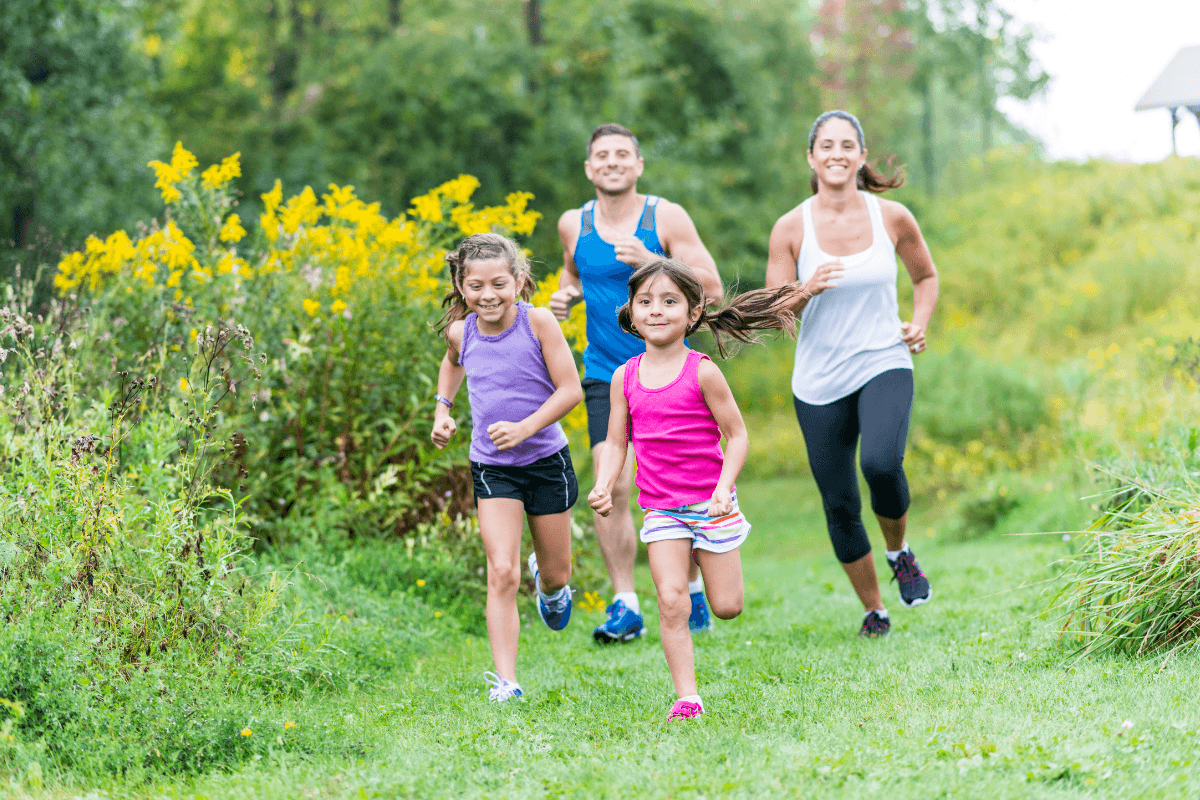
Family Health and Fitness Day is an awareness day that encourages families to move together, use local parks or recreation spaces, and build healthy routines that last beyond one event. It is often observed in June through parks and recreation programs, while National Family Health and Fitness Day USA is commonly marked on the last Saturday in September. The exact date matters less than the goal: make activity practical, safe, and enjoyable for every age.
Use the day as a low-pressure reset. Pick one simple activity, plan food and water, and adapt the pace for children, older adults, and anyone managing a health condition.
Key Takeaways
- Start with one goal: Choose a walk, game, or park circuit.
- Match abilities: Adjust time, pace, and equipment for each person.
- Plan safety basics: Bring water, sun protection, medications, and quick carbohydrates if needed.
- Use local spaces: Parks, schools, and recreation centres often support family events.
- Track habits: Measure routines, energy, mood, and consistency, not only weight.
What Family Health and Fitness Day Means
Family Health and Fitness Day is a practical reminder to connect movement, nutrition, sleep, and social support. For many families, it works best as a short shared event rather than a major lifestyle overhaul. A 30-minute walk, a playground circuit, or a backyard game can be enough to begin.
There are two common calendar anchors. The parks and recreation version is widely associated with the second Saturday in June. The September observance, often called National Family Health and Fitness Day USA, is commonly listed on the last Saturday in September. Schools, local clinics, recreation departments, and community groups may also host events on nearby dates.
Why it matters: Shared activity can reduce planning friction and make healthy routines feel normal.
This day is for children, teens, parents, caregivers, grandparents, and chosen family groups. It can also include people with mobility limitations, chronic conditions, or different fitness levels. The safest plan is not the hardest plan. It is the one people can repeat.
How to Plan a Family Fitness Day That Works
A useful plan starts with time, place, weather, and health needs. Choose a realistic window, such as 45 to 90 minutes. Pick a route or location with bathrooms, shade, seating, and a backup indoor option. Then decide who will lead the warm-up, carry supplies, watch younger children, and handle snacks.
Set one clear outcome for the day. Examples include a 20-minute family walk, three rounds of a playground circuit, or a picnic plus lawn games. Avoid stacking too many goals into one event. Families are more likely to repeat a routine when the first version feels manageable.
A Simple Planning Checklist
- Choose the setting: Park, trail, schoolyard, gym, or backyard.
- Check accessibility: Look for smooth paths, benches, ramps, and rest areas.
- Pack essentials: Water, snacks, sunscreen, hats, and needed medical supplies.
- Set a time limit: Stop before fatigue turns the day unpleasant.
- Plan a backup: Use indoor stretches, dancing, or hallway laps.
- Assign roles: Give each person one small job.
Families with diabetes, asthma, heart conditions, pregnancy, recent injury, or medication-related low blood sugar risk should plan with extra care. That may include checking glucose as recommended, carrying a quick sugar source, or asking a clinician what activity limits apply. For broader nutrition context involving children, see Global Child Nutrition Month.
Safe Movement for Children, Adults, and Older Adults
Safe family fitness activities match the current ability of the least-conditioned participant. Children often need short bursts and frequent changes. Adults may prefer steady aerobic activity. Older adults may benefit from balance, posture, and light strength work. Everyone should be able to slow down without feeling like they failed.
For general targets, the U.S. Physical Activity Guidelines describe age-based activity recommendations, including aerobic and muscle-strengthening goals. Adults are often encouraged to build toward regular moderate activity plus strengthening work. Children and teens usually need more frequent daily movement, including play that loads muscles and bones.
Use the talk test during most activity. At a moderate pace, a person can talk but not sing. If someone feels chest pain, faintness, severe shortness of breath, confusion, or symptoms of very low blood sugar, stop and seek appropriate medical help. Families managing medical conditions should follow their care plan rather than a generic event schedule.
Age-Friendly Activity Examples
- Young children: Tag, animal walks, bubbles, obstacle courses, and ball tosses.
- School-age children: Scooter routes, jump rope, relay games, and playground circuits.
- Teens: Cycling, dance, basketball drills, hiking, or bodyweight intervals.
- Adults: Brisk walking, resistance bands, stair intervals, or gardening tasks.
- Older adults: Balance holds, chair-supported strength, stretching, and flat-path walks.
Keep the first session shorter than people think they can handle. Then add time or variety during the next event. This approach protects confidence and reduces soreness, especially for beginners.
Family Health and Fitness Day Activities to Try
The best family health and fitness day activities are simple, inclusive, and easy to repeat. They do not require expensive equipment. A ball, timer, sidewalk chalk, resistance band, or music playlist can create enough variety for a full session.
Try a park loop with activity stations. Walk for five minutes, then stop for one minute of balance practice, step-ups, wall push-ups, or gentle stretching. Repeat the loop two or three times. Younger children can count repetitions. Teens can choose the music. Adults can monitor pace and rest breaks.
Other family exercise ideas include scavenger hunts, nature walks, dance breaks, driveway basketball, swimming where supervised, or low-stakes step challenges. If competition causes stress, track participation instead of winners. The goal is shared movement, not performance.
For families interested in multigenerational events, National Senior Health and Fitness Day offers ideas that can be adapted for older adults and mixed-age groups.
Quick tip: Keep a small activity bag near the door so planning takes less effort.
Food, Hydration, Sleep, and Recovery
Food and rest help families enjoy movement and recover well. Most short sessions need water and a balanced snack rather than special sports products. A practical snack may combine carbohydrate and protein, such as fruit with yogurt, whole-grain crackers with nut butter, or hummus with vegetables.
People with diabetes or medication-related hypoglycemia risk may need more specific planning. Carbohydrate needs can vary by activity type, timing, glucose pattern, and medication use. A registered dietitian or clinician can help when there are repeated highs or lows, pregnancy, kidney disease, gastroparesis, eating disorder concerns, or uncertainty about carbohydrate targets.
Hydration should start before activity, especially in warm weather. Water fits most family sessions. Longer, hotter, or more intense activities may require extra attention to sodium and fluid replacement, but needs vary. Watch children and older adults closely because they may not report thirst early.
Sleep also belongs in the plan. Tired families are less likely to prepare meals, move safely, or repeat the routine. The NIH sleep deprivation resource explains how insufficient sleep can affect learning, mood, and cardiometabolic health. A short wind-down after activity, predictable bedtimes, and lighter evening screens may support the next day’s routine.
Tracking Progress Without Making It About Weight
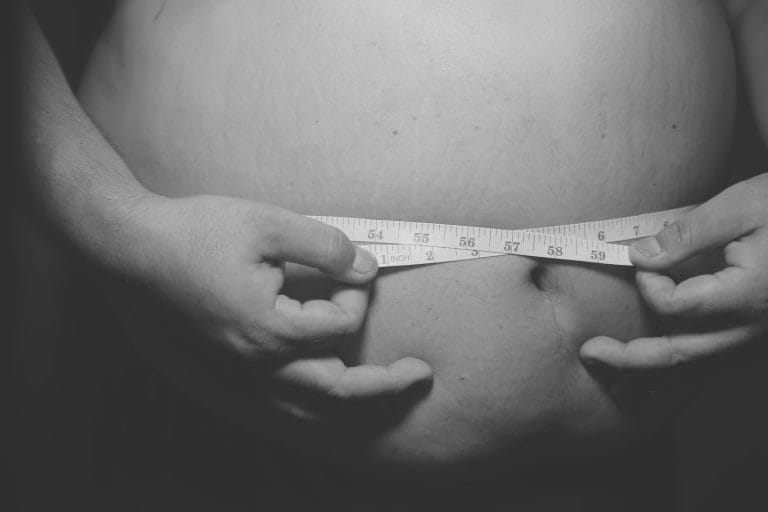
Tracking should help families notice patterns, not create pressure. Weight is only one measure and may not reflect endurance, strength, mood, sleep, glucose patterns, or confidence. For children, weight-focused tracking can be especially sensitive and should be handled carefully.
Better family wellness activities often use process goals. Track active minutes, outdoor time, number of family walks, new vegetables tried, bedtime consistency, or mood after movement. Keep the log visible and simple. One sentence per day can be enough.
If adults want to understand body size metrics, body mass index can be a screening tool, but it has limits. It does not directly measure body fat, strength, distribution of weight, or individual health status. For a careful explanation, read Body Mass Index Ranges.
A calculator can help estimate a general exercise heart-rate zone for planning moderate activity. It does not replace medical guidance, especially for people taking heart-rate-changing medicines or managing cardiovascular conditions.
Target Heart Rate Calculator
Estimate exercise heart-rate zones using age, resting heart rate, and the Karvonen method.
These calculations are for education only and do not replace clinical advice, diagnosis, or treatment. Always confirm medical decisions with a qualified healthcare professional.
Using Parks and Community Events for Momentum
Community events can make Family Health and Fitness Day feel easier to start. Parks and recreation programs may offer walks, games, fitness stations, health education booths, or beginner classes. Schools, community centres, and local clinics may run related family wellness ideas during June, September, or other health observances.
Check event details before attending. Look for start time, location, age range, accessibility, cost, weather policy, bathrooms, and whether food or water is available. If a family member uses mobility equipment, confirm route surfaces and parking. If crowds are difficult, choose a quieter park visit instead.
Families do not need an official event to participate. You can make a family fitness day at home by choosing a theme. Try a “screen-free hour,” a “walk and picnic day,” or a “try one new movement” challenge. The theme should reduce decisions, not add pressure.
For broader lifestyle reading beyond one observance, the General Health collection includes related education on nutrition, activity, and daily habits.
A Four-Week Habit Builder After the Event
The day works best when it leads to a repeatable routine. Choose one habit for four weeks. Examples include a 15-minute after-dinner walk, Saturday park time, a weekly family meal prep session, or three short stretch breaks during school nights.
Make the goal specific and flexible. “Move together for 20 minutes on four days this week” is clearer than “get healthier.” Add a backup version for busy days, such as five minutes of dancing or a short walk around the block. This keeps the streak alive without turning the plan into an all-or-nothing rule.
Rotate leadership. One person chooses the route. Another chooses the game. Another tracks water bottles or music. Shared control helps children and teens feel involved. It also keeps adults from carrying the whole plan.
Review the routine weekly. Ask what felt good, what felt too hard, and what should change. If activity brings pain, dizziness, unusual shortness of breath, repeated low glucose, or persistent fatigue, pause the challenge and seek clinical guidance.
Authoritative Sources
- U.S. Physical Activity Guidelines: Federal guidance on age-based activity recommendations.
- CDC Physical Activity Basics: Public health information on movement and healthy growth.
- NIH Sleep Deprivation: Evidence-based information on sleep and health.
Recap
Family Health and Fitness Day is a useful starting point for healthy family habits. Plan one safe activity, match the pace to everyone’s needs, prepare food and water, and use local parks or community events when they help. Then turn the day into a small weekly routine that your family can repeat.
This content is for informational purposes only and is not a substitute for professional medical advice.