
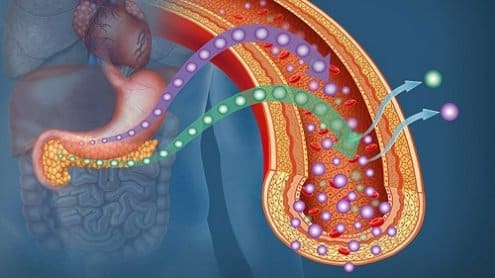
Fasting hyperglycemia means your blood glucose is high after at least eight hours without calories. It often shows up as an unexpected morning high before breakfast. One reading does not diagnose diabetes, but repeated fasting highs can signal impaired glucose regulation, illness, medication effects, dawn phenomenon, or a diabetes care plan that needs review.
Key Takeaways
- Core meaning: fasting highs happen before food, often after overnight sleep.
- Common drivers: liver glucose release, insulin resistance, dawn phenomenon, stress, illness, or medicine effects.
- Symptoms vary: thirst, frequent urination, fatigue, blurry vision, or no symptoms at all.
- Safety matters: vomiting, confusion, dehydration, ketones, or trouble breathing need urgent care.
- Next step: confirm patterns before changing food, activity, or medicines.
Why it matters: fasting readings can reveal overnight glucose patterns that daytime checks may miss.
What Counts as Fasting Hyperglycemia?
A fasting glucose result is usually measured after no caloric intake for at least eight hours. In many screening settings, a lab fasting glucose below 100 mg/dL, or 5.6 mmol/L, is often considered within the usual range. Results from 100 to 125 mg/dL, or 5.6 to 6.9 mmol/L, may be described as impaired fasting glucose or prediabetes range. A result of 126 mg/dL, or 7.0 mmol/L, or higher on repeat testing is commonly used as part of diabetes diagnosis.
These cutoffs are not a personal diagnosis. Your clinician may consider symptoms, repeat testing, A1C, medications, pregnancy status, recent illness, and how the sample was collected. Home glucose meters and continuous glucose monitors can help show trends, but lab testing usually carries more weight for diagnosis.
| Fasting glucose result | Common interpretation | Why it matters |
|---|---|---|
| Below 100 mg/dL, or below 5.6 mmol/L | Often within the usual fasting range | Trends still matter if symptoms or risk factors are present. |
| 100 to 125 mg/dL, or 5.6 to 6.9 mmol/L | Often called impaired fasting glucose | This may lead to follow-up testing and risk-factor review. |
| 126 mg/dL, or 7.0 mmol/L, or higher on repeat testing | Diabetes range in many guidelines | Repeat confirmation and clinical context are important. |
Use this converter if your meter, lab report, or care team uses different glucose units. It converts mg/dL and mmol/L, but it does not decide whether a result is safe for you.
Blood Glucose Unit Converter
Convert glucose readings between mg/dL and mmol/L without changing the clinical value.
These calculations are for education only and do not replace clinical advice, diagnosis, or treatment. Always confirm medical decisions with a qualified healthcare professional.
Fasting hyperglycemia can be easy to miss when symptoms are mild. Patterns matter more than one isolated number, especially if the result follows poor sleep, travel, steroid use, infection, dehydration, or a late meal.
Why Blood Sugar Can Rise Without Eating
Blood sugar can rise without eating because the liver releases stored glucose between meals and overnight. This is normal physiology. Insulin helps move glucose into cells and tells the liver when to slow glucose output. If insulin resistance is present, that signal may not work strongly enough, so fasting readings can drift upward.
Insulin resistance means the body needs more insulin than usual to keep glucose in range. It is often linked with abdominal weight gain, higher triglycerides, fatty liver, sleep apnea, and reduced activity. For a deeper look at this mechanism, see Insulin Resistance vs Insulin Deficiency.
The dawn phenomenon is another common explanation. In the early morning, hormones such as cortisol and growth hormone can increase liver glucose release. In people whose insulin response does not match that rise, the morning value may be higher than expected, even without breakfast.
Other contributors can stack on top of dawn physiology. Poor sleep, acute stress, pain, infection, dehydration, menstrual cycle changes, alcohol patterns, late meals, and some medicines can affect glucose. Steroids are a well-known example, but other prescriptions or supplements may also matter depending on the person.
Dawn Phenomenon, Waning Medication, and Overnight Lows
Dawn phenomenon is not the same as eating too many carbohydrates at night, although both can affect the morning number. Some people with diabetes may also have waning overnight medication coverage, missed doses, or meal-timing issues that leave glucose high by morning.
Some people hear about the Somogyi effect, a proposed rebound high after an overnight low. That pattern appears less common and is difficult to confirm without overnight glucose data. A care team may ask for a few days of fasting readings, bedtime readings, and sometimes overnight checks. Continuous glucose monitor data can show whether glucose rose gradually before waking, stayed high all night, or followed an earlier low.
Symptoms and Safety Signals
Fasting hyperglycemia may cause no symptoms at first. When symptoms appear, they often reflect dehydration or the body trying to clear extra glucose through urine. Common high blood sugar symptoms include increased thirst, frequent urination, fatigue, headache, blurry vision, dry mouth, and slow-healing cuts.
Symptoms can be subtle in early prediabetes or in people without a diabetes diagnosis. They can also overlap with poor sleep, anxiety, infection, medication side effects, or dehydration. That overlap is one reason repeated lab testing matters more than guessing from symptoms alone.
More serious symptoms need faster attention. Seek urgent medical care if high readings occur with vomiting, severe weakness, confusion, deep or rapid breathing, chest pain, severe dehydration, or moderate to large ketones if you have been told to check ketones. These symptoms can point to dangerous metabolic problems, especially in people using insulin or SGLT2 inhibitor medicines.
Ketones are acids produced when the body breaks down fat for energy. They are not always dangerous, but high ketones with high glucose can be an emergency. If you have diabetes and have been given sick-day instructions, follow that plan and contact your care team when readings or symptoms cross your personal escalation threshold.
How It Differs With Diabetes, Prediabetes, or No Diagnosis
Fasting hyperglycemia without diabetes can still happen, but repeated elevations should not be brushed off. Temporary illness, anxiety, short sleep, intense exercise, dehydration, caffeine, certain medicines, or recent high-carbohydrate intake can influence readings. Even so, persistent abnormal fasting glucose may suggest prediabetes, undiagnosed diabetes, or another endocrine or metabolic issue.
In type 2 diabetes, fasting highs often reflect insulin resistance and increased liver glucose production overnight. Pancreatic beta cells may also struggle to release enough insulin at the right time. The Type 2 Diabetes collection includes related educational content on glucose management, medication classes, and lifestyle factors.
In people already diagnosed with diabetes, fasting results can help clinicians evaluate overnight coverage, meal timing, missed doses, medication side effects, or whether the current plan still fits. This does not mean you should change doses yourself. It means the pattern gives useful information for a structured review.
Prediabetes sits between usual glucose regulation and diabetes-range results. It often has no symptoms. People with abnormal fasting glucose may also have other metabolic risk factors, such as elevated blood pressure, abnormal cholesterol, fatty liver, or increased waist circumference. If insulin resistance is suspected, Diagnosing Insulin Resistance explains common testing and review options.
Intermittent Fasting, Caffeine, and Exercise
Some people notice higher readings during intermittent fasting. This can happen because the liver releases glucose to maintain energy during a longer gap without food. Morning caffeine, intense exercise, poor sleep, and dehydration may also contribute. The pattern is individual, so a log can be more useful than one reading.
If fasting causes repeated highs, discuss the pattern with a clinician or registered dietitian. This is especially important during pregnancy, with kidney disease, with a history of eating disorders, with gastroparesis, or when medicines can cause low glucose.
What to Do When Morning Readings Stay High
The safest first step is to confirm the pattern before trying to fix it. Wash and dry your hands before a finger-stick test. Check that strips are not expired and that the meter units match your records. If you use a continuous monitor, compare unusual results with a finger-stick reading when your care team has advised it.
- Record context: note bedtime, dinner, alcohol, activity, illness, stress, and sleep quality.
- Track timing: compare bedtime, overnight, and waking values when advised.
- Review medicines: list missed doses, new prescriptions, steroids, or supplements.
- Hydrate normally: dehydration can make readings harder to interpret.
- Avoid guesswork: do not adjust insulin or diabetes medicines without guidance.
- Share patterns: bring several days of readings to your next visit.
Nutrition and activity can influence fasting results, but the best approach depends on the person. Dinner composition, late snacks, alcohol, evening exercise, sleep quality, and weight changes can all matter. For general lifestyle background, Improving Insulin Sensitivity explains how movement, sleep, and food patterns can affect glucose response.
Quick tip: Write down what changed the night before an unusual reading.
If your glucose meter readings seem inconsistent, technique and supplies matter. Clean hands, proper strip storage, and enough blood on the strip can affect accuracy. Some readers use product pages such as OneTouch Verio Test Strips or Accu-Chek Aviva Test Strips to confirm which strips match their meter model, but product selection should not replace clinical interpretation.
Treatment and Management Decisions Clinicians May Review
Hyperglycemia treatment depends on the cause, degree of elevation, symptoms, pregnancy status, other conditions, and current medicines. For someone without a diagnosis, the first step may be repeat fasting glucose, A1C, or an oral glucose tolerance test. For someone with diabetes, the review may focus on overnight trends, medication timing, adherence, meal timing, or whether another condition is pushing glucose upward.
Clinicians may discuss food quality, carbohydrate distribution, evening alcohol intake, physical activity, sleep apnea evaluation, stress management, and weight-related goals. These steps are not interchangeable for everyone. A registered dietitian can help if you need carbohydrate targets, have repeated highs or lows, or take medicines that can cause hypoglycemia.
Medication decisions are individualized. A clinician may review options such as metformin, insulin, SGLT2 inhibitors, GLP-1 receptor agonists, or combination therapy when appropriate. These medicines differ in how they work, who should avoid them, and what monitoring they require. For a neutral class-level primer, see Common Diabetes Medications.
For people using long-acting insulin, fasting readings may be part of an overnight coverage review. That review can include dose timing, missed doses, injection technique, meal timing, and whether lows are occurring overnight. The comparison of Tresiba vs Lantus gives background on two long-acting insulin options, but any insulin change should be directed by a prescriber.
Fasting hyperglycemia may also improve when an underlying trigger improves. Examples include recovery from infection, adjustment of steroid exposure when medically appropriate, treatment of sleep apnea, or better management of severe stress. Do not stop prescribed medicine because a reading is high or low unless a clinician has given that instruction.
When to Contact a Clinician Promptly
Contact a clinician if fasting readings are repeatedly above your target, if you have new symptoms, or if you do not already have a diagnosis and fasting values are often in the impaired or diabetes range. A care team can decide whether you need repeat testing, medication review, or evaluation for other causes.
A morning value around 140 mg/dL, or 7.8 mmol/L, is not automatically an emergency for every person. It is still above common fasting screening thresholds and deserves context. Your usual target, diabetes status, medicines, symptoms, ketone instructions, pregnancy status, and repeat results all affect how quickly you should seek help.
Seek urgent help sooner if elevated glucose occurs with vomiting, inability to keep fluids down, confusion, severe abdominal pain, trouble breathing, chest pain, fainting, or signs of dehydration. People using insulin, people with type 1 diabetes, pregnant people, and anyone instructed to monitor ketones should follow their personal sick-day plan and escalation instructions.
Morning readings can feel frustrating, especially when you have not eaten. The goal is not to blame one meal or one habit. The goal is to identify the pattern, rule out immediate danger, and work with a clinician on changes that match the cause.
Authoritative Sources
The following major medical sources support the clinical ranges and safety context above:
- American Diabetes Association morning glucose guidance explains dawn phenomenon and other morning-high patterns.
- CDC diabetes testing information summarizes common screening ranges for fasting glucose and A1C.
- MedlinePlus prediabetes information reviews elevated glucose before diabetes and related testing context.
If fasting hyperglycemia keeps showing up, treat it as a pattern worth documenting, not a problem to solve alone overnight. Clear records, repeat testing when appropriate, and clinician review can help separate temporary triggers from glucose regulation problems that need ongoing care.
This content is for informational purposes only and is not a substitute for professional medical advice.


