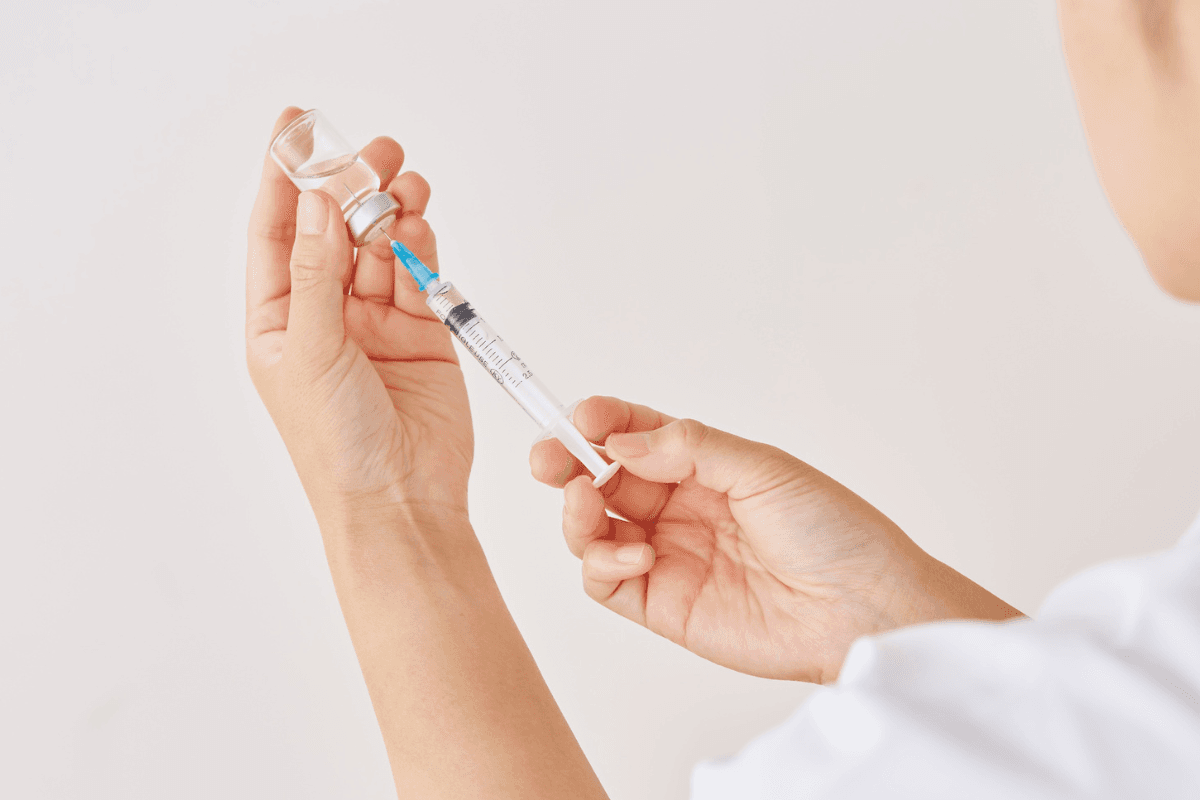
People often hear about glp-1 in diabetes and weight management, but the basics can feel fuzzy. The term gets used for a hormone, a drug class, and even supplements. That confusion matters, because these categories are not interchangeable. This guide separates the physiology from the marketing. It also outlines what to ask your clinician before any change.
Key Takeaways
- GLP-1 is an incretin hormone that rises after eating.
- Prescription agonists mimic that signal and slow stomach emptying.
- DPP-4 inhibitors work differently by extending natural incretin activity.
- “Peptides” and “supplements” are not regulated like prescription drugs.
- Bring your full medication list and goals to appointments.
Overview
GLP-1 stands for glucagon-like peptide-1, a gut-derived hormone involved in appetite and glucose regulation. You may see it described as a “satiety hormone” (fullness signal) or as part of the incretin system (hormones that help the body respond to meals). In everyday terms, it is one of the signals that helps your brain and pancreas react to food.
In clinics and headlines, glp-1 is also shorthand for a set of prescription medications. These medicines are used for specific indications, with different brand names, delivery forms, and safety considerations. This article explains what the hormone does, why a “GLP-1 agonist” is not the same thing as “natural GLP-1,” and how to compare common options without getting pulled into hype.
CanadianInsulin operates as a prescription referral service, not a prescribing clinic.
Why it matters: Clear definitions help you avoid unsafe “look-alike” products.
If you want to explore what is available by class, you can browse the site’s hub for Incretin Agonists Category and then read deeper context in General Health Articles.
Core Concepts: How GLP-1 Signals Satiety and Glucose Control
Glucagon Like Peptide: What It Is and What It Isn’t
“Glucagon like peptide” describes a family of hormone signals, not a supplement brand. The GLP-1 hormone is released from the gut after you eat. It is part of the incretin response, meaning it helps coordinate post-meal physiology. In plain language, it can help the body match insulin release to food intake, while also sending fullness cues to the brain.
That biology is the reason “glp 1 meaning” can feel slippery online. Sometimes people mean the natural hormone. Other times they mean prescription GLP-1 receptor agonists (medications that stimulate the same receptor). Those are not equivalent. The medication is engineered for longer action and predictable dosing. The hormone your body makes is short-lived and tightly regulated.
It also helps to keep terms straight. A “glp 1 agonist” refers to a drug mechanism. “Glp 1 peptides” in advertising may refer to many different compounds, including research chemicals and products with unclear oversight. When you read “types of glp 1,” ask: types of hormones, or types of medications? The risk of misunderstanding is real, especially when people mix prescription information with supplement claims.
What the Hormone Does After Meals
GLP-1 has several downstream effects that matter clinically. It can increase glucose-dependent insulin secretion, meaning the insulin response is tied to blood glucose levels. It can also reduce glucagon release in certain contexts. Many people recognize the appetite side most, because delayed gastric emptying (slower stomach emptying) can increase fullness and change how quickly glucose enters the bloodstream.
These effects are part of why “glp weight loss” shows up in search trends. Still, the hormone’s role is broader than body weight. It is linked to post-meal glucose control, appetite regulation, and gastrointestinal motility. Because it acts across systems, side effects and precautions often involve the gut and hydration status. Your clinician may also review other conditions that can be affected by slowed stomach emptying.
DPP4 and GLP 1: Two Different Levers
People often mix up “dpp4 and glp 1” because both relate to the incretin pathway. DPP-4 (dipeptidyl peptidase-4) is an enzyme that breaks down incretin hormones. DPP-4 inhibitor medications work by slowing that breakdown, which can modestly extend your body’s own incretin activity. They do not directly “replace” the hormone, and they do not replicate the same pharmacologic profile as receptor agonists.
By contrast, GLP-1 receptor agonists are designed to bind the receptor and produce a stronger, longer signal than the native hormone. That design difference affects benefits, adverse effects, and how clinicians choose among “glp 1 medications” based on goals and medical history. It also affects how people experience appetite changes and gastrointestinal symptoms. If you are comparing classes, ask your clinician to explain mechanism, expected monitoring, and how drug interactions are handled.
GLP 1 Medications: Forms, Labels, and Why Lists Can Mislead
Readers often search “glp 1 drugs list” or “glp 1 medication list” expecting one neat answer. In practice, it is more complicated. Some medications are injections, while others are oral tablets. Some are approved for type 2 diabetes, some for chronic weight management, and some for both depending on the product and jurisdiction. There are also newer agents in development, which can blur the line between established therapy and experimental headlines.
Even within a single ingredient, you may see different brand names tied to different labeled uses. For example, semaglutide is widely discussed; the phrase “semaglutide glp 1” shows up because it is in the GLP-1 receptor agonist class. If you want to understand what a specific branded product is, start with the product type and the official labeling rather than social media summaries. For background reading on how prescribing patterns have changed, see Weight-Loss Prescription Trends.
When you look at “examples of glp 1 drugs,” also note that some popular medications combine mechanisms (for example, GLP-1 plus another incretin). That can change side effect profiles and monitoring plans. Comparing them requires careful attention to what is actually in the pen or tablet, not just the headline category.
Supplements, “Natural GLP 1,” and Peptides: What to Watch For
Search terms like “glp 1 supplements,” “glp 1 natural supplements,” and “supplements that increase glp 1” are common. The challenge is that supplement regulation is not the same as prescription regulation, and claims are often indirect. Some products focus on fiber, protein blends, or plant extracts that may influence satiety, gastric emptying, or post-meal glucose patterns. That is very different from a receptor agonist with dose titration and labeled safety information.
Be cautious with any product marketed as “glp 1 peptides.” Peptide drugs used in medicine are manufactured under strict controls and dispensed through regulated pharmacies. Over-the-counter “peptide” products may be mislabeled, contaminated, or not the compound you think you are taking. If a label implies it can replace a prescription drug, that is a red flag. If you are considering a supplement, bring the bottle or ingredient panel to your clinician or pharmacist for a safety check.
Practical Guidance
It helps to treat GLP-1 discussions like any other medication decision. Start with your goal, then confirm what outcomes are being measured. People search “glp 1 treatment” for many reasons: diabetes management, weight management, cardiometabolic risk, or to reduce appetite swings. Your clinician will align any plan with diagnosis, prior treatments, and contraindications listed in the product label.
When required, prescriptions are confirmed with your prescriber before fulfillment.
Before a visit, gather a short, accurate profile. This saves time and reduces errors:
- Current meds list + doses
- Allergies and prior reactions
- Medical history highlights
- Pregnancy plans and status
- Recent labs you have access to
Next, focus on practical questions that support safe use. These are not “dose advice” questions. They are process questions that clarify what you and your care team will track:
- Indication on the label
- Expected monitoring plan
- Side effects to report
- Interaction and timing issues
- Missed-dose instructions
Readers often ask about “glp 1 dosage for weight loss.” Dosing is product-specific and should follow the official titration schedule and prescriber instructions. The safest approach is to ask for the exact product name, the form (tablet vs pen), and the step-up plan as written. If you have nausea or reduced appetite, do not self-adjust. Report symptoms and ask what adjustments are appropriate.
Quick tip: Write down side effects with dates, meals, and hydration notes.
Food and routine also come up, especially “glp 1 diet” and how to “increase glp 1 naturally.” Lifestyle choices can influence satiety and post-meal glucose signals, but they do not replicate prescription mechanisms. Clinicians often discuss steady meal patterns, adequate protein and fiber, and minimizing large, high-fat meals if nausea occurs. If you have diabetes, any diet change should be coordinated with glucose monitoring and medication timing.
For people focused on access, some platforms support cash-pay routes, often used when you are without insurance. If cross-border fulfillment is part of your plan, confirm documentation requirements early. Some patients seek US delivery from Canada for continuity of therapy, but rules and paperwork still apply.
If you want context on how diet conversations have shifted with these drugs, read Diet And Weight Loss. If you are reviewing a specific semaglutide product, see background details for Semaglutide Pens and Oral Semaglutide Tablets so you understand the form factor your clinician is discussing.
Compare & Related Topics
Comparisons are useful when they are specific. The question is rarely “best GLP-1.” It is usually “best for which goal, in which patient, with which constraints.” Many readers start at “glp 1 weight loss,” then quickly run into comparisons between semaglutide and tirzepatide, or between weekly injections and oral options. Those comparisons should stay grounded in labeled indications, safety warnings, and what you can realistically follow week to week.
Dispensing is handled by licensed Canadian pharmacies after documentation is in place.
Here are a few ways to structure a safer comparison without turning it into a popularity contest:
- Mechanism first
- Form and frequency
- Labeled indication
- Side effect tolerance
- Monitoring needs
If you are comparing semaglutide versus tirzepatide, focus on mechanism and labeled use rather than online anecdotes. A good starting point is Tirzepatide Vs Semaglutide. If your question is more about branded weight-management products, see Wegovy Vs Mounjaro and Wegovy Vs Zepbound. These comparisons can help you understand why two drugs that sound similar can have different clinical roles.
Oral versus injectable therapy is another common decision point. People who search “glp 1 medications” may not realize that oral formulations have different administration rules than pens. That can affect adherence, side effects, and how quickly clinicians can interpret results. For emerging oral agents, it also helps to keep “in development” separate from “approved and labeled.” For one example of how these discussions are framed, see Orforglipron Vs Rybelsus.
Finally, avoid mixing prescription comparisons with supplement comparisons. “Natural GLP 1” strategies can be part of general health, but they should not be presented as replacements for prescription therapies used in diabetes care. If you are looking at multiple pathways at once, ask your clinician which outcome is being targeted and how success will be measured.
Authoritative Sources
When information conflicts, use official sources to ground the discussion around glp-1 class drugs and specific product labels. Clinicians and pharmacists often rely on prescribing information, regulator communications, and professional society guidelines. These sources are also where you can verify contraindications, warnings, and administration instructions.
- For U.S. prescribing details, see FDA Drugs@FDA Database.
- For an overview of diabetes care standards, see American Diabetes Association Standards.
- For patient-friendly endocrine education, see MedlinePlus Health Information.
As you read, separate three things: the natural hormone, the prescription drug class, and any over-the-counter product claims. That simple separation reduces confusion and helps you prepare better questions for your care team. For additional context on how weight-management treatments are discussed in practice, see Zepbound Vs Ozempic.
Recap: start with definitions, confirm labeled use, then compare options by mechanism and practicality. If access is a concern, discuss documentation and cash-pay pathways with your care team, especially if you are without insurance. Most misunderstandings come from mixing categories that should stay separate.
This content is for informational purposes only and is not a substitute for professional medical advice.