
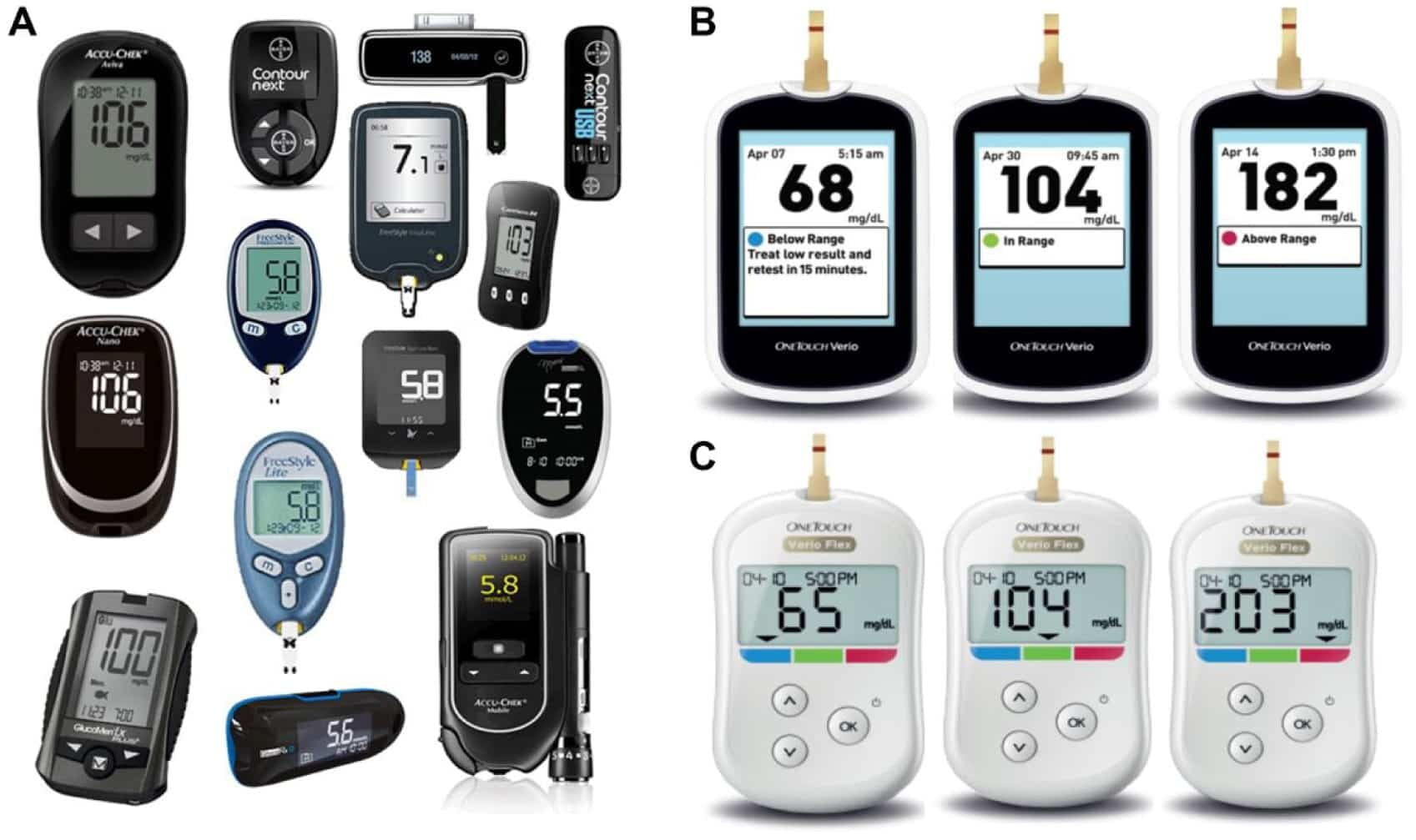
Glucose Monitors help people check glucose levels at home, at work, or on the go. Traditional meters use a finger-prick blood sample. Continuous glucose monitoring devices use a small sensor under the skin to estimate glucose in tissue fluid. Neither option is automatically best for everyone. The right choice depends on why you monitor, how often you need readings, whether alerts matter, and how your clinician uses the data.
This comparison explains the main device types, how no-finger-prick systems work, where accuracy can vary, and what to ask before choosing a monitor. It focuses on practical understanding, not device promotion.
Key Takeaways
- Meters show moments: Finger-prick meters give a point-in-time blood glucose result.
- CGMs show patterns: Wearable sensors can show trends, alerts, and overnight changes.
- No device is perfect: Technique, sensor placement, strips, and timing can affect readings.
- Lab tests still matter: Home readings do not replace A1C or diagnostic blood tests.
- Care plans guide use: Insulin, hypoglycemia risk, pregnancy, and symptoms change monitoring needs.
Glucose Monitors: The Main Options
Most Glucose Monitors fall into two broad groups: blood glucose meters and continuous glucose monitoring devices. Both can support diabetes care, but they answer different questions. A meter asks, what is my glucose right now. A CGM asks, where is my glucose going and how fast is it changing.
A blood glucose meter uses a small drop of capillary blood from a finger prick or another approved site. The sample goes on a test strip, and the meter displays a number. People often use meters before meals, after meals, during symptoms, or when confirming a CGM result. For broader condition background, see Diabetes Symptoms, Causes, Treatment, and Prevention.
A continuous glucose monitor, often called a CGM, uses a small sensor placed under the skin. The sensor measures glucose in interstitial fluid, which is fluid around the body’s cells. A transmitter, reader, or phone app then displays current estimates and trend arrows. Some systems send alerts when glucose appears to be rising or falling.
Finger-prick meters
Finger-prick meters remain useful because they are direct, portable, and familiar. They can be especially helpful when symptoms do not match a sensor reading, when a CGM needs confirmation, or when someone does not need continuous data. Their main limit is that they only show one moment. They cannot show what happened overnight unless you tested then.
Continuous glucose monitoring devices
CGMs can show patterns between checks. They may help identify overnight lows, post-meal spikes, and glucose changes during activity. Some devices scan when you bring a reader near the sensor. Others send readings automatically. The details vary by device, label, and local regulation, so product instructions matter.
Watches and displays
A smartwatch can display data from certain CGM systems, but that does not always mean the watch itself measures glucose. Be cautious with watches or rings that claim noninvasive glucose measurement without an authorized sensor system. Regulators have warned that unsupported claims can lead to unsafe treatment decisions.
Meters, CGMs, and Patch Sensors at a Glance
A simple comparison can help you match the device type to the question you need answered. The table below uses general categories because features differ across brands and models.
| Device type | How it measures | Common strengths | Common limits |
|---|---|---|---|
| Blood glucose meter | Small blood sample on a test strip | Point-in-time checks, confirmation readings, simple records | Requires finger pricks and does not show trends between tests |
| Real-time CGM | Sensor estimates glucose in tissue fluid | Trend arrows, alerts, overnight data, shared reports on some systems | May lag behind blood glucose during fast changes and may need confirmation |
| Scan-based sensor | Patch sensor read by scanning or compatible display | Pattern review without every reading requiring a finger prick | Data may depend on scanning frequency and device settings |
| Wellness glucose sensor | Varies by product and intended use | May show glucose responses for general tracking | May not be intended for diabetes treatment decisions unless labeled for that use |
No single category is always the best glucose monitor. For some people, a basic meter is enough. For others, alarms and trend data may be important because they use insulin, have frequent lows, or need closer pattern review.
How Monitoring Without Finger Pricks Works
A blood sugar monitor without finger pricks is usually a CGM or patch-style sensor. The phrase can be misleading because many systems still involve a sensor insertion. The difference is that routine readings do not require a fresh finger-prick sample each time.
The sensor sits just under the skin and estimates glucose from interstitial fluid. That value usually tracks blood glucose, but it may trail behind during rapid changes. This matters during exercise, after meals, during illness, or when glucose is falling quickly. In those moments, a finger-prick meter may still be needed for confirmation, depending on the device instructions and your care plan.
Some systems require calibration with a meter. Others are factory calibrated. Some are approved or cleared for treatment decisions when used as directed, while others are meant for general wellness or pattern tracking. The label, intended use, and local regulatory status are more important than the marketing phrase no finger pricks.
Why it matters: A sensor can reduce routine finger pricks, but it does not remove all safety checks.
Accuracy Is About Device Choice and Daily Technique
Accuracy depends on both the device and how it is used. Regulator-reviewed devices must meet performance standards, but real-world readings can still vary. A meter reading can be affected by dirty hands, expired strips, poor strip storage, too little blood, or using strips not meant for that meter.
CGM readings can be affected by sensor warm-up, sensor placement, pressure on the sensor during sleep, hydration changes, and rapid glucose movement. Some medicines or supplements may interfere with specific devices. Device instructions should list known interferences and when to confirm with a meter.
If you are comparing numbers, also compare context. A lab result, a finger-prick result, and a CGM estimate may not match exactly at the same minute. That difference can be normal, especially when glucose is changing. A helpful pattern is more important than one isolated number, unless the number is very low, very high, or linked with symptoms.
Use a finger-prick meter or seek advice when a reading does not fit how you feel. Symptoms such as shakiness, sweating, confusion, faintness, vomiting, severe thirst, or trouble breathing deserve prompt attention. A reference like Blood Sugar Normal Range Chart can help explain common ranges, but your personal targets should come from your clinician.
How to Compare Glucose Monitors in Real Use
How you compare Glucose Monitors should start with your reason for monitoring. A person using insulin may need different features than someone checking glucose occasionally. Someone with frequent overnight symptoms may value alarms. Someone who mainly tracks fasting values may prefer a simpler meter.
Consider how often you need readings. A meter can work well for scheduled checks. A CGM can provide a fuller picture when patterns matter. This includes overnight readings, exercise effects, meal responses, and possible lows during the day. For people with type 2 diabetes, monitoring needs can change as medications, weight, kidney function, illness, or eating patterns change.
Think about the data format too. Some devices store only recent results. Others create reports that show time in range, average glucose, variability, and patterns by time of day. These reports may help a clinician adjust a care plan, but they should not be used to change medication doses without professional guidance.
Comfort and daily routine also matter. A finger-prick meter needs lancets and test strips. A patch sensor needs skin placement, adhesive tolerance, and replacement according to its instructions. People with sensitive skin may need to discuss adhesives, rotation sites, or irritation with a clinician.
Access is another practical factor. Many finger-prick meters are available through retail channels. Some continuous glucose monitoring devices require a prescription, while some products may be available over the counter in certain jurisdictions. Availability, intended use, and coverage rules can change, so check the current device label and local requirements.
If your meter or clinic uses a different glucose unit, a conversion tool can make records easier to compare. It converts between mg/dL and mmol/L for discussion, but it does not decide whether a result is safe for you.
Blood Glucose Unit Converter
Convert glucose readings between mg/dL and mmol/L without changing the clinical value.
These calculations are for education only and do not replace clinical advice, diagnosis, or treatment. Always confirm medical decisions with a qualified healthcare professional.
Quick tip: Keep the same unit system in your log whenever possible.
Using Readings With A1C, Lab Tests, and Symptoms
Home readings and lab tests answer different questions. A glucose meter or CGM shows short-term information. An A1C Test estimates average glucose exposure over roughly the previous two to three months. A Fasting Plasma Glucose Test measures glucose after fasting under lab conditions.
That difference explains why a person can have acceptable morning meter readings but an A1C that suggests higher average glucose. Post-meal readings, overnight patterns, illness, missed checks, and glucose variability may all contribute. A CGM can sometimes reveal patterns that scheduled finger-prick checks miss.
Symptoms are still important. A device can display a number, but it cannot interpret your full clinical picture. If you feel low but your CGM does not show a low, confirm with a meter if your device instructions recommend it. If you feel very unwell, treat the situation as clinical, not technical.
Monitoring can also highlight risk areas. Repeated highs may increase concern about long-term complications. Repeated lows can affect safety during driving, work, sleep, or exercise. For related context, see Type 2 Diabetes Complications.
When Readings Deserve Medical Review
No Glucose Monitors can replace medical review when readings are repeated, severe, or linked with symptoms. Contact a clinician if you notice frequent low readings, unexpected highs, or a sudden pattern change after illness, medication changes, weight change, or major diet changes.
Low glucose can cause symptoms such as shakiness, sweating, hunger, dizziness, confusion, or fainting. People taking insulin or certain diabetes medicines may have a higher risk of medication-related lows. If this is relevant to you, Metformin Hypoglycemia and Reactive Hypoglycemia explain different low-glucose contexts in more detail.
High glucose with vomiting, dehydration, abdominal pain, deep breathing, confusion, or ketones can be urgent. This is especially important for people at risk of ketoacidosis, a serious state involving high ketones and metabolic imbalance. Learn more in Ketosis vs Ketoacidosis.
Device data can make a visit more useful. Bring your meter, sensor reports, medication list, meal notes if relevant, and questions about target ranges. Do not stop, start, or change diabetes medicines based only on a device pattern unless your clinician has told you how to do so.
Authoritative Sources
The sources below support general device concepts, safety limits, and regulatory context. They do not replace device instructions or individualized medical care.
- FDA blood glucose monitoring devices describes meter systems and regulatory context.
- CDC continuous glucose monitors explains CGM use for diabetes treatment support.
- FDA smartwatch and ring warning addresses unsupported noninvasive glucose claims.
Choosing a monitor is less about finding one universal best device and more about matching features to your monitoring purpose. Ask what data you need, how you will confirm unexpected results, and how your clinician wants to review the information.
This content is for informational purposes only and is not a substitute for professional medical advice.