
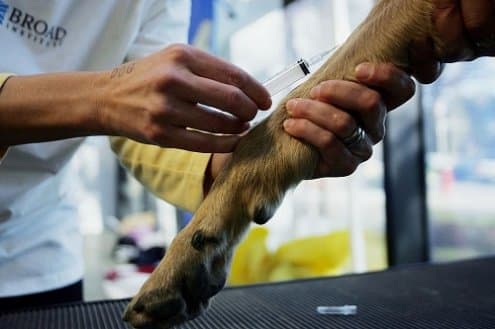
Humalog may be used in some dogs, but only when a veterinarian decides it fits a specific diabetes plan. Humalog is insulin lispro, a rapid-acting human insulin analog that lowers blood glucose quickly and wears off sooner than many longer-acting insulins. Humalog for dogs safety depends on timing, food intake, glucose monitoring, and clear veterinary instructions. The main concern is hypoglycemia, or low blood sugar, which can become urgent.
Most dogs with diabetes need a steady, longer-acting insulin as their main treatment. Rapid-acting insulin may have a narrower role, such as hospital care, diabetic ketoacidosis management, or carefully supervised correction of sharp glucose rises. Do not start, substitute, or adjust insulin without your veterinarian.
Key Takeaways
- Off-label use: Humalog is not a routine first-choice insulin for most dogs.
- Rapid action: Insulin lispro can lower glucose quickly, so timing matters.
- Main risk: Low blood sugar can cause weakness, tremors, seizures, or collapse.
- Vet-led dosing: Safe plans depend on glucose data, meals, and other insulin use.
- Device checks: Pens, vials, and syringes must match the prescribed units.
Where Rapid-Acting Insulin Fits in Canine Diabetes Care
Humalog insulin for dogs is usually considered a specialized tool, not a standard home insulin for every diabetic dog. Its rapid onset can help in situations where a veterinarian needs faster glucose control than a longer-acting product provides.
Insulin lispro is designed to absorb quickly after injection. That can be useful when glucose rises around meals or when a dog is receiving monitored hospital treatment. The same speed also creates risk. If a dog refuses food, vomits, receives the wrong amount, or gets overlapping insulin doses, blood glucose can fall too low.
Many dogs are managed with longer-acting insulin preparations that provide broader daily coverage. If you are comparing diabetic dog insulin options, start with your veterinarian’s diagnosis, glucose curve results, appetite pattern, and home monitoring capacity. For a broader orientation to insulin choices, see Insulin for Dogs.
Why it matters: The fastest insulin is not always the safest or most appropriate insulin.
Can Dogs Use Humalog Insulin?
Dogs can receive insulin lispro in some veterinary settings, but its use is off-label and requires close supervision. Off-label use means a veterinarian is applying a human medication in an animal based on clinical judgment, available evidence, and the dog’s needs.
A veterinarian may consider rapid-acting insulin when a dog needs short-term correction or intensive monitoring. Examples can include diabetic ketoacidosis, a serious complication where high glucose, dehydration, and ketones require urgent veterinary care. In these settings, the dog is often monitored with repeated glucose checks, fluid therapy, and electrolyte assessment.
At home, the margin for error can be smaller. Owners may not have immediate access to lab testing, appetite can change suddenly, and multiple caregivers may handle injections. This is why written instructions matter. They should cover injection timing, feeding, glucose checks, missed meals, vomiting, and when to contact the clinic.
If your veterinarian discusses human insulin for dogs, ask how it compares with veterinary-labeled or commonly used longer-acting products. The answer may depend on your dog’s weight, eating schedule, other diseases, prior glucose curves, and whether the goal is daily maintenance or short-term stabilization.
Safety Risks and Warning Signs to Watch
The most important safety issue with rapid-acting insulin is hypoglycemia. Low blood sugar in dogs can start with mild signs and progress quickly, especially if insulin action peaks when little food is available.
Possible signs include unusual hunger, restlessness, weakness, trembling, wobbliness, sleepiness, confusion, glassy eyes, twitching, seizures, or collapse. Some dogs show subtle changes first, such as staring, hiding, or acting unusually clingy. Any suspected severe low should be treated as urgent.
Insulin overdose in dogs symptoms can overlap with hypoglycemia from missed meals or extra activity. The practical response is the same: follow your veterinarian’s emergency plan and contact a veterinary professional immediately. Do not give another insulin dose while trying to “correct” a low unless your veterinarian gives direct instructions.
Other adverse effects can include injection-site irritation, changes in appetite, weight changes related to diabetes control, or rare allergic reactions. Rapid breathing, repeated vomiting, profound lethargy, dehydration, or ketone concerns need prompt veterinary review because they may signal unstable diabetes or another illness.
For more background on onset, peak, and duration concepts, the related resource Humalog Onset and Duration explains how rapid insulin timing is usually discussed. Apply those concepts only through your veterinarian’s dog-specific plan.
Dosing Principles Without Guesswork
Humalog dosing for dogs should come only from a veterinarian who knows the dog’s case. There is no universal safe dose that applies to all dogs, and online charts cannot account for appetite, concurrent insulin, illness, exercise, or prior glucose patterns.
Veterinarians may use body weight as one input, but dosing decisions also rely on glucose curves, fructosamine results, feeding consistency, ketone status, and response to earlier insulin. A small dog, a dog with poor appetite, or a dog receiving another insulin may need extra caution because rapid insulin can stack with existing insulin activity.
Dog insulin dosage guidance should also include what not to do. Do not round doses casually, switch syringe types, change from vial to pen without review, or repeat a dose because glucose still looks high soon after injection. Rapid-acting insulin can still be working even when a meter reading remains elevated.
Questions to ask before using rapid insulin at home
- Meal timing: When should food be offered around injection time?
- Glucose checks: Which readings should be recorded and shared?
- Low plan: What carbohydrate source should be kept available?
- Missed meals: What should happen if the dog will not eat?
- Other insulin: How should lispro fit with the basal insulin schedule?
- Emergency signs: Which symptoms mean immediate veterinary care?
Home glucose units can also cause confusion. Some meters and veterinary records use mg/dL, while others use mmol/L. This converter can help with unit conversion for record review, but it does not interpret results or replace veterinary guidance.
Blood Glucose Unit Converter
Convert glucose readings between mg/dL and mmol/L without changing the clinical value.
These calculations are for education only and do not replace clinical advice, diagnosis, or treatment. Always confirm medical decisions with a qualified healthcare professional.
Pens, Vials, and Handling Details That Prevent Errors
Device choice affects safety because insulin errors often happen at the unit-measurement level. Humalog is commonly discussed in vial and pen formats, but the right format for a dog depends on prescribed dose size, caregiver skill, and veterinary preference.
Vials require a compatible syringe and careful drawing technique. Pens can be easier to handle, but dose increments may not fit every dog’s needs. Some dogs require very small adjustments, and not every device supports the same level of fine control. Your clinic should demonstrate the exact product and device you will use.
Confirm the insulin concentration before each new supply. U-100 insulin must be measured with U-100 syringes if a syringe is used. Mixing syringe types can cause serious dosing errors. If your veterinarian prescribes a vial, the Humalog Vial page can help you identify the product format during a medication discussion. If a pen is part of the plan, the Humalog KwikPen page offers product-format context.
Storage matters too. Insulin should be protected from freezing, overheating, direct sunlight, and contamination. Write the opening date on the container, inspect the solution before use, and ask the clinic how long an in-use product should be kept. Do not use insulin that looks abnormal or has been stored outside recommended conditions.
Quick tip: Keep one written insulin chart where every caregiver can see it.
How Veterinarians Compare Insulin Options for Dogs
The best insulin for diabetic dogs is the one that matches the dog’s medical needs and can be used safely by the caregiver. For many dogs, that means a longer-acting insulin used consistently with meals and monitoring.
Rapid-acting insulin for dogs may be one part of a plan, but it rarely replaces the need for baseline control. Longer-acting choices may be selected to provide steadier coverage across the day. Your veterinarian may adjust the plan after glucose curves, weight changes, appetite changes, or concurrent diseases.
Neutral comparison questions can help during appointments. Ask whether the goal is daily maintenance, short-term correction, or hospital stabilization. Ask how the insulin’s expected action matches your dog’s feeding pattern. Ask what signs would lead to a recheck or change in plan.
Human insulin is sometimes used in veterinary medicine, but that does not mean every human insulin is interchangeable. Humulin N, for example, has a different action profile than rapid-acting lispro. For related context, see Humulin N for Dogs and Canine Diabetes Treatment.
Preparing for a Safer Vet Conversation
Clear records make insulin decisions safer. Bring your dog’s feeding schedule, insulin log, glucose readings, body weight trend, appetite notes, and any recent illness history to each diabetes visit.
Record the exact insulin name, concentration, device, dose instructions, and injection times. If you use a pen, note the pen name and dose increment. If you use a vial, note the syringe type. Also record unusual activity, skipped meals, vomiting, diarrhea, steroid use, or infections because these can change glucose patterns.
Ask your clinic to watch your injection technique. Small changes in skin tenting, needle placement, or dose measurement can matter. If more than one person gives injections, each caregiver should receive the same training.
CanadianInsulin.com publishes educational medication and diabetes resources, and it also operates as a prescription referral platform where prescription details may be confirmed with the prescriber when required. Product access and fulfilment, where permitted, are handled through licensed third-party pharmacies rather than through this article. For broader browsing, the Pet Health Articles category groups related pet-focused content.
Authoritative Sources
The AAHA diabetes management guideline outlines veterinary considerations for insulin therapy in dogs and cats.
The Merck Veterinary Manual overview provides clinical background on diabetes mellitus in dogs and cats.
A peer-reviewed review in insulin treatment updates for dogs and cats discusses insulin options, including rapid-acting insulin use in monitored settings.
Bottom Line
Insulin Humalog for Dogs: Safety depends on veterinary oversight, accurate dosing, consistent meals, and quick recognition of low blood sugar. It may be useful in selected cases, but it is not a casual substitute for a dog’s prescribed insulin plan.
If your dog receives insulin lispro, keep the instructions visible, measure carefully, and contact your veterinarian if appetite, behavior, glucose readings, or device supplies change. Bring logs to each visit so the care team can make safer adjustments based on real data.
This content is for informational purposes only and is not a substitute for professional medical advice.


