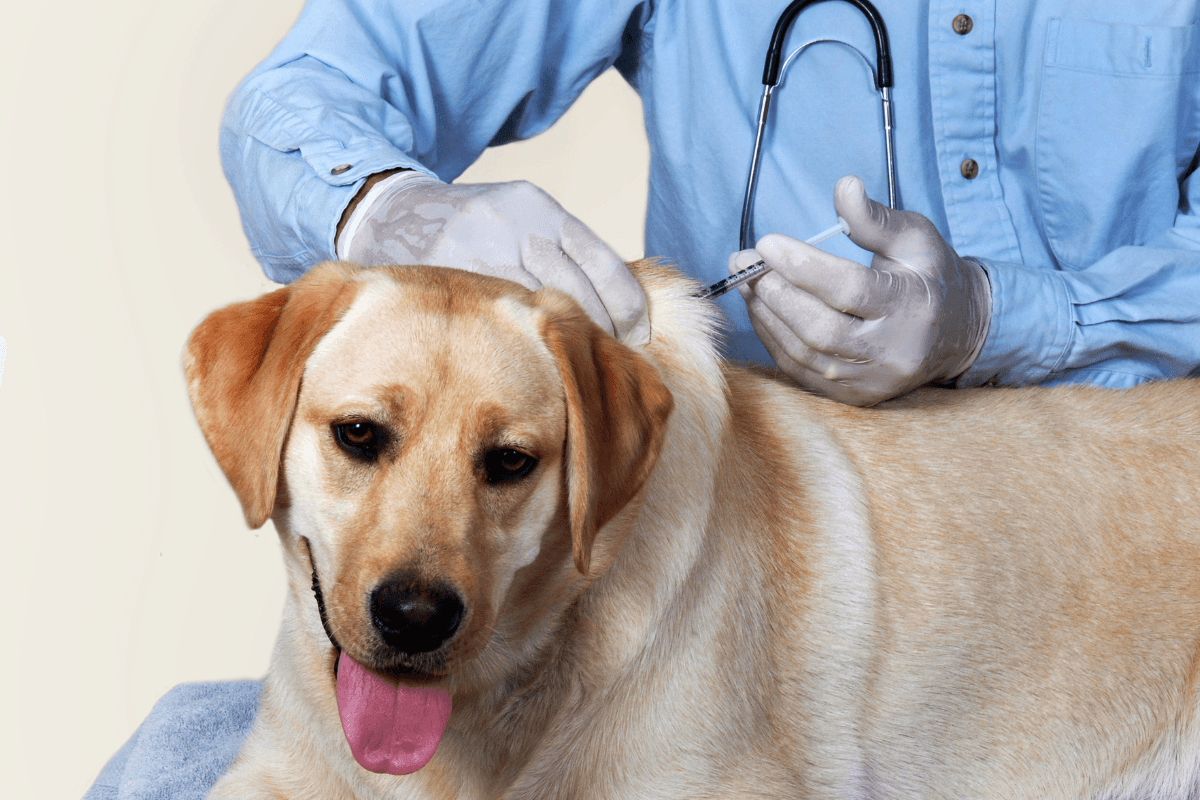
Humulin N insulin for dogs is an intermediate-acting NPH insulin that some veterinarians use to help manage canine diabetes. It is not a do-it-yourself treatment. Safe use depends on a veterinary diagnosis, consistent meals, correct syringes, careful glucose monitoring, and planned dose adjustments based on data.
Why this matters: insulin can help control diabetic signs, but too much can cause dangerous low blood sugar. This page explains where NPH insulin fits, how dosing is usually discussed, what owners should monitor, and when another insulin may be considered.
Key Takeaways
- Intermediate action: NPH has a mid-range onset and duration.
- Vet-directed dosing: weight helps start the discussion, but curves guide changes.
- Low glucose risk: weakness, tremors, confusion, or seizures need urgent action.
- Consistency helps: meals, injections, exercise, and logs shape results.
- Alternatives exist: lente, PZI, and other insulins may fit some dogs better.
Where NPH Insulin Fits in Canine Diabetes Care
NPH insulin, also called neutral protamine Hagedorn insulin, is an intermediate-acting insulin. In dogs, veterinarians often consider it when they want coverage that can be paired with meals, commonly on a twice-daily schedule. The goal is not a perfect single glucose number. The goal is steadier control of thirst, urination, appetite, weight, and blood glucose patterns.
Humulin N is a human NPH insulin product. Veterinarians may use human insulin products in animals when they judge them appropriate for the individual case. That decision can depend on your dog’s weight, eating pattern, other illnesses, owner schedule, and previous response to insulin.
Some owners ask whether Humulin N insulin for dogs is the same as veterinary products such as lente insulin. It is not the same formulation. NPH, lente, and protamine zinc insulin (PZI) differ in how they are made, how concentrated they are, and how long they may work in a given animal. Those differences matter because the wrong syringe or an unplanned switch can cause dosing errors.
For broader background on insulin choices, the related Insulin For Dogs resource explains common formulations and practical discussion points. If your veterinarian has specifically mentioned NPH, Humulin N Insulin Dogs Dosage gives more context on dose conversations.
Starting Dose Discussions and Weight-Based Examples
Initial insulin dosing in dogs is usually weight-based, then adjusted using glucose data and clinical signs. A dog insulin dosage chart can help you understand the math, but it should not be used to set or change a dose without your veterinarian.
Many veterinary references describe conservative starting ranges for intermediate-acting insulin. Your veterinarian may choose a lower or higher starting plan depending on health status, appetite, ketones, concurrent disease, and the risk of hypoglycemia (low blood sugar). After treatment begins, glucose curves and home observations usually matter more than the starting calculation.
The table below is an educational example only. It shows how a dog insulin dosage chart by weight is often interpreted as a discussion aid, not a prescribing tool.
| Dog Weight | Example Discussion Range | What Usually Guides Changes |
|---|---|---|
| 5–10 kg | Vet may discuss a conservative U/kg range | Meal intake, glucose curve, symptoms |
| 10–20 kg | Weight helps estimate a starting point | Nadir, duration, water intake |
| 20–40 kg | Larger dogs often need more total units | Trend data, injection technique, weight |
| More than 40 kg | Total units can look high in isolation | Absorption, comorbidities, response pattern |
Owners often ask, “is 20 units of insulin a lot for a dog?” The answer depends on the dog’s size, insulin type, glucose curve, and symptoms. A dose that is high for a small dog may be reasonable for a much larger dog, or it may signal that something else needs review. Never raise a dose only because a single reading looks high.
A maximum insulin dose for dogs by weight is also not a simple ceiling. Veterinarians usually look for reasons when insulin needs keep rising. Common checks include missed doses, incorrect syringe type, poor injection technique, expired or mishandled insulin, weight changes, infection, hormonal disease, or inconsistent food intake.
Quick tip: Bring your insulin, syringes, meter, food label, and log to recheck visits.
Monitoring: Curves, Logs, and Home Safety Signals
Monitoring shows whether an insulin plan is working safely. A glucose curve tracks readings across the day to estimate onset, nadir, and duration. The nadir is the lowest glucose point after insulin. This value helps the care team decide whether the dose is too strong, too weak, or wearing off too soon.
Home logs add context that a meter cannot show alone. Record meals, injection times, water intake, urination, exercise, vomiting, missed food, and unusual behavior. These notes help separate a true insulin problem from a routine disruption.
Some clinics also use fructosamine, a blood marker that reflects average glucose over a longer period. It can support trend review, but it does not replace careful observation. A dog may have acceptable averages while still having unsafe low points during part of the day.
If you track glucose at home, your meter may show mg/dL or mmol/L. This converter can help translate units when comparing notes or lab reports. It does not interpret whether a reading is safe for your dog.
Blood Glucose Unit Converter
Convert glucose readings between mg/dL and mmol/L without changing the clinical value.
These calculations are for education only and do not replace clinical advice, diagnosis, or treatment. Always confirm medical decisions with a qualified healthcare professional.
Signs of possible hypoglycemia include sudden weakness, wobbliness, trembling, unusual hunger, disorientation, collapse, or seizures. If your veterinarian has given you a low-glucose action plan, follow it immediately. If symptoms are severe or your dog cannot swallow normally, seek emergency veterinary care.
High readings also need careful interpretation. Stress, pain, infection, recent food, missed insulin, and poor absorption can all contribute. For related background on persistent high glucose, see Humulin N Insulin Dosage for general NPH principles and follow-up concepts.
Human Insulin, Veterinary Insulin, and Syringe Safety
Human insulin can sometimes be used in dogs, but products are not interchangeable. The key issues are insulin type, concentration, syringe matching, and the dog’s individual response.
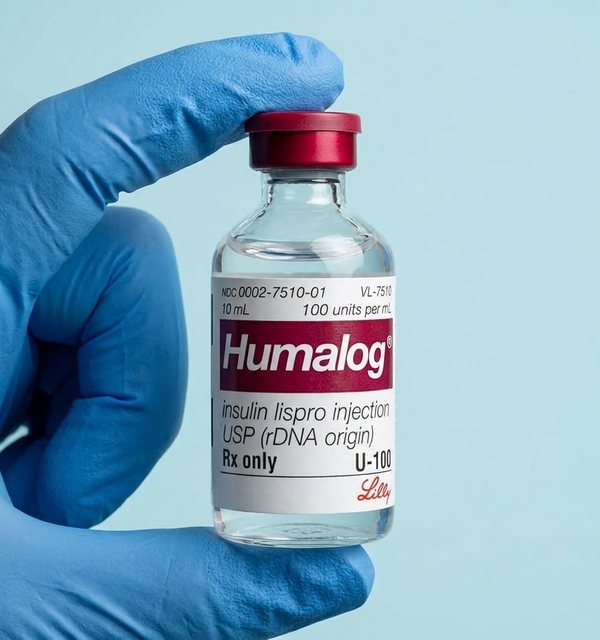
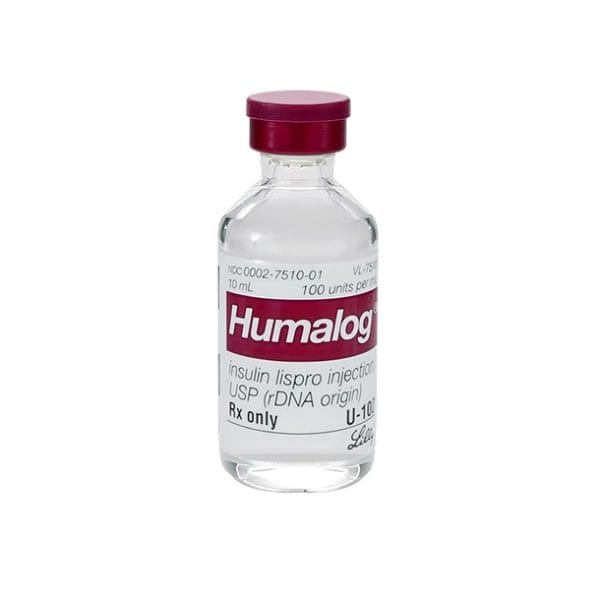
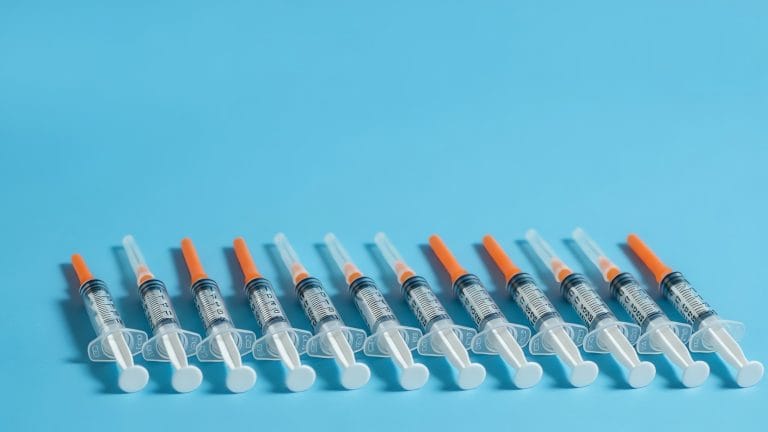
Humulin N is commonly supplied as U-100 insulin. Some veterinary insulin products use U-40 concentration. That difference is critical. A U-100 syringe and a U-40 syringe do not measure the same volume per unit. Using the wrong syringe can lead to underdosing or overdosing, even when the number drawn up looks correct.
Store and handle insulin exactly as your veterinarian or product instructions describe. Many errors come from shaking when rolling is advised, using insulin after it has changed appearance, drawing air incorrectly, or injecting into the same site repeatedly. Ask your clinic to watch your technique if readings do not match expectations.
If your care team is comparing NPH products, Novolin N vs Humulin N explains how two NPH options are commonly discussed. Product pages such as Humulin N Vials and Novolin GE NPH Vials can help you identify form and concentration details to confirm with your veterinarian.
When Another Insulin May Be Considered
Another insulin may be considered when glucose curves show poor duration, an early or late nadir, recurring lows, or ongoing diabetic signs despite careful technique. The choice is not about the “best insulin for dogs” in general. It is about the best fit for one dog’s pattern.
Lente insulin is a common veterinary option for canine diabetes. PZI may be discussed in selected cases. Some longer-acting human analogs, such as glargine or degludec, may appear in veterinary discussions, but their role depends on the animal, clinic protocol, and available evidence. Your veterinarian can explain why one formulation is preferred for your dog.
A switch should be planned, not improvised. Different insulins may have different concentrations, syringes, handling instructions, onset, nadir, and duration. Your clinic may ask for a new glucose curve after the change and may temporarily increase monitoring.
Access questions should stay separate from dosing decisions. CanadianInsulin.com is a prescription referral platform, and where required, prescription details may be confirmed with the prescriber. Dispensing and fulfilment are handled by licensed third-party pharmacies where permitted. This service context does not replace veterinary guidance on whether Humulin N insulin for dogs is suitable.
Practical Questions to Ask Your Veterinarian
Good questions make appointments more useful. They also reduce mistakes at home, especially during the first few weeks after diagnosis or after any insulin change.
- Insulin choice: why this formulation fits my dog’s pattern.
- Starting plan: how the initial dose was selected.
- Meal timing: when food should be offered around injections.
- Curve schedule: when to check glucose after changes.
- Low-glucose plan: what symptoms require emergency care.
- Syringe match: which syringe type belongs with this insulin.
- Missed dose rules: what to do if food or insulin is skipped.
- Storage check: how to handle, inspect, and replace insulin.
Many owners also ask about a dog insulin calculator. A calculator can show how weight-based math works, but it cannot account for nadir timing, illness, appetite, or day-to-day variability. Use it only as a conversation aid.
If you are still learning the wider condition, browse the Pet Health collection for related animal-care topics. The Diabetes collection can also help with general glucose terms that appear in veterinary visits.
Authoritative Sources
For veterinary diabetes management principles, the AAHA insulin therapy guidance outlines common insulin choices and monitoring concepts for dogs and cats.
For a peer-reviewed clinical review, the NIH-hosted insulin treatment update discusses insulin use in dogs and cats, including NPH considerations.
For administration basics, the Veterinary Partner insulin administration resource explains practical handling and injection concepts for dog owners.
Recap
Humulin N insulin for dogs can be part of canine diabetes treatment when a veterinarian selects it for the individual case. It is an intermediate-acting NPH insulin, not a universal fit for every dog. Safe use depends on matched syringes, consistent routines, glucose curves, symptom tracking, and clear instructions for low blood sugar.
Before changing any insulin dose, review the pattern with your veterinary team. Bring logs, readings, food details, and questions about alternatives if control remains difficult.
This content is for informational purposes only and is not a substitute for professional medical advice.