Premixed insulin can simplify mealtime coverage when used correctly. Humalog Mix combines rapid and intermediate insulins in one device to streamline dosing. This guide explains how the KwikPen works, when to use it, and how to handle common issues. You will see practical steps, safety tips, and neutral comparisons to alternatives.
Key Takeaways
- Device basics: Learn the pen parts and priming steps
- Dosing context: Understand timing with meals and activity
- Safety checks: Recognize hypoglycemia risks and interactions
- Handling: Meet storage limits and cartridge care needs
Understanding Humalog Mix: Composition and Action
Humalog Mix is a premixed insulin containing insulin lispro (rapid-acting) and insulin lispro protamine (intermediate-acting). The rapid component helps manage post-meal spikes, while the protamine suspension extends coverage between meals. This dual action may reduce complexity for some users compared with separate basal and bolus injections. Clinically, it targets prandial glucose and provides basal-like support.
Because it is a suspension, the pen must be gently mixed until uniformly cloudy before use. Skipping this step can lead to erratic absorption and variable control. For a broader overview of premix design and who might benefit, see Premixed Insulin for context on mechanisms and patient selection. For full composition and labeled warnings, review the manufacturer’s U.S. prescribing information before making decisions with your clinician.
KwikPen Formats and Components
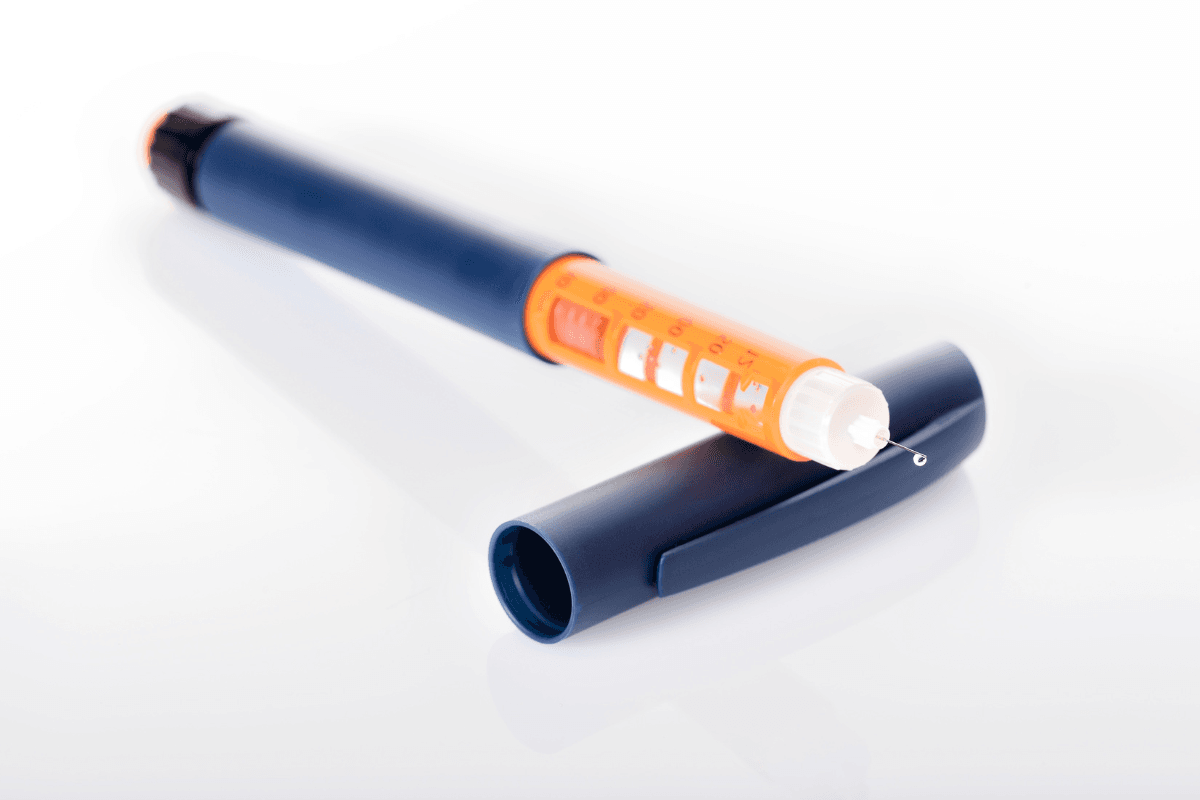
The KwikPen houses a prefilled cartridge and an easy-to-read dose window. A dial-and-click mechanism sets the dose, and a push-button delivers it. Many users appreciate the consistent injection force across the dose range. Always attach a new pen needle for each injection to support sterility and consistent flow.
Multiple ratios exist to match different clinical needs. The widely used humalog mix 75/25 ratio includes 75% protamine suspension and 25% rapid insulin. Another option is a balanced 50/50 premix available in pen or cartridge forms. For a practical device overview and portability features, see Humalog KwikPen Control, which explains pen ergonomics and ease-of-use factors.
Ratio Options: 75/25 vs. 50/50
The 75/25 blend emphasizes intermediate coverage, which may help between meals for certain adults. The 50/50 blend provides a larger rapid component, which can align with higher carbohydrate loads. Clinicians weigh meal patterns, fasting glucose, and hypoglycemia risk when choosing a mixture. Individuals with variable schedules might prefer flexible mealtime bolus strategies instead of a premix.
If you are comparing pens and cartridges, see Insulin Cartridges Guide for device interchangeability and maintenance notes. For a concise vial-based option that supports syringes, read Humalog Vial Overview to understand vial dosing contexts.
Dosing Fundamentals and Timing
Dose decisions should be individualized by a clinician using glucose records and goals. Typical approaches consider fasting values, carbohydrate intake, and activity levels. With premixed insulins, timing around meals is vital because the rapid component covers immediate food intake. Skipping meals after dosing may raise hypoglycemia risk.
Some users and clinicians consider humalog mix 50 when meal carbohydrate loads are higher. Others prefer the 75/25 blend for steadier coverage between meals. Your plan may also include dose adjustments for exercise, illness, or corticosteroid use. For injection locations and rotation steps, see Injection Sites Instructions to prevent lipohypertrophy and maintain absorption consistency.
Using the KwikPen Step by Step
Before each use, wash hands, inspect the pen label, and confirm the suspension looks uniformly cloudy. Roll and tip the pen gently until mixed; do not shake hard, which can create bubbles. Attach a new needle, prime per manufacturer guidance, then dial the dose. Stabilize the skin, insert at 90 degrees (or as advised), press and hold the button to deliver fully, then count before removing.
Users looking for device-specific guidance may reference humalog mix 75/25 kwikpen instructions when training with a clinician or diabetes educator. Keep your glucose meter or CGM data visible to track responses. For more on daily setup, carry, and travel handling, see Insulin Storage 101 for storage thresholds and travel tips that protect insulin potency.
Indications, Administration, and Safety
Premixed lispro suspensions are indicated for adults requiring both prandial coverage and between-meal insulin. The mechanism reflects the humalog mix 25 action concept: a rapid component for meal spikes and a protamine component for extended effect. This pairing may simplify some regimens compared with separate basal-bolus injections. However, it offers less flexibility if meal timing or size varies widely.
Routine safety checks help reduce risk. Watch for hypoglycemia symptoms, inspect sites for lipohypertrophy, and track patterns before adjusting with your prescriber. Some medications, such as beta-blockers, can mask low-glucose warning signs. For official risk statements and interactions, see the Health Canada product monograph and discuss changes with your care team. A comparison overview in Humulin vs. Humalog may clarify class differences when tailoring therapy.
Storage, Stability, and Handling
Insulin potency depends on temperature control and light protection. Unopened pens should remain within the labeled refrigeration range. Once in use, follow the in-use room-temperature window on the label; do not return to refrigeration. Avoid heat, freezing, and direct sunlight. Keep spare pens in their cartons to reduce light exposure.
Cloudy suspensions require gentle mixing before each injection, and pens should be inspected for clumping or crystals. Discard pens that look unusual or past their in-use timeline. For practical storage risks and simple prevention steps, see Improper Insulin Storage Dangers for examples of temperature excursions and their effects. If you need a refresher on core handling principles, consult Insulin Storage 101 again for quick-reference checklists.
Alternatives and Transitions
Therapy changes require clinician oversight because premixes are not unit-to-unit interchangeable with other insulin types. Some adults inquire about an option positioned as a humalog mix 50 alternative when seeking different meal coverage or flexibility. Alternatives include separate basal and bolus regimens, other premixes, or newer ultra-rapid analogs. Each option carries distinct timing, hypoglycemia risk, and training needs.
Switching delivery systems also affects routines. Cartridges can pair with reusable pens for less plastic waste, while prefilled pens maximize convenience. For device comparisons and maintenance implications, review Insulin Cartridges Guide for pros and cons across formats. You can also explore the broader Insulin Types Guide for a landscape view before discussing changes with your clinician.
Cost Considerations and Access
Costs vary based on insurance coverage, region, and pharmacy agreements. Some patients track humalog kwikpen price trends while reviewing plan formularies. Out-of-pocket differences can emerge between pens, cartridges, and vials. Monitor your benefits portal for tier changes, quantity limits, or prior authorization requirements that could affect supply timing.
To reduce waste, align refill quantities with your in-use timelines and meter supplies. Store pens properly to avoid potency loss and replacement needs. For practical budgeting ideas, see Budget-Friendly Refills Tips covering refill timing and expiration planning. If you prefer prefilled options, compare features by reviewing Humalog KwikPen Control for usability considerations that may influence adherence.
Clinical Considerations and Patient Selection
Premixed pens may suit adults with relatively stable meal patterns and predictable activity. Candidates often prefer fewer daily injections and simpler timing rules. Factors such as renal function, hypoglycemia history, and dexterity should guide selection. Those needing flexible carbohydrate dosing or irregular schedules may benefit from separate basal-bolus regimens instead.
Subcutaneous injection is the standard for premixed insulins in outpatient care, aligning with humalog mix 25 routes of administration described in official labeling. Intravenous use is not appropriate for suspensions. Comprehensive education at initiation improves technique and reduces errors. For coaching on preparation and repeated daily use, many educators point to device-specific training materials and structured checklists.
Device Access and Practical Resources
Some adults prefer prefilled pens for simplicity and minimal assembly. If you need to compare prefilled options and accessories, see Humalog Mix KwikPens to review device specifications and compatible needles. Users seeking reusable systems may consider cartridge-based setups for sustainability.
For premixed devices that pair with reusable pens, review Humalog Mix Cartridges to understand capacity, appearance checks, and mixing requirements. These product resources can help frame a conversation with your clinician about format, routine, and training needs.
Recap
Premixed lispro pens combine mealtime and between-meal coverage in a single device. Correct mixing, timing with meals, and site rotation support consistent results. Compare formats and alternatives with your clinician, and follow official labeling for safety.
Tip: Keep a brief checklist in your kit covering dose, timing, mixing, and site rotation. This small step can reduce errors on busy days.
Note: Log glucose trends weekly and share concise summaries with your care team to support safe adjustments.
This content is for informational purposes only and is not a substitute for professional medical advice.