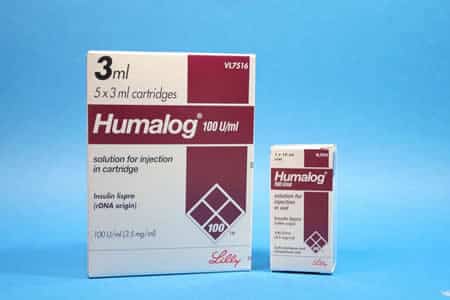
Getting humalog dosage right supports safer mealtime control and fewer lows. This guide explains how clinicians approach starting doses, weight-based estimates, correction concepts, device-specific notes, and safety checks. Use it to prepare informed questions and to understand why your plan may change over time.
Key Takeaways
- Individualized plan: dosing varies by weight, diet, and glucose patterns.
- Timing matters: inject rapid insulin near meals to match absorption.
- Safety first: track lows, review patterns, and adjust with your team.
- Tools help: charts, pens, and logs can improve consistency and accuracy.
What Is Insulin Lispro and Who Uses It?
Insulin lispro is a rapid-acting analog used for mealtime (bolus) coverage. It helps reduce post-meal glucose spikes and complements basal insulin (background insulin) in many treatment plans. People with type 1 diabetes typically use both basal and bolus doses. Some people with type 2 diabetes use mealtime insulin when other therapies are not enough.
Understanding broader insulin options can clarify why lispro might be chosen. For a structured overview of insulin families and actions, see Understanding Different Types Of Insulin for context on selection. If you live with type 1 diabetes and explore medication categories, Medications Treat Type 1 Diabetes outlines common therapies and when insulin becomes essential.
Humalog Dosage: Starting, Titration, and Safety
Clinicians individualize starting mealtime doses based on current therapy, weight, carbohydrate intake, and glucose patterns. Many plans begin conservatively, then titrate over several days using meter or CGM logs. Dose intensification may consider carb ratios, correction factors, and hypoglycemia frequency to balance targets and safety.
Professional guidelines support patient-specific dosing, careful titration, and shared decision-making. For evidence-based principles on insulin therapy and self-management, see the ADA Standards of Care, which summarize basal-bolus strategies and adjustment approaches. Canadian practice recommendations align closely; the Diabetes Canada guidance outlines insulin selection, timing, and monitoring requirements in adult care.
Weight-Based Dosing and Ratios
Many clinicians estimate initial bolus using weight and anticipated carbohydrate intake. Weight-based methods are starting points, not fixed prescriptions. Some plans derive a total daily dose and split it between basal and bolus, then refine bolus doses using carb counting and sensitivity factors. These methods retain flexibility for appetite changes and varied meals.
Some people explore an insulin dose calculator by weight when discussing starting estimates. A simple approach might begin with a conservative total daily guess, then adjust the mealtime portion based on observed post-meal readings. Regular pattern reviews with your healthcare team help refine carb ratios and reduce hypoglycemia risk as your plan stabilizes.
Tip: Keep consistent meal logging for two weeks. Reliable carb entries and pre/post readings make dose adjustments more precise and safer.
Correction Doses and Sensitivity
Correction dosing aims to bring unexpected highs toward a target range. Clinicians often calculate an insulin sensitivity factor (ISF), which estimates how much one unit may lower glucose. The ISF helps determine how many units to add on top of a mealtime bolus when pre-meal readings run high.
Good practice pairs corrections with pattern thinking. If repeated corrections occur at the same time daily, background insulin or meal composition may need review. Over-reliance on corrections can signal underdosing of basal insulin or an inaccurate carb ratio. Discuss recurring trends before making large changes on your own.
Using Charts and Devices
Many education programs provide a humalog dosing chart to illustrate starting increments by glucose range. Charts are only frameworks. Your actual plan depends on diet, comorbidities, and daily patterns. Record outcomes after each change, and update your chart with real-world results for better fit.
Delivery choice also matters. Traditional syringes offer fine-grained control, while pens add convenience and more consistent priming. For background on vial-based therapy and post-meal timing, see Humalog Vial Rapid Insulin to understand pharmacology and meal strategy. If you are comparing human and analog options, Difference Humalog Vs Humulin outlines action profiles to inform dosing discussions.
KwikPen and Prefilled Options
Prefilled pens can simplify preparation, reduce dosing steps, and improve portability. A humalog kwikpen u 100 dosage chart may show common unit increments and typical priming practices. Always review your device’s instructions and verify units before injecting. Rotating sites and checking for blockages help maintain predictable absorption.
For practical pen tips and travel considerations, see Humalog Kwikpen Portable Insulin Control to understand device-specific routines. If you and your prescriber choose a prefilled pen, the Humalog Kwikpen page provides presentation details that help confirm strength and format before clinical teaching.
Routes, Timing, and Frequency
Labels describe the insulin lispro route of administration and precise timing guidance. Rapid-acting analogs are given subcutaneously and typically used within minutes before meals. Some plans allow immediate post-meal dosing for uncertain intake. Site rotation across abdomen, thigh, buttock, or upper arm may reduce lipodystrophy and absorption variability.
Timing aligns with meal content and pre-meal glucose. High-fat or high-protein meals sometimes require split boluses or delayed parts of a dose under clinician instruction. For official instructions on use, storage, and device compatibility, review the manufacturer’s Humalog prescribing information, which outlines administration details and safety warnings.
Premix 25/75: Indications and Action
Premixed formulations combine rapid and intermediate components to simplify routines. A humalog mix 25 indication includes use when patients benefit from fewer injections and predictable meal schedules. The rapid component targets meals, while the protaminated component extends coverage between meals. This structure suits consistent daily patterns more than variable eating.
Education should cover timing, consistency, and missed-dose handling. For a focused overview of premixes and day-to-day use, see Humalog Mix KwikPen for device and action profile discussion. If that device is selected in your plan, the Humalog Mix Kwikpens page shows presentation formats to confirm during training and follow-up.
Maximum Daily Limits and Safety Check
There is no universal max dose of humalog per day that fits every situation. Larger people, steroid use, or acute illness can increase insulin needs. Conversely, kidney disease, missed meals, and exercise may reduce requirements. The right ceiling is set clinically after reviewing patterns, hypo frequency, and concurrent therapies.
Safety depends on monitoring and pattern recognition. Recurrent lows call for prompt reassessment of basal rates, carb ratios, or carb counting accuracy. For a balanced view of adverse effects and precautions, read Side Effects Of Humalog Insulin to prepare for team discussions about symptom tracking and risk mitigation. Clinical documents such as the manufacturer’s label support decisions on dose adjustments and monitoring frequency.
Recap
Dosing mealtime insulin requires weight-aware estimates, careful timing, and ongoing pattern reviews. Tools like charts, logs, and device education can make everyday dosing more consistent and safer. Over time, small, data-driven adjustments usually work better than large, infrequent changes.
To compare other analog options and discuss action speed, see Novolog Vs Humalog Insulin for pharmacologic differences relevant to meals. If considering faster analogs and meal flexibility, Fiasp Vs Humalog offers perspective on onset and duration for dose timing.
This content is for informational purposes only and is not a substitute for professional medical advice.