
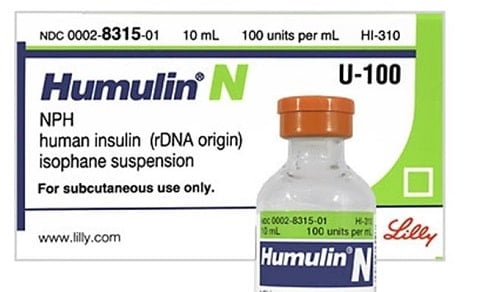
Humulin N is an intermediate-acting NPH insulin, and humulin-n-nph-u-100-insulin dosage is individualized rather than fixed. Prescribers usually base dosing on glucose patterns, meals, activity, kidney function, age, and low-blood-sugar history. The main safety issue is timing, because NPH has a noticeable peak that can lower glucose several hours after injection.
This guide explains how clinicians think about NPH dosing, frequency, titration, missed doses, and injection technique. It does not replace your prescribed plan. Use it to understand the questions to ask and the patterns to track.
Key Takeaways
- Individual dosing: Your care team sets the dose from glucose data and risk factors.
- Peak matters: NPH can cause lows when meals, snacks, or activity do not match timing.
- Frequency varies: Some people use it once daily, while others use split dosing.
- Small adjustments: Titration is usually gradual and based on repeated readings.
- Device checks: U-100 syringes, pens, and cloudy suspension handling affect accuracy.
How Humulin N NPH U-100 Insulin Dosage Works
Humulin N contains insulin isophane human, commonly called NPH insulin. NPH is a basal insulin, meaning it helps cover background glucose needs between meals and overnight. The U-100 strength means the product contains 100 units of insulin per mL.
That concentration matters because insulin units must match the device. A U-100 insulin syringe is designed for U-100 insulin. Using the wrong syringe or guessing volume can cause serious dosing errors. Pen users also need to confirm the correct insulin name before each injection, because many pens look similar.
Unlike long-acting basal analogs, NPH does not stay flat across the day. It starts working after injection, reaches a stronger effect later, then tapers. This is why humulin-n-nph-u-100-insulin dosage often depends on when you eat, when you sleep, and when your glucose runs high or low.
For a broader explanation of where NPH fits among basal options, see Intermediate-Acting Insulin. If you want to compare basal categories more generally, Basal Insulin Types explains how duration and timing differ.
Timing, Peak, and Dosing Frequency
NPH timing is important because the insulin has a clear peak effect. Many people use Humulin N once or twice daily, depending on glucose patterns and the regimen their clinician prescribes. Once-daily dosing may be used for certain fasting-glucose patterns. Twice-daily dosing may be considered when coverage does not last long enough.
Humulin N peak time is often several hours after injection, but the exact pattern varies. Dose size, injection site, activity, temperature, and individual insulin sensitivity can all change absorption. Larger doses may last longer, while exercise can increase glucose-lowering effects.
Why it matters: The highest-risk window for low blood sugar often follows the insulin peak.
Morning NPH may have its strongest effect around midday or afternoon. Evening or bedtime NPH may peak overnight or toward early morning. This is one reason some care plans include a bedtime snack, nighttime checks, or dose-timing changes. Those decisions should come from your clinician, especially if lows happen during sleep.
Meal timing also matters. Skipping or delaying meals after NPH can increase hypoglycemia risk. Extra activity may have the same effect. Alcohol, illness, and reduced food intake can further complicate glucose patterns.
Starting Dose, Titration, and Pattern Review
Clinicians usually start NPH conservatively and adjust from glucose trends. A Humulin N dosage chart may show broad starting ranges, but those charts cannot account for your full medical situation. Your prescriber may consider body weight, current A1C, fasting readings, kidney function, other diabetes medicines, and hypoglycemia risk.
Early adjustments are usually made in small steps over several days. This helps separate a real pattern from a one-day outlier. For example, one high fasting value after a late snack means something different from five high fasting values in a row. The same applies to pre-supper readings after a consistent morning dose.
Humulin N dose titration often focuses on fasting glucose, pre-supper glucose, or both. Which number matters depends on the timing of the injection. Mealtime insulin, oral medicines, and food choices can also affect those readings, so basal adjustments should not be made in isolation.
Keep records that show the full context. Useful notes include dose time, meal timing, carbohydrate changes, exercise, illness, steroid use, and low-glucose symptoms. If your glucose meter or lab reports use different units, this converter can help compare mg/dL and mmol/L values for discussion. It does not choose insulin doses.
Blood Glucose Unit Converter
Convert glucose readings between mg/dL and mmol/L without changing the clinical value.
These calculations are for education only and do not replace clinical advice, diagnosis, or treatment. Always confirm medical decisions with a qualified healthcare professional.
For general education on insulin dose frameworks, Insulin Dosage Chart gives context on how clinicians think about basal and mealtime needs.
How It May Differ in Type 1 and Type 2 Diabetes
People with type 1 diabetes usually need both basal and mealtime insulin. In that setting, NPH may be part of a split regimen, often paired with rapid- or short-acting insulin for meals. The NPH component covers background needs, while separate bolus insulin covers carbohydrates and corrections.
That separation is important. If fasting glucose is high, the basal plan may need review. If glucose rises after meals, the mealtime plan may need review. Changing the wrong part of the regimen can raise the risk of lows or persistent highs.
In type 2 diabetes, NPH may be added when lifestyle measures and non-insulin medicines are not enough for glucose targets. Some people use one daily dose, while others need twice-daily coverage. Over time, the regimen may change as insulin needs, food patterns, weight, kidney function, or other medicines change.
People who want broader condition context can browse the Type 1 Diabetes and Type 2 Diabetes article collections. These pages are useful for related education, not for setting an individual dose.
Devices, Suspension Mixing, and Injection Technique
Accurate delivery depends on the device and preparation steps. Humulin N is a cloudy suspension, so it must be gently mixed as directed before use. Do not shake it hard. The insulin should look uniformly cloudy after mixing, without clumps, particles, or unusual changes.
Vial users should use the correct U-100 syringe and draw the prescribed number of units. Pen users should follow the device instructions for priming, dialing, injecting, and needle removal. A pen dose window and a syringe scale are not interchangeable training tools.
Humulin N KwikPen dosage is dialed in units, while vial dosing is drawn with a syringe. Both can deliver accurate doses when used correctly, but each has different steps. If vision, hand strength, or dexterity makes dosing difficult, ask your care team or pharmacist to review technique.
Injection sites also affect absorption. Common subcutaneous injection areas include the abdomen, thigh, upper arm, or buttock area, depending on clinician instruction. Rotating sites helps reduce lipohypertrophy, which means thickened or lumpy fatty tissue that can make insulin absorption less predictable.
For device-specific navigation, see Humulin N Vials or Humulin N KwikPen. For syringe selection context, BD Ultra-Fine II Syringes lists syringe product details.
Missed Doses, Meals, and Low Blood Sugar
A missed Humulin N dose needs individualized instructions because timing affects safety. Do not double a dose unless your prescriber specifically told you to do so. Instead, follow your written sick-day or missed-dose plan, check glucose as directed, and contact your care team if you are unsure.
Low blood sugar, or hypoglycemia, is the main risk with NPH insulin. Symptoms may include sweating, shakiness, fast heartbeat, hunger, headache, confusion, weakness, or irritability. Some people have fewer warning symptoms, especially after repeated lows or long-standing diabetes.
Severe hypoglycemia can cause seizures, loss of consciousness, or inability to swallow safely. Seek urgent help if a person is confused, unconscious, having a seizure, or cannot take fast-acting carbohydrate by mouth. Family members or caregivers may need training on glucagon if it is prescribed.
Humulin N and meals should be planned together. NPH does not require the same meal timing as rapid-acting insulin, but meals and snacks still influence safety. Skipped meals, smaller-than-usual meals, vomiting, diarrhea, alcohol, and unexpected exercise can all increase the chance of a low.
Quick tip: Keep glucose tablets or another fast carbohydrate where you can reach them.
Other side effects can include injection-site reactions, weight change, swelling, allergic reactions, and changes in potassium levels. Serious allergic symptoms, such as trouble breathing, facial swelling, widespread rash, or severe dizziness, require urgent medical attention.
Switching Between NPH Products or Other Basal Insulins
Switching insulins should be planned with a clinician. Humulin N and other NPH products share the same general insulin class, but devices, labels, and instructions may differ. Basal analogs such as glargine or degludec have different peak and duration patterns, so a unit-for-unit assumption may be unsafe.
During a switch, clinicians may ask for more frequent glucose checks. They may also review meal timing, bedtime routines, and overnight low-risk precautions. The first several days can reveal whether the new timing matches the person’s daily schedule.
If you are comparing NPH brands for general context, Novolin N vs Humulin N explains key similarities and differences. People browsing diabetes-related products can also use the Diabetes condition collection as a navigation page.
CanadianInsulin.com functions as a prescription referral platform. When required, prescription details may be confirmed with the prescriber, while dispensing and fulfilment are handled by licensed third-party pharmacies where permitted. This service context does not replace clinical dosing advice.
Questions to Review With Your Care Team
Practical questions make NPH discussions safer and more specific. Bring recent readings and your usual schedule. Include lows, highs, skipped meals, exercise changes, and any new medicines.
- Dose timing: Which reading should guide my next review?
- Meal plan: Do I need a snack with this schedule?
- Low plan: What glucose level should I treat?
- Missed dose: What should I do if timing is off?
- Exercise: Should activity days be handled differently?
- Illness plan: When should I call for help?
These questions help connect your humulin-n-nph-u-100-insulin dosage plan to daily life. They also reduce guesswork when your routine changes.
Authoritative Sources
Official prescribing information is the best source for label-backed product details. The DailyMed Humulin N label lists the U-100 strength, dosage-form information, warnings, and administration guidance.
The manufacturer also provides patient and prescriber documents. The Humulin N prescribing information includes label details on hypoglycemia, mixing, injection routes, and product handling.
For broader diabetes treatment standards, the American Diabetes Association Standards of Care provide annually updated clinical guidance on insulin therapy and glucose monitoring.
Recap
Humulin N can be a useful basal insulin when its timing, peak, meals, and monitoring plan fit the person’s routine. Safe use depends on a prescribed dose, correct U-100 device use, consistent injection technique, and clear instructions for lows or missed doses.
Review patterns rather than single readings whenever possible. If you have repeated lows, overnight symptoms, illness, pregnancy, kidney disease, or major schedule changes, ask your care team before changing your insulin plan.
This content is for informational purposes only and is not a substitute for professional medical advice.


