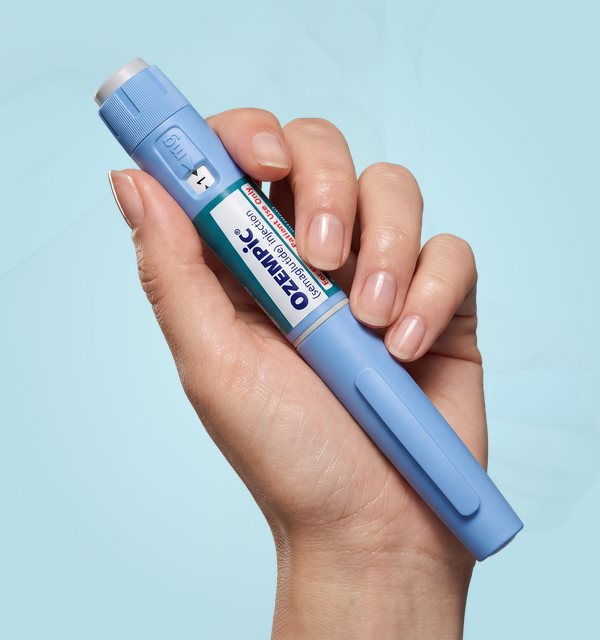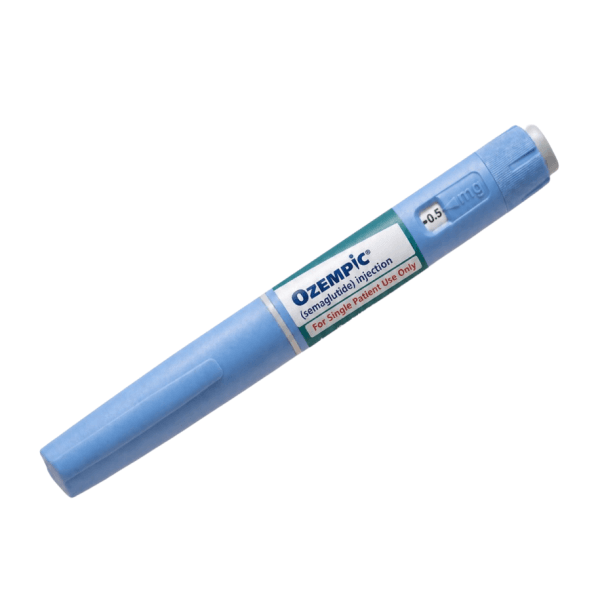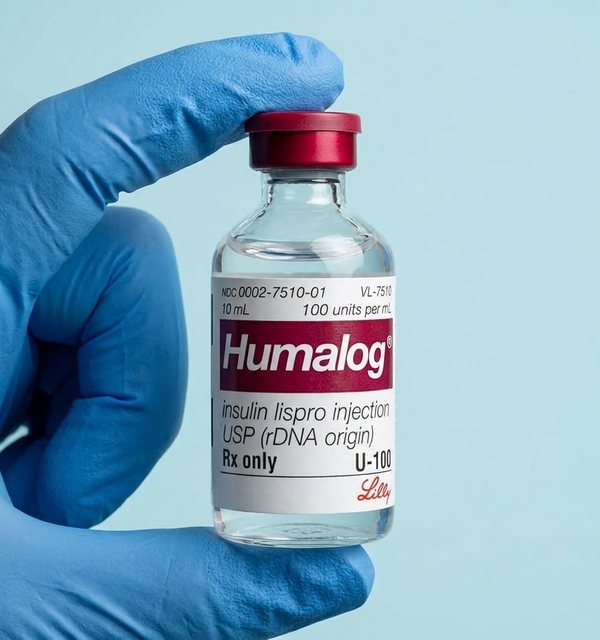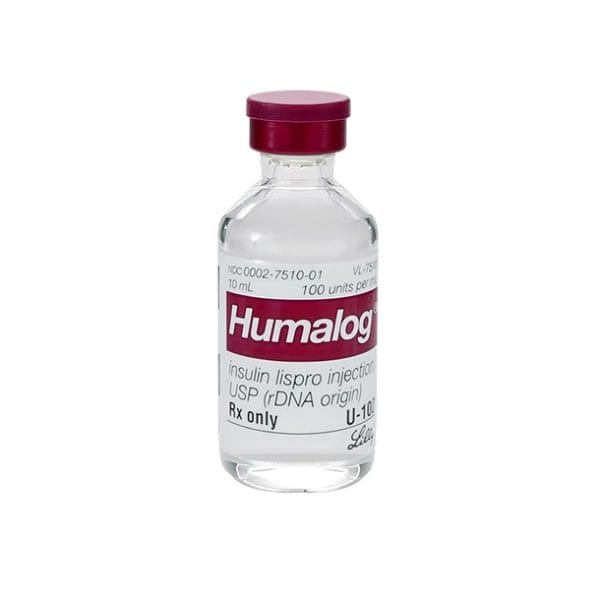

Lantus vs novolog is a comparison between two insulins with different jobs. Lantus is a long-acting basal insulin that helps cover background needs between meals and overnight. NovoLog is a rapid-acting mealtime insulin that helps manage glucose rises after food or correction dosing. They are not interchangeable, although many people use both in a basal-bolus plan under clinician guidance.
Why this matters: timing errors, skipped meals, and extra correction doses can raise the risk of hypoglycemia (low blood sugar) or persistent high readings. This article explains the difference, how timing usually works, and what to ask your care team when schedules change.
Key Takeaways
- Different roles: Lantus covers basal needs; NovoLog covers meals.
- Different speed: Lantus works slowly; NovoLog starts quickly.
- Often paired: Many plans use both, but with separate timing.
- Do not mix: Do not combine them in one syringe or pen.
- Monitor patterns: Repeated highs or lows need clinician review.
Lantus vs Novolog: Basal and Mealtime Roles
The main difference is purpose. Lantus contains insulin glargine, a long-acting insulin designed to provide a steady background effect. NovoLog contains insulin aspart, a rapid-acting insulin used around meals and, when prescribed, for correction doses.
Think of basal insulin as background coverage. It helps manage glucose when you are not eating, such as overnight or between meals. Bolus insulin is more targeted. It is matched to food, current glucose, and sometimes planned activity. For a broader primer on this treatment structure, see Basal vs Bolus Insulin.
People often ask, “is Lantus and NovoLog the same” because both are injected insulins. They are not the same. They differ in onset, duration, timing, and clinical role. Substituting one for the other without medical direction can cause unsafe glucose changes.
What Type of Insulin Is NovoLog?
NovoLog is rapid-acting insulin aspart. It is usually used close to meals because it begins working faster than older regular insulin. This fast action helps cover carbohydrates from food, but it also means missed or delayed meals can increase low-glucose risk. For more detail on insulin aspart’s role, see NovoLog Insulin Aspart Uses.
What Type of Insulin Is Lantus?
Lantus insulin is long-acting insulin glargine. It is designed for basal coverage rather than meal spikes. Many people take it once daily at a consistent time, though individual schedules and dose plans vary. For a deeper explanation of action profile, see Lantus Onset and Duration.
Timing: How Long to Separate the Injections
Lantus and NovoLog together can be part of the same diabetes regimen, but they do not serve the same moment. Lantus is usually tied to a consistent daily routine. NovoLog is usually tied to meals or correction instructions. If your usual basal time falls near a meal, your clinician may still have you take both, but as separate injections and only as directed.
There is no universal waiting period that applies to everyone. The better question is whether each dose still matches its purpose. If you ask, “how long after taking NovoLog can you take Lantus,” the answer often depends on your prescribed schedule, glucose reading, meal timing, and hypoglycemia history. Do not add an extra dose just because the injections are close together.
The reverse question also comes up: “how long after taking Lantus can you take NovoLog.” If a meal occurs soon after basal insulin, rapid-acting insulin may still be used if it is part of the prescribed meal plan. The key is not the clock alone. The key is avoiding dose stacking, documenting what you took, and checking glucose when plans shift.
Quick tip: Write down insulin name, dose time, injection site, and meal timing on unusual days.
When meals are delayed, smaller than expected, or skipped, rapid-acting insulin can be harder to match safely. If you accidentally take mealtime insulin after food, follow your personal diabetes plan and monitor closely. If you are unsure, contact your care team rather than guessing a correction.
Side-by-Side Differences Patients Usually Need
A simple comparison can help prevent mix-ups. The details below are general and do not replace your prescription label or diabetes care plan.
| Feature | Lantus | NovoLog |
|---|---|---|
| Generic name | Insulin glargine | Insulin aspart |
| Insulin class | Long-acting basal insulin | Rapid-acting bolus insulin |
| Main use | Background coverage | Meal and correction coverage |
| Typical timing concept | Same time each day | Around meals as prescribed |
| Peak pattern | Relatively flat profile | More noticeable peak |
| Can replace the other? | No, not without clinician direction | No, not without clinician direction |
In practice, lantus vs novolog is less about which insulin is “stronger” and more about whether the right insulin is being used for the right job. Basal insulin does not adequately cover a meal surge. Rapid-acting insulin does not provide all-day background coverage.
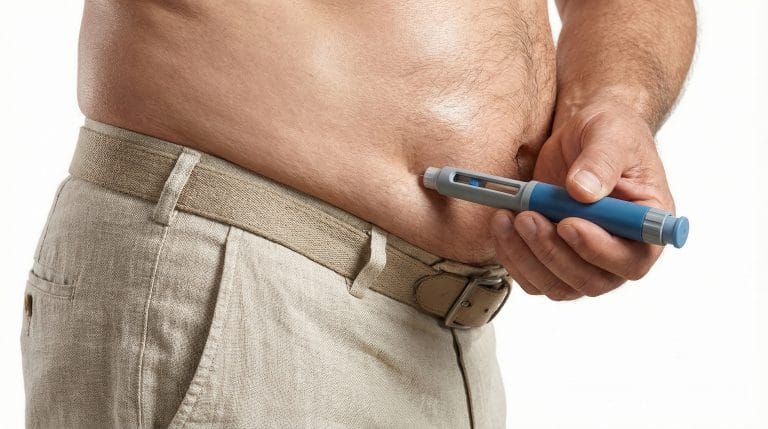
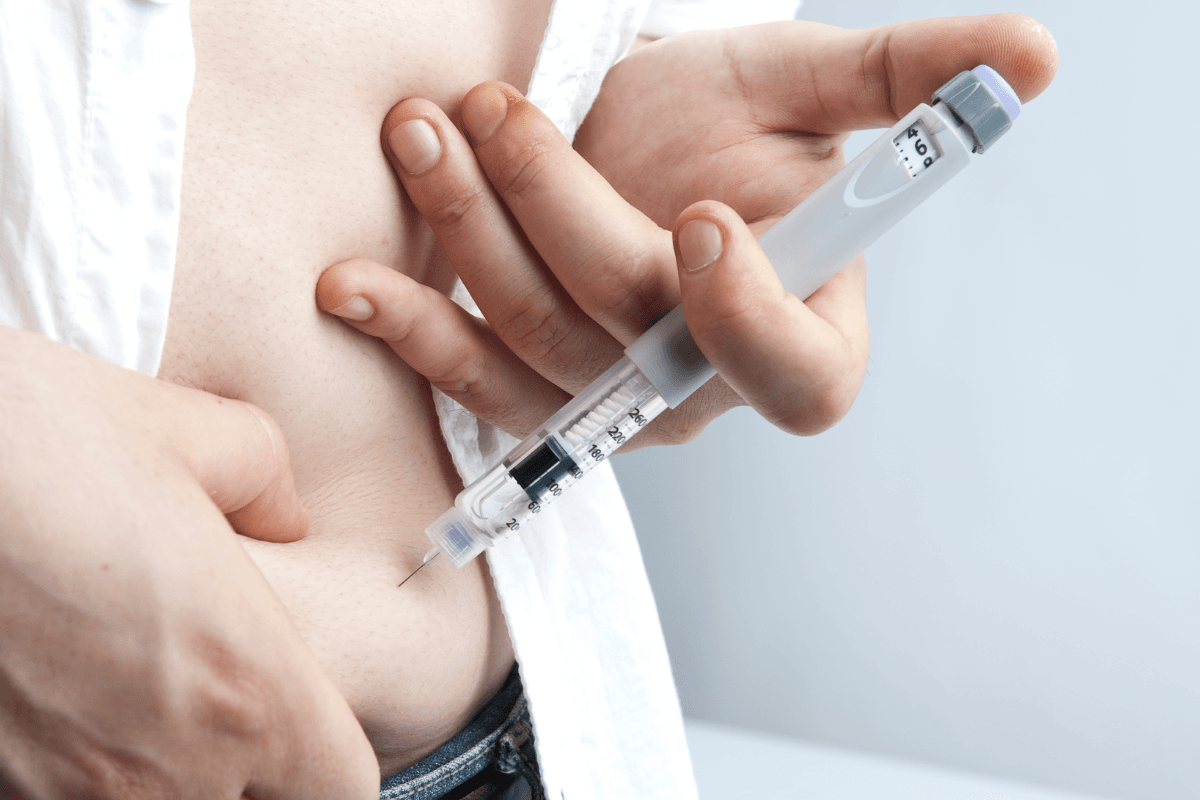
Device differences can also affect routines. Some people use a Lantus insulin pen, while others use vials or cartridges. NovoLog may also be supplied in different device formats depending on jurisdiction and product. If you use a pen, priming, needle changes, and storage habits matter. Product navigation pages such as Lantus SoloStar Pens and Lantus Vial can help you identify format differences to discuss with a pharmacist or prescriber.
Using Both Insulins Safely
The main safety issue with any insulin plan is hypoglycemia. Symptoms may include shakiness, sweating, hunger, confusion, weakness, or a fast heartbeat. Severe low blood sugar can be dangerous and needs urgent action according to your diabetes plan.
Risk can rise when doses are duplicated, meals are delayed, alcohol intake changes, activity increases, or illness affects food intake. Correction doses deserve special caution because rapid-acting insulin may still be active for several hours. If readings stay high despite correction instructions, contact your care team instead of repeatedly adding insulin.
People using both insulins should keep the products visually distinct. Store them according to their labels, check the name before each injection, and avoid rushing. Never mix Lantus with NovoLog in the same syringe. They should be administered separately.
Glucose units can also cause confusion, especially when readings are discussed across countries or devices. This converter helps compare mg/dL and mmol/L values, but it does not interpret readings or replace clinical advice.
Blood Glucose Unit Converter
Convert glucose readings between mg/dL and mmol/L without changing the clinical value.
These calculations are for education only and do not replace clinical advice, diagnosis, or treatment. Always confirm medical decisions with a qualified healthcare professional.
If you need a practical medication-safety review, NovoLog Dosage and Overdose explains why extra rapid-acting insulin can be risky. For adverse effects and warning signs, see NovoLog Side Effects.
When Schedules, Meals, or Readings Go Off Track
Disrupted days are common. Travel, shift work, illness, exercise, and appetite changes can make insulin timing harder. The safest next step is usually better information: check glucose as directed, record timing, and avoid unplanned extra doses unless your clinician has given clear instructions.
When someone asks what happens if insulin is taken after food, the answer depends on the insulin type and the situation. Taking rapid-acting insulin later than planned may leave glucose higher after the meal, then increase low-glucose risk later. Taking long-acting insulin after food is different because it is not meant to cover that meal. This distinction is central to the lantus vs novolog comparison.
Seek urgent help if you have severe low-glucose symptoms, cannot keep fluids down, have signs of diabetic ketoacidosis such as vomiting with high glucose, or have confusion, fainting, or trouble staying awake. If you repeatedly see unexpected highs or lows, ask your clinician to review basal dose, meal ratios, correction factors, injection sites, and device technique.
Why it matters: Patterns over several days are often more useful than one isolated reading.
Alternatives and Related Insulin Comparisons
Sometimes the real question behind lantus vs novolog is whether another insulin might fit better. Basal alternatives may include other glargine products, insulin detemir, concentrated glargine, or insulin degludec. Searches such as Lantus vs Levemir, Lantus vs Tresiba, Semglee vs Lantus, and Toujeo vs Lantus usually reflect concerns about duration, flexibility, formulary coverage, or overnight patterns.
These products are not simple one-for-one swaps. Concentration, duration, device, insurance coverage, and dose conversion rules can differ. Any change should be supervised by a clinician, with extra monitoring during the transition. If you want to browse condition-related product categories, the Diabetes Condition collection can help orient discussions without replacing medical review.
Rapid-acting alternatives may include other mealtime analogs. Some people compare NovoLog with lispro or glulisine products when meals, corrections, or device preference become difficult. The same principle applies: rapid-acting products are intended for meal-related or correction use, not basal replacement.
Access can influence which insulin appears on a treatment plan. CanadianInsulin.com is a prescription referral platform, and where required, prescription details may be confirmed with the prescriber. Dispensing and fulfillment are handled by licensed third-party pharmacies where permitted. Some patients also ask about cash-pay options or cross-border fulfillment, depending on eligibility and jurisdiction.
Questions to Ask Before a Change
Before changing insulin type, timing, or device, prepare specific questions. This helps your clinician separate basal problems from meal-dose problems.
- Basal pattern: Are fasting readings consistently high or low?
- Meal pattern: Do spikes follow certain meals?
- Timing issue: Are doses late, missed, or duplicated?
- Device issue: Is priming or injection technique inconsistent?
- Activity effect: Do lows follow exercise or physical work?
- Storage concern: Was insulin exposed to heat or freezing?
Bring glucose logs, meal notes, and injection times when possible. If you use continuous glucose monitoring, your time-in-range patterns may help guide the discussion. Do not change basal timing, correction rules, or mealtime doses on your own unless your care plan already explains exactly how to do so.
Authoritative Sources
Official prescribing information describes insulin glargine pharmacology, use limits, and safety warnings. Review the current Lantus prescribing information for label-backed details.
The manufacturer label for insulin aspart explains meal timing, hypoglycemia warnings, and administration precautions. See the NovoLog prescribing information for current product details.
The American Diabetes Association publishes standards that outline insulin therapy principles and glucose monitoring considerations. Consult the ADA Standards of Care for broader diabetes-care guidance.
Recap
Lantus and NovoLog are both insulins, but they are built for different parts of diabetes management. Lantus provides basal coverage, while NovoLog helps cover meals and prescribed corrections. They may be used together, but timing, injection separation, glucose monitoring, and clear instructions matter.
If your meals, readings, or routine change often, ask your care team to review your plan. The goal is not to memorize a single waiting time. The goal is to understand which insulin covers which need and how to respond safely when real life disrupts the schedule.
This content is for informational purposes only and is not a substitute for professional medical advice.