
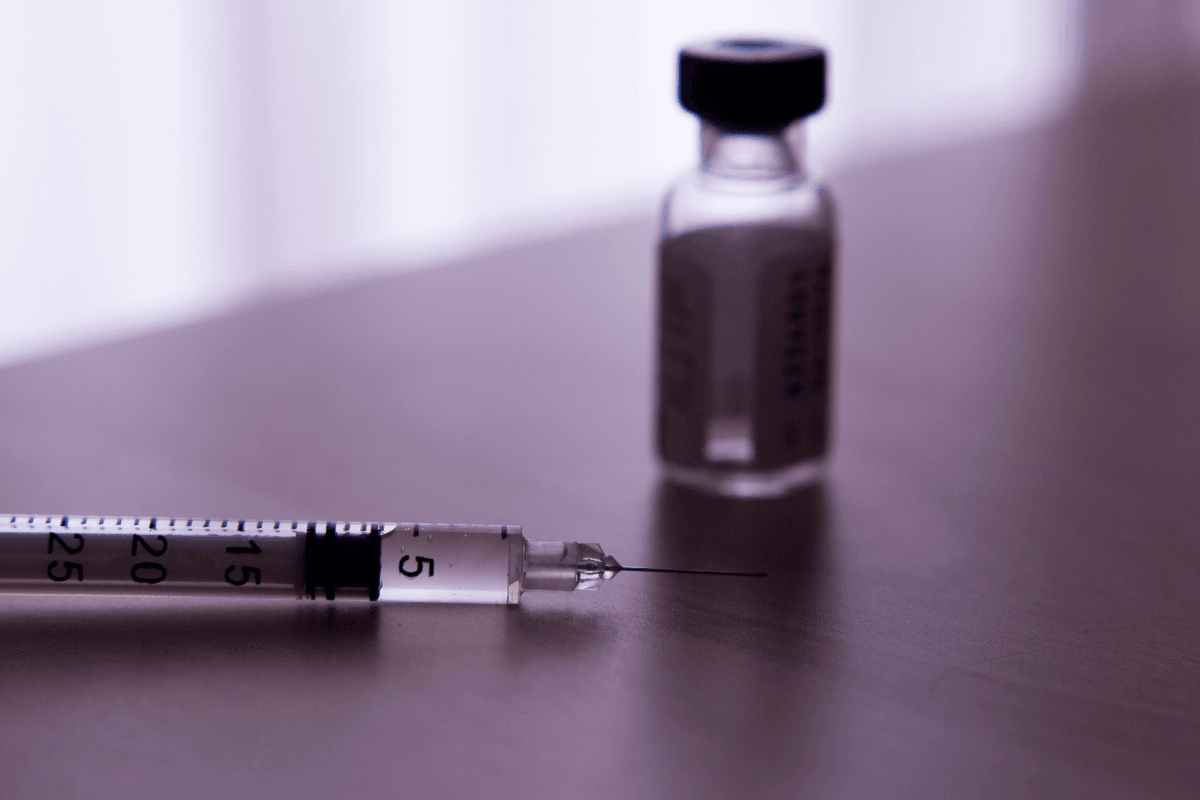
Understanding humulin n insulin peak time helps you plan meals, corrections, and nighttime safety. NPH is intermediate-acting, so its effect comes on slower and lasts longer than rapid insulins. Knowing the timing patterns reduces unexpected lows and improves daily consistency.
Key Takeaways
- Intermediate action: slower onset, mid-range peak, moderate duration.
- Peaks vary: dose size, site, activity, and meals shift timing.
- Compare insulins: regular, lispro, and glargine behave differently.
- Plan meals: coordinate carbohydrates around anticipated peak hours.
- Store correctly: stability after opening differs by pen or vial.
Humulin N Insulin Peak Time
Humulin N (NPH insulin) is an intermediate-acting insulin suspension. After injection, the protamine component slows absorption, creating a delayed peak and a longer tail. In many adults, the peak occurs roughly in the mid- to late-postdose window, not immediately after administration. This timing differs from rapid and regular formulations, which reach peak activity earlier.
Ranges are broad because physiology differs. Food intake, injection technique, and tissue perfusion can shift the highest activity window by several hours. For foundational context on how NPH compares with other mid-acting options, see Intermediate-Acting Insulin for terminology and typical profiles.
Onset of Action and Duration
On average, Humulin N begins working within a couple of hours, then rises toward its maximum effect later. The total activity can continue through much of the day or night, depending on dose and schedule. Clinicians often combine it with mealtime rapid or regular insulin to cover both basal and prandial needs. Timing plans should balance when glucose tends to rise with when insulin action is strongest.
The phrase humulin n onset peak duration summarizes the key timing elements you must track. Onset indicates when glucose lowering starts. Peak represents the period of greatest effect and highest hypoglycemia risk. Duration describes how long clinically meaningful action persists. Manufacturer data outline these windows within broad ranges, reflecting real-world variability across patients and contexts (Humulin N product monograph).
Factors That Shift Peaks and Duration
Several variables can move the timing curve earlier or later. Larger doses may prolong absorption, spreading action and delaying the peak. Injection site matters: abdominal injections can absorb differently than thigh or arm sites. Gentle rotation across recommended areas helps avoid lipohypertrophy, which can make timing unpredictable. Physical activity often increases absorption rate and may lead to earlier or stronger effects.
Meals and macronutrients also influence the curve. A carbohydrate-heavy meal without adequate prandial coverage can mask the mid-window dip, then cause a late drop. Conversely, low intake during the peak window increases the chance of lows. People with kidney or liver impairment may experience prolonged nph insulin duration due to altered insulin clearance. Seasonal temperature changes and febrile illness can also shift sensitivity.
Comparing Insulin Peaks Across Types
Insulins differ by formulation, chemistry, and depot behavior. Rapid analogs reach activity quickly for meals. Regular insulin rises more gradually. NPH sits between prandial and basal analogs. Long-acting analogs provide relatively flat coverage without a pronounced peak. For historical context on how these profiles evolved, the Evolution of Insulin Therapy overview explains design goals across eras.
Before using any comparison, remember that published windows are ranges, not promises. Individual responses vary, and specific labels should guide safety decisions. For an accessible summary of typical timing across categories, review this insulin basics overview from a major diabetes organization. In general discussion, regular insulin peak time lands earlier than NPH, while long-acting analogs aim for minimal peak.
| Insulin Type | Typical Onset | Typical Peak | Typical Duration |
|---|---|---|---|
| NPH (Humulin N) | 1–3 hours | 4–12 hours | Up to 18–24 hours |
| Regular (Humulin R) | 30–60 minutes | 2–4 hours | 6–8 hours |
| Rapid (Lispro) | 10–20 minutes | 1–3 hours | 3–5 hours |
| Long-Acting (Glargine) | 1–4 hours | Minimal peak | ~24 hours or longer |
To compare how brands differ in meal coverage and basal support, see Humulin vs Humalog for clinical contrasts. For broader classifications and examples across the spectrum, the Different Types of Insulin guide provides additional context.
Practical Timing Scenarios
People often plan meals and snacks around the expected mid-window activity. A morning dose may cover daytime basal needs, while an evening dose supports overnight stability. However, nocturnal lows can occur if activity peaks while you are asleep. Bedtime carbohydrate strategies and glucose monitoring help reduce that risk.
As an illustrative example, clinicians sometimes discuss the peak time of nph insulin given at 0800 when planning lunch intake and afternoon activities. If the expected peak falls during work or exercise, you may coordinate snacks or adjust the schedule with your care team. For individualized planning frameworks, see the Insulin Dosage Chart for dosing concepts, and review presentation options like Humulin N Vials when discussing delivery format pros and cons.
Storage and Stability
Product stability influences how reliably insulin behaves. Storage outside the recommended temperature range can reduce potency or change timing. In-use vials, pens, and cartridges follow different rules, and the allowable room-temperature window varies by device. Always check the current label for product-specific limits and discard dates to maintain predictable performance.
A common question is how long does humulin n last after opening. As a general reference, manufacturer labeling indicates different in-use times for vials versus pens, with vials often allowing longer in-use periods than prefilled pens. For temperature thresholds, discard guidance, and handling steps, the Insulin Storage Dangers article offers practical safeguards, and the Humulin N product monograph lists device-specific stability windows. For supplies and formats, browse Diabetes Products to compare device types discussed with your care team.
Safety, Mixing, and Interactions
Humulin N can be combined with short-acting insulin to cover meals and basal needs. Traditional practice allows mixing NPH with regular insulin in the same syringe, following the correct draw order and immediate injection. Premixed formulations simplify this by providing fixed ratios in one product. For pros and cons of preformulated combinations, see the Premixed Insulin Guide for a structured overview.
Clinicians distinguish humulin r vs humulin n because they serve different roles. Regular insulin can be used intravenously in acute settings, whereas NPH is for subcutaneous use only; do not give NPH IV (Humulin N labeling). Changes in renal or hepatic function, new medications that affect insulin sensitivity, or skipped meals can alter timing and risk. Discuss changes with your healthcare professional before adjusting routines.
Related Options and When to Consider Alternatives
Some patients move from NPH-based regimens to long-acting basal analogs to reduce variability and nocturnal lows. Understanding glargine duration of action helps frame once-daily options that target flatter coverage. Transition discussions typically consider cost, hypoglycemia patterns, and adherence. Basal analogs like insulin glargine or insulin degludec may provide steadier overnight control for certain patients.
For brand-specific contrasts of basal approaches, see Lantus vs Novolin for clinical positioning and trade-offs. When discussing devices and formulation choices with your clinician, you can review Lantus Cartridges to understand cartridge-based delivery, and explore alternative basal analogs like degludec with options such as Navigating The Insulin Landscape for comparative context.
Recap
NPH provides intermediate coverage with a distinct mid-window peak and a relatively long tail. Peaks shift with dose, meal timing, activity, injection site, and comorbidities. Planning around these variables can reduce lows and smooth daily control. Tables and comparisons help frame how NPH differs from regular, rapid analogs, and long-acting basal options.
Use labeled storage rules to protect potency and predictable action. Coordinate meals and glucose checks around expected peaks, especially overnight. When timing remains unpredictable or hypoglycemia risk is high, discuss alternative basal strategies with your healthcare professional.
Note: Timing windows are approximate and vary significantly among individuals and situations.
This content is for informational purposes only and is not a substitute for professional medical advice.


