
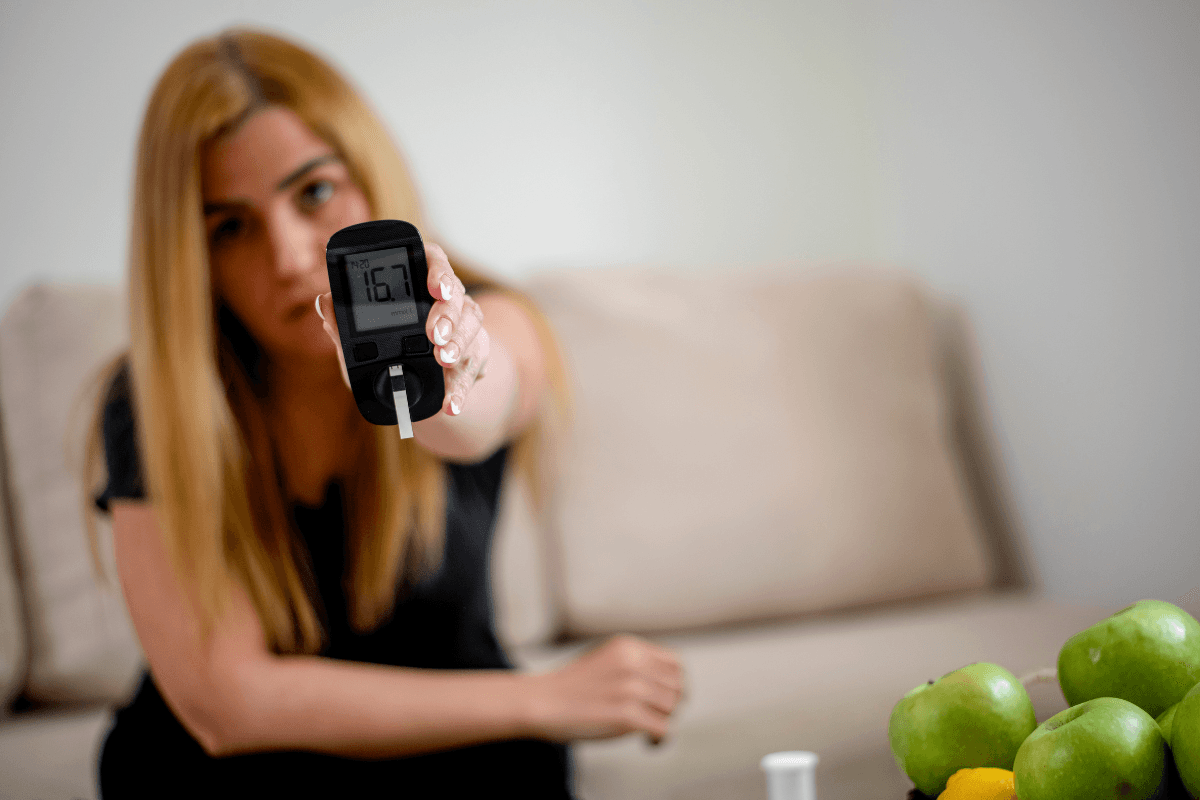
Hyperglycemia means your blood glucose is higher than expected for the situation. It often develops when the body has too little effective insulin, too much glucose entering the blood, or stress hormones pushing glucose upward. This matters because mild elevations may cause thirst and fatigue, while severe or persistent elevations can lead to dehydration and diabetes-related emergencies.
Some people notice symptoms quickly. Others only see a pattern on a glucose meter, continuous glucose monitor, or lab test. The safest response depends on the reading, symptoms, diabetes history, pregnancy status, medicines, and any written sick-day plan from a clinician.
Key Takeaways
- Common symptoms include thirst, frequent urination, blurred vision, fatigue, and headache.
- Illness, stress, steroid medicines, missed medication, and insulin delivery problems can raise glucose.
- Glucose levels need context, including fasting status, meals, pregnancy, and diabetes history.
- Vomiting, confusion, laboured breathing, ketones, or severe dehydration need urgent medical help.
- Management usually combines monitoring, nutrition planning, activity, medicines, and sick-day instructions.
What Hyperglycemia Means in Plain Language
Blood glucose rises when glucose enters the bloodstream faster than the body can move it into cells. Insulin helps move glucose from the blood into muscle, fat, and liver cells. When insulin is missing, reduced, or not working well, glucose can build up in the bloodstream.
This can happen in people with type 1 diabetes, type 2 diabetes, gestational diabetes, or no previous diabetes diagnosis. In diabetes, the pattern often reflects insulin deficiency, insulin resistance, medication timing, meals, illness, or changes in activity. For a deeper look at those two mechanisms, see Insulin Resistance vs Insulin Deficiency.
One isolated reading does not tell the whole story. A finger-stick result can be affected by unwashed hands, recent food, meter variation, or timing after a meal. Lab tests and repeated home readings give better context. If you monitor at home, keep notes on timing, symptoms, meals, illness, activity, and medicines.
Glucose values may appear in mg/dL or mmol/L, depending on the country, meter, or lab. A unit converter can help compare results across reports. It does not diagnose a condition or replace clinical guidance.
Blood Glucose Unit Converter
Convert glucose readings between mg/dL and mmol/L without changing the clinical value.
These calculations are for education only and do not replace clinical advice, diagnosis, or treatment. Always confirm medical decisions with a qualified healthcare professional.
Use the table below as general context, not as a personal target chart. Your clinician may set different ranges based on age, pregnancy, kidney disease, heart disease, hypoglycemia risk, and medicines.
| Test context | Common clinical reference points | Why context matters |
|---|---|---|
| Fasting plasma glucose | Under 100 mg/dL is generally normal; 100-125 mg/dL may suggest prediabetes; 126 mg/dL or higher may suggest diabetes when confirmed. | Diagnosis usually needs repeat testing unless symptoms and results are clear. |
| Two-hour oral glucose tolerance test | Under 140 mg/dL is generally normal; 140-199 mg/dL may suggest prediabetes; 200 mg/dL or higher may suggest diabetes when confirmed. | This test measures how the body handles a measured glucose load. |
| Home checks after meals | Targets vary for people already diagnosed with diabetes. | Meal size, carbohydrate amount, insulin timing, and activity can change results. |
| Illness or ketone risk | Repeated elevations with symptoms, ketones, or dehydration need a care plan. | Sick-day instructions help decide when to call a clinician or seek urgent care. |
For broader number ranges and how they are commonly discussed, Blood Sugar Normal Range Chart explains the basics in more detail.
Hyperglycemia Symptoms Usually Build Gradually
Early symptoms can be easy to miss. Many people describe unusual thirst, a dry mouth, frequent urination, tiredness, blurry vision, or headaches. Hunger may increase, yet energy can feel low because glucose is not moving into cells efficiently.
Symptoms may become more concerning when glucose stays elevated. Some people develop nausea, abdominal discomfort, unintended weight loss, recurrent infections, slow-healing cuts, or worsening fatigue. These symptoms do not prove diabetes, but they deserve medical assessment, especially when they persist or appear with abnormal readings.
People without diagnosed diabetes can have similar symptoms. Stress illness, certain medicines, pregnancy, pancreatitis, endocrine disorders, or undiagnosed diabetes can all be involved. Some people have few symptoms until a routine blood test shows an abnormal result.
Why it matters: Feeling normal does not always mean glucose is in range.
A blood glucose spike may feel like thirst, sleepiness, irritability, brain fog, or a heavy tired feeling after eating. Some people notice no clear sensation. That is why symptom tracking works best when paired with reliable readings and clinician guidance.
Common Causes Beyond Meals and Carbohydrates
Food can raise glucose, especially meals or drinks with larger amounts of carbohydrate. Still, meals are only one part of the picture. Timing, portion size, digestion speed, and medication timing can all influence how high the reading goes and how long it stays elevated.
Illness is another common driver. Infections, fever, pain, surgery, and significant emotional stress can raise hormones such as cortisol and adrenaline. These hormones help the body respond to stress, but they can also make insulin less effective and push glucose higher.
Several medicines can contribute. Corticosteroids, some antipsychotics, certain diuretics, some immunosuppressants, and other prescription drugs may raise glucose in some people. Do not stop a prescribed medicine on your own. Ask the prescribing clinician whether monitoring or an alternative plan is needed.
Diabetes treatment factors also matter. Missed doses, expired insulin, incorrect injection technique, pump or infusion-set problems, and changes in basal or mealtime coverage can contribute to higher readings. If insulin is part of your treatment plan, Basal vs Bolus Insulin explains how background and mealtime insulin roles differ.
Some people see early morning elevations due to normal overnight hormone changes. Others notice increases after reduced activity, poor sleep, alcohol-related routine changes, or dehydration. Patterns are more useful than single readings because they show when and why elevations repeat.
How Hyperglycemia Differs From Diabetes and Hypoglycemia
Diabetes is a condition that affects how the body produces or uses insulin over time. Elevated glucose is a finding or pattern. A person can have diabetes with temporary glucose elevations, or they can have a short-term elevation during severe illness without a prior diabetes diagnosis.
Type 1 diabetes usually involves autoimmune destruction of insulin-producing beta cells. Type 2 diabetes often involves insulin resistance and gradual loss of insulin production. For a practical comparison, see Type 1 Versus Type 2 Diabetes.
Hypoglycemia means blood glucose is too low. It can cause shakiness, sweating, fast heartbeat, confusion, hunger, or weakness. This is a different problem from elevated glucose, but both can happen in people using insulin or certain diabetes medicines. If you need low-glucose safety context, What To Do When Blood Sugar Is Low covers general response steps.
The symptoms can overlap. Fatigue, dizziness, headache, and trouble concentrating may occur with either high or low readings. Checking glucose is important when it is available, because treating the wrong problem can make the situation worse.
When Hyperglycemia Needs Urgent Care
Urgent warning signs include repeated vomiting, severe weakness, confusion, fainting, chest pain, severe dehydration, or trouble breathing. Fruity-smelling breath, deep rapid breathing, abdominal pain, and moderate or large ketones can suggest diabetic ketoacidosis, often called DKA. This is a medical emergency.
Another emergency is hyperosmolar hyperglycemic state, or HHS. It usually involves very high glucose, severe dehydration, and changes in alertness. It is more common in type 2 diabetes, older adults, and people with infection or limited fluid intake, but any concerning symptoms need prompt assessment.
If your clinician has told you to check ketones, follow that plan during illness or repeated high readings. Ketones are acids produced when the body breaks down fat for energy. They can rise when insulin is too low, especially in type 1 diabetes. For related background, Ketosis vs Ketoacidosis explains why these terms are not the same.
Severe glucose emergencies can progress to loss of consciousness. If someone is confused, hard to wake, breathing abnormally, or unable to keep fluids down, seek emergency help. Diabetic Coma discusses why severe glucose extremes require urgent attention.
How Treatment Is Usually Planned
The treatment approach depends on the cause, severity, symptoms, and diabetes history. Mild elevations may be managed through the person’s existing diabetes plan, hydration if appropriate, meal review, activity guidance, or medication timing review. Severe or symptomatic elevations may require supervised medical treatment.
If you get an unexpectedly high home reading, wash your hands and recheck if that is reasonable. Note the time, last meal, recent activity, illness symptoms, and medication timing. If you use a continuous glucose monitor, confirm unusual readings with a finger-stick when your device instructions recommend it.
Water may help if you are mildly dehydrated and can drink fluids safely. Avoid sugary drinks unless a clinician has advised them for another reason. Activity can lower glucose for some people, but exercise may be unsafe with ketones, vomiting, severe symptoms, or very high readings. Follow your written plan if you have one.
Medication changes should come from a clinician or a written plan. Some people need insulin during acute illness or when other treatments are not enough, but the threshold is individualized. What Blood Sugar Level Requires Insulin gives more context on why one number alone is not enough.
For prescribed insulin, CanadianInsulin.com can help confirm prescription details with the prescriber when required. Dispensing is handled by licensed third-party pharmacies where permitted. These access steps do not replace individualized dosing or safety instructions.
Hospital treatment for serious cases may include fluids, electrolyte monitoring, insulin, and treatment of the trigger, such as infection. The goal is not only to lower glucose, but also to correct dehydration, acid-base problems, and the illness that caused the emergency.
Practical Questions to Bring to a Clinician
A short list of questions can make glucose visits more useful. Bring meter reports, continuous glucose monitor summaries, medication lists, recent illness history, and notes about meals or activity. If repeated readings are out of range, ask what pattern matters most.
- Target ranges: Ask which fasting and after-meal ranges apply to you.
- Sick-day plan: Ask when to check ketones or call for help.
- Medication timing: Review missed doses, side effects, and schedule changes.
- Meal patterns: Discuss carbohydrate portions, timing, and alcohol use.
- Exercise safety: Ask when activity is helpful or unsafe.
- Monitoring frequency: Confirm when and how often to check readings.
- Emergency thresholds: Write down symptoms that require urgent care.
Quick tip: Bring actual readings, not just averages, when patterns are unclear.
Monitoring needs vary widely. Some people check several times daily, while others need periodic lab follow-up. For general monitoring questions, How Often Should You Monitor Blood Sugar outlines factors that may affect testing frequency.
Authoritative Sources
- MedlinePlus overview of high blood glucose explains common symptoms, causes, and care context.
- American Diabetes Association high blood glucose resource reviews diabetes-related signs and response considerations.
- NIDDK guide to diabetes tests and diagnosis describes common diagnostic tests and reference points.
Understanding hyperglycemia helps you interpret symptoms, readings, and risk more clearly. The next step is context: repeat patterns, current medicines, illness, pregnancy, and personal targets all change what a reading means.
This content is for informational purposes only and is not a substitute for professional medical advice.


