
Key Takeaways
- Faster mealtime option: Pulmonary insulin acts quickly at meals.
- Not for lung disease: Spirometry screening and monitoring are required.
- Comparative fit: Weigh convenience against dosing flexibility and training.
- Access varies: Coverage and pharmacy stocking can differ widely.
- Know the history: Earlier systems ended due to adoption and device issues.
Inhaled Insulin Brands
Inhaled Insulin Brands refers to the small set of pulmonary insulin products designed for mealtime coverage. Today, the market is focused on human insulin powder administered through a reusable device. It offers needle-free dosing at meals, with an onset profile that can suit rapid carbohydrate intake.
It helps to compare delivery routes when choosing a regimen. For a broader overview of injections, pumps, and other routes, see Ways Of Administering Insulin for delivery method context and trade-offs.
How Pulmonary Insulin Works and Absorption
Inhaled human insulin powder is breathed into the lungs and deposited across the alveoli. The large surface area allows insulin molecules to pass into the bloodstream quickly. The pharmacokinetics typically show a rapid onset and shorter duration than many subcutaneous bolus formulations, which can help with post-meal glucose spikes. The exact response varies by lung function, inhalation technique, and meal composition.
Pulmonary dosing is designed as prandial (mealtime) therapy, not basal coverage. It may be paired with a long-acting background insulin when needed. For background on rapid mealtime options and how they compare, see Prandial Insulin Types for timing, use-cases, and clinical caveats.
Device, Cartridges, and Training
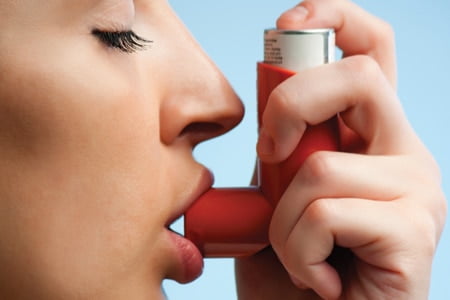
The afrezza inhaler is a small, breath-powered device used with sealed powder cartridges. Cartridges come in color-coded strengths that can be combined to meet prescribed dose targets. Successful use depends on learning a consistent inhale technique, loading a fresh cartridge correctly, and keeping the device clean and dry between doses.
Training usually includes a demonstration of cartridge handling, practice inhalations, and confirming adequate inspiratory effort. Users typically review missed-dose steps, storage temperatures, and how to log doses alongside meals. For a practical refresher on short-acting options you may compare against, see Insulin Cartridges: Types & Benefits for device mechanics and handling guidance.
Effectiveness and insulin inhaler vs injection
Clinical studies suggest similar A1C lowering potential for meal coverage when pulmonary dosing is used appropriately, though head-to-head differences can appear in timing and post-prandial profiles. Compared with pens or syringes, the onset can be quicker and the tail shorter. That profile may reduce late post-meal hypoglycemia in some scenarios, though individual results vary. Dose titration strategies differ and should be clinician-directed.
When comparing to injected analogs, consider flexibility, fine-titration increments, and training needs. Many people value needle-free convenience, while others prefer the granular dosing that pens offer. For pharmacology contrasts between rapid analogs, see Fiasp vs Humalog for head-to-head context; for a mealtime pen option, review Humalog Kwikpen Junior for dose-step adjustments in pediatric or fine-tuning scenarios.
For general clinical framing of prandial therapy, the ADA Standards of Care provide neutral guidance on matching regimens to patient factors.
Safety, Monitoring, and afrezza side effects
Common reactions include cough, throat irritation, and hypoglycemia risk comparable to other mealtime insulins. Acute bronchospasm can occur in people with chronic lung disease. Because of this, screening with spirometry (FEV1) is recommended before initiation, with periodic reassessment thereafter. People with asthma or COPD are generally not candidates. Smokers and those who recently stopped may need additional evaluation.
Discuss any respiratory symptoms, frequent cough, or wheezing promptly. Training should cover recognizing low blood glucose and when to check lung function again. For detailed contraindications, pre-screening, and dose precautions, consult the official FDA label, which outlines spirometry requirements and lung-related warnings. Broader device considerations around sensors or pumps are reviewed in Diabetes Tech: Pens, Pumps, and CGMs for coordination with monitoring tools.
Availability and Coverage: Role of the afrezza manufacturer
Access depends on regional distribution, formulary placement, and specialty pharmacy partnerships. The afrezza manufacturer may list participating pharmacies and support lines for coverage verification, though availability still varies by province or state. Clinic pharmacy teams often help navigate prior authorization, spirometry documentation, and educational requirements tied to dispensing.
Stocking patterns can differ between hospital systems and community settings. Early outreach to a dispensing pharmacy can prevent delays, especially when dose cartridges or training supplies must be ordered. For broader therapy trends that influence formularies, see Innovations in Type 2 Diabetes for context on how new modalities gain coverage over time.
Budgeting and afrezza cost Considerations
People often ask about month-to-month spending, but afrezza cost will vary by dose needs, local pricing, and insurance terms. Co-pays can differ if cartridges are billed under a specialty tier. Out-of-pocket costs may also reflect spirometry visits, extra sensors, or training sessions. Some patients explore copay cards or assistance programs when eligible, subject to regional rules.
Comparing across mealtime options helps set expectations. Baseline alternatives may include rapid-acting analogs in pens or cartridges. To frame the financial discussion, see Compare Insulin Prices for practical ways to review formulary options; as a comparator example, review Novorapid Cartridge for reference on rapid-acting analogs when evaluating total cost of care.
History and why was inhaled insulin discontinued Before?
Earlier systems, notably Exubera by Pfizer, launched in the mid-2000s and were later withdrawn. Reasons included low uptake, a bulky device, and cost and training challenges rather than a single clinical failure. These lessons informed later designs that emphasized smaller devices, simpler dosing, and focused indications. Still, historical perceptions can affect today’s coverage and stocking decisions.
Understanding the path from first-generation devices to modern powder systems helps set realistic expectations. It explains why training and pulmonary screening are integral now. For historical context straight from the manufacturer, see the Pfizer announcement describing Exubera’s discontinuation and market factors at the time. You can also explore Insulin Discovery for a broad timeline of insulin milestones.
Candidates and inhaled insulin for type 2 diabetes
Pulmonary mealtime insulin may fit adults with type 1 diabetes who prefer needle-free boluses, provided they have normal lung function. It may also be used as adjunct therapy in some adults with type 2 diabetes who need mealtime coverage, again with spirometry screening and careful training. It is not a substitute for basal insulin when background coverage is required.
Discuss compatibility with your basal regimen, monitoring tools, and daily routines. Some people appreciate carrying a compact device rather than pens and needles. Others prioritize the dose-by-unit precision of injected analogs. When basal support is indicated, review long-acting options like Tresiba Flextouch Pens for context on pairing basal and prandial therapies during shared decision-making.
Recap
Pulmonary mealtime insulin offers needle-free dosing and rapid onset, balanced by the need for lung screening and technique training. Weigh convenience, cartridge combinations, and access pathways against your goals and existing regimen. A structured plan with your care team helps align device use, monitoring, and coverage steps.
Note: Policies, formularies, and device training programs change. Reconfirm details with your clinician and pharmacy before starting or switching therapies.
This content is for informational purposes only and is not a substitute for professional medical advice.


