Key Takeaways
Once-weekly basal insulin can simplify routines, but it also changes how you plan. This article explains awiqli in plain language, with clinical context. You will learn what “insulin icodec” means, how weekly dosing is approached, and what safety topics to review.
- Weekly basal insulin has a different “steady-state” timeline.
- Switching often involves careful dose conversion and follow-up.
- Missed doses require label-based, clinician-guided decisions.
- Hypoglycemia (low blood sugar) remains a key risk.
- Storage and injection technique still matter with weekly dosing.
Overview
Insulin icodec is a long-acting (basal) insulin designed for once-weekly use. Basal insulin is sometimes called “background insulin” because it helps manage glucose between meals and overnight. A weekly option can feel appealing if daily injections are hard to sustain. It also raises practical questions about timing, monitoring, and what happens if you miss a dose.
This guide focuses on the core concepts you can discuss with your diabetes care team. It also covers common device and storage basics, since technique errors can look like “medication failure.” If you want broader diabetes education, start with the Diabetes Hub and the overview pages for Type 2 Diabetes and Type 1 Diabetes.
CanadianInsulin operates as a prescription referral service.
Why it matters: Weekly dosing can shift small mistakes into bigger week-long effects.
Awiqli Basics for Once-Weekly Insulin Icodec
Insulin icodec has a brand name, and it may be described online using either the generic or brand term. In practice, your clinician will focus on the exact product, the device you will use, and your prior insulin history. A weekly basal insulin is not “stronger” by default. It is formulated to act longer, so the dosing schedule and titration plan look different.
A weekly schedule also changes the kind of preparation that helps most. Instead of thinking about day-to-day carryover, you and your care team may discuss week-to-week patterns. Topics often include what to track at home, how to time injections with your routine, and which symptoms should prompt earlier contact. Prescriptions may be verified with your prescriber before dispensing.
Core Concepts
What “Insulin Icodec” Means
“Insulin icodec” refers to the nonproprietary (generic) name of a basal insulin analog. Basal insulin analogs are engineered to release slowly after injection and provide a relatively stable background effect. They are not rapid-acting (mealtime) insulins. People who use rapid-acting insulin still need separate guidance for meals, corrections, and sick days.
Brand and generic names can cause confusion in pharmacy records, refill requests, and travel documentation. It helps to keep a short medication list with the full name, device type, and whether it is basal or bolus. If your plan includes other injectables, such as GLP-1 receptor agonists, ask how each medication is expected to fit into your weekly routine.
How Once-Weekly Basal Insulin Works (Conceptually)
Weekly basal insulin is designed to stay in the body longer than daily options. A key concept is “steady state,” meaning the point when regular dosing results in a stable average drug level. With weekly medications, reaching and adjusting around steady state can take longer. That is one reason clinicians often emphasize gradual titration (stepwise dose adjustment) and consistent timing.
Mechanistically, insulin icodec has modifications that support slow release and longer circulation. You may hear that it binds to albumin (a blood protein) and has controlled receptor activity, which slows clearance and extends its duration of action. The exact clinical implications vary by person, and the product labeling is the best source for official details.
Regulatory Status and What “Approval” Means
People often search “insulin icodec fda approval” or “awiqli ema” because approvals differ across countries. Regulatory approval determines whether a product can be marketed in that region, for which populations, and with which labeling. It does not guarantee that every clinic uses the same switching approach, or that every insurer covers it the same way.
If you are trying to confirm current status, use official regulator databases rather than social media summaries. Approvals, labeling updates, and safety communications can change. For the U.S., the most direct starting point is the FDA’s public drug database. For Europe, the EMA’s medicines search is a practical entry point. In all cases, your prescriber’s guidance should follow the label used where you receive care.
Indications, Populations, and “Type 1 vs Type 2” Language
People also search “insulin icodec type 1” because weekly basal insulin has been studied across different diabetes populations. However, studies and real-world use do not automatically match labeled indications. Indication means the officially approved use in a specific region. Contraindications are situations where a product should not be used, based on labeling and evidence.
When you review a medication plan, focus on three points: the labeled population, the insulin regimen it is meant to support, and the monitoring expectations. If you live with type 1 diabetes, your plan usually includes both basal and rapid-acting insulin. For type 2 diabetes, basal-only regimens are more common, but that depends on individual clinical needs.
Safety Information, Warnings, and Hypoglycemia Risk
All insulins can cause hypoglycemia (low blood sugar). That risk can increase with missed meals, unexpected activity, alcohol use, dosing errors, or mixing up pens. A weekly basal insulin does not remove the need for routine hypoglycemia prevention and awareness. If you use other glucose-lowering medicines, ask how combination therapy may affect low-blood-sugar risk.
Other safety topics that often appear in insulin warnings and precautions include hypersensitivity reactions (allergic reactions), injection-site reactions, and medication errors. Some side effects overlap with high or low glucose symptoms, which makes tracking important. If you notice recurrent lows, severe highs, or new swelling or rash, document timing and context so your care team can interpret patterns.
Device Basics: Pens, Needles, and Injection Sites
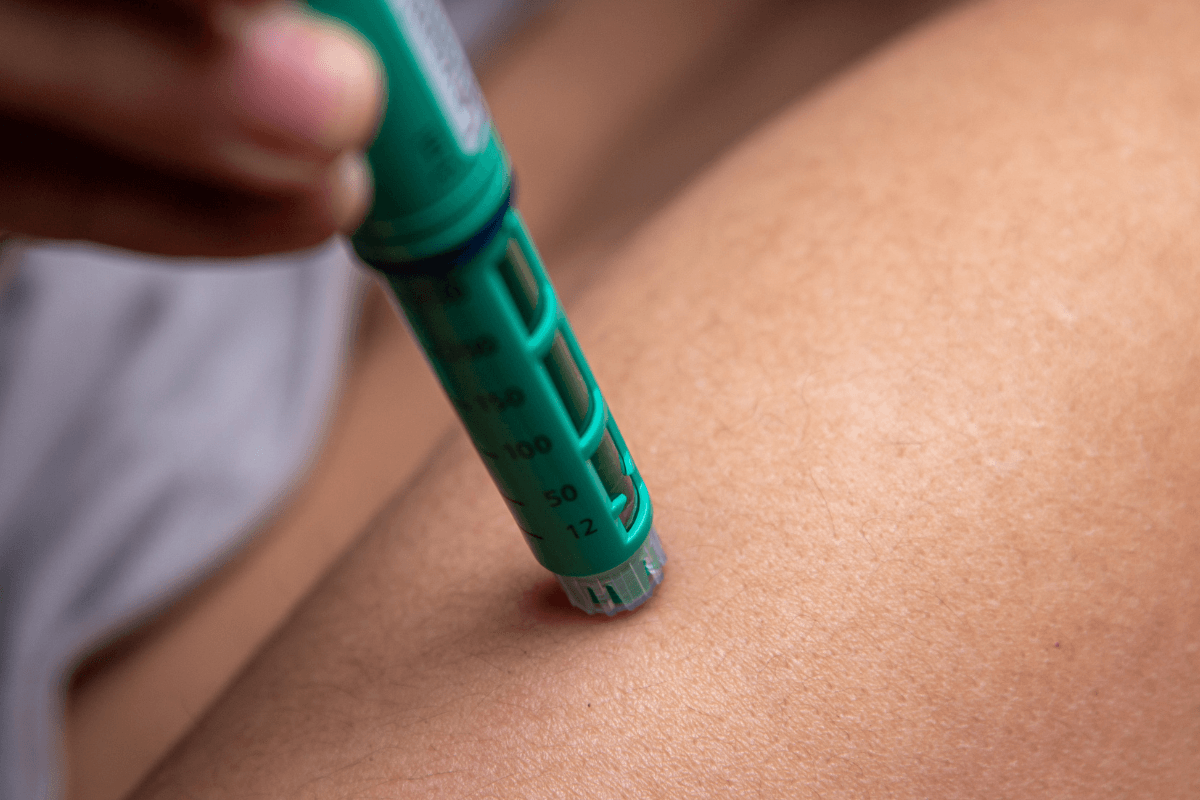
Many people use pen devices for basal insulin. Even when the medication is weekly, device technique still drives real-world results. Common technique steps include using a new needle each time, priming the pen as directed, injecting into recommended fatty tissue, and keeping the needle in place long enough for full delivery. Your local instructions matter because devices differ.
Injection sites typically include the abdomen, thighs, and upper arm, depending on the product and your clinician’s teaching. Rotation helps reduce lipohypertrophy (lumpy thickened tissue) that can make absorption unpredictable. If you want to review pen fundamentals, see the BD Nano Pen Needles listing for general compatibility context and bring your specific pen to training. For a device-focused read, the article Understanding The Tresiba FlexTouch can help you think about common pen features.
Storage Instructions and Handling: Avoid Preventable Failures
Insulin is sensitive to temperature extremes and rough handling. Storage problems can lead to glucose variability that looks like a dosing issue. In general, unopened insulin is stored in a refrigerator and should never be frozen. In-use insulin storage rules vary by product, including room-temperature limits and how long a pen can be used after first opening.
Check the package insert for the exact instructions for your insulin and device. Also look for practical “red flags,” such as leaving insulin in a hot car, storing it next to freezer vents, or using needles that clog. If you want a deeper review of common mistakes, read Improper Insulin Storage Dangers and compare the guidance to your daily habits.
Practical Guidance
If you are considering a weekly basal insulin, it helps to prepare for the conversation rather than focusing only on a starting number. Clinicians usually think in terms of prior insulin exposure, recent glucose patterns, comorbidities, and risk of hypoglycemia. They also consider how reliably you can keep a weekly schedule and what support you have for education and follow-up.
When discussing awiqli dosing guide topics online, remember that dosing and titration are individualized and label-based. A safe approach is to bring structured information to your visit so your clinician can make decisions with fewer assumptions. If your plan involves cash-pay access because you are without insurance, ask what documentation is needed and how refills are coordinated across borders.
When needed, prescriptions are confirmed directly with your clinician.
Questions to ask your clinician (bring this list)
- Switch rationale: why weekly fits your regimen
- Conversion plan: how dose conversion is handled
- Titration plan: what data drives adjustments
- Missed dose plan: label-specific next steps
- Monitoring: SMBG or CGM expectations
- Low glucose: prevention and rescue approach
Quick tip: Put injection day and refill reminders on two calendars.
What to track for the first several weeks
Weekly regimens often rely on pattern recognition rather than single readings. If you use fingersticks (SMBG), note fasting readings, any symptomatic lows, and unusual meals or activity. If you use continuous glucose monitoring (CGM), save weekly reports and note sensor gaps. Also log injection timing, because drift in day-of-week can make patterns hard to interpret.
If your care team asks for check-ins, clarify the format. Some clinics prefer weekly summaries, while others want event-based contact after severe lows or persistent highs. For general education on how clinicians think about insulin changes, the article How Often Adjust Insulin Dose provides useful framing without replacing medical advice.
Practical setup: supplies and disposal
Plan for needles, alcohol swabs if you use them, and a sharps container. Using a fresh needle each time reduces clogging and pain, and it supports accurate dosing. If you travel, keep a backup plan for missed supplies. Ask your pharmacy team how to handle pen malfunction or suspected dosing errors, since the steps can differ by device.
If you want to browse related diabetes supplies and therapies in one place, the Diabetes Product Category can help you see what is commonly used alongside basal insulin.
Compare & Related Topics
It is normal to compare weekly insulin icodec with established daily basal insulins. Common reference points include insulin degludec (Tresiba) and insulin glargine (Lantus). The biggest difference is dosing frequency, but other differences include titration cadence, how missed doses are handled, and how you build a routine around the device.
When you see “awiqli vs Tresiba” or “awiqli vs Lantus” comparisons online, read them as starting points for questions. Product labels, clinical history, and your hypoglycemia risk matter more than generic rankings. Licensed Canadian pharmacies dispense medications after required checks.
| Topic | Weekly basal insulin (general) | Daily basal insulin (general) |
|---|---|---|
| Routine | Same day each week | Same time each day |
| Pattern review | Week-to-week trends | Day-to-day trends |
| Missed dose | Label-specific instructions | Label-specific instructions |
| Device habits | Fewer injections, same technique needs | More injections, same technique needs |
For deeper reading on daily basal comparisons, see Levemir Vs Lantus. If you want a side-effect focused discussion for a daily basal insulin, Tresiba Side Effects is a helpful reference for questions to bring to your clinician.
If you are looking at devices and product names, you can also review the listings for Tresiba FlexTouch Pens and the weekly-device listing Icodec FlexTouch Pen to confirm what format your prescription specifies.
Authoritative Sources
For the most reliable details on indications, contraindications, warnings and precautions, and missed-dose instructions, rely on the official prescribing information used in your region. Online summaries often omit the context that matters, such as whether guidance applies to a specific population, device, or combination regimen. This is especially important when reading about awiqli dose conversion or titration, where a small misunderstanding can have outsized effects.
CanadianInsulin helps connect patients to prescription fulfillment through licensed Canadian pharmacies.
As you read, focus on three items: the labeled population, the dosing schedule language, and the safety monitoring expectations. If something you read conflicts with your clinician’s plan, bring the exact source to your next visit so it can be reconciled.
Recap
Weekly basal insulin is a meaningful shift in routine, not just a longer refill cycle. The safest way to use new information is to translate it into questions: what the label says, what your personal risk factors are, and what follow-up looks like. If you need more education on insulin planning basics, the article Insulin Dosage Chart can help you understand common terms you will hear in clinic.
This content is for informational purposes only and is not a substitute for professional medical advice.
________________________________________________________________________________________________________
Medically Reviewed By: Ma Lalaine Cheng.,MD.,MPH