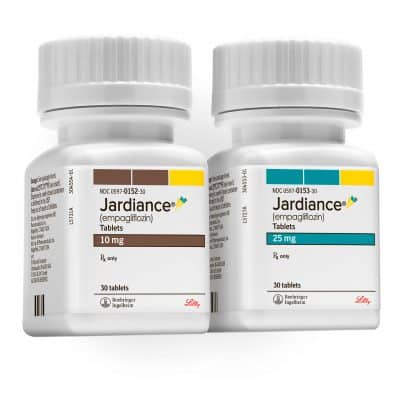
Understanding jardiance uses helps patients and caregivers align goals with evidence. Jardiance (empagliflozin), an SGLT2 inhibitor, supports glucose control and cardiometabolic risk reduction. This guide summarizes its indications, dosing principles, benefits, interactions, and safety, with practical tips for daily use.
Key Takeaways
- Approved indications: type 2 diabetes, heart failure, and chronic kidney disease.
- Start low, reassess renal function, and individualize timing with other medicines.
- Expect modest weight and blood pressure reductions alongside glycemic benefits.
- Watch for genital infections, dehydration, and rare ketoacidosis symptoms.
- Diet, hydration, and medication review reduce avoidable risks and side effects.
Jardiance Uses: Approved Indications and Rationale
Jardiance is indicated to improve glycemic control in adults with type 2 diabetes when used alongside diet and exercise. It also lowers the risk of cardiovascular death and hospitalization in adults with heart failure, regardless of ejection fraction. Recent labeling expands kidney protection, reflecting reduced risk of eGFR decline and other renal outcomes in chronic kidney disease.
These approvals follow large outcome trials demonstrating consistent cardio-renal benefits across risk profiles. For a broader overview of history and labeling, see What Is Jardiance Used For for context on program milestones. For mechanism background within the SGLT2 class, our Jardiance Drug Class explainer clarifies how increased urinary glucose excretion drives benefits.
Key regulatory details, including boxed warnings and contraindications, reside in the FDA label, which should guide risk–benefit discussions. Guidance from the ADA Standards of Care also outlines appropriate patient selection across diabetes, heart failure, and kidney disease.
Dosing Overview: 10 mg vs 25 mg
Most adults start at jardiance 10 mg once daily, taken with or without food. Clinicians may titrate to 25 mg if additional glycemic effect is needed and renal function permits. Because the medicine increases urine output, many people prefer morning dosing to avoid sleep disruption from nocturia.
Assess baseline kidney function and volume status before initiation. Reassess after dose changes or intercurrent illness. For a stepwise approach and creatinine thresholds, see Jardiance Empagliflozin Dosage for clinical ranges and monitoring notes. If you need a quick view of available tablet strengths, the Jardiance 10–25 mg listing is useful for strength confirmation only.
Benefits and Clinical Outcomes
Beyond glucose lowering, Jardiance provides multidimensional benefits in appropriate patients. Documented jardiance benefits include reduced risk of cardiovascular death in diabetes with established atherosclerotic disease and fewer heart failure hospitalizations. Patients often report modest weight and systolic blood pressure reductions, reflecting caloric loss and osmotic diuresis.
Kidney protection is another central advantage in qualifying patients, where slowing eGFR decline supports long-term organ health. For an in-depth look at renal outcomes, see Jardiance for Kidney Disease for trial highlights and practical selection criteria. For heart failure care trends, the article SGLT2 Inhibitors in Heart Failure shows how these agents fit alongside guideline-directed therapies.
Side Effects and Safety Considerations
Common adverse effects include increased urination, thirst, and genital yeast infections. Urinary tract infections and volume depletion can occur, particularly in older adults or those on loop diuretics. Rare but serious risks include diabetic ketoacidosis, even at normal glucose levels, and necrotizing fasciitis of the perineum. If unexplained nausea, vomiting, abdominal pain, or rapid breathing develop, seek urgent evaluation.
Sex-specific patterns may differ. Females tend to report symptomatic yeast infections more often, while uncircumcised males may have balanitis. Ocular complaints are uncommon; however, rapid glucose improvement can transiently blur vision. For an extended checklist of jardiance side effects, see Side Effects of Jardiance for red flags and when to contact a clinician.
Genital and Urinary Infections: Prevention Strategies
Hygiene and hydration help reduce infection risk during SGLT2 therapy. Urinate soon after intercourse, change out of damp clothing promptly, and consider breathable underwear fabrics. Report new itching, burning, discharge, or malodor early, as prompt topical or oral antifungal treatment usually resolves symptoms. Recurrent infections may prompt dose review, tighter glucose control, or culture-directed therapy.
Volume depletion is more likely in hot weather, during intense exercise, or with gastrointestinal illness. Pause therapy and rehydrate during acute illness, particularly if food intake is low. Risk may rise with aggressive low-carbohydrate diets, prolonged fasting, or heavy alcohol use, all of which can promote ketosis. Discuss sick-day rules to avoid preventable complications.
Interactions, Timing, and Diet
Review diuretics, blood pressure agents, and glucose-lowering regimens when adding Jardiance. Insulin or sulfonylureas may require dose adjustment to limit hypoglycemia. Combining with loop diuretics can intensify urination and dizziness, requiring closer monitoring of blood pressure and electrolytes. The combination product Synjardy pairs empagliflozin with metformin, which can simplify regimens when dual therapy is indicated.
Food choices matter for tolerability. Very-low-carbohydrate or ketogenic diets, prolonged fasting, and dehydration can increase ketosis risk. High alcohol intake compounds dehydration and orthostatic symptoms. Practical guidance on foods to avoid while taking jardiance includes limiting extreme low-carb programs without medical supervision and avoiding binge drinking.
Weight and Metabolic Effects
By promoting urinary glucose loss, Jardiance produces caloric deficit and mild natriuresis. Many patients see small, steady reductions in body weight and waist circumference over months. This effect complements lifestyle measures and may improve insulin sensitivity modestly in some users.
Some readers explore jardiance weight loss as a primary goal. Remember, the medication is not a slimming drug, and excessive weight decline warrants evaluation for over-diuresis or inadequate nutrition. For patient-reported experiences and practical tips, see Weight Loss with Jardiance for expectations, plateaus, and troubleshooting strategies.
Practical Scenarios: With Metformin or Diuretics
Co-prescription with metformin is common and often synergistic, as mechanisms complement each other. The best time to take jardiance and metformin may be mornings with food to reduce gastrointestinal effects and nocturia, though routines should remain individualized. When combined, monitor glucose trends and adjust other agents that risk hypoglycemia. Reinforce hydration, especially in hot climates or with higher activity levels.
Loop diuretics such as furosemide require additional caution because both agents increase urine output. Monitor for dizziness, orthostasis, and rises in creatinine after therapy changes. For agent-to-agent comparisons that can inform selection, see Invokana vs. Jardiance to contrast trial endpoints and side effect profiles. If GLP-1 receptor agonists are considered instead, Rybelsus vs. Jardiance and Jardiance vs. Januvia provide therapeutic context.
Class Positioning and Alternatives
Jardiance sits within SGLT2 inhibitors as a cardio-renal metabolic therapy. Choice among class peers may reflect comorbidities, tolerability, and formulary access. For a concise overview of empagliflozin’s role across type 2 diabetes, see Empagliflozin Uses for mechanism and patient selection. When a canagliflozin- or dapagliflozin-based approach is preferred, Farxiga Dapagliflozin or Dapagliflozin pages can help you compare labeled strengths and indications.
Cost and Access
Several factors influence jardiance cost, including dose strength, insurance coverage, and pharmacy contracts. Coverage for heart failure or kidney disease may differ from diabetes-only use, depending on plan design. Benefit verification and formulary checks typically clarify out-of-pocket expectations before dispensing.
To browse related therapies by condition, visit the Diabetes category for glucose-lowering options or the Cardiovascular section for heart-focused therapies. For broader education across conditions, our Type 2 Diabetes hub groups practical guides and comparisons in one place.
Recap
Jardiance supports glycemic control and reduces cardio-renal risk in eligible adults. Match dosing to renal function, time doses to minimize nocturia, and reinforce hydration and hygiene. Monitor for infections, volume depletion, and rare metabolic complications, and coordinate therapy with other glucose-lowering or diuretic agents.
For ongoing learning, the Cardiovascular and Diabetes article categories offer current, clinically grounded summaries by topic.
Note: Regulatory guidance evolves; always cross-check the latest FDA label and professional guidelines before making decisions.
This content is for informational purposes only and is not a substitute for professional medical advice.