

The insulin and potassium relationship sits at the crossroads of metabolism and cardiac safety. Insulin (the glucose-lowering hormone) also moves potassium into cells, which can quickly change blood levels. Understanding this mechanism helps prevent rhythm complications during hyperglycemia treatment and supports safer care in emergencies.
Key Takeaways
- Dual action: Insulin lowers glucose and shifts potassium into cells.
- Safety first: Stabilize the heart before shifting potassium.
- Context matters: DKA, kidney disease, and drugs change risk.
- Monitor closely: Check ECG and repeat potassium levels frequently.
- Plan transitions: After shifts, address the potassium burden and source.
Understanding the Insulin and Potassium Relationship
Insulin promotes cellular uptake of both glucose and potassium via increased activity of the Na+/K+-ATPase (sodium–potassium pump). Clinically, this supports rapid reduction of serum potassium during acute spikes. It also explains why insulin therapy can occasionally lower potassium too far, especially when reserves are depleted. A careful balance avoids arrhythmias from either high (hyperkalemia) or low (hypokalemia) potassium.
In daily care, baseline kidney function and medication lists strongly influence potassium behavior. Renin–angiotensin system blockers, potassium-sparing agents, and heart failure therapies raise baseline levels. This risk intersects with diabetes, where insulin changes distribution. For a cardiometabolic overview, see Diabetes and Hypertension for 2025, which connects blood pressure and glucose management for combined risk control.
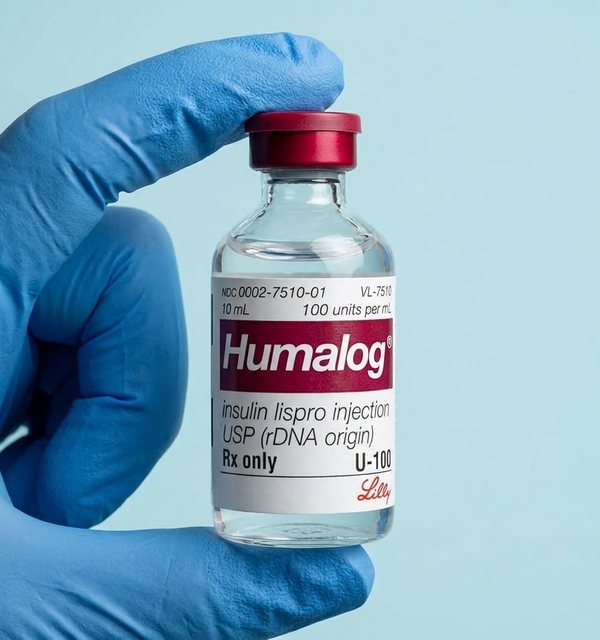
Therapy choices also differ across insulin types. Rapid-acting analogs can produce faster intracellular shifts than basal agents. For a rapid-acting option overview, see Humalog Rapid Insulin to understand post-meal timing and onset characteristics. For basal safety considerations, including hypoglycemia risk, see Levemir Side Effects for practical monitoring tips.
How the Sodium–Potassium Pump Works
The Na+/K+-ATPase is a membrane-bound transporter that exchanges intracellular sodium for extracellular potassium. By hydrolyzing ATP, it moves three sodium ions out and two potassium ions into cells. This maintains resting membrane potential, supports electrical stability in the heart, and sets the stage for muscle and nerve function. When insulin levels rise, pump activity increases, drawing potassium from the bloodstream into cells.
At a practical level, this explains rapid potassium shifts during insulin therapy, independent of total body potassium stores. It also clarifies why kidney disease, where excretion is impaired, calls for additional measures beyond intracellular shifts. For a concise physiologic primer, see the NCBI overview of the sodium–potassium pump, which summarizes energetics and ion gradients in cells.
Stepwise View: From Binding to Transport
Insulin binds receptors and triggers signaling that increases transporter insertion and activity. The pump cycles through conformational changes, exchanging sodium and potassium against their gradients, powered by ATP. Beta-2 adrenergic stimulation and alkalosis can further promote intracellular potassium movement. Understanding how does the sodium-potassium pump work helps clinicians anticipate shifts when giving insulin, beta-agonists, or bicarbonate in emergencies.
Insulin-Driven Potassium Shift: Mechanism and Clinical Uses
Clinicians exploit the rapid intracellular movement of potassium during acute hyperkalemia. Insulin improves cellular uptake alongside glucose lowering, often paired with dextrose to prevent hypoglycemia. This approach addresses dangerous serum levels without changing total body potassium. In parallel, definitive strategies should remove potassium from the body or stop further intake.
Because mechanisms drive care sequencing, clarity matters at the bedside. First, stabilize the myocardium if needed. Next, shift potassium intracellularly to reduce immediate risk. Then remove excess via diuretics, binders, or dialysis depending on context. Summaries from the NCBI StatPearls review of hyperkalemia outline these steps and monitoring priorities. When discussing the biochemical basis, the phrase insulin and potassium mechanism captures how signaling increases Na+/K+-ATPase activity to lower serum potassium quickly.
Tip: Align timing. Check glucose before, during, and after insulin is used for potassium shifts, and plan carbohydrate coverage to reduce hypoglycemia risk.
DKA, Blood Sugar, and Potassium Dynamics
Diabetic ketoacidosis (DKA) changes potassium distribution and total balance. Insulin deficiency, acidosis, and hyperosmolality shift potassium out of cells despite variable body stores. Serum levels at presentation can be normal, high, or low. Once insulin and fluids are started, potassium typically moves back into cells, revealing or worsening deficits.
Bedside teams frequently ask does dka cause hypokalemia or hyperkalemia. The answer depends on timing and physiology. Before therapy, serum potassium may be elevated from shifts. During treatment, intracellular movement plus urinary losses can drive levels down. This is why potassium repletion is integral once renal function, ECG, and labs support safe replacement. For an ADA-aligned perspective on hyperglycemic crises, see the latest ADA Standards of Care, which summarize DKA monitoring and electrolyte priorities.
In parallel, consider comorbid therapies that alter potassium thresholds. ACE inhibitors and ARBs reduce aldosterone effects, which can raise potassium. For medication-specific background during blood pressure control, see Ramipril Uses and Benazepril Uses for how these agents affect kidneys and electrolytes.
Risks: Hypokalemia and Monitoring
Potassium falling too quickly can trigger ventricular arrhythmias, muscle weakness, and cramps. Risks increase with poor intake, diuretic use, or recent gastrointestinal losses. Monitoring includes serial potassium checks, fingerstick glucose testing, and ECG for conduction changes. When feasible, confirm serum levels before shifting, then reassess every one to two hours until stable.
Teams often ask how does insulin cause hypokalemia. Insulin ramps up cellular uptake, lowering the blood concentration even if total body stores are adequate or low. This is more pronounced when glycogen synthesis is active or when alkalosis is present. In borderline cases, slower correction, smaller shifts, and staged repletion reduce overshoot.
Note: Avoid relying on a single potassium value. Trends, ECG findings, and the clinical setting inform true risk and help prevent avoidable overcorrection.
Practical Protocols and Adjuncts
Acute hyperkalemia care often follows a sequence: stabilize membranes, shift potassium, then remove potassium. When the ECG shows worrisome changes, membrane stabilization is the first priority. Giving calcium gluconate improves cardiac membrane stability while other therapies begin working. After stabilization, insulin with glucose and, when appropriate, beta-agonists help reduce serum levels rapidly.
Clinicians often ask why do you give dextrose and insulin for hyperkalemia. Dextrose prevents hypoglycemia while insulin drives potassium into cells through the Na+/K+-ATPase. Care teams then pursue removal via diuretics, potassium binders, or dialysis based on renal function and volume status. For patients on mineralocorticoid receptor antagonists, SGLT2 inhibitors, or finerenone, consider checking recent potassium trends; for details on a cardio-renal agent that may raise potassium, see Kerendia Uses for its kidney and heart context.
Stabilization choices may vary by patient profile and access. Membrane agents work within minutes but do not change serum levels. Shift therapies reduce immediate concentration but wear off. Removal strategies solve the burden. For additional heart failure therapy context that intersects with potassium management, see Entresto Uses, which discusses neurohormonal effects and monitoring needs.
Chronic Disease Intersections and Long-Term Balance
Diabetes, kidney disease, and hypertension often coexist, changing potassium handling over time. Reduced renal excretion raises baseline levels, while episodes of poor intake or diuretic therapy can drive them down. Insulin sensitivity also influences distribution, which can affect glycemic control. Educational overviews in our Diabetes Articles category offer broader context for daily management choices.
There is growing interest in potassium and insulin resistance because intracellular potassium affects metabolic enzymes and beta-cell function. While data are evolving, nutritional adequacy and stable electrolytes may support better glycemic patterns. Patients with heart–kidney–metabolic overlap require coordinated plans. For combined cardiometabolic strategies, see Diabetes and Hypertension to align lifestyle and medication monitoring across conditions.
Medication reviews remain essential, particularly after a hyperkalemia admission. ACE inhibitors, ARBs, ARNIs, and mineralocorticoid receptor antagonists improve outcomes yet increase potassium risk. Diet counseling and binder use may offset these effects. If chronic kidney disease limits excretion, earlier lab checks help catch rising levels before symptoms occur.
Applying the Concepts at the Bedside
Real-world care relies on a consistent safety framework. First, evaluate for hemodynamic instability or ECG changes. If present, stabilize membranes immediately while preparing shift and removal measures. Then, confirm kidney function, medication exposures, and potential sources of potassium load, such as diet, supplements, or hemolysis in samples.
When planning shifts, match the speed of onset to the clinical threat and glucose status. Consider dextrose coverage and frequent glucose checks if baseline levels are normal. Document timing and sequence to prevent stacking effects or missed rechecks. For practical overviews of related therapies and profiles, review Jardiance Side Effects for SGLT2 considerations and fluid balance, and cross-reference hypertensive agent profiles like Altace and Blood Pressure to anticipate potassium shifts when regimens change.
Finally, support outpatient continuity: reinforce lab follow-up, ensure access to binders if indicated, and coordinate nephrology or cardiology input for refractory cases. For readers comparing insulin options within a therapy plan, our product category for Diabetes Products helps map formulations to clinical contexts without implying therapeutic superiority.
Why This Matters for Safety and Outcomes
Potassium disturbances contribute to preventable hospitalizations and cardiac arrests. Fast yet orderly responses reduce complications and shorten stays. The safer path emphasizes sequencing, monitoring, and a return to fundamentals: stabilize, shift, remove, then prevent recurrence. An evidence-informed approach keeps decisions consistent across settings.
For deeper reading on emergency priorities and dose framing, see the NCBI StatPearls review noted above and the ADA crisis standards. When the ECG is unstable, consider calcium gluconate for hyperkalemia to protect the myocardium while other therapies take effect. As always, anchor decisions in your local protocols and the patient’s evolving labs and symptoms.
Putting this together, treatment becomes a repeatable framework rather than a scramble. Your team anticipates shifts, plans countermeasures, and communicates timing. Patients benefit from fewer arrhythmias, fewer rebounds, and steadier discharge plans. The physiologic details matter because they translate directly into safer, calmer care.
This content is for informational purposes only and is not a substitute for professional medical advice.