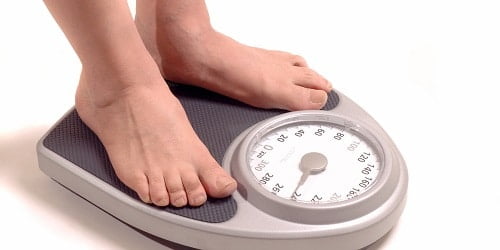
Yes, Lantus can cause weight gain in some people. Insulin glargine is a long-acting basal insulin, and weight gain is a known effect of insulin therapy. The change is often modest, but it can feel frustrating when glucose control is improving. The main drivers are better calorie retention, insulin’s storage effects, and extra eating to prevent or treat low blood sugar.
This does not mean weight gain is unavoidable. Dose accuracy, glucose-pattern review, planned low treatments, meal structure, and resistance exercise can all help. The goal is not to avoid insulin when it is needed. The goal is to use it safely while limiting avoidable weight change.
Key Takeaways
- Weight gain can happen: Lantus shares this class effect with other insulins.
- Mechanisms are predictable: Less glucose loss, more storage, and hypoglycemia eating matter.
- Patterns guide action: Fasting readings, CGM data, and low episodes show where to adjust discussions.
- Management is practical: Measured low treatments, protein-rich meals, and strength training may help.
- Medical review matters: Do not change insulin doses without your prescriber’s guidance.
Why Weight Can Change After Starting Basal Insulin
Weight gain on basal insulin usually reflects a mix of improved glucose use and extra calorie intake. Before insulin is started or intensified, high blood glucose can cause glucose to spill into urine. That glucose carries calories out of the body. When insulin improves glucose control, the body retains more of that energy instead of losing it.
Insulin also has anabolic effects. Anabolic means it helps the body build and store tissue. This is useful when insulin corrects an insulin-deficient state, but it can also promote fat storage if energy intake exceeds energy use. The effect is not unique to one brand. It can occur with long-acting, intermediate-acting, and mealtime insulin.
Low blood sugar can add another layer. If basal insulin is more than your body needs at certain times, hunger, shakiness, or overnight lows may lead to snacks or repeated correction treatments. Those calories can add up, especially when lows are treated without measuring carbohydrate portions.
Why it matters: Weight change may point to glucose patterns, not just food choices.
Does Lantus Cause More Weight Gain Than Other Insulins?
Lantus is not considered uniquely weight-promoting compared with the insulin class overall. Studies of basal insulin options often show broadly similar glucose benefits, with small average differences in weight change between products. Individual results vary because dose needs, hypoglycemia risk, meals, activity, and starting glucose control differ.
Some people ask about Lantus versus other basal options, such as detemir, degludec, or biosimilar insulin glargine products. The most useful discussion is usually not which insulin causes the most weight gain in isolation. It is whether the current basal insulin is matching fasting glucose needs without frequent lows. For background on how this medicine works in the body, see Lantus Insulin Work Body.
If you are comparing basal insulins, also consider timing, duration, injection routine, cost, device preference, and prior hypoglycemia. A product switch should be a clinical decision. It may require new monitoring because equivalent-looking regimens can behave differently in real life.
Clues That Weight Gain May Be Insulin-Related
Insulin-related weight gain often appears after starting insulin, increasing basal insulin, or improving very high glucose levels. It may also follow a period of frequent lows, extra snacking, or reduced activity. The pattern matters more than a single scale reading.
Useful clues include rising weight alongside fewer high readings, more treated lows, larger evening snacks, or new nighttime hunger. Swelling can also affect weight, so sudden or rapid changes deserve prompt medical attention. Contact a clinician urgently for severe shortness of breath, major swelling, confusion, repeated severe lows, or symptoms that feel unsafe.
It can help to separate fat gain, fluid shifts, and normal day-to-day variation. Weight can fluctuate with salt intake, menstrual cycles, bowel changes, and hydration. A weekly average is often more useful than reacting to one morning value.
Example
A person starts basal insulin after months of high glucose. Their fasting readings improve, and they gain several pounds. Part of that gain may reflect fewer calories lost through urine. If they also treat several nighttime lows with large snacks, the added intake may contribute as well.
How to Limit Weight Gain Without Sacrificing Safety
The safest approach is to reduce avoidable calories while keeping glucose treatment reliable. Start with pattern tracking. Record fasting glucose, low episodes, activity, and low-blood-sugar treatments. If you use a continuous glucose monitor, time-in-range and time-below-range can show whether the basal pattern is too strong at certain times.
This calculator can help summarize CGM time-in-range. It is a general tracking aid and does not replace clinical interpretation.
CGM Time-in-Range Summary
Summarise CGM percentages across very low, low, in-range, high, and very high glucose bands.
These calculations are for education only and do not replace clinical advice, diagnosis, or treatment. Always confirm medical decisions with a qualified healthcare professional.
Plan low treatments before you need them. Many people overtreat hypoglycemia because symptoms feel urgent. Ask your diabetes care team how much fast-acting carbohydrate is appropriate for your situation, then keep measured options available. Avoid using lows as an unplanned snack cycle when a precise treatment would be enough.
Meal structure also matters. Protein and fiber can improve fullness and make portions easier to manage. Regular meals may reduce grazing caused by fear of lows. If you count carbohydrates, review labels and serving sizes rather than estimating from memory. People with kidney disease, pregnancy, gastroparesis, eating disorders, or frequent hypoglycemia should ask for individualized nutrition guidance.
Resistance training can support lean mass and improve insulin sensitivity. Start at a level that matches your ability and medical status. Walking, stair climbing, and light strength work can all contribute, but exercise plans should be reviewed if you have heart disease, neuropathy, eye disease, or a history of severe lows.
- Track patterns: Use fasting readings or CGM summaries.
- Measure treatments: Keep planned low-glucose portions available.
- Review snacks: Look for fear-based or routine eating.
- Build muscle: Add safe resistance activity when appropriate.
- Discuss titration: Bring data before changing any dose.
For broader lifestyle support, the Weight Management collection can help you explore nutrition and activity topics in one place.
Dose, Timing, and Monitoring Questions to Review
Basal insulin should cover background insulin needs, not routine meals or repeated snacks. If fasting readings are often low, or if lows happen overnight, the basal dose may need review. Do not adjust it on your own unless your clinician has already given you a clear plan.
Bring specific questions to appointments. Ask whether your fasting pattern suggests enough basal coverage, whether lows are driving extra intake, and whether other medications could affect weight. Also ask how illness, missed meals, alcohol, and activity should be handled. These situations can change glucose patterns and hypoglycemia risk.
Device consistency matters too. Pens, cartridges, and vials can all deliver insulin effectively when used correctly, but technique errors may cause variable dosing. Rotate injection sites, follow storage instructions, and ask a pharmacist or clinician to review your technique if readings seem inconsistent. For a broader safety discussion, see Lantus Side Effects.
If you want to understand how timing affects daily coverage, Insulin Glargine Duration explains onset, peak profile, and duration in patient-friendly terms.
Other Medicines and Weight Considerations
Some diabetes medicines are weight neutral or may support weight loss in appropriate patients, while others can promote gain. Metformin is often weight neutral or modestly weight reducing for many adults with type 2 diabetes. GLP-1 receptor agonists and SGLT2 inhibitors may also affect weight, but they are not suitable for everyone.
Medication choice depends on diabetes type, kidney function, heart and kidney history, pregnancy status, hypoglycemia risk, tolerability, and cost. People with type 1 diabetes have different safety considerations than many people with type 2 diabetes. Never stop insulin because of weight concerns without medical supervision.
Weight gain can also appear with mealtime insulin. If you want a related comparison, Humalog Weight Gain discusses how rapid-acting insulin may affect weight and eating patterns. For condition-specific reading, the Type 2 Diabetes collection may help frame broader therapy questions.
Major Side Effects to Keep in View
Weight gain is one possible side effect, but low blood sugar is usually the more immediate safety concern. Hypoglycemia can cause sweating, shaking, hunger, confusion, weakness, or, in severe cases, loss of consciousness. Repeated lows should be reviewed with a clinician because they can affect safety, driving, work, sleep, and food intake.
Other possible insulin-related issues include injection-site reactions, skin thickening or pitting at injection sites, allergic reactions, and low potassium in some situations. Fluid retention can occur, especially when insulin is used with certain other diabetes medicines. Seek urgent help for trouble breathing, swelling of the face or throat, severe rash, fainting, or severe confusion.
For a fuller discussion of uses, interactions, and side effects, see Lantus Interactions and Uses. If you are reviewing product forms, keep that separate from clinical decision-making; item pages such as Lantus SoloStar Pens are best used for product-format context, not as a substitute for prescribing advice.
Authoritative Sources
For label-backed safety information, review the FDA prescribing information for insulin glargine. It lists weight gain, hypoglycemia, injection-site reactions, and other warnings.
For clinical-care context, the American Diabetes Association Standards of Care discuss medication selection, monitoring, hypoglycemia, and weight considerations.
For patient-facing weight strategies, the Mayo Clinic insulin and weight resource explains practical steps that may reduce weight gain during insulin treatment.
Recap
So, does Lantus insulin cause weight gain? It can, and the reason is usually predictable physiology rather than a personal failure. Better glucose control reduces calorie loss in urine, insulin supports energy storage, and hypoglycemia-related eating may add extra calories.
The next step is pattern review. Track glucose, lows, low treatments, meals, activity, and weekly weight trends. Bring that information to your diabetes care team before changing insulin or adding therapies. CanadianInsulin.com provides educational medication content and, where appropriate, prescription referral support through licensed third-party pharmacy fulfilment; clinical decisions still belong with your prescriber.
This content is for informational purposes only and is not a substitute for professional medical advice.