
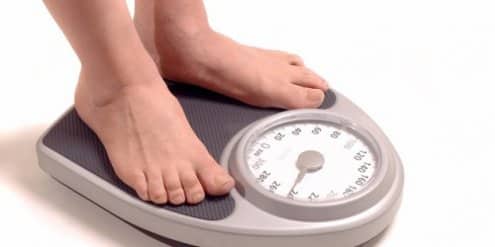
Yes, Humalog can contribute to weight gain in some people, as can other insulin products. The main reason is not that it directly creates body fat on its own. Insulin helps move glucose from the blood into cells, reduces glucose lost in urine, and supports normal energy storage. Does Humalog Cause Weight Gain is often the first question people ask after starting or intensifying mealtime insulin because the scale may change as blood sugar improves.
Why this matters: weight change can reflect better glucose control, excess calories from treating lows, fluid shifts, or an insulin dose that no longer matches meals and activity. The safest response is to review patterns rather than stop or change insulin without medical guidance.
Key Takeaways
- Weight gain is possible: Humalog may contribute through normal insulin effects.
- Lows can add calories: frequent rescue snacks often drive gain.
- Early changes vary: improved glucose control can reduce calorie loss in urine.
- Meal matching matters: timing, portions, and corrections affect weight trends.
- Unexplained loss needs review: high glucose or other illness may be involved.
How Mealtime Insulin Can Affect Body Weight
Humalog is insulin lispro, a rapid-acting insulin used around meals to help control post-meal blood glucose. When insulin works, more glucose enters muscle and fat cells instead of staying in the bloodstream. The liver also makes less new glucose. These are intended effects, but they can change energy balance.
When blood sugar has been very high, the body may lose calories through glycosuria (glucose spilling into urine). Better insulin coverage can reduce that loss. In practical terms, the same food intake may now provide more usable energy than before. This is one reason the average weight gain on insulin tends to appear after therapy starts or becomes more intensive.
Another driver is hypoglycemia, or low blood sugar. If mealtime insulin exceeds what the meal and activity require, a person may need extra carbohydrate to treat the low. Repeated episodes can add unplanned calories. This pattern is common and can be missed because each snack feels medically necessary in the moment.
Does Humalog Cause Weight Gain in every person who uses it? No. Some people stay weight-stable, especially when doses, carbohydrate intake, and activity are well matched. Others may gain because total insulin exposure rises, meal portions increase, activity falls, or lows happen often.
For a broader insulin-specific discussion, see Lantus Insulin Weight Gain. Although Lantus is a basal insulin, the same broad principles about insulin and energy storage can help explain weight changes.
What Raises the Risk of Weight Gain With Humalog?
The risk is usually higher when insulin, food intake, and activity are out of sync. Humalog acts around meals, so small timing or portion changes can matter. A dose that fits one meal may not fit another meal with more fat, less carbohydrate, or delayed digestion.
Common contributors include frequent correction doses, large carbohydrate swings, skipped meals, grazing to prevent lows, and reduced physical activity. Some people also eat more after glucose control improves because dehydration, fatigue, or high-glucose symptoms settle. That improved wellbeing is positive, but it can still affect calorie intake.
Type of diabetes also matters. In type 1 diabetes, insulin replacement is essential. Weight may increase when chronic hyperglycemia improves and the body stops losing calories through urine. In type 2 diabetes, adding mealtime insulin often happens after insulin resistance has progressed. Insulin resistance can make weight management harder because the body needs more insulin to achieve the same glucose-lowering effect.
For more context on this relationship, read Insulin Resistance and Weight Gain. It explains why higher insulin needs, hunger patterns, and abdominal weight can overlap.
Type 1 and Type 2 Patterns
In type 1 diabetes, weight gain may follow restoration of more normal metabolism. This can be healthy if prior weight loss came from undertreated diabetes. It can become unwanted if lows and rescue calories become frequent.
In type 2 diabetes, weight change may reflect several forces at once. Insulin resistance, other medications, sleep, appetite, mobility, and food access all play a role. Some diabetes medicines are more weight-neutral or weight-reducing than insulin, but they are not interchangeable with mealtime insulin for every person.
Basal and Bolus Balance
Humalog is usually part of the bolus, or mealtime, side of insulin therapy. Basal insulin covers background needs. If basal insulin is too high, a person may snack to avoid lows between meals. If bolus insulin is too high, lows may follow meals or corrections. Either pattern can lead to extra carbohydrate intake.
People sometimes ask which insulin causes the most weight gain. There is no single answer that fits everyone. Total insulin dose, degree of glucose improvement, hypoglycemia frequency, and calorie intake often matter more than the brand name. Comparing insulin types can still be useful when reviewing a regimen with a clinician.
How to Limit Insulin-Related Weight Gain Safely
The main way to reduce insulin-related weight gain is to reduce preventable lows and improve the match between meals, activity, and insulin timing. That does not mean using less insulin without guidance. It means looking for patterns that make extra calories more likely.
Start with records. Track meal timing, carbohydrate amounts, glucose readings, activity, and low-blood-sugar treatment for several days. Continuous glucose monitor data can also show whether lows cluster after certain meals or corrections. Bring these patterns to your diabetes care team before making dose changes.
Nutrition changes work best when they support glucose stability. Higher-fiber carbohydrates, adequate protein, and consistent portions can reduce large post-meal swings. Drinks with sugar can raise glucose quickly, so many people reserve them for treating lows rather than routine hydration. If you have kidney disease, gastroparesis, pregnancy, an eating disorder history, or repeated lows, ask for individualized nutrition support.
- Review low patterns: note timing and likely triggers.
- Measure carbohydrates: use consistent portions when learning.
- Avoid dose stacking: discuss correction timing with your clinician.
- Use targeted low treatment: glucose tablets may limit extra calories.
- Plan movement: light activity after meals may improve glucose uptake.
- Check injection habits: rotate sites to support consistent absorption.
Quick tip: Treat lows with measured fast carbohydrate, then reassess as directed by your care plan.
People searching how to stop insulin weight gain often want a fast fix. A safer approach is gradual. Recurrent hypoglycemia, missed meals, or sudden dieting can create more risk than benefit. Ask your clinician whether medication timing, insulin-to-carbohydrate ratios, correction factors, or non-insulin therapies should be reviewed.
If you are also comparing other diabetes therapies, Tresiba and Weight Loss discusses why insulin products are not considered weight-loss medicines, even when weight changes occur during treatment.
Abdominal Weight, Insulin Resistance, and Tracking Progress
Insulin does not target weight gain to one body area, but abdominal fat often overlaps with insulin resistance. People may describe this as “insulin belly fat,” although the biology is broader than one medication. Genetics, calorie balance, sleep, stress, activity, menopause, alcohol intake, and other medicines can all influence waist size.
The fastest way to lose weight with insulin resistance is not usually the safest way. Rapid restriction can raise the risk of lows for people using insulin. A steadier plan focuses on sustainable calorie balance, resistance exercise, adequate protein, sleep, and glucose monitoring. Your care team can help adjust medications if lifestyle changes lower your insulin needs.
Waist-to-height ratio can be one simple tracking tool alongside weight, glucose patterns, and lab results. It does not diagnose a condition or replace clinical review, but it can help you follow changes in central body size over time.
Waist-to-Height Ratio Calculator
Compare waist measurement with height as a simple metabolic-health screening estimate.
These calculations are for education only and do not replace clinical advice, diagnosis, or treatment. Always confirm medical decisions with a qualified healthcare professional.
For broader lifestyle reading, the Weight Management collection includes related topics on body weight, diabetes medicines, and practical monitoring.
Weight Loss in Diabetes: When It Helps and When It Warns
Weight loss in diabetes can be helpful, harmful, or a warning sign depending on the cause. Intentional, gradual weight loss may improve insulin resistance in some people with type 2 diabetes. Unintentional weight loss, especially with thirst, frequent urination, fatigue, or high glucose, needs medical review.
Can type 2 diabetes cause weight loss? Yes. When glucose remains high, the body may lose calories in urine and break down fat or muscle for energy. This can happen before diagnosis or when treatment no longer matches the body’s needs. It can also occur with infections, thyroid disease, digestive disorders, depression, cancer, or medication changes.
Does diabetes cause weight loss or gain? It can do either. Untreated or undertreated diabetes may cause weight loss. Insulin therapy, some oral medicines, hypoglycemia treatment, or improved calorie retention may contribute to weight gain. The direction alone does not tell the whole story.
If the goal is healthy weight gain or muscle gain, focus on lean mass rather than only the scale. Resistance training, enough protein, regular meals, and safe glucose monitoring are important. People asking how a diabetic can gain weight and muscle should involve a clinician or registered dietitian, especially if glucose remains high or appetite has changed.
For medication-related weight comparisons, see Actos Weight Gain and Glyburide Weight Gain. These pages discuss other diabetes medicines that may affect weight differently from insulin.
Side Effects, Uses, and When to Seek Help
Humalog is used to improve glycemic control in people with diabetes who need rapid mealtime insulin coverage. It may be used in different delivery systems depending on the person’s plan and training. Its main safety concern is hypoglycemia. Other possible issues include injection-site reactions, itching, swelling, and, rarely, serious allergic reactions.
Contraindications of Humalog include use during episodes of hypoglycemia and use in people with known hypersensitivity to insulin lispro or product components. People with kidney or liver impairment, changing meal schedules, variable exercise, or recurrent lows may need closer monitoring. Do not stop or change insulin because of weight concerns without medical guidance.
Some searches mention Humalog side effects involving hair loss, the heart, diarrhea, or long-term use. These symptoms can have many causes and are not always due to insulin. Severe low blood sugar can affect the heart and brain because both depend on glucose. Seek urgent help for severe confusion, seizure, loss of consciousness, trouble breathing, widespread rash, or swelling of the face, lips, tongue, or throat.
Is Ozempic better than Humalog? They are different medicines with different roles. Ozempic is a GLP-1 receptor agonist used in type 2 diabetes and certain weight-related indications, while Humalog is rapid-acting insulin used for mealtime glucose control. One does not simply replace the other for everyone. The right approach depends on diabetes type, glucose patterns, medical history, contraindications, and clinician judgment.
If you need to browse diabetes-related resources, the Diabetes collection gathers educational content by topic. The Diabetes Condition page is a browseable condition hub for related product categories and navigation.
Authoritative Sources
For official safety language, contraindications, and adverse reactions, review the manufacturer’s Humalog prescribing information. It outlines labeled uses, hypoglycemia warnings, and hypersensitivity precautions.
The American Diabetes Association publishes annual clinical standards on nutrition, activity, glucose monitoring, and medication safety. See the ADA Standards of Care for current professional guidance.
For a patient-oriented discussion of insulin and weight, the Mayo Clinic explains practical prevention strategies in its insulin and weight gain resource.
Recap
Does Humalog Cause Weight Gain for some people? Yes, it can contribute, but the pattern usually depends on overall insulin exposure, improved glucose control, food intake, hypoglycemia treatment, and activity. Weight gain is not a reason to stop insulin on your own.
What to do next is practical: track lows, meals, corrections, and activity. Then review the pattern with your diabetes care team. If weight is falling without intention, or if glucose remains high, seek medical assessment to rule out undertreatment or another condition.
This content is for informational purposes only and is not a substitute for professional medical advice.


