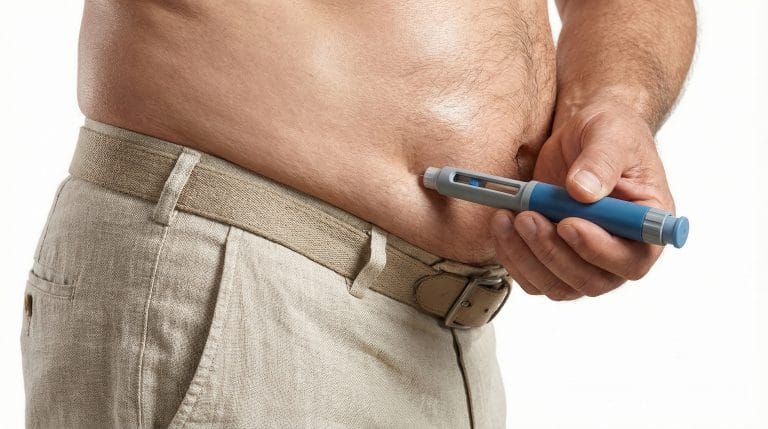



Lantus side effects are usually related to low blood sugar, injection site reactions, swelling, or weight changes. Serious problems are less common, but they can happen. The main risks to watch for are severe hypoglycemia (very low blood sugar), allergic reactions, and low potassium. Knowing the warning signs helps you respond early and discuss patterns with your healthcare team.
Lantus is a brand of insulin glargine, a long-acting basal insulin. It helps provide background insulin coverage between meals and overnight. It is not used to treat diabetic ketoacidosis, and it does not replace rapid-acting insulin when that is prescribed for meals.
Key Takeaways
- Most common issues: low blood sugar and injection site irritation.
- Serious warnings: severe hypoglycemia, allergy, and low potassium.
- Timing matters: use should be consistent each day.
- Technique helps: rotate sites and use clean injection steps.
- Escalate symptoms: confusion, fainting, swelling, or breathing trouble need urgent care.
How Lantus Works and Why Side Effects Happen
Lantus works by releasing insulin glargine slowly from the tissue under the skin. After injection, it forms tiny deposits that release insulin over many hours. This is the lantus mechanism of action in simple terms: it gives steady basal coverage rather than a strong mealtime peak.
That steady action can help limit glucose release from the liver between meals and overnight. It can also lower blood sugar too much if the dose, food intake, activity, kidney function, or other medicines shift. This is why the same insulin routine may feel different during illness, travel, weight changes, or changes in physical activity.
For more background on action time, see Lantus Onset, Peak, Duration. That resource can help you frame timing questions for a clinician without making dose changes on your own.
Why it matters: Side effects often reflect the balance between insulin action, food, activity, and monitoring.
Common Reactions: What Usually Shows Up First
The most common lantus side effects include mild hypoglycemia, injection site reactions, itching, rash, and changes in skin or fat tissue at injection areas. Some people also notice headache, swelling, or weight gain after starting or adjusting insulin therapy.
Low blood sugar can feel like sweating, shaking, hunger, anxiety, a fast heartbeat, dizziness, blurred vision, or trouble concentrating. Some people have fewer early symptoms, especially after repeated lows or when taking medicines such as beta-blockers. This makes glucose monitoring important, not just symptom tracking.
Injection site reactions may include redness, tenderness, bruising, itching, or a small lump. These symptoms are often mild and short-lived. However, repeated injections into the same spot can cause lipodystrophy (changes in fat tissue) or localized cutaneous amyloidosis (firm skin deposits). Both can affect insulin absorption and make glucose patterns harder to predict.
Rotating injection sites helps reduce these problems. Common areas include the abdomen, outer thigh, and upper arm, depending on your training and dexterity. For a practical review of site selection and rotation, see Lantus Injection Sites.
Some readers ask about lantus side effects diarrhea. Diarrhea is not usually the defining reaction to basal insulin, but it may appear in some people for many reasons, including infection, diet changes, other medicines, or glucose shifts. Persistent diarrhea, dehydration, or repeated lows should be reviewed with a healthcare professional.
Major Warnings and When to Seek Care
The major side effects of Lantus are severe hypoglycemia, serious allergic reactions, and hypokalemia (low blood potassium). These are the problems that need the clearest action plan because they can become dangerous quickly.
Severe hypoglycemia may cause confusion, unusual behavior, seizures, loss of consciousness, or inability to swallow safely. Household members should know where glucagon is stored if it has been prescribed. Emergency care is appropriate if a person is unconscious, having a seizure, cannot safely take carbohydrates by mouth, or does not improve after treatment.
Allergic reactions are uncommon but important. Seek urgent help for hives with swelling, wheezing, tightness in the throat, trouble breathing, or swelling of the face, lips, tongue, or throat. A mild local rash is different from a whole-body allergic reaction, but new or spreading symptoms should still be discussed promptly.
Low potassium can cause muscle weakness, cramps, constipation, palpitations, or abnormal heart rhythms. Risk may rise when insulin is used with other medicines that affect potassium, such as some diuretics. People with kidney disease, heart disease, or complex medication lists should ask how often labs need review.
For overdose-specific safety details, see Lantus Insulin Overdose. That page explains why recurring or severe lows need prompt clinical review.
Contraindications, Precautions, and Interactions
Lantus contraindications include use during episodes of hypoglycemia and use in people with hypersensitivity to insulin glargine or any component of the product. These are label-level restrictions, not personal judgment calls. If either concern applies, a prescriber should guide the next step.
Important lantus precautions include kidney impairment, liver impairment, changes in meal patterns, increased exercise, alcohol use, and medicines that alter glucose levels. Reduced kidney function can lower insulin clearance, which may increase the risk of hypoglycemia. Liver disease can also affect glucose regulation and insulin needs.
Lantus interactions can involve medicines that increase blood sugar, medicines that lower blood sugar, and medicines that mask hypoglycemia symptoms. Corticosteroids may raise glucose in some people. Certain diabetes medicines can increase low-glucose risk when used with insulin. Beta-blockers may reduce warning signs such as tremor or fast heartbeat.
Alcohol deserves special caution because it can contribute to delayed hypoglycemia, especially when food intake is reduced. Illness can also change insulin needs in unpredictable ways. Ask your care team for a written sick-day plan before you need one.
For a broader medication-safety discussion, see Lantus Interactions and Uses. It can help you prepare questions about other prescriptions, supplements, and monitoring routines.
Timing, Night Use, and Daily Monitoring
Lantus is often taken once daily at the same time each day, but the best timing depends on the prescribed plan and glucose patterns. Many people ask why Lantus is given at night. Night dosing may align with overnight basal needs for some patients, but it is not automatically best for everyone.
Timing decisions should consider fasting glucose, overnight lows, meal schedule, work shifts, and activity patterns. If morning readings are frequently low or high, do not change the schedule on your own. Bring glucose logs to your clinician so they can review patterns safely.
Monitoring should include readings, symptoms, meals, activity, missed meals, alcohol intake, illness, and injection sites. Patterns matter more than one isolated number. A single low may have an obvious cause, while repeated lows suggest the plan needs review.
If you use different glucose units across labs, meters, or clinic notes, a converter can reduce confusion when reviewing records.
Blood Glucose Unit Converter
Convert glucose readings between mg/dL and mmol/L without changing the clinical value.
These calculations are for education only and do not replace clinical advice, diagnosis, or treatment. Always confirm medical decisions with a qualified healthcare professional.
This tool only converts units between mg/dL and mmol/L. It does not interpret results or replace medical guidance.
Quick tip: Bring your meter, app report, or written log to each insulin review.
Device and Injection Factors That Affect Tolerability
Device handling can influence comfort, dose accuracy, and site reactions. Lantus may be supplied in a vial, prefilled pen, or cartridge system, depending on the product and local availability. Each format contains insulin glargine, but the steps differ.
The lantus insulin pen is commonly used because it may be easier for some people to handle than a vial and syringe. Still, pen technique matters. Priming, needle changes, injection angle, and holding time after the dose can affect delivery. Reusing needles may increase discomfort, bending, leakage, and skin irritation.
Vials require correct syringe selection and careful measurement. Cartridges require compatible reusable pen systems. If vision, hand strength, tremor, or arthritis affects injections, mention this during medication reviews. A device that is hard to use can raise the risk of missed doses or inconsistent delivery.
For product-specific navigation, CanadianInsulin.com lists options such as Lantus SoloStar Pens, Lantus Vial, and Lantus Cartridges. Where required, prescription details are confirmed with the prescriber, and licensed third-party pharmacies handle dispensing and fulfilment where permitted.
Weight, Hair, Kidneys, Liver, and Long-Term Questions
Weight gain can occur with insulin therapy, including basal insulin. This can happen when glucose control improves and fewer calories are lost through urine. Appetite changes, reduced glucose swings, edema, and overall calorie intake can also contribute. If weight changes are concerning, ask about nutrition planning, activity goals, and whether glucose lows are prompting extra snacking.
For a deeper discussion of this topic, see Lantus and Weight Gain. It reviews possible reasons weight may change after insulin starts or doses are adjusted.
Hair loss is reported by some people using many different diabetes treatments, but a direct link to insulin glargine is not clear. Hair shedding can relate to thyroid disease, iron deficiency, stress, illness, rapid glucose changes, nutritional issues, or other medicines. New hair loss deserves evaluation rather than assuming one cause.
Questions about lantus side effects on kidney usually involve hypoglycemia risk rather than kidney damage. Insulin is not generally described as directly toxic to the kidneys. However, kidney impairment can change how long insulin acts in the body, which may increase low-glucose risk. This is especially important when kidney function changes over time.
Questions about lantus side effects on liver are similar. Liver disease can alter glucose storage and release, which may affect insulin needs. That does not mean every liver symptom is caused by basal insulin. Yellowing skin, severe abdominal pain, dark urine, or marked fatigue should be assessed medically.
Some people also worry about cancer signals from older observational research. Current clinical use has not established insulin glargine as a proven cause of cancer. People with cancer history or unusual symptoms should discuss their full risk profile with their clinician.
Practical Tracking Checklist
A simple tracking routine can make side effect discussions more useful. It also helps separate one-time symptoms from repeating patterns.
- Glucose readings: include fasting and bedtime values when advised.
- Low symptoms: note sweating, shaking, dizziness, or confusion.
- Injection sites: record areas used during the week.
- Meal changes: include skipped meals or alcohol intake.
- Activity shifts: note unusually long or intense exercise.
- Medication changes: include steroids, diuretics, or new diabetes drugs.
- Illness days: record fever, vomiting, diarrhea, or reduced intake.
People living with diabetes often manage many decisions each day, from meals and activity to medicines and appointments. A written plan can reduce guesswork. It is especially helpful for travel, illness, shift work, or episodes of repeated hypoglycemia.
For condition-level browsing, you can review diabetes-related product collections under Diabetes, Type 1 Diabetes, or Type 2 Diabetes. These pages are navigation resources, not medical advice.
Authoritative Sources
For label-backed safety information, review the DailyMed Lantus prescribing information.
For patient-friendly low blood sugar guidance, see the CDC hypoglycemia treatment resource.
For current diabetes care standards, consult the American Diabetes Association Standards of Care.
Recap
Lantus side effects are most often manageable, but they still need careful monitoring. Low blood sugar, injection site irritation, swelling, and weight changes are common discussion points. Severe hypoglycemia, allergic reactions, and low potassium need urgent attention. Track patterns, rotate injection sites, and review recurring symptoms with your healthcare team.
This content is for informational purposes only and is not a substitute for professional medical advice.