
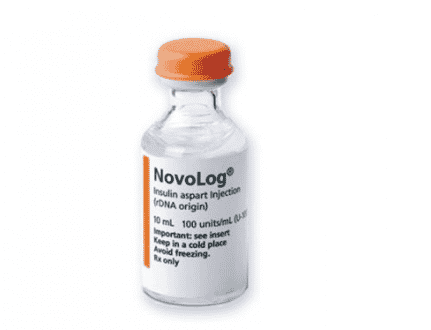
Novolog dosage is individualized, so there is no single safe number that fits everyone. Clinicians usually base rapid-acting insulin doses on meal carbohydrates, current glucose, insulin sensitivity, activity, illness, and other diabetes medicines. This matters because too little insulin may leave glucose high, while too much can cause hypoglycemia (low blood sugar), which can become urgent.
Key Takeaways
- Individual dosing: Your prescriber sets starting doses and adjustment rules.
- Meal timing: Rapid-acting insulin is usually matched to food intake.
- Correction caution: Avoid overlapping doses unless your care plan allows it.
- Device checks: Confirm pen units, priming steps, and remaining insulin.
- Emergency planning: Treat low glucose early and seek urgent help for severe symptoms.
How Novolog Dosage Is Usually Determined
Novolog is insulin aspart, a rapid-acting insulin used to help manage blood glucose around meals and corrections. It starts working faster than regular human insulin, so dose timing and food intake matter. Your care team may use glucose logs, continuous glucose monitor trends, A1C, kidney or liver status, and hypoglycemia history before changing a plan.
Most plans use two main calculations. The first is an insulin-to-carbohydrate ratio, which estimates how many grams of carbohydrate one unit covers. The second is a correction factor, sometimes called an insulin sensitivity factor, which estimates how much one unit may lower glucose. These are planning tools, not universal rules.
For broader context on bolus insulin choices, see Bolus Insulin Brands. If you want a product-focused overview of the medication itself, Novolog Insulin Aspart Uses explains where it fits in diabetes care.
Why it matters: The same dose can act differently after exercise, illness, alcohol use, or a meal high in fat.
Timing Around Meals and Corrections
Insulin aspart is commonly taken close to mealtime, but the exact timing should follow your prescribed plan. Some people are told to dose shortly before eating. Others may need different timing when appetite is uncertain, glucose is already low, or delayed digestion is a concern.
Meal boluses and correction boluses have different goals. A meal bolus covers carbohydrates you are about to eat. A correction bolus addresses a glucose reading above your target range. Many hypoglycemia episodes happen when corrections are repeated too soon, before earlier rapid-acting insulin has finished working.
Active insulin time is the period when a previous dose may still lower glucose. Your clinician may use pump settings, CGM trend arrows, or written correction rules to help reduce stacking. If your readings often rise or fall after meals, bring the pattern to your diabetes team instead of making repeated unsupervised dose changes.
For onset, peak, and duration concepts, read Insulin Aspart Timing. Those timing basics can help you understand why a correction may still be working even when glucose remains high early on.
Using Charts and Calculators Without Over-Relying on Them
A NovoLog dosage chart can make a plan easier to follow, but it should reflect your own prescribed ratios and correction rules. Generic charts online may not account for body weight, insulin resistance, kidney function, meal composition, or your history of low glucose.
Some clinicians start with weight-based estimates for total daily insulin, then divide that amount between basal insulin and mealtime insulin. They may refine the plan with rules of thumb, such as carbohydrate ratios or correction factors. These estimates must be checked against real readings and symptoms.
A NovoLog dosage calculator can also be misleading if it does not include your active insulin, target range, recent exercise, and current health status. Use calculators only as educational math aids unless your diabetes clinic has specifically approved a tool for your care.
The glucose unit converter below can help when records, labels, or international resources use different glucose units. It converts mg/dL and mmol/L only; it does not calculate insulin doses or replace clinical guidance.
Blood Glucose Unit Converter
Convert glucose readings between mg/dL and mmol/L without changing the clinical value.
These calculations are for education only and do not replace clinical advice, diagnosis, or treatment. Always confirm medical decisions with a qualified healthcare professional.
For more general insulin calculation concepts, Insulin Dosage Chart reviews how clinicians think about insulin needs across different situations.
FlexPen Unit Counts and Practical Device Checks
Each NovoLog FlexPen is commonly described as containing 300 units in a 3 mL prefilled pen at U-100 concentration. Pen devices also have a maximum amount that can be dialed for a single injection. Always confirm the specific device instructions that came with your pen.
Before each injection, check the label, expiry date, appearance, and dose window. Prime the pen as instructed, attach a new needle, and rotate injection sites. Rotating sites helps reduce lipohypertrophy (thickened fatty tissue), which can make insulin absorption less predictable.
People often ask whether 20 units of rapid-acting insulin is too much. The safer answer is that it depends on the individual plan. For one person, it may match a high-carbohydrate meal and correction rule. For another, it could cause severe hypoglycemia. If a dose seems unusually high compared with your usual pattern, pause and follow your clinic’s safety instructions before injecting.
If you use cartridge-based insulin formats, Novorapid Cartridge provides a related format reference. Product pages can help with device navigation, but they should not be used to set your dose.
Safe Upper Limits and When Doses Need Review
There is no universal maximum dose of NovoLog per day that applies to every adult. Daily needs may rise with infection, steroid medicines, pregnancy, puberty, weight changes, or insulin resistance. Needs may fall with missed meals, increased activity, kidney changes, weight loss, or alcohol intake.
A sudden need for much more insulin should be reviewed. It may reflect infusion set failure, missed basal insulin, spoiled insulin, inaccurate carbohydrate counting, illness, or medication changes. Very high glucose with nausea, vomiting, abdominal pain, rapid breathing, or fruity-smelling breath needs urgent medical assessment because diabetic ketoacidosis can be dangerous.
For people with type 1 diabetes, missed insulin can become serious quickly. The Type 1 Diabetes collection can help readers find related background topics. People managing insulin alongside type 2 diabetes medicines may also find the Type 2 Diabetes collection useful for broader education.
Overdose Signs and Immediate Response
Too much rapid-acting insulin usually causes hypoglycemia. Early symptoms may include shakiness, sweating, hunger, fast heartbeat, anxiety, headache, blurred vision, or trouble concentrating. More serious symptoms can include confusion, weakness, seizure, or loss of consciousness.
If you are awake and able to swallow, many diabetes plans use fast-acting carbohydrate to treat low glucose, followed by rechecking. Follow the hypoglycemia instructions your clinician gave you. Do not give food or drink by mouth to someone who is unconscious or unable to swallow safely.
Severe symptoms require emergency help. A bystander may need to use glucagon if it has been prescribed and they know how to give it. Call emergency services for seizure, loss of consciousness, repeated vomiting, or symptoms that do not improve as expected.
Quick tip: Keep written low-glucose instructions where family or coworkers can find them.
After any severe low, contact your diabetes team. They may review recent Novolog dosage timing, meal intake, exercise, kidney function, alcohol use, and correction rules. The goal is to reduce recurrence without leaving glucose persistently high.
Contraindications, Interactions, and Monitoring Issues
Insulin aspart should not be used during an episode of hypoglycemia. It should also be avoided in people with a known serious allergy to insulin aspart or its ingredients. Allergic reactions are uncommon, but swelling, rash, breathing trouble, or widespread hives need urgent care.
Several medicines can change insulin requirements. Corticosteroids, some antipsychotics, and certain hormone therapies may raise glucose. Alcohol, some blood pressure medicines, and changes in food intake may increase low-glucose risk. Beta-blockers can make warning signs of hypoglycemia harder to notice.
Insulin can also shift potassium into cells, which may contribute to hypokalemia (low blood potassium) in higher-risk settings. Clinicians may monitor electrolytes during intensive treatment or when other risk factors are present. Kidney or liver impairment can also affect insulin handling and hypoglycemia risk.
For adverse effect background, see Novolog Side Effects. Use that information as a discussion aid, not as a reason to stop or change prescribed insulin on your own.
Questions to Bring to Your Diabetes Team
A clear written plan can prevent many dosing errors. Bring your glucose records, insulin doses, meal notes, exercise patterns, and hypoglycemia episodes to appointments. If you use CGM, ask how trend arrows should affect your correction decisions.
- Meal ratio: Ask which ratio applies at each meal.
- Correction factor: Confirm your target and active insulin time.
- Missed dose plan: Clarify what to do if you forget a bolus.
- Sick-day rules: Ask when ketone testing or urgent care is needed.
- Device limits: Confirm pen priming, storage, and maximum dialed dose.
- Low-glucose plan: Review fast carbohydrate and glucagon instructions.
If you are comparing insulin formats or browsing diabetes supplies, the Diabetes condition page can help organize related options. CanadianInsulin.com functions as a prescription referral platform, and dispensing is handled by licensed third-party pharmacies where permitted.
Authoritative Sources
For label-backed details on insulin aspart dosing principles, contraindications, and warnings, review the official NovoLog prescribing information.
For patient-friendly medication safety details, MedlinePlus provides a balanced insulin aspart medication summary.
For diabetes care standards and monitoring principles, consult the American Diabetes Association Standards of Care.
Recap
Safe rapid-acting insulin use depends on timing, carbohydrate matching, correction rules, and careful monitoring. Novolog dosage should be individualized and reviewed when readings, meals, activity, illness, or medications change. Seek urgent help for severe hypoglycemia or symptoms suggesting diabetic ketoacidosis.
This content is for informational purposes only and is not a substitute for professional medical advice.


