
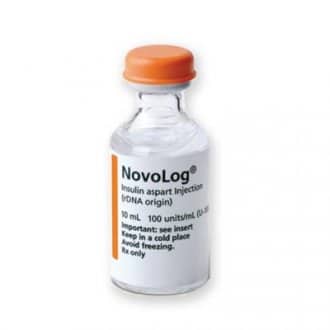
NovoLog is a rapid-acting insulin aspart used to control the rise in blood sugar around meals. In practical terms, NovoLog uses center on mealtime coverage: it starts working quickly, is timed close to food, and can be part of care for type 1 or type 2 diabetes. That matters because fast action also means timing errors, missed meals, device mistakes, or changes in activity can raise the risk of low blood sugar.
This page explains where insulin aspart fits in treatment, how it works, what usually shapes dosing, and which safety issues deserve attention. It is an educational overview, not an individual treatment plan.
Why it matters: Fast onset makes meal timing and glucose monitoring more important.
Key Takeaways
- It is a rapid-acting mealtime insulin.
- Its main role is limiting after-meal glucose spikes.
- Dosing frequency varies by meals, regimen, and delivery method.
- Low blood sugar is the most important safety concern.
- It is different from long-acting basal insulin.
NovoLog Uses in Diabetes Care
The main use of insulin aspart is improving glycemic control (blood sugar control) around meals. Most NovoLog uses involve controlling the blood sugar rise that follows eating, often called the postprandial (after-meal) rise. It may be prescribed for adults and children with diabetes when a clinician decides fast mealtime coverage is appropriate.
Where It Fits in Type 1 and Type 2 Diabetes
In type 1 diabetes, a rapid-acting insulin usually handles meals while a separate basal strategy handles background needs unless a pump is supplying that basal delivery. In type 2 diabetes, the picture is more varied. Some people manage glucose for years without mealtime insulin, while others eventually need meal coverage because insulin resistance or reduced insulin production makes food-related spikes harder to control. You can browse the Diabetes Care Hub, the Type 2 Diabetes Hub, and the plain-language overview on Type 2 Diabetes And Insulin Dependence for that broader context.
Its role is specific. This insulin is designed to cover food-related glucose changes, not to provide steady all-day background coverage. To understand that distinction, it helps to review the Main Role Of Insulin and a broader explainer on Insulin In The Body. For a plain-language look at when insulin enters treatment decisions, see Blood Sugar And Insulin.
Some people also use insulin aspart in pumps, where small programmed amounts cover background needs and meal boluses cover food. That flexibility makes it useful, but it also means the device, meal pattern, and monitoring routine all matter.
When required, prescription details may be checked with the prescriber.
How Rapid-Acting Insulin Aspart Works
Insulin aspart does the same core job as natural human insulin, but faster after injection under the skin. Once in the bloodstream, it binds to insulin receptors, helps move glucose from the blood into muscle and fat cells, and reduces glucose release from the liver. The result is better control of the sharp rise that often follows a meal.
Its speed comes from a small change in the insulin molecule that makes it less likely to form tight clusters after injection. Because the molecules separate more easily, absorption tends to be quicker than with regular human insulin. Understanding NovoLog uses also means understanding that timing is part of the treatment, not a minor detail.
Onset, Peak, and Duration
Published references describe insulin aspart as a very fast insulin. It often begins lowering glucose within 5 to 15 minutes, tends to peak in about 1 to 3 hours, and may keep working for roughly 3 to 5 hours. Those are useful ranges, not guarantees. Absorption can change with the injection site, local blood flow, temperature, exercise, and the amount delivered.
Because its action is short, it is not designed to cover all-day needs between meals and overnight. That is why many regimens pair it with a separate basal insulin or a pump program that provides background insulin continuously. If you use pens, pumps, or CGM devices, the overviews on Diabetes Tech, Insulin Pumps, and the Pen Needles Guide can help you review the delivery basics.
Even with the same prescription, two people may see different timing patterns. Meal size, injection site rotation, temperature, and daily activity all affect how quickly insulin appears to work.
Dosing Depends on Meals, Glucose Patterns, and Delivery Method
There is no single universal schedule for this medicine. Many people use it with one or more meals, while others use it mainly for certain meals or correction doses as part of a clinician-directed plan. People searching NovoLog uses often assume there is one standard meal schedule, but there is not. In type 1 diabetes, rapid-acting insulin is often part of every meal strategy. In type 2 diabetes, some plans begin with one meal and change over time based on glucose patterns and goals.
Timing is usually close to food because the drug acts fast. Brand labeling commonly instructs people to take it just before a meal and eat promptly afterward, but the exact timing should follow the prescribing plan. Taking a fast insulin and then delaying or skipping food can increase the chance of hypoglycemia.
Dose size is individualized. Clinicians may consider body size, insulin sensitivity, kidney function, current glucose readings, meal carbohydrate intake, and whether a person also uses basal insulin. Some plans use fixed meal doses. Others use carbohydrate counting or an insulin-to-carbohydrate ratio. Some also include correction dosing for higher-than-expected readings. A calculator or another person’s ratio cannot account for all of those variables safely.
- Meal size and timing
- Carbohydrate intake
- Glucose or CGM trends
- Exercise and daily routine
- Illness, stress, or steroids
- Injection or pump delivery
The same principles apply whether insulin aspart is given by pen, syringe, or pump, but the workflow looks different. Pump users manage boluses and programmed basal delivery within the device, while injection users rely on separate mealtime and basal products when both are prescribed. Some people pair mealtime insulin with long-acting insulin options such as those reviewed in Long-Acting Insulin Options.
Licensed third-party pharmacies handle dispensing where permitted.
Safety Issues and Side Effects to Watch For
The main safety issue is hypoglycemia, or low blood sugar. Common symptoms include sweating, shakiness, a fast heartbeat, hunger, confusion, irritability, or sudden fatigue. Severe low blood sugar can lead to seizures, loss of consciousness, or emergency treatment. Recurrent lows are not a routine nuisance. They are a reason to review timing, food pattern, activity, and the overall insulin plan.
Other side effects can include injection-site redness, itching, swelling, and weight change over time. Repeated injections into the same area can cause lipodystrophy (fatty thickening or dents under the skin), which may make absorption less predictable. Rotating sites helps reduce that problem and can make day-to-day response more consistent.
Like other insulins, it should not be used during an active episode of low blood sugar. People with a known serious hypersensitivity to insulin aspart or product ingredients also need a clinician’s guidance before use. Less common but important risks include allergic reactions, low potassium, and medication mix-ups. Check the label before each dose, especially if more than one insulin or pen type is used in the household.
Pens and needles should not be shared. For pump users, an interrupted infusion can lead to rising glucose quickly and, in some cases, diabetic ketoacidosis if insulin delivery stops for too long. If you see repeated unexplained highs, especially with nausea, vomiting, or ketones, that is more than a device annoyance.
Safe NovoLog uses also depend on context. Illness, alcohol, heavy exercise, kidney or liver disease, and new medicines can all change insulin needs. Some people with type 2 diabetes also use therapies from other classes, including the medicines discussed in SGLT2 Inhibitors or the non-insulin option covered in Victoza Uses. When treatments are combined, the safety discussion becomes more specific.
If you notice frequent lows, large unexplained highs, or repeated problems around the same meal, bring that pattern to your care team rather than adjusting treatment casually. Pattern review is often more useful than a single isolated reading.
How Mealtime Insulin Differs from Basal Insulin and Other Drugs
Rapid-acting insulin aspart is designed for meals. Basal insulin is designed for background needs between meals and overnight. Other diabetes medicines work through different pathways and are not direct substitutes on a one-to-one basis. That difference explains why two people can both use insulin and still have very different daily routines.
| Treatment Type | Main Role | Typical Timing |
|---|---|---|
| Rapid-acting insulin aspart | Covers meal-related glucose rise | Taken close to meals or used for pump boluses |
| Basal insulin | Covers background insulin needs | Scheduled separately from meals |
| Non-insulin diabetes medicines | Lower glucose through other mechanisms | Depends on the class and product |
This distinction matters because a person may need both mealtime and basal coverage, or a combination of insulin and non-insulin therapy, depending on the type of diabetes and glucose pattern. It is often compared with insulin lispro products, such as Humalog, because both are rapid-acting mealtime insulins. In broad terms, the treatment role is similar, while the prescribed device, personal response pattern, and overall regimen often shape the practical differences.
The question is not which product sounds stronger. The key question is which part of glucose control a treatment is meant to address. That is also why treatment plans in type 2 diabetes may combine insulin with lifestyle measures, oral medicines, or injectable non-insulin therapies rather than relying on a single tool.
Practical Questions to Review With Your Care Team
A few practical questions do more to improve safe use than memorizing brand facts. Ask exactly when the insulin should be taken relative to meals, what counts as a missed or delayed meal in your plan, when glucose should be checked, and when repeated lows or highs should trigger a call. If you use a pump or CGM, ask how those readings should guide the timing discussion.
One common question is whether you can shower after an injection. A shower is not automatically unsafe, but very hot water, saunas, or heat placed near the injection site can increase blood flow and may change absorption in some people. That can matter more with a fast insulin than with a slower one. If you see a pattern of lows after heat exposure, note it and review it with your clinician.
Quick tip: Bring meal timing, glucose trends, and low-blood-sugar episodes to follow-up visits.
- When to take it before eating
- What to do if a meal is delayed
- How to rotate injection sites
- Which symptoms need urgent help
- How exercise changes the response
- How sick days affect the plan
Keep the review practical. Bring the device you use, a recent glucose log or CGM report, and a list of other medicines. Those details often explain why the same insulin seems to act differently on different days.
Some access options depend on eligibility and jurisdiction.
Authoritative Sources
These references offer label-backed and public-health information on insulin aspart:
- FDA prescribing information for NovoLog
- MedlinePlus overview of insulin aspart injection
- NCBI StatPearls review of insulin aspart
If you are reviewing NovoLog uses, the key point is simple: it is a fast mealtime insulin, so timing, monitoring, and safety planning matter as much as the prescription itself. Further reading on basal insulin, diabetes devices, and broader treatment classes can help place it in context.
This content is for informational purposes only and is not a substitute for professional medical advice.


