

Trulicity dosage is usually adjusted step by step, not changed quickly, because dulaglutide can affect appetite, digestion, and blood glucose. The goal is to find a weekly dose that supports type 2 diabetes treatment while staying tolerable. Weight change may occur for some people, but Trulicity is not primarily a weight-loss medicine, and dose changes should be supervised by a clinician.
This matters because higher doses can bring stronger glucose-lowering effects for some patients, but they can also increase nausea, vomiting, diarrhea, and dehydration risk. A clear dosing plan helps you know what to track before asking about any increase.
Key Takeaways
- Weekly schedule: Trulicity is injected once weekly.
- Stepwise titration: Increases are based on response and tolerability.
- Weight varies: Some people lose weight, while others see little change.
- Safety first: Persistent vomiting or severe abdominal pain needs urgent review.
- Supply planning: Higher-strength pens may be harder to find at times.
How Trulicity Dosage Works Week to Week
Trulicity is a once-weekly GLP-1 receptor agonist, which means it mimics an incretin hormone involved in insulin release, appetite, and stomach emptying. It is prescribed for adults with type 2 diabetes to improve glycemic control and reduce certain cardiovascular risks in eligible patients. Any weight change is usually considered an additional effect, not the main approved purpose.
The usual Trulicity dosage pathway starts with a low dose so the body can adapt. Clinicians may then consider higher weekly strengths if more glycemic control is needed and side effects are manageable. The labeled strengths are 0.75 mg, 1.5 mg, 3 mg, and 4.5 mg in single-dose pens.
Because each pen contains one fixed dose, you do not dial a custom amount. You use one pen per weekly injection, on the same day each week when possible. If you need a refresher on basic step sequencing, the deeper Comprehensive Trulicity Dosing resource covers general dosing concepts in more detail.
Why it matters: A consistent weekly routine makes response and side effects easier to interpret.
Starting Dose, Dose Options, and the Maximum Strength
The lowest available strength is 0.75 mg once weekly. This is commonly used as the starting dose because it helps assess tolerability before moving higher. Some patients remain on lower or middle strengths if glucose goals are met or side effects limit titration.
The dose options are fixed and progressive: 0.75 mg, 1.5 mg, 3 mg, and 4.5 mg once weekly. The strongest labeled dose is 4.5 mg once weekly. A clinician may consider it only after evaluating glucose patterns, A1C goals, digestive side effects, kidney risk factors, and other medicines that may lower blood glucose.
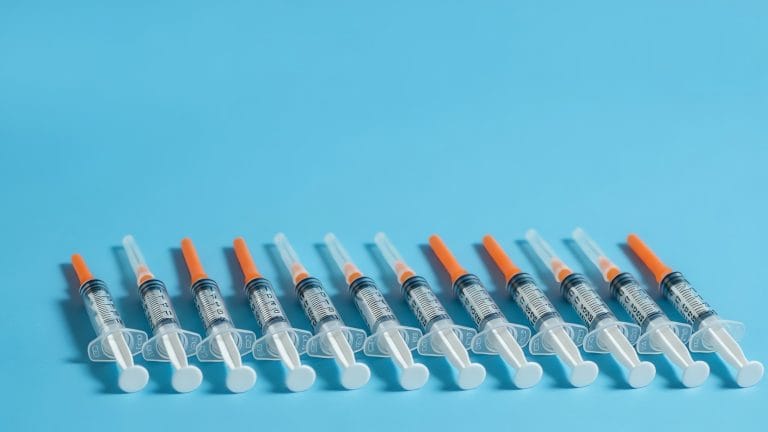
Trulicity doses per pen are simple: each pen is prefilled for one injection. That can reduce dosing confusion, but it also means you should check the strength on the carton and pen before each use. This is especially important after a dose change, a pharmacy substitution, or a supply interruption.
What to check before each injection
- Correct strength: Match the pen to your prescription.
- Injection day: Keep one regular weekly day.
- Side effects: Note nausea, diarrhea, or vomiting.
- Hydration: Watch fluid intake if appetite drops.
- Glucose risk: Track lows if using insulin or sulfonylureas.
CanadianInsulin.com functions as a prescription referral platform, and prescription details may be confirmed with the prescriber where required. That access context does not replace clinical dosing guidance from your own healthcare professional.
When to Discuss a Dose Increase
You may need to discuss a dose increase when blood glucose or A1C remains above target after consistent weekly use, and side effects are stable. The decision is not based on weight alone. It should account for diabetes goals, tolerability, medication interactions, and your overall health status.
People often search for when to increase Trulicity dose because the schedule can feel slow. The cautious approach has a purpose. Gastrointestinal effects often appear early or after increases, and rapid escalation may make them harder to manage. If you are still having frequent nausea, vomiting, poor fluid intake, or diarrhea, your clinician may delay or avoid an increase.
It is also important to review medicines that can cause low blood sugar. Trulicity alone has a lower hypoglycemia risk than insulin, but that risk can rise when it is combined with insulin or sulfonylureas. Your clinician may adjust other medicines rather than only changing the GLP-1 dose.
Before an appointment, bring a short log. Include injection dates, missed doses, fasting and post-meal glucose readings if you monitor them, appetite changes, weight trends, and side effects. For practical dose-response planning, Trulicity Weight Loss Tips discusses habits that can support tolerability and tracking.
Weight Change Expectations and Tracking
Weight loss with Trulicity varies widely, and some people do not lose much weight. Appetite reduction, slower gastric emptying, smaller portions, and improved food choices can all influence the result. Dose strength is only one part of the picture.
Search interest around what is the average weight loss with Trulicity often reflects a practical concern: whether a higher dose is worth considering. Averages from studies can be useful for context, but they do not predict an individual response. Starting weight, eating pattern, activity, other diabetes medicines, and side effects can all change the outcome.
If your clinician is monitoring Trulicity dosage for weight loss as a secondary goal, use trend data rather than single weigh-ins. Weigh at a consistent time, such as once weekly in the morning. Record waist measurement or clothing fit only if that feels helpful and not stressful.
This calculator can help estimate general weight-change progress toward a goal. It is a tracking aid only and does not recommend medication doses or predict individual results.
Weight-Loss Progress Calculator
Track percentage body-weight change and progress toward a target weight.
These calculations are for education only and do not replace clinical advice, diagnosis, or treatment. Always confirm medical decisions with a qualified healthcare professional.
For broader context on dulaglutide and body-weight changes, see Trulicity and Weight Loss. If your main focus is lifestyle support while using a GLP-1 medicine, the Weight Management collection may help you explore related nutrition and behavior topics.
Side Effects That Can Shape Dose Decisions
Side effects often determine whether a dose can be increased or whether a lower strength is more appropriate. Common effects include nausea, diarrhea, vomiting, abdominal discomfort, reduced appetite, and indigestion. These may improve with time, but they can recur after a dose increase.
Higher strengths, such as the 3 mg dose or 4.5 mg dose, may be harder to tolerate for some people. That does not mean they are unsafe for everyone. It means the decision should be individualized, especially for people with kidney disease risk, dehydration risk, gallbladder history, or other gastrointestinal conditions.
Seek urgent medical help for severe or persistent abdominal pain, especially if it spreads to the back or comes with vomiting. Also seek care for signs of dehydration, fainting, confusion, or repeated low blood sugar. These symptoms need prompt assessment rather than home troubleshooting.
Quick tip: Smaller meals and slower eating may reduce digestive discomfort during titration.
Trulicity has a boxed warning about thyroid C-cell tumors based on animal studies, and it should not be used in people with certain personal or family histories listed in the prescribing information. Your clinician can review whether this warning applies to you.
How It Compares With Related GLP-1 Options
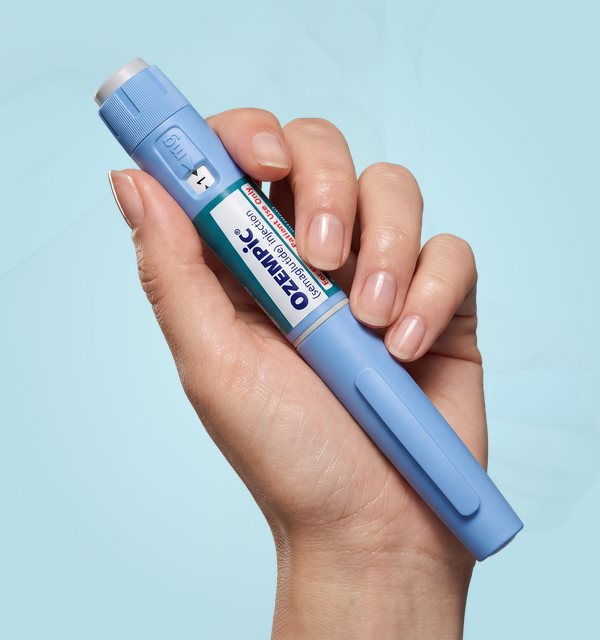
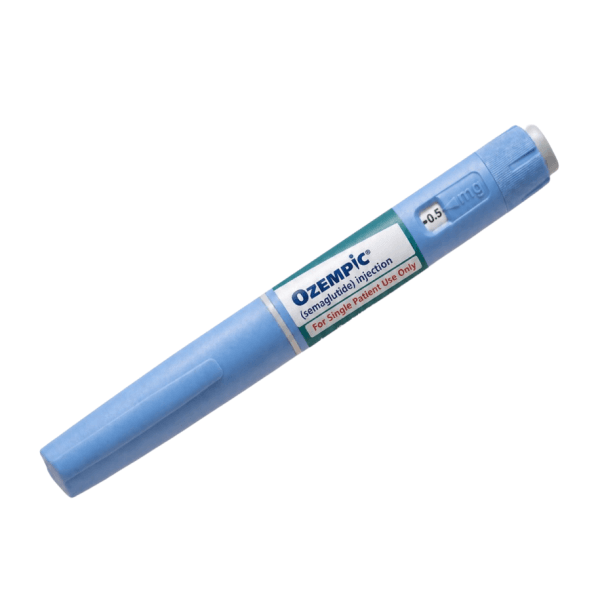
Trulicity and Ozempic are both GLP-1 receptor agonists, but they are not interchangeable without prescriber direction. They have different active ingredients, dosing schedules, titration steps, pen systems, and approved uses. Individual tolerability can also differ.
People comparing Trulicity vs Ozempic usually want to understand glucose control, weight effects, side effects, and practical access. Avoid assuming that one person’s online review predicts your outcome. Reviews may reflect different doses, medical histories, diet changes, and use alongside other diabetes medicines.
If goals are not being met, your clinician may review several options. These can include staying at the same dose longer, adjusting another diabetes medicine, changing lifestyle targets, or considering another therapy. For a structured comparison, read Trulicity vs. Ozempic.
People with type 2 diabetes may also want broader disease context. The Type 2 Diabetes collection gathers related educational resources, while the Type 2 Diabetes condition page is a browsable condition hub.
Availability, Missed Doses, and Access Planning
Availability can affect dosing continuity, especially when higher-strength pens are in demand. If a prescribed strength is unavailable, do not combine pens, split doses, or improvise a substitute unless your prescriber gives clear instructions. Fixed-dose pens are designed for one use.
Ask your care team what to do if you miss a dose, run into a refill delay, or cannot locate the prescribed strength. The official label gives specific missed-dose instructions, but your plan may also depend on glucose readings, other medications, and how long the interruption lasts.
Some patients explore cash-pay options or cross-border fulfillment depending on eligibility and jurisdiction. Dispensing and fulfillment, where permitted, are handled by licensed third-party pharmacies. Keep this separate from clinical decisions: access planning should support the prescription your clinician has already chosen.
If you are reviewing product-specific navigation, the Trulicity Pens page can help identify the relevant item listing. For a broader browse path, the Diabetes Products category lists diabetes-related product pages.
Practical Monitoring Before Your Next Visit
A simple monitoring routine can make follow-up visits more useful. It helps your clinician judge whether the current dose is effective, tolerated, and still aligned with your treatment goals.
Use a weekly log rather than relying on memory. Include injection day, dose strength, missed doses, side effects, weight trend, and glucose readings if you check them. Add notes about meal changes, illness, alcohol intake, or new medicines, since these can affect both blood glucose and digestion.
If weight change is a goal, ask how it should be weighed against A1C, glucose range, and side effects. A dose that causes poor intake, dehydration, or persistent vomiting is not a successful plan, even if the scale changes. A dietitian may help if eating patterns become restrictive, protein intake drops, or you are unsure how to manage nausea while maintaining nutrition.
Authoritative Sources
For official labeled dosing, warnings, and pen strengths, review the FDA-approved prescribing information for Trulicity.
For manufacturer patient instructions on pen use and weekly administration, see Lilly’s Trulicity how-to-use information.
For general diabetes treatment standards and medication context, consult the American Diabetes Association Standards of Care.
Recap
Trulicity dosage is a weekly, stepwise process that balances glycemic response, tolerability, and safety. The available strengths range from 0.75 mg to 4.5 mg once weekly, with increases considered only when clinically appropriate. Weight change may happen, but it should be interpreted alongside glucose results, nutrition, side effects, and your overall care plan.
Bring a concise log to follow-up visits and ask how dose decisions should be made for your situation. Do not change, combine, or skip doses to manage weight or supply issues without prescriber guidance.
This content is for informational purposes only and is not a substitute for professional medical advice.