
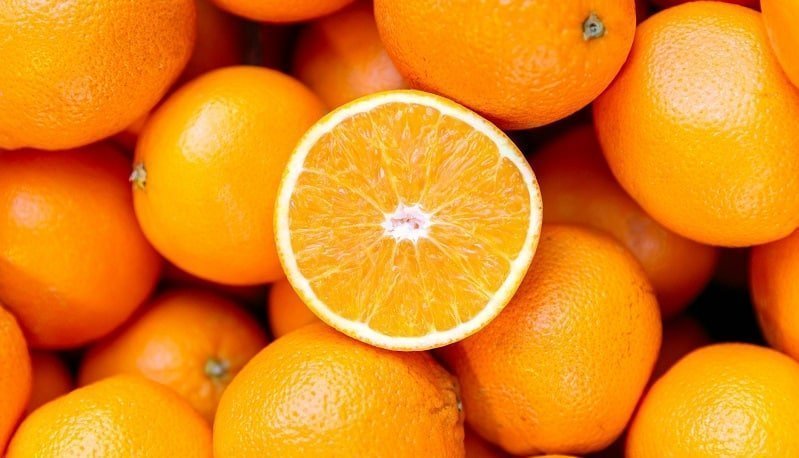
Whole oranges can fit into many diabetes meal plans when the portion matches your carbohydrate target. The key issue with oranges and diabetes is not whether the fruit is automatically “good” or “bad,” but how much you eat, what you eat it with, and how your glucose responds afterward. Juice is different because it removes much of the fiber and can raise blood sugar faster.
Most people get a more predictable response from a small or medium whole orange than from orange juice. Still, glucose patterns vary. A meter or continuous glucose monitor (CGM) can show whether your serving size, timing, and meal pairing work for you.
Key Takeaways
- Whole fruit first: Oranges contain fiber, water, and micronutrients.
- Portion matters: One small to medium orange is a practical starting point.
- Juice acts faster: Orange juice may raise glucose more quickly than whole fruit.
- Pairing helps: Protein or fat may slow digestion and soften glucose peaks.
- Personal response varies: Test, log, and review patterns with your care team.
How Oranges Affect Blood Sugar
Oranges affect blood sugar because they contain natural carbohydrate, mainly sugars packaged with water, fiber, and plant compounds. That combination usually produces a slower rise than many refined carbohydrates. The fiber in whole orange segments slows digestion, while the fruit’s high water content adds volume without adding a large calorie load.
The glycemic index (GI) is one way to describe how quickly a carbohydrate-containing food may raise glucose. Whole oranges are generally considered low to moderate on the GI scale, but GI is not a complete meal-planning tool. It does not fully account for portion size, what else is eaten, medication timing, or individual insulin sensitivity. For broader fruit comparisons, see Low GI Fruits.
Glycemic load can be more useful because it considers both the carbohydrate amount and the GI value. A large orange has more total carbohydrate than a small orange, even if the GI is similar. That is why two oranges may affect glucose differently than one orange.
Why it matters: The same fruit can have different effects depending on serving size and meal context.
Portion Size: How Many Oranges Make Sense?
For many adults, one small to medium orange is a reasonable first serving to test. Many diabetes meal plans count one fruit serving as about 15 grams of carbohydrate, although actual orange size varies. If you count carbohydrates, include the orange within the meal or snack total instead of treating it as “free” food.
People often ask how many oranges a person with diabetes can eat per day. There is no universal number. A practical approach is to start with one serving, check your post-meal glucose, and adjust based on your target range. If a second serving fits your carbohydrate plan, spacing it away from the first serving may make glucose patterns easier to interpret.
Use serving size rather than fruit category alone. A small orange, a large navel orange, and several mandarins can contribute different carbohydrate amounts. If you are unsure, measure or weigh a few typical servings until your estimates become more consistent. For more fruit-planning context, compare oranges with other options in What Fruits Are Good For Diabetics.
This calculator can help estimate carbohydrate servings from a label or measured portion. It does not replace individualized carbohydrate targets from a clinician or registered dietitian.
Carb Serving Calculator
Convert total carbohydrate grams into carb choices for meal planning and diabetes education.
These calculations are for education only and do not replace clinical advice, diagnosis, or treatment. Always confirm medical decisions with a qualified healthcare professional.
What to check after eating an orange
- Starting glucose: Note the reading before eating.
- Portion size: Record small, medium, large, or grams.
- Meal pairing: Write down protein, fat, and starches.
- Timing: Check the post-meal pattern your clinician recommends.
- Activity: Note walking, exercise, or prolonged sitting.
Whole Oranges vs Orange Juice
Whole oranges and orange juice can have very different glucose effects. Juice removes much of the fruit structure and fiber, which can speed absorption. It is also easy to drink the carbohydrate from several oranges in a few minutes.
That is why orange juice is usually less predictable for daily blood sugar management than whole fruit. Even orange juice with pulp may not behave like a whole orange, because the fruit has been processed and the liquid is absorbed quickly. If you are deciding whether juice fits your plan, review Orange Juice And Diabetes for a more focused discussion.
How quickly will orange juice raise blood sugar? For many people, the rise can start within minutes and may be noticeable during the first hour after drinking it. The exact pattern depends on the amount, whether food is eaten with it, medications, activity, and baseline glucose. Whole orange segments usually take longer to digest than juice, so the rise may be slower and less sharp.
Some people use fast-acting carbohydrate for hypoglycemia (low blood sugar) according to their care plan. That is a different situation from drinking juice as a routine beverage. If you have repeated lows, severe lows, or uncertainty about treating lows, ask your diabetes clinician for specific instructions.
Timing and Pairing: Breakfast, Night, and Snacks
You can eat an orange at night if it fits your meal plan and glucose target. The timing itself is not the only issue. Bedtime glucose, medication effects, evening activity, and the rest of the snack all matter.
If an orange alone causes a sharper rise, pairing it may help. Nuts, plain Greek yogurt, cottage cheese, or an egg add protein or fat, which can slow gastric emptying. This does not cancel the carbohydrate, but it may make the rise more gradual for some people. If you need broader meal ideas, Best Fruits For Diabetics discusses fruit choices in the context of balanced eating.
Breakfast can be more challenging for some people because insulin resistance may be higher in the morning. If orange juice or a large fruit serving at breakfast leads to high readings, consider a smaller portion or a whole orange paired with protein. Avoid making medication changes on your own; repeated highs should be reviewed with your care team.
Quick tip: Test one variable at a time, such as portion size or pairing.
When to Limit or Avoid Oranges
Some people may need to limit oranges temporarily or choose a different fruit portion. This can include times when blood glucose is already above your target, when you are managing delayed stomach emptying, or when your clinician has given specific carbohydrate limits. People with kidney disease, pregnancy-related diabetes, eating disorders, or frequent medication-related lows should ask for individualized nutrition guidance.
Oranges are acidic, so they may also worsen reflux or mouth irritation in some people. This is not specific to diabetes, but it can affect comfort and food choices. If citrus bothers your stomach, a lower-acid fruit may be easier to tolerate.
People sometimes compare oranges and bananas. Both can fit into some diabetes plans, but portion size differs. A small orange and a large banana are not the same carbohydrate serving. Apples, berries, pears, bananas, and citrus can all be reasonable choices when the portion and meal context fit. For a wider discussion of fruit benefits, see Fruit Benefits For Diabetes.
Mandarins, Clementines, and Other Citrus Choices
Mandarins and clementines can be convenient because they are smaller and easy to portion. The main caution is quantity. It is easy to eat several small fruits without noticing the total carbohydrate.
Start by treating one small mandarin or clementine as a test portion, then compare your glucose response with your usual orange serving. If you eat two or three, count the total carbohydrate rather than thinking of each piece as negligible. This helps keep oranges and diabetes planning practical rather than overly restrictive.
Grapefruit deserves separate caution because it can interact with some medications. If you take cholesterol medicines, blood pressure medicines, transplant medicines, or other long-term therapies, ask a pharmacist or clinician before adding grapefruit regularly. This interaction warning does not apply to oranges in the same way, but medication review is still wise when diet changes are frequent.
How Oranges Compare With Other Fruits
No single fruit is best for every person with diabetes. The better question is which fruit portion gives you steady readings, good satisfaction, and useful nutrients. Water-rich whole fruits with fiber often work better than dried fruit or juice, because dried and juiced forms concentrate carbohydrate and are easier to overconsume.
Apples and oranges are both common choices. Apples contain soluble fiber and are easy to slice into smaller portions. Oranges provide vitamin C and fluid, but peeling and segment size can make portions less exact. Neither fruit wins for everyone. Your glucose pattern after a typical serving is more useful than a general ranking.
If you want to build a weekly plan, rotate fruits rather than relying on one option. Berries, apples, pears, citrus, and melon can all appear in diabetes-friendly meals when portions are planned. The Diabetes Article Collection includes additional nutrition and glucose-management topics, while the Diabetes Condition Collection can help readers browse diabetes-related resources.
Practical Steps for Safer Fruit Planning
Oranges and diabetes management becomes easier when you use a repeatable method. You do not need to avoid fruit automatically, but you do need to account for the carbohydrate. A simple plan can reduce guesswork.
- Choose whole fruit: Prefer orange segments over juice most days.
- Start small: Use one small or medium orange first.
- Count carbohydrates: Include fruit in the meal total.
- Add balance: Pair fruit with protein or fat when helpful.
- Track patterns: Compare readings after similar portions.
- Review exceptions: Ask for guidance during pregnancy, kidney disease, or frequent lows.
If you use insulin or medicines that can cause hypoglycemia, fruit planning should match your prescribed regimen. Do not change medication timing or dose because of a fruit serving without clinical guidance. If you see repeated readings above or below your target range, bring your food log and glucose data to your clinician or registered dietitian.
Authoritative Sources
Major diabetes organizations generally support whole fruit as part of balanced eating when portions fit the person’s carbohydrate plan. The American Diabetes Association fruit guidance explains how fruit can fit with label reading and meal planning.
For broader diabetes lifestyle guidance, the NIDDK healthy living resource discusses food, physical activity, medicines, and monitoring as connected parts of diabetes care.
For nutrient details and standard food composition data, the USDA FoodData Central database can help compare orange sizes, juice portions, and carbohydrate amounts.
Recap
Whole oranges can be a reasonable fruit choice for many people with diabetes when portions are measured, counted, and tested. Orange juice is more likely to raise glucose quickly because it lacks the structure and fiber of whole fruit. Start with a small serving, pair it when needed, and use your glucose data to guide future choices.
For related reading, compare fruit options in Low GI Fruits or review beverage-specific considerations in Orange Juice And Diabetes.
This content is for informational purposes only and is not a substitute for professional medical advice.


