
Running short on insulin can disrupt routines and increase risk. Knowing when to order insulin helps you refill on time, avoid gaps, and keep doses consistent. This guide explains practical timing, buffer stock, storage limits, and access options, so you can plan refills with fewer surprises.
Key Takeaways
- Refill timing basics: refill at 20–30% remaining, not at empty.
- Build a buffer: aim for 1–2 weeks of safe backup stock.
- Mind stability: opened and unrefrigerated insulin has limited viability.
- Match access: coordinate retail, mail‑order, or OTC to your timing.
When to Order Insulin: Refill Timing and Safety
Refill before you run low. A practical rule is to reorder when 20–30% of your current supply remains. This cushion covers delays, travel, and unexpected dose adjustments. It also prevents rushed pharmacy visits that increase the chance of errors or missed doses.
Track usage with simple signals. Mark pen or vial start dates, set calendar reminders, or use a refill app. If your dosage changes after a clinic visit, recalculate your timeline immediately. Recheck expiration dates whenever you open a new box, since carton dates may differ across lots.
How to Calculate Your Ongoing Supply Needs
Start with a daily total. Add basal insulin (long-acting) and bolus insulin (mealtime/rapid-acting). Multiply by the number of days until your next planned refill plus a safety buffer of 7–14 days. For example, 50 units/day for 30 days plus 10 days buffer equals 2,000 units. Round up to whole vials, pens, or cartridges.
Account for variability. Illness, steroids, or new activity can change insulin needs. If you routinely adjust doses, pad your estimate further. For learners comparing insulin types, see Different Types of Insulin for basal–bolus distinctions that affect monthly volume.
Storage, Expiry, and Stability Essentials
Insulin potency depends on temperature and time. Most unopened products keep until the labeled expiration when refrigerated. Once opened or kept at room temperature, each product has a specific in‑use window. Exceeding those limits can reduce effectiveness and raise variability. For practical storage thresholds and examples, review Insulin Storage 101 before setting your refill cadence.
Follow official guidance for handling. The American Diabetes Association outlines safe storage ranges and in‑use times for common formulations; see their insulin storage and handling overview. The U.S. Food and Drug Administration also summarizes key steps when storing insulin and switching products; see the FDA’s insulin storage and switching resource. These references can guide how much you keep on hand without risking waste.
Access Options: Retail, OTC, and Mail‑Order
Local pharmacies fit rapid, same‑day needs. They work well for new prescriptions, urgent dose changes, or troubleshooting insurance claims. Mail‑order suits predictable schedules and can reduce trips, but it requires longer lead time. If you are comparing channels, one helpful planning question is: where can i buy insulin over the counter. Availability and product types vary by jurisdiction and by pharmacy policy.
OTC access typically applies to specific human insulins (such as regular or NPH), not modern analogs. Pharmacies may still request a prescription under local rules. Check your state regulations and store policies in advance, and confirm what identification is required. Keep these limits in mind when you build your buffer stock plan.
Retail Details and Practical Brand Considerations
Some chains stock human insulin options that do not require a prescription in many areas. People often ask about walmart relion insulin because it is widely recognized in that category. If you use premixed human insulin, review how premix differs from analog mixes; for a clinical overview, see Premixed Insulin Overview to understand timing and coverage.
Patients on long‑acting analogs should confirm brand, strength, and device before pickup. As a reference example of a long‑acting option, see the Lantus Insulin Cartridge guide to understand device format and steady effect. Device form matters because pens, cartridges, and vials affect monthly counts and your replenishment cycle.
Ancillary Supplies: Syringes, Needles, and Cartridges
Insulin delivery supplies determine how smoothly you dose. Align needle length and gauge with your body habitus and device. For pen users, this sizing affects comfort and absorption. For a practical overview of sizing and technique, see the Insulin Pen Needles Guide before your next reorder.
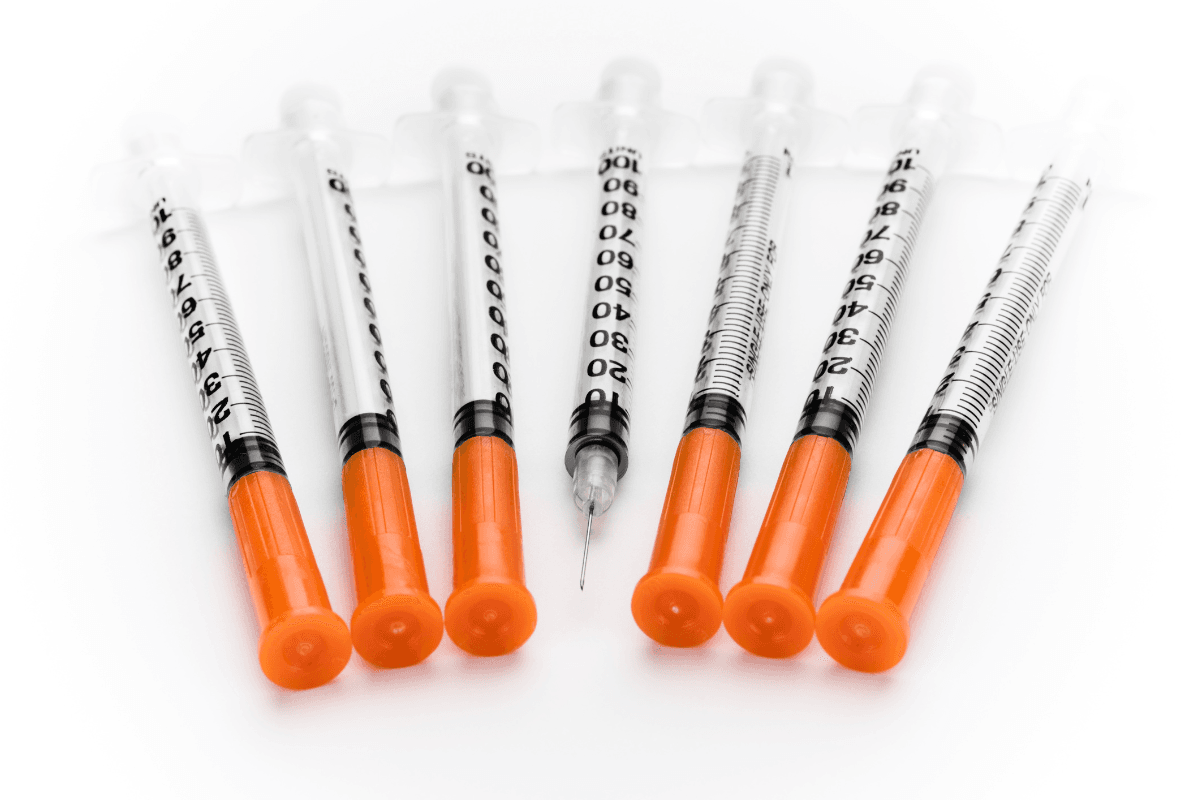
If you use vials, you may choose to buy insulin syringes online to pair with your current product. Check capacity (e.g., 0.3, 0.5, or 1 mL), unit markings, and needle length to match your dose. For a specific example, see BD Ultrafine II Syringes for common sizes and compatibility details. Cartridge users can compare formats in Insulin Cartridges Explained to plan reorder quantities correctly.
Access Channels and Timing
Lead times differ by channel and season. Plan earlier during holidays, storms, or supply disruptions. If a pharmacy must special‑order your strength or device, add days to your timeline. Patients who prefer to order insulin online should monitor shipment dates and keep a local fallback for urgent needs. Avoid waiting until your last box to start the process.
To budget for multi‑month refills, compare options across pharmacies and formulations. A structured price check can highlight savings and inform your order size. For a neutral walkthrough, see Compare Insulin Prices to understand how formulation and packaging influence total cost. Keep insurance refill limits and prior authorization timelines in mind.
Travel, Emergencies, and Backup Planning
Travel adds risk to timing. Carry more than your expected use, split supplies between bags, and bring a copy of your prescription. Consider a small cooler pack and a backup plan for delays. In case of severe hypoglycemia risk, it helps to review emergency tools; for practical steps, see Glucagon Injection Kit before you leave.
For basal insulin users, keep at least one extra device. If your routine relies on a single long‑acting product, review another long‑acting option’s device format ahead of time to reduce confusion at refill. As one example of a modern long‑acting device, see Tresiba FlexTouch Pens for capacity and pen features that influence ordering quantity.
Putting It All Together: A Simple Refill Workflow
First, calculate your daily use and add a 7–14 day buffer. Second, check in‑use limits against your storage plan to avoid waste. Third, set a reorder reminder when 20–30% of your supply remains. Finally, align the channel—retail, mail‑order, or OTC—to the lead time you can reliably manage.
Adjust this plan after any dose change. Revisit it when seasons change or during travel. Keep a small log of start dates and lot numbers. Over time, these habits reduce last‑minute scrambles and keep your dosing routine steadier.
Recap
Predictable refills start with clear math, stable storage, and realistic lead times. Build a modest buffer, monitor in‑use limits, and match the right access channel to your situation. These steps help you avoid gaps, reduce waste, and keep your therapy consistent.
Note: Dispose of expired or heat‑damaged insulin according to local guidance. When in doubt about potency or switching brands, consult a healthcare professional.
This content is for informational purposes only and is not a substitute for professional medical advice.


