
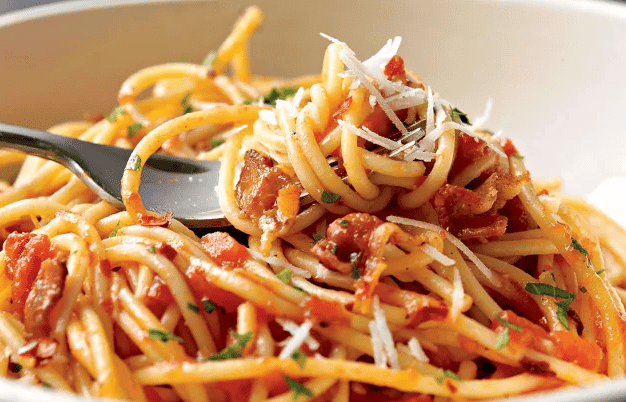
Yes, pasta for diabetics can fit into a balanced eating pattern, but the portion and plate matter as much as the noodle. Pasta is a concentrated carbohydrate food, so large servings can raise blood sugar more than many people expect. The better question is not whether pasta is banned. It is how to choose the noodle, sauce, serving size, and side foods so the meal is easier to manage.
Why this matters: a bowl of spaghetti can look simple while containing several carbohydrate servings. Sauce, bread, sweet drinks, cheese, and restaurant portions can all change the glucose impact. People using insulin or medicines that can cause hypoglycemia should review carb targets with their clinician or registered dietitian before making major meal changes.
Key Takeaways
- Pasta is not automatically off-limits with diabetes.
- Total carbohydrate usually matters more than noodle marketing claims.
- Higher-fiber and higher-protein noodles may help some people feel fuller.
- Sauce labels can hide added sugar, sodium, and saturated fat.
- Your after-meal glucose pattern is useful feedback.
Can Diabetics Eat Pasta Without Spiking Blood Sugar?
Many people with diabetes can eat pasta, but the response depends on the meal and the person. Pasta contains starch, a carbohydrate that breaks down into glucose during digestion. That does not make it a forbidden food. It means the serving size, fiber, protein, fat, and timing of the meal all affect the result.
A small measured serving with vegetables and protein may behave very differently from a large restaurant bowl with garlic bread. Activity level, medication timing, stress, sleep, illness, and insulin resistance can also change your after-meal reading. This is why two people can eat the same pasta dish and see different glucose patterns.
It helps to think of pasta as one part of the meal, not the main event. Non-starchy vegetables add volume with fewer digestible carbohydrates. Protein foods such as fish, chicken, tofu, eggs, beans, or lean meat can improve fullness. A moderate amount of fat may slow digestion, although heavy cream sauces and large cheese portions can add extra calories and saturated fat.
For broader meal planning context, review Food For Diabetics. If you want a closer look at carbohydrate quality, Good Carbs For Diabetics explains why fiber, portions, and food structure matter.
Why it matters: The same pasta serving can affect two glucose patterns differently.
Smarter Noodles: What To Compare First
The best pasta for diabetics is usually the one you can portion consistently and pair with a balanced plate. No noodle is perfect for everyone. A product can be high in fiber, low in net carbs, or made from legumes and still require label reading.
Start with the Nutrition Facts panel. Compare total carbohydrate, fiber, protein, calories, and the listed serving size. Some packages use small serving sizes that look better on the label than they do in a real bowl. If you count carbohydrates, total carbohydrate is usually the main number to review unless your care team has taught you a different method.
Whole wheat pasta for diabetics can be a practical first swap. It keeps a familiar texture while adding more fiber than many refined white pastas. That extra fiber may improve fullness, but the meal still contains carbohydrate. Whole grain does not mean unlimited.
Chickpea pasta for diabetics and lentil pasta for diabetics can also be useful options. Many legume-based products contain more protein and fiber than refined pasta. Texture, taste, and carbohydrate totals vary by brand, so compare labels rather than relying on the front of the package.
Low carb pasta for diabetics may include shirataki noodles, zucchini noodles, spaghetti squash, or other vegetable-based substitutes. These options can lower the carbohydrate load and add volume. They also taste and feel different from traditional pasta, which matters if the meal needs to be sustainable. A blended bowl can be easier: try a smaller portion of regular spaghetti mixed with zucchini noodles or vegetables.
How Glycemic Index Fits In
Glycemic index describes how quickly a carbohydrate food may raise blood glucose compared with a reference food. It can be useful, but it does not replace portion control. A low glycemic index food can still raise blood sugar if the serving is large enough. For a plain-language overview, see Glycemic Index In Diabetes.
| Noodle Choice | Why It May Help | What To Check |
|---|---|---|
| Refined white pasta | Familiar texture and easy access | Lower fiber and easy-to-overserve portions |
| Whole wheat pasta | More fiber than many refined pastas | Total carbohydrate and serving size |
| Chickpea or lentil pasta | Often higher in protein and fiber | Brand differences in carbs and texture |
| Shirataki noodles | Very low digestible carbohydrate in many products | Taste, texture, sodium, and sauce balance |
| Zucchini noodles | Low-carb volume and extra vegetables | Lower protein unless paired with other foods |
Portion Size Changes the Whole Meal
Pasta serving size for diabetics is not one fixed number for everyone. Your usual carbohydrate target, medications, activity, kidney health, weight goals, and glucose pattern all matter. The package serving size is a better starting point than a restaurant plate, which may contain several servings.
Measure cooked or dry pasta the same way each time, at least while you are learning your response. Eyeballing is often generous. If you use a blood glucose meter or continuous glucose monitor, compare similar meals under similar conditions. A repeated rise one to two hours after pasta may suggest the portion, sauce, sides, or timing needs review.
A simple plate structure can help. Fill half the plate with non-starchy vegetables such as spinach, broccoli, mushrooms, peppers, salad greens, or zucchini. Add a protein food. Then add the pasta portion you planned. This keeps pasta in the meal without making it the whole meal.
You can also estimate carbohydrate servings from a label. The tool below can help with general math by dividing total carbohydrate by a chosen carb-serving target. It does not set your personal carb goal or replace clinical guidance.
Carb Serving Calculator
Convert total carbohydrate grams into carb choices for meal planning and diabetes education.
These calculations are for education only and do not replace clinical advice, diagnosis, or treatment. Always confirm medical decisions with a qualified healthcare professional.
If you are making wider changes to your eating pattern, High-Fiber Foods For Diabetics may help you build meals that feel more filling. Fiber-rich foods can also make pasta portions feel less restrictive when added through vegetables, beans, lentils, and whole grains.
Quick tip: Measure pasta before serving, then add vegetables for extra volume.
Sauce, Sides, and Restaurant Plates Matter
Pasta sauce for diabetics should be judged by the full label, not by the color of the sauce. Tomato-based sauces can work well, but some jarred versions contain added sugar and high sodium. Cream sauces may be lower in sugar but higher in saturated fat and calories. Pesto can fit in small amounts, yet it is energy-dense.
Look for sauces that support the plate rather than dominate it. Tomato sauce with mushrooms, peppers, spinach, onions, eggplant, or beans can increase volume and fiber. A meat sauce can add protein, but the type and amount of meat affect saturated fat. Olive-oil-based sauces can be satisfying, but portions still matter because oil is calorie-dense.
Side foods often explain unexpected glucose rises. Bread, sweet tea, regular soda, dessert, and large fruit juice servings can add as much carbohydrate as the pasta itself. If you want bread, consider whether the pasta portion should be smaller. If you choose a sweet drink, the meal becomes much harder to balance.
Restaurant meals need extra caution because portions are often larger than home servings. Ask for sauce on the side when practical. Split an entree, box part before eating, or add a salad with dressing on the side. These choices may change the meal more than switching from one pasta shape to another.
For label comparisons, Navigating Food Labels explains serving size, total carbohydrate, added sugar, and sodium in a diabetes context.
Asian Noodles, Cold Pasta, and Other Common Questions
Asian-style noodles follow the same principles as Italian pasta. Rice noodles, ramen, udon, soba, glass noodles, and stir-fried noodle dishes can all contain significant carbohydrate. The noodle type matters, but the serving size, broth, sauce, vegetables, and protein often matter just as much.
Soba can be confusing. Some products contain a meaningful amount of buckwheat, while others are mostly refined wheat flour. Rice noodles can fit occasionally for some people, but they are still a concentrated starch. Ramen bowls may also bring salty broth, large portions, and sweet or oily sauces.
Build these meals the same way you would build spaghetti. Add vegetables first. Include tofu, egg, fish, chicken, seafood, or another protein. Keep sweet glazes and thick sauces moderate. If the bowl is mostly noodles, the carbohydrate load may climb quickly.
Is Cold Pasta Better?
Cooling cooked pasta can increase resistant starch, which is starch that resists digestion to some degree. This may blunt the glucose response for some people, but it is not a guarantee. Portion size still matters, and reheated or cold pasta can still raise blood sugar. Treat cold pasta as a possible strategy to test, not a rule that makes pasta unlimited.
Are Diabetic Pasta Recipes Necessary?
Special diabetic pasta recipes are not required. Many regular recipes can be adjusted by using a measured pasta portion, adding vegetables, choosing a simpler sauce, and including protein. For example, try whole wheat spaghetti with marinara, spinach, and turkey or tofu. Another option is chickpea pasta with roasted vegetables and a small amount of olive oil.
When Pasta Keeps Raising Your Blood Sugar
If pasta meals repeatedly raise your blood sugar above your target range, review the whole pattern before blaming one ingredient. Look at the portion, sauce, sides, drinks, activity level, stress, illness, and medication timing. A high reading after one meal does not prove pasta can never fit again. Repeated patterns deserve more attention.
Talk with a clinician or registered dietitian if you keep seeing high readings after similar meals. This is especially important if you use insulin or sulfonylureas, have frequent lows, are pregnant, have kidney disease, have gastroparesis, or have a history of disordered eating. In those situations, carbohydrate changes may need closer supervision.
Also seek medical guidance if high readings come with symptoms such as unusual thirst, frequent urination, vomiting, confusion, weakness, or signs of dehydration. Nutrition changes can help many people, but they should not delay care when symptoms are concerning.
CanadianInsulin.com is a prescription referral platform, and prescription details may be confirmed with a prescriber when required. That service context is separate from nutrition education, which should be individualized with your healthcare team when glucose patterns are changing.
Authoritative Sources
- For healthy eating basics, see the CDC diabetes healthy eating resource.
- For food and nutrition education, review the American Diabetes Association nutrition guidance.
- For broader diabetes lifestyle guidance, visit NIDDK healthy living with diabetes.
Pasta does not need to disappear after a diabetes diagnosis. Smarter noodles, measured portions, simpler sauces, and attention to your own after-meal pattern can make pasta easier to fit into a balanced routine.
This content is for informational purposes only and is not a substitute for professional medical advice.


