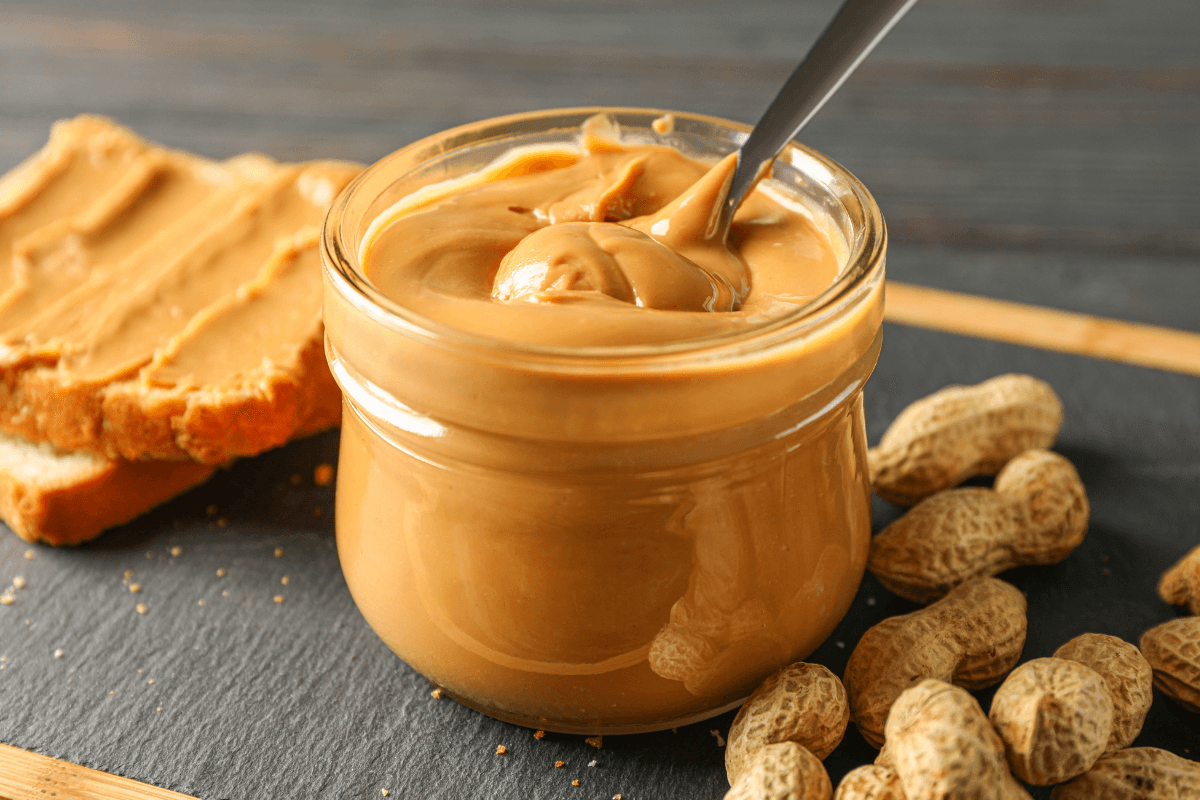
For many adults, peanut butter and diabetes can fit together when portions, ingredients, and meal context are considered. Plain peanut butter is usually low in carbohydrate, but it is calorie-dense and often eaten with higher-carb foods. The main task is not deciding whether it is “good” or “bad.” It is choosing a product with fewer added sugars, measuring a realistic portion, and watching your own glucose response.
This matters because peanut butter can look simple on the label, yet products vary widely. Some include added sugars, sweet coatings, hydrogenated oils, or high sodium. Your blood sugar response also depends on what you eat with it, your medications, activity, and overall meal pattern.
Key Takeaways
- Plain peanut butter is usually a lower-carbohydrate spread.
- Portion size matters because it is high in calories and fat.
- Added sugars and sweetened products can raise carbohydrate intake.
- No single snack reliably lowers blood sugar or A1C.
- Ask for dietitian guidance if you have repeated highs or lows.
Peanut Butter and Diabetes: Blood Sugar Basics
Peanut butter affects blood sugar differently from bread, candy, juice, or other fast-digesting carbohydrates. It contains mostly fat, some protein, and a smaller amount of carbohydrate. That mix may slow digestion for some meals, but it does not make peanut butter a treatment for high glucose.
The glycemic index (GI, a ranking of how carbohydrate-containing foods tend to affect blood glucose) is often used to describe food effects. Plain peanut butter is generally considered a lower-GI food because it contains limited digestible carbohydrate. Still, GI is only one clue. Serving size, the food paired with it, and your own glucose pattern matter more in daily life.
For example, a measured spoonful on a small apple may affect glucose differently than a thick layer on sweet white bread. A peanut butter dessert bar is different again. The spread may be similar, but the total carbohydrate load changes.
Why it matters: A low-carb spread can still become a high-carb snack when paired with sweet or refined foods.
People using insulin or medicines that can cause hypoglycemia should be especially careful. Peanut butter is not a fast treatment for low blood sugar because fat can slow absorption. If you need a refresher on low glucose treatment basics, see Managing Hypoglycemia.
What To Check On The Jar
The ingredient list tells you more than front-label claims. “Natural,” “no stir,” “reduced fat,” and “protein” versions can all differ. Start with the nutrition facts panel, then confirm the ingredients. The goal is a spread that fits your carbohydrate, sodium, calorie, and heart-health needs.
Shorter ingredient lists are often easier to interpret. Many plain products contain peanuts and salt, or just peanuts. Other jars add sugar, molasses, honey, palm oil, or other stabilizers. These additions are not automatically unsafe, but they can shift the nutrition profile.
Compare these label details before choosing:
- Serving size: check whether it matches your actual spoonful.
- Total carbohydrate: include sugar and starch in the count.
- Added sugars: watch sweetened and flavored varieties.
- Sodium: compare salted and unsalted options.
- Saturated fat: note added oils and product type.
- Calories: remember that small portions can be energy-dense.
If label reading feels confusing, Food Labels With Diabetes walks through nutrition facts, ingredient lists, and serving sizes in more detail.
When people search for the best peanut butter for diabetics, they often mean a product with less added sugar and a predictable serving size. That is a reasonable starting point, but it is not the whole decision. Taste, allergies, sodium limits, weight goals, and glucose readings also matter.
Portions, Pairings, and Your Glucose Response
Portion size is the most common place where peanut butter and diabetes planning gets tricky. Peanut butter is dense. A rounded spoonful can easily exceed the measured serving on the label. Measuring once or twice at home can help you learn what a serving looks like on your usual spoon, toast, or apple slices.
If you count carbohydrates, use the label from the exact jar you eat. Different products can vary. Pairings also change the meal. Crackers, bread, bananas, oatmeal, smoothies, and snack bars can add more carbohydrate than the peanut butter itself.
If you count carbohydrate servings, a simple calculator can help convert label carbohydrates into a serving estimate. It is a math aid, not a clinical target.
Carb Serving Calculator
Convert total carbohydrate grams into carb choices for meal planning and diabetes education.
These calculations are for education only and do not replace clinical advice, diagnosis, or treatment. Always confirm medical decisions with a qualified healthcare professional.
For many people, a practical snack pairs fiber, protein, and fat with a measured carbohydrate source. Examples might include apple slices with a thin spread, celery with peanut butter, or whole-grain toast with a measured amount. These are examples, not rules. Your glucose meter or continuous glucose monitor can show how your body responds.
Check patterns rather than single readings. One higher reading after a snack may reflect the food, timing, stress, illness, sleep, or recent activity. Repeated patterns are more useful. If you see frequent high or low readings, bring those records to your clinician or registered dietitian.
For broader snack planning, Healthy Snacking covers general snack structure. You can also compare fiber-rich options in High-Fiber Foods.
A1C, Bedtime Snacks, and Common Claims
Peanut butter does not directly lower A1C in the way a prescribed medicine can. A1C reflects average blood glucose over roughly the past two to three months. A single food can influence meals, but the larger pattern matters more. This includes total carbohydrate intake, medication use, activity, sleep, illness, and consistency.
A realistic view of peanut butter and diabetes avoids two extremes. It is not a forbidden food for most people. It is also not a shortcut for lowering glucose. Think of it as one possible ingredient in a balanced eating pattern.
Does peanut butter raise blood sugar?
Plain peanut butter may cause a smaller rise than many higher-carbohydrate snacks, but it can still be part of a snack that raises glucose. Sweetened spreads, peanut butter cups, cookies, and thick sandwiches can add substantial carbohydrate. The answer depends on the full snack and your individual response.
Should you eat peanut butter before bed?
There is no universal bedtime trick for diabetes. Some people are advised to use a bedtime snack because of medication timing, exercise, or overnight lows. Others may not need one. Peanut butter before bed can add calories and fat, and it may not prevent nocturnal hypoglycemia. If overnight lows or morning highs happen often, ask your care team to review your medication timing, evening meals, and glucose records.
Quick tip: Track the snack, portion, time, and next morning reading together.
How Common Peanut Choices Compare
Choosing peanut products is easier when you compare the food form, not just the word “peanut.” The table below gives practical differences to check. Always use the label on your product for exact nutrition details.
| Choice | What To Notice | Diabetes Planning Point |
|---|---|---|
| Plain peanut butter | Usually peanuts, sometimes salt | Measure portions and pair thoughtfully |
| Sweetened peanut butter | May include sugar, honey, or molasses | Compare total carbohydrate and added sugars |
| Reduced-fat peanut butter | Fat may be lower, but carbs can vary | Do not assume it is more glucose-friendly |
| Powdered peanut products | Often lower in fat after processing | Check sugar, serving size, and preparation |
| Peanut snacks or desserts | May include coatings, chocolate, or refined flour | Treat as a mixed food, not plain peanuts |
Peanuts are legumes, but nutritionally they are often grouped with nuts because they contain fat, protein, and fiber. If you are comparing nut options, Best Nuts For Diabetics offers a wider overview. For individual nut discussions, see Cashews And Diabetes and Walnuts And Diabetes.
Variety can help prevent snack routines from becoming repetitive. It can also spread nutrients across the day. Peanut butter may fit one snack, while yogurt, eggs, beans, fruit, vegetables, or other nut options may fit another.
When Peanut Butter Needs Extra Caution
Some people should be more careful with peanut butter. A peanut allergy can cause serious reactions and requires strict avoidance. If you have a known allergy, do not use peanut butter as a snack option. Watch for cross-contact if your household uses peanut products.
Calorie density also matters. Peanut butter can support fullness, but extra spoonfuls can add up quickly. This may be relevant if you are working on weight, cholesterol, fatty liver, or heart-health goals. A dietitian can help you include satisfying foods without making the overall plan harder to follow.
People with advanced kidney disease may need individualized advice about potassium, phosphorus, sodium, and protein. Peanut butter may or may not fit, depending on lab results and the rest of the diet. Do not rely on general diabetes snack lists if you have kidney-related restrictions.
Gastroparesis (delayed stomach emptying) can also change the picture. Higher-fat foods may slow digestion and make glucose timing less predictable. If you have bloating, early fullness, nausea, or delayed post-meal highs, ask your clinician whether fat timing and meal size need review.
Pregnancy and gestational diabetes require tighter nutrition planning. Peanut butter may fit for some people, but carbohydrate targets and snack timing should come from the pregnancy care team. For more context, see Gestational Diabetes Diet.
Fitting Peanut Butter Into a Diabetes-Friendly Pattern
The safest way to approach peanut butter and diabetes is to place it inside the full eating pattern. Diabetes-friendly eating is not one fixed menu. It usually involves consistent carbohydrate awareness, enough protein, fiber-rich foods, unsaturated fats, and a plan that fits your culture, budget, appetite, and medications.
Peanut butter can work as a spread, dip, smoothie ingredient, or sauce base. The surrounding foods decide much of the glucose impact. Whole-grain bread, fruit, oats, vegetables, and unsweetened yogurt create different meals. Sweet breads, candy, desserts, and large portions create another pattern.
If breakfast is your hardest meal, peanut butter may help make a simple option more filling. The key is to watch the whole plate. Type 2 Diabetes Breakfast Ideas gives more examples of morning meals that consider glucose response.
A general diabetes eating plan can also help you decide where peanut butter belongs. Some people use plate-method meals. Others count carbohydrates or follow a meal plan from a dietitian. For a wider overview, read Diabetes Diet.
No article can tell you the perfect portion for every day. Your needs may change with activity, illness, medications, pregnancy, kidney function, weight goals, and appetite. If you have repeated highs or lows, unexplained weight changes, or frequent food anxiety, ask for individualized nutrition care.
Authoritative Sources
- American Diabetes Association food and nutrition guidance explains individualized eating patterns, carbohydrate awareness, and heart-healthy choices.
- NIDDK diabetes diet and activity guidance reviews meal planning, portions, and glucose management basics.
- USDA FoodData Central nutrient database provides nutrient profiles for foods, including peanut products.
Peanut butter can be part of diabetes-friendly eating for many people, but details matter. Choose a product you can understand, measure the serving, pair it with care, and use glucose patterns to guide your next discussion with your care team.
This content is for informational purposes only and is not a substitute for professional medical advice.