
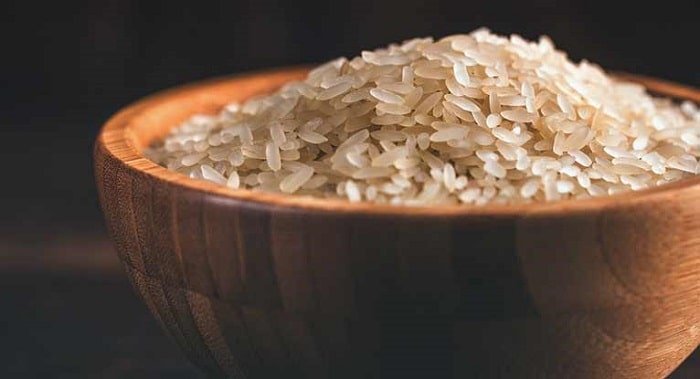
People with diabetes can eat rice, but the type, portion, cooking style, and full meal all affect blood glucose. Rice and diabetes is not a simple yes-or-no issue because rice is a starchy carbohydrate. A small serving with vegetables and protein may fit well for one person, while a larger bowl of sticky white rice may cause a sharp post-meal rise for another. The practical goal is to choose slower-digesting options when possible, measure portions, and use your own glucose patterns to guide follow-up with your care team.
Key Takeaways
- Rice is a starch, so portion size strongly affects glucose response.
- Brown, basmati, and parboiled rice may digest more slowly than sticky white rice.
- Glycemic index helps compare rice types, but glycemic load is often more practical.
- Protein, beans, vegetables, and healthy fats can make rice meals more gradual.
- Repeated highs, lows, pregnancy, kidney disease, or medication changes need professional guidance.
Rice and Diabetes: Why the Meal Matters More Than the Grain Alone
Rice affects blood sugar because most of its calories come from starch. During digestion, starch breaks down into glucose, which enters the bloodstream. This does not mean rice is forbidden. It means rice needs the same planning as bread, pasta, potatoes, tortillas, cereal, and other carbohydrate foods.
The same rice can also act differently in different meals. A bowl of plain rice eaten quickly may raise glucose faster than a smaller portion served with lentils, tofu, fish, chicken, eggs, or vegetables. Texture matters too. Very soft or sticky rice often digests faster than firmer long-grain rice.
For people using insulin or medicines that can cause low blood sugar, consistency may matter as much as the exact rice type. A meal plan that changes from a small serving one day to a large restaurant portion the next can make medication timing harder to match. If carbohydrate counting is part of your care, review Carbs and Diabetes for broader context.
Why it matters: Rice choices are easier to personalize when you judge the whole plate, not one ingredient.
Glycemic Index and Glycemic Load: What They Tell You
Glycemic index, or GI, ranks carbohydrate foods by how quickly they raise blood glucose compared with a reference food. A low-GI food is usually 55 or less, medium GI is 56 to 69, and high GI is 70 or more. Rice can fall across these ranges because variety, processing, cooking time, cooling, and serving size all change the final response.
Brown rice often has more fiber than white rice because it keeps the bran and germ. That can help slow digestion for some people. Still, brown rice and diabetes decisions should not rely on the word “brown” alone. Some brown rice varieties are softer or more processed than others, and large servings can still raise glucose.
Basmati rice can be another useful example. Long-grain basmati, including some brown basmati options, may have a lower or more moderate GI than many sticky white rices. But basmati rice and diabetes planning still depends on the amount served and what else is in the meal.
Glycemic load adds another layer. It considers both a food’s GI and the available carbohydrate in the serving. This is useful because a small serving of a higher-GI rice may affect you differently than a large serving of a lower-GI rice. For more background on this concept, see Glycemic Index in Diabetes.
This calculator can help compare glycemic load using GI, available carbohydrate, and serving count. It is a general comparison tool, not personalized diabetes advice.
Glycaemic Load Calculator
Calculate glycaemic load from glycaemic index and available carbohydrate in a serving.
These calculations are for education only and do not replace clinical advice, diagnosis, or treatment. Always confirm medical decisions with a qualified healthcare professional.
How Common Rice Choices Compare
No rice is universally best for every person with diabetes. The better question is which rice type, portion, and meal pattern keeps your post-meal readings closer to your agreed target range. The table below summarizes practical differences without ranking rice as automatically safe or unsafe.
| Rice Choice | Typical Considerations | Practical Note |
|---|---|---|
| Brown basmati or wholegrain basmati | Often firmer, higher in fiber, and less sticky than many refined rices. | May be a reasonable choice when portions are measured. |
| Brown rice | Keeps more of the grain intact, but GI varies by variety and cooking. | Useful for fiber, but not unlimited because it still contains carbohydrate. |
| White basmati rice | Long-grain structure may digest differently from short-grain sticky rice. | Pair with vegetables and protein, and keep the serving consistent. |
| Jasmine, sushi, or sticky rice | Often softer and more rapidly digested after cooking. | Consider smaller portions if these meals raise your readings. |
| Fried rice | Rice amount, oil, sodium, sauces, and added sugar vary widely. | Do not assume it is lower carb because it contains fat or protein. |
Brown rice vs white rice for diabetes is a common comparison, but the answer depends on the meal. Brown rice usually offers more fiber and minerals. White rice may still fit in smaller portions, especially when the rest of the plate slows digestion. For a deeper look at this grain, see Brown Rice and Diabetes.
Rice is also not automatically better or worse than quinoa, barley, pasta, noodles, or potatoes. Each food has its own texture, fiber content, cooking pattern, and typical serving size. If you are comparing grains, Quinoa and Diabetes explains another common option.
How Much Rice Can Fit in a Diabetes Meal Plan?
The right amount of rice depends on your carbohydrate target, medications, activity level, kidney health, appetite, and glucose pattern. There is no single daily amount that works for everyone. A person using mealtime insulin may plan differently from someone managing diabetes with lifestyle changes and non-insulin medicines.
Measuring cooked rice helps because portions are easy to underestimate. Restaurant bowls, takeout containers, and large home servings often contain more rice than expected. A smaller measured portion can still feel satisfying when the plate includes enough vegetables, protein, and flavor.
A common plate method places non-starchy vegetables on half the plate, protein on one quarter, and a carbohydrate food such as rice on the remaining quarter. This is a flexible meal-planning framework, not a strict rule. For related carbohydrate quality ideas, see Good Carbs for Diabetics.
If your clinician has advised glucose tracking, compare similar meals rather than judging one reading. For example, note the rice type, cooked amount, sauces, protein, vegetables, activity, and medication timing. Patterns over several meals are more useful than one isolated spike.
Quick tip: Measure the rice first, then build the rest of the plate around it.
Cooking and Serving Methods That May Help
You cannot make rice carbohydrate-free, but preparation can change how a meal behaves. Firmer rice usually digests more slowly than very soft or mushy rice. Avoid overcooking when texture and preference allow.
Cooling cooked rice and reheating it may increase resistant starch, a type of starch that resists digestion in the small intestine. This may modestly reduce glucose response for some people. It is not a guarantee, and food safety still matters. Cool cooked rice promptly, refrigerate it, and reheat it thoroughly according to local food-safety guidance.
Meal pairing often makes the biggest difference. Non-starchy vegetables add volume and fiber. Protein foods such as fish, chicken, tofu, eggs, yogurt, or lentils can slow digestion. Healthy fats from avocado, nuts, seeds, or olive oil may also affect the pace of glucose rise. These additions do not cancel the carbohydrate in rice, but they can make the meal more balanced.
Sauces deserve attention. Sweet chili sauce, teriyaki-style glaze, sugary marinades, and some bottled stir-fry sauces can add extra carbohydrate. Salty sauces may also matter for people watching blood pressure or kidney health. Fried rice and diabetes planning can be harder because the rice portion, oil, sodium, and sauce vary by kitchen.
Rice Swaps and Mixed-Plate Ideas
Swaps work best when they lower the total carbohydrate load or add fiber without making meals feel restrictive. You do not have to replace rice completely. Many people do better with partial swaps or mixed bowls.
- Half-and-half bowls: Mix rice with cauliflower rice or chopped vegetables.
- Bean blends: Add lentils, chickpeas, or black beans for fiber and protein.
- Grain rotation: Alternate rice with quinoa, barley, or intact oats when appropriate.
- Vegetable volume: Add cabbage, broccoli, peppers, greens, or mushrooms.
- Protein first: Include fish, tofu, eggs, poultry, lean meat, or Greek yogurt-based sides.
Culture and preference matter. Rice is a staple food in many cuisines, and removing it completely may not be realistic or necessary. A practical plan should fit your food traditions, budget, cooking skills, and treatment goals.
Fruit, milk, beans, grains, sweets, and sauces can all add carbohydrate to the same meal. This does not make them off-limits. It means the total meal matters. If you are also adjusting fruit portions, Good Carbs for Diabetics may help you think about fiber, labels, and serving size together.
Does Rice Cause Diabetes?
Rice alone does not cause diabetes. Type 2 diabetes develops through several interacting factors, including genetics, insulin resistance, physical activity, body weight changes, sleep, age, overall diet pattern, and other health conditions. Still, high intake of refined starches, including large amounts of white rice, has been associated with higher type 2 diabetes risk in some observational research.
That research needs careful interpretation. Observational studies can show patterns, but they cannot prove that one food caused diabetes in one person. Rice intake also varies by culture, income, food access, portion size, and overall dietary pattern. A small serving of white basmati rice with vegetables and fish is different from a large bowl of sticky white rice eaten alone.
No single food is the number one enemy of diabetes. Foods most likely to raise glucose quickly are often sugary drinks, sweets, refined low-fiber starches, and oversized portions. The broader eating pattern usually matters more than one ingredient. For more diabetes education, browse the Diabetes Articles collection.
When to Personalize Your Rice Plan
Personalization is important when general advice does not match your readings. If rice meals often lead to high glucose, bring specific meal details to a clinician or registered dietitian. Include the rice type, cooked amount, sauces, other foods, activity, medication timing, and glucose readings if you track them.
Extra guidance is especially important during pregnancy, with kidney disease, with gastroparesis (delayed stomach emptying), after major medication changes, or when there is a history of disordered eating. People who use insulin or medicines that can cause low blood sugar may also need consistent carbohydrate planning. Do not change medication doses based on rice intake without professional guidance.
Seek prompt medical help for severe low blood sugar symptoms, confusion, fainting, vomiting, or signs of diabetic ketoacidosis such as deep breathing, fruity-smelling breath, or marked illness. These symptoms are not food-planning problems and need urgent assessment.
A flexible rice and diabetes plan is usually more sustainable than a rigid food rule. Choose rice you enjoy, measure portions, build a balanced plate, and use your own patterns to decide what to ask next. For condition-specific navigation, you can also browse the Type 2 Diabetes Articles collection.
Authoritative Sources
- For healthy eating patterns in diabetes, see the CDC diabetes healthy eating guidance.
- For glycemic index categories, review the Diabetes Canada glycemic index guide.
- For research context on white rice intake, see the BMJ meta-analysis on white rice.
This content is for informational purposes only and is not a substitute for professional medical advice.


