
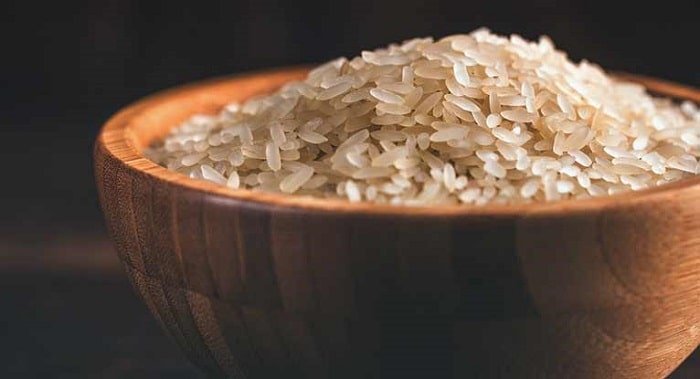
Rice and diabetes can work together, but the details matter. Rice is rich in starch, so portions, rice variety, cooking method, and the rest of the meal can change the glucose response. Brown or wholegrain basmati rice may offer more fiber than many white rices, yet no rice is automatically safe in unlimited amounts. The practical goal is to choose slower-digesting options, keep portions consistent, and review your own readings with your care team when needed.
Key Takeaways
- Rice is a starch, so portion size strongly affects glucose response.
- Brown, basmati, and parboiled options may digest more slowly than sticky white rice.
- Glycemic index helps compare foods, but meal balance and carb amount matter too.
- Protein, vegetables, beans, and healthy fats can make a rice meal more gradual.
- Repeated highs or lows need review with a clinician or registered dietitian.
Rice and Diabetes: Why Glycemic Index Is Only One Clue
Glycemic index, often shortened to GI, ranks carbohydrate foods by how quickly they raise blood glucose compared with a reference food. Low GI is generally 55 or less, medium GI is 56 to 69, and high GI is 70 or more. Rice can fall across these ranges because grain type, processing, cooking time, and serving size all change the final response.
This matters because rice is mostly starch. During digestion, starch breaks down into glucose. White rice has had much of the bran and germ removed, which usually lowers fiber. Brown rice keeps more of the grain intact, but that does not mean every brown rice has the same glucose effect. A soft, overcooked bowl may act differently from a firmer long-grain serving.
GI also does not tell the whole story. A food can have a moderate GI but still raise glucose if the portion is large. It also does not account for protein, vegetables, fat, vinegar, beans, or other foods in the same meal. If you want more background on this concept, see Glycemic Index in Diabetes.
Glycemic load combines a food’s GI with the amount of available carbohydrate in a serving. It can be more practical than GI alone because a small serving of a higher-GI rice may affect you differently than a large serving of a lower-GI rice.
This calculator can help compare glycemic load using GI, available carbohydrate, and servings. It does not replace individualized diabetes guidance.
Glycaemic Load Calculator
Calculate glycaemic load from glycaemic index and available carbohydrate in a serving.
These calculations are for education only and do not replace clinical advice, diagnosis, or treatment. Always confirm medical decisions with a qualified healthcare professional.
How Common Rice Choices Compare
The best rice choice depends on the person, the meal, and the portion. Still, some patterns can help. Long-grain, less-sticky rice often digests more slowly than short-grain sticky rice. Wholegrain varieties usually offer more fiber and texture than refined white rice. For a deeper look at one common option, see Brown Rice and Diabetes.
| Rice Choice | Typical Considerations | Practical Note |
|---|---|---|
| Brown basmati or wholegrain basmati | Often has more fiber and a firmer grain structure. | Can be a reasonable option when portions are measured. |
| Brown rice | Keeps bran and germ, but GI still varies. | Do not treat it as unlimited just because it is whole grain. |
| White basmati rice | Long-grain structure may behave differently from sticky white rice. | Pair with vegetables and protein, and keep serving size consistent. |
| Jasmine, sushi, or sticky rice | Often softer and faster-digesting after cooking. | Consider smaller portions or less frequent use if readings spike. |
| Fried rice | Portions, sauces, oils, and added ingredients vary widely. | Ask what is included and avoid assuming it is lower carb. |
Rice is not automatically better or worse than pasta. Pasta shape, cooking firmness, sauce, portion, and added protein can all change glucose response. The same is true for quinoa, barley, potatoes, bread, and noodles. For another grain comparison, see Quinoa and Diabetes.
Why it matters: The same rice variety can affect two people differently.
Portions: The Part Most People Underestimate
For rice and diabetes, the most useful portion is the one that fits your carbohydrate target, medication plan, activity level, and glucose pattern. There is no single daily amount that works for everyone. A person using insulin, a person managing diabetes with diet changes, and a person with high activity needs may all require different carbohydrate planning.
Measuring rice helps because cooked grains are easy to underestimate. Bowls, restaurant servings, and takeout containers often hold more than people expect. A smaller measured portion can still be satisfying when the rest of the plate adds volume, texture, and protein.
A balanced plate approach usually works better than judging rice alone. Many diabetes meal plans place non-starchy vegetables on half the plate, protein on one quarter, and a carbohydrate food such as rice on the remaining quarter. This structure is flexible, not a strict prescription. For broader meal-planning context, review Eating Well With Diabetes.
Helpful portion cues include using the same bowl, measuring cooked rice before serving, and noting post-meal readings when your clinician has advised tracking. If you use a continuous glucose monitor or finger-stick checks, patterns over several similar meals are more useful than one isolated reading.
Fruit, grains, beans, milk, and sweets can all add carbohydrate. This does not make them forbidden. It means the total meal matters. If you are adjusting several carbohydrate foods at once, see Fruits for Diabetes for related label and portion considerations.
Cooking and Serving Methods That May Help
You cannot make rice carb-free, but you can make the meal less likely to cause a sharp glucose rise. Start by avoiding very soft, overcooked rice when possible. Firmer grains tend to digest more slowly than mushy grains, though personal response still varies.
Cooling cooked rice and reheating it may increase resistant starch, a type of starch that resists digestion in the small intestine. This may modestly reduce glucose response for some people, but it is not a guarantee. Food safety still matters. Cool cooked rice promptly, refrigerate it, and reheat it thoroughly according to local food-safety guidance.
Pairing rice with other foods often makes the biggest difference. Non-starchy vegetables add fiber and volume. Protein foods such as fish, chicken, tofu, eggs, or lentils can slow the meal. Healthy fats from avocado, nuts, seeds, or olive oil may also change digestion speed. These additions do not erase the carbohydrate in rice, but they can make the meal more balanced.
Sauces deserve attention. Sweet sauces, large amounts of teriyaki-style glaze, and sugary marinades can add extra carbohydrate. Salty sauces may matter for people watching blood pressure or kidney health. Restaurant fried rice can be especially unpredictable because rice portion, oil, sodium, and added sugar vary by kitchen.
Quick tip: Build the meal first, then decide how much rice fits.
Does Rice Cause Diabetes?
Rice alone does not cause diabetes. Type 2 diabetes develops through several interacting factors, including genetics, insulin resistance, activity level, weight changes, sleep, age, diet pattern, and other health conditions. However, high intake of refined starches, including large amounts of white rice, has been associated with higher type 2 diabetes risk in some observational research.
That research should be interpreted carefully. Observational studies can show patterns, but they cannot prove that one food caused diabetes in one person. Rice is also a staple in many cultures, so overall diet quality, income, access to food, physical activity, and portion size may all influence results.
No single food is the number one enemy of diabetes. Foods most likely to raise glucose quickly are usually concentrated refined carbohydrates, sugary drinks, sweets, low-fiber starches, and oversized portions. The pattern matters more than one ingredient. If insulin resistance is part of your care plan, Improving Insulin Sensitivity explains related lifestyle factors in more detail.
White rice and diabetes risk discussions can also become too blunt. A small portion of white basmati rice with vegetables and protein is different from a large bowl of sticky white rice eaten alone. Likewise, brown rice is not automatically ideal if the portion is large or if it causes repeated post-meal highs for you.
When to Personalize Your Rice Plan
Personalization is important when your readings do not match general advice. If rice meals often lead to high readings, bring specific meal details to your clinician or registered dietitian. Include the rice type, cooked amount, other foods, activity, medication timing, and glucose readings if you track them.
Extra guidance is especially important during pregnancy, with kidney disease, with gastroparesis, after major medication changes, or when there is a history of disordered eating. People who use insulin or medicines that can cause low blood sugar may also need consistent carbohydrate planning. Do not change medication doses based on rice intake without professional guidance.
Seek prompt medical help for severe low blood sugar symptoms, confusion, fainting, vomiting, or signs of diabetic ketoacidosis such as deep breathing, fruity-smelling breath, or marked illness. These symptoms are not a food-planning issue and need urgent assessment.
A practical rice and diabetes plan is flexible: choose rice you enjoy, measure portions, build a balanced plate, and use your own patterns to guide follow-up questions. For broader condition education, browse the Type 2 Diabetes hub.
Authoritative Sources
- For a balanced meal-planning framework, review the American Diabetes Association plate method.
- For glycemic index categories, see the Diabetes Canada glycemic index guide.
- For research context on white rice intake, the BMJ meta-analysis on white rice reviews observational studies.
This content is for informational purposes only and is not a substitute for professional medical advice.


